
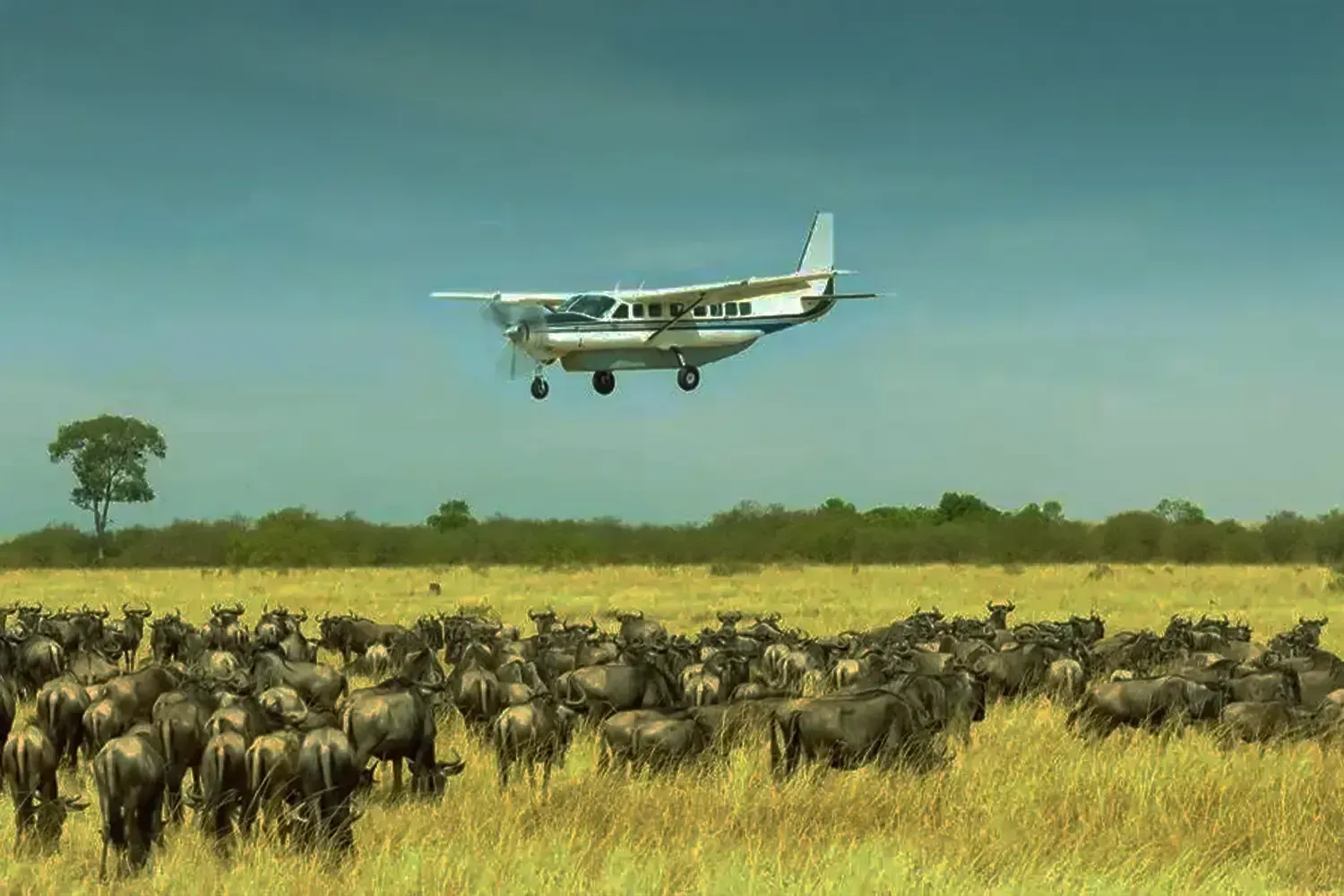
Why Choose a Fly-In Safari in Tanzania?
Fly-in safaris offer a luxurious, time-efficient way to explore Tanzania’s remote national parks, covering vast distances via small aircraft. Qualitatively, travelers praise the exclusivity and breathtaking aerial views. Quantitatively, Tanzania’s 22 national parks attract 1.5 million tourists annually, with fly-in safaris growing 15% yearly due to their convenience and luxury.
Top Fly-In Safari Destinations
Tanzania’s parks offer 95%+ wildlife sighting success, with fly-in safaris accessing remote areas for an intimate experience.
Serengeti National Park
Spanning 14,763 km², Serengeti is famed for the Great Migration (1.5 million wildebeest) and 3,000 lions. Airstrips like Seronera make it ideal for fly-in safaris.

Selous Game Reserve
Covering 50,000 km², Selous offers secluded safaris with 13,000 elephants and rare wild dogs, accessible via Mtemere airstrip.
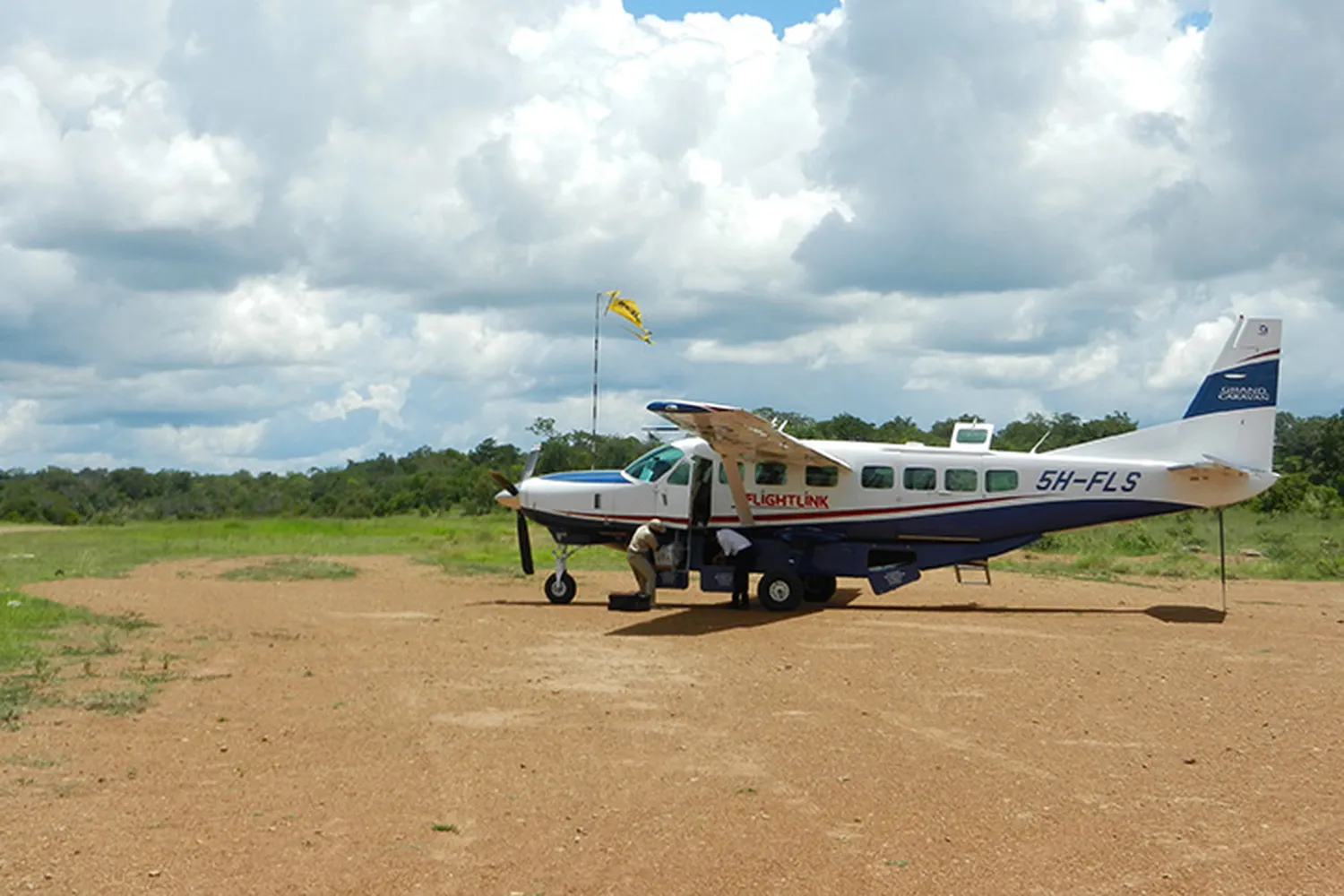
Ruaha National Park
At 20,226 km², Ruaha’s rugged landscapes host 10,000 elephants and 570+ bird species, with Msembe airstrip for fly-in access.

Mahale Mountains National Park
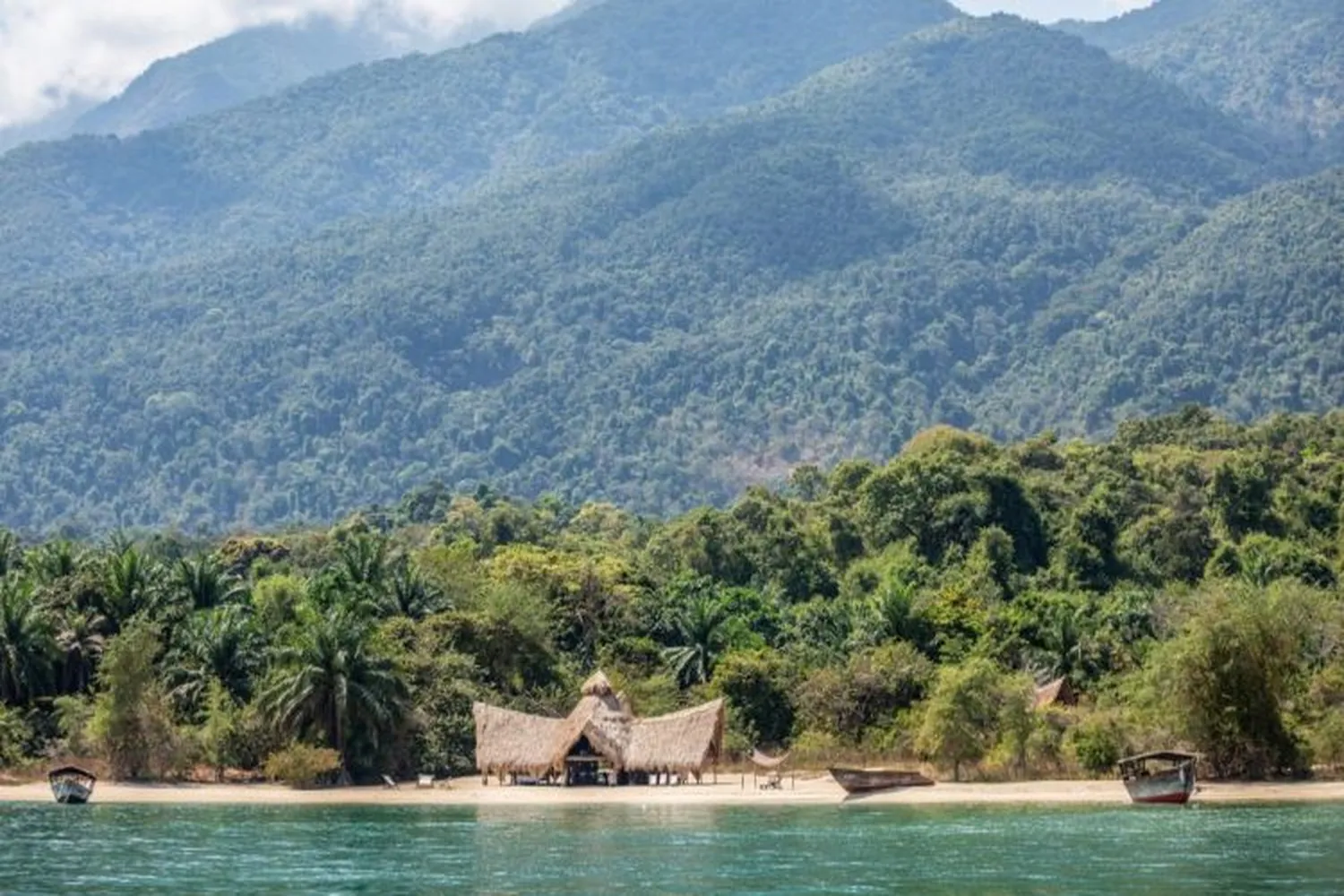
This 1,613 km² park, reachable via Mahale airstrip, is home to 1,000 chimpanzees and pristine Lake Tanganyika views.
Key Wildlife to Spot on Fly-In Safaris
- Big Five : Lions , elephants, leopards, rhinos, and buffalo in Serengeti and Ruaha.
- Chimpanzees: Mahale hosts 1,000 chimps, with 90% sighting success.
- Birds: 1,100+ species, including flamingos and fish eagles.
- Wild Dogs: Rare sightings in Selous (800 individuals).
- Wildebeest: 1.5 million during Serengeti’s migration.
Top Fly-In Safari Parks Table
| Park | Key Wildlife | Airstrip |
|---|---|---|
| Serengeti | Big Five , wildebeest | Seronera |
| Selous | Elephants , wild dogs | Mtemere |
| Ruaha | Elephants , birds | Msembe |
| Mahale | Chimpanzees | Mahale |
Best Time for Fly-In Safaris in 2026
June to October offers dry terrain and 90% wildlife sighting success. November to April provides lush scenery, ideal for birdwatching and photography.
Fly-In Safari Costs
Costs include flights, park fees ($60-$100/day), and luxury lodging. Fees support conservation, protecting 34 endemic species.
| Level | Cost (USD/day) | Inclusions |
|---|---|---|
| Standard | 800-1,200 | Flights, camps |
| Luxury | 1,200-2,000+ | Lodges, private tours |
Total for 7 days: Standard $5,600-$8,400, Luxury $8,400-$14,000+ per person.
Sample Fly-In Safari Itineraries
5-Day Fly-In Safari Adventure
- Day 1: Fly from Arusha to Serengeti, afternoon game drive.
- Days 2-3: Serengeti for migration viewing and Big Five safaris.
- Day 4: Fly to Ruaha, explore elephants and baobabs.
- Day 5: Return to Arusha.
10-Day Ultimate Fly-In Safari
- Days 1-3: Serengeti for migration and game drives.
- Days 4-6: Fly to Selous for river safaris and wild dogs.
- Days 7-9: Mahale for chimpanzee trekking.
- Day 10: Fly back to Dar es Salaam.
Accommodation Options
Luxury lodges like Four Seasons Safari Lodge Serengeti or Selous Serena Camp offer comfort, while tented camps like Kigelia Camp provide adventure. Fly-camping options add exclusivity.
What to Expect on a Fly-In Safari
Qualitative: Thrilling flights over savannas, intimate wildlife encounters, and personalized service. Quantitative: 50-80 species spotted daily, with flights covering 200-500 km.
Safety on Fly-In Safaris
Licensed pilots and modern aircraft (e.g., Cessna Caravans) ensure a 99% safety record. Guided game drives follow strict protocols for 100% guest safety.
Wildlife and Nature Highlights
Spot 1.5 million wildebeest in Serengeti, 13,000 elephants in Selous, and 1,000 chimps in Mahale. Aerial views reveal Tanzania’s 430,000 km² of protected areas.
Conservation Impact
Safari fees contribute 30% to park budgets, funding anti-poaching for 3,000 lions and habitat preservation for 1,100+ bird species.
Essential Packing List
- Light, neutral clothing (khaki, beige)
- Binoculars for wildlife spotting
- Camera with zoom lens
- Sunscreen and hat for sun protection
- Insect repellent for remote areas
Health and Fitness Requirements
No specific fitness level needed, as game drives are vehicle-based. Vaccinations (e.g., yellow fever) may be required for remote parks like Mahale.
How to Book Your Fly-In Safari
Contact Jaynevy Tours for tailored packages. Visas: $50 online. Major hubs: Kilimanjaro (JRO), Arusha (ARK), or Dar es Salaam (DAR).
Enhance Your Fly-In Safari
Combine with walking safaris, Maasai village visits, or Zanzibar beach extensions for a diverse adventure.
Explore Tanzania with Jaynevy Tours
From fly-in safaris to Kilimanjaro treks and Zanzibar beaches, Jaynevy Tours offers curated experiences. Book your 2026 safari now!
Frequently Asked Questions
What is a fly-in safari in Tanzania?
A fly-in safari uses small aircraft to access Tanzania’s remote national parks for exclusive wildlife viewing.
Which parks are best for fly-in safaris in 2026?
Serengeti, Selous, Ruaha, and Mahale Mountains are top destinations for fly-in safaris.
How much does a fly-in safari cost?
Costs range from $800-$2,000 per day, including flights, lodging, and guided tours.
Is a fly-in safari safe?
Yes, with licensed pilots and modern aircraft, fly-in safaris maintain a 99% safety record.
What wildlife can I see on a fly-in safari?
Lions , elephants, giraffes, chimps, and 1,100+ bird species in Tanzania’s top parks.
What is the best time for a fly-in safari?
June to October for dry conditions; November to April for lush scenery and birdwatching.
What should I pack for a fly-in safari?
Light clothing, binoculars, camera, sunscreen, and insect repellent for comfort.
Can I combine a fly-in safari with other activities?
Yes, pair with walking safaris, cultural tours, or Zanzibar beach trips for a full adventure.
How do fly-in safaris support conservation?
Park fees fund anti-poaching and habitat preservation, protecting Tanzania’s wildlife.
What airports are used for fly-in safaris?
Kilimanjaro (JRO), Arusha (ARK), and Dar es Salaam (DAR) connect to park airstrips.