
What You Need to Know: We run private Kilimanjaro climbs on six routes, from the 5-day Marangu hut route at US$1,600 per person to the 9-day Northern Circuit at US$2,580 (2 climbers, mid-range hotels). For a first climb we recommend the 7-day Machame or the 8-day Lemosho. Every climb includes park fees, a crew of seven per climber, meals, safety equipment, transfers and a hotel night in Moshi before and after.
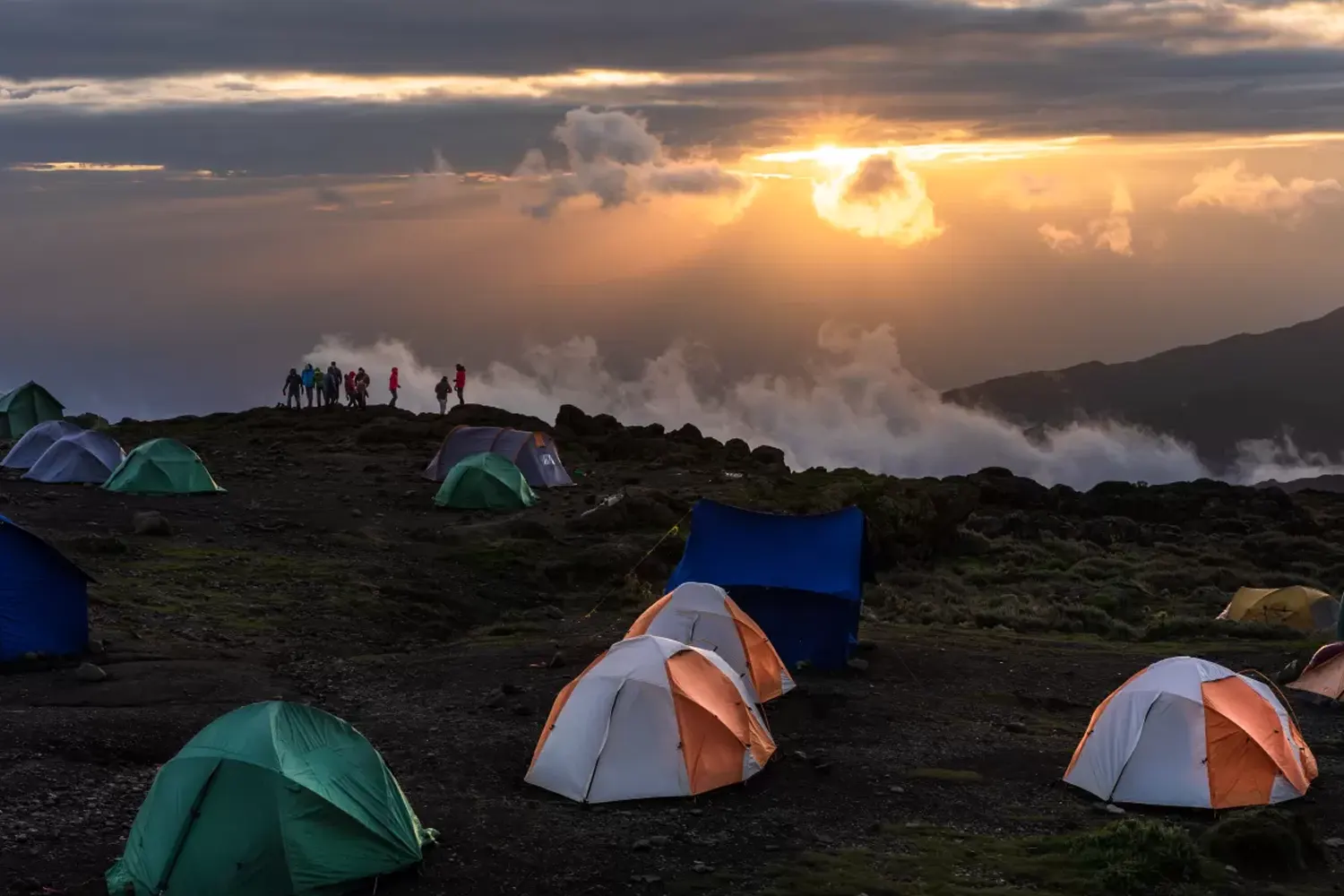
Kilimanjaro Climbs We Run, with Prices
Our climbs run from 5 to 9 days on the mountain. Longer climbs cost more because park fees and crew are charged per day, but they also give you more time to acclimatize, which is the biggest single factor in reaching the summit.
Every price below is per person for 2 climbers with mid-range hotels in Moshi, for a private climb on your own dates. Open any climb for its camps, altitudes, daily walking times and a price table for 1–6 climbers at budget, mid-range and luxury level.
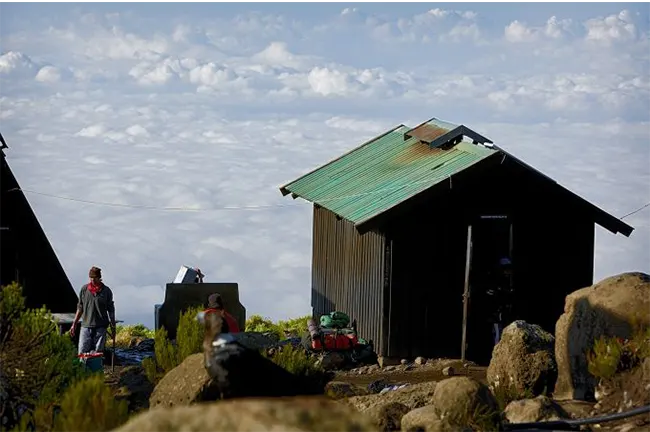
5-Day Marangu Route
Hut route, quickest climb; for fit climbers with altitude experience
6-Day Marangu Route
Hut route with an acclimatization day at Horombo
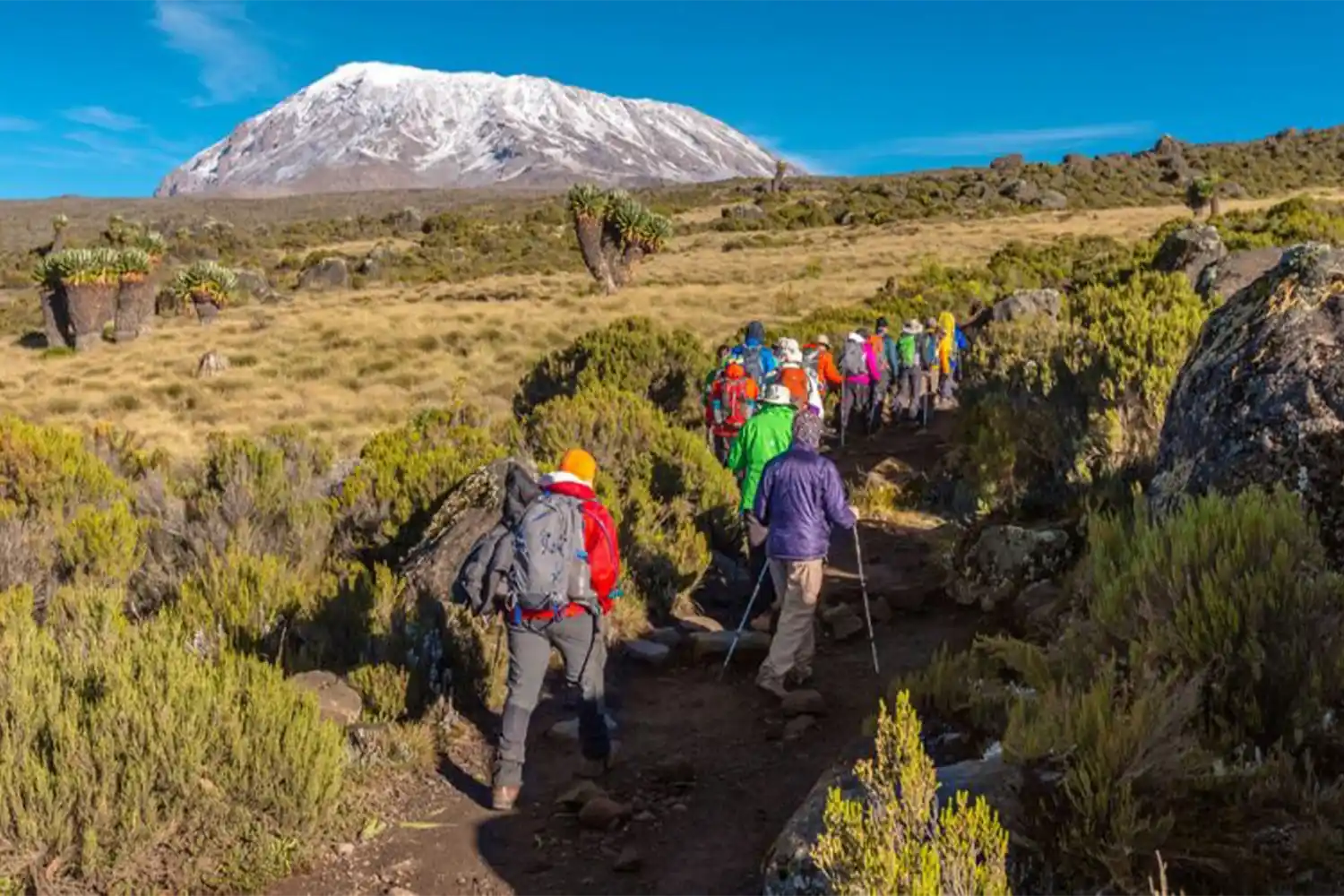
6-Day Machame Route
Camping route via Lava Tower and the Barranco Wall
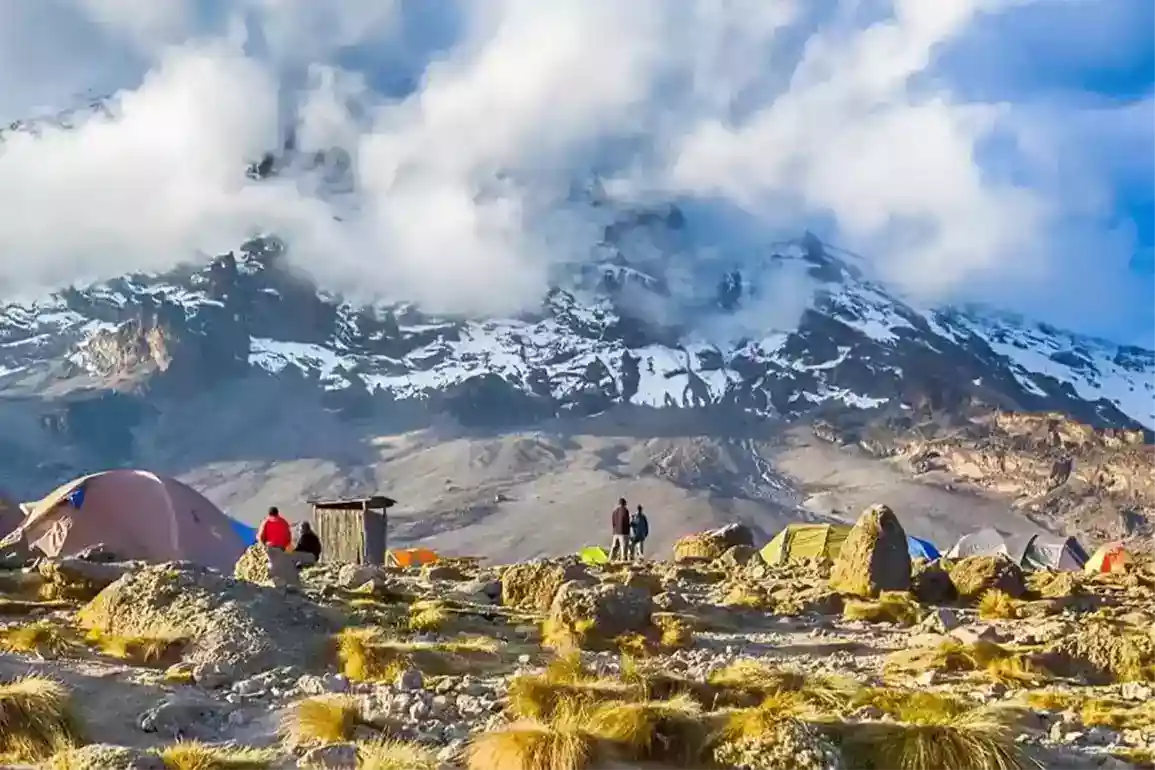
7-Day Machame Route
Machame with an extra night at Karanga; our usual first-timer recommendation
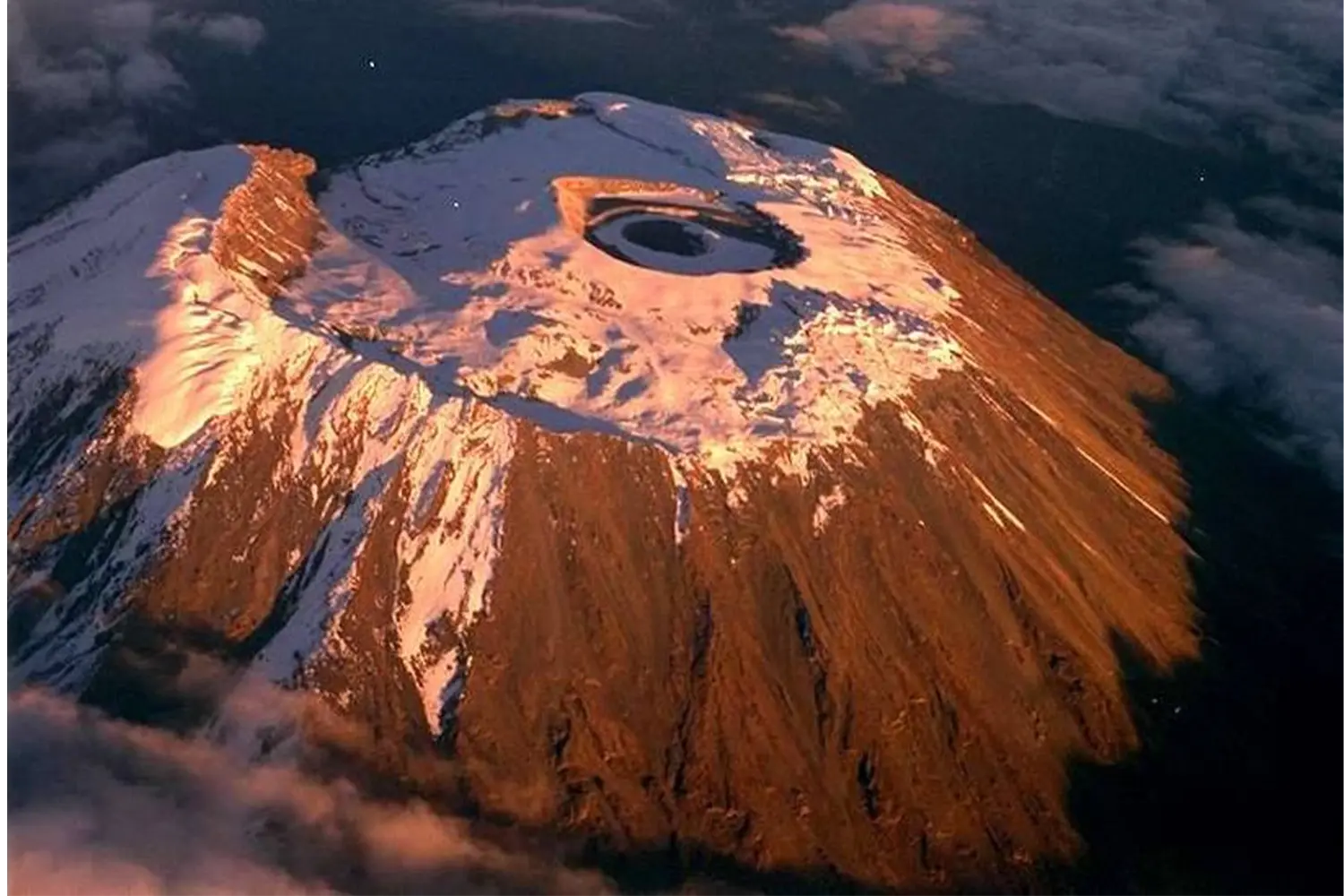
7-Day Lemosho Route
Quiet western start across the Shira Plateau
8-Day Lemosho Route
Most gradual ascent we offer, with a night near Moir Hut
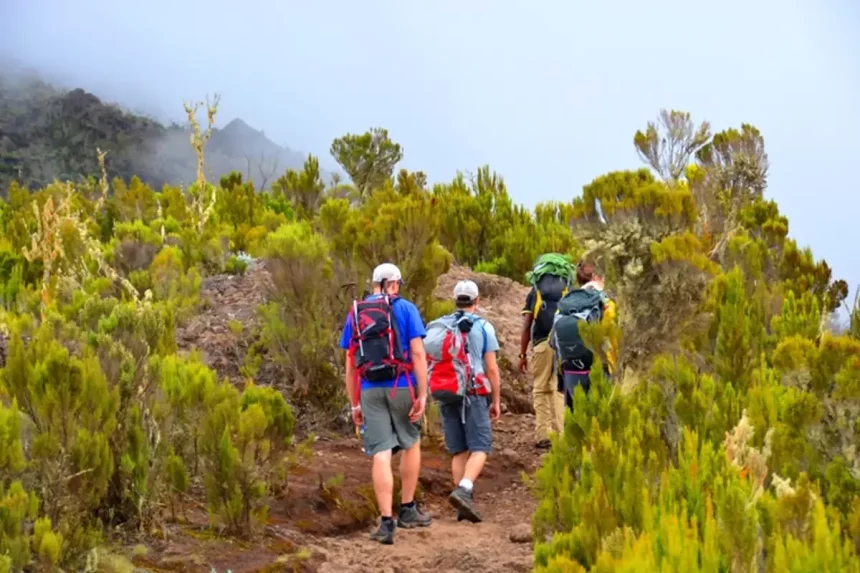
Rongai Route, 6 or 7 days
Northern approach from the Kenyan side; drier and quieter
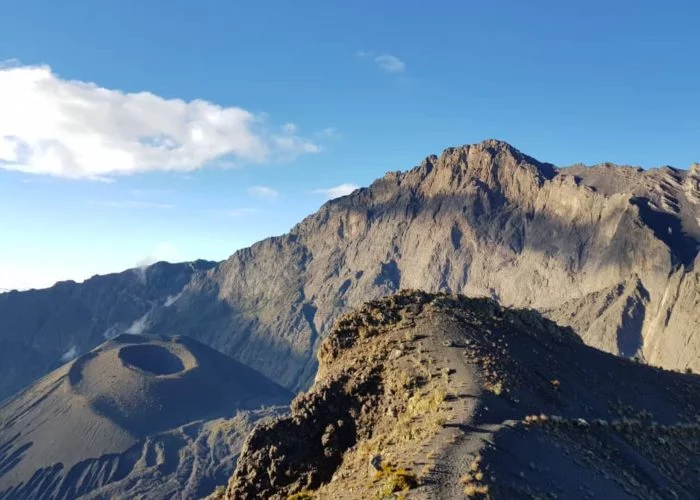
Umbwe Route, 6 or 7 days
Steep, direct southern route for strong, experienced hikers
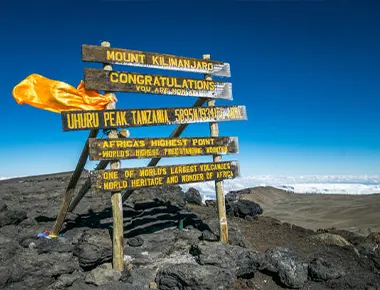
9-Day Northern Circuit
Longest route, circling the north side of Kibo
Prices are per person, 2 climbers, mid-range.
How to Choose Your Climb in Three Steps
Pick the number of days first, then the route, then the hotel level. In that order, the choice is usually straightforward.
- Days. Seven days or more if this is your first time at high altitude. Five or six days only if you have been above 14,800 ft (4,500 m) recently and felt well.
- Route. Tents or huts, busy or quiet, scenery or dry weather. The table below shows how the routes differ.
- Hotel level. Budget, mid-range or luxury applies only to your two nights in Moshi. Moving from budget to luxury adds roughly US$300–400 per person. The crew, meals and safety equipment on the mountain are the same at every level.
| Climb | Sleep in | Acclimatization | Character | Best for | From |
|---|---|---|---|---|---|
| 5-day Marangu | Huts | Limited | Fastest; same trail up and down | Fit climbers with recent altitude experience | US$1,600 |
| 6-day Marangu | Huts | Good: day at Horombo | Hut comfort, steady trail | Climbers who would rather not camp | US$1,845 |
| 6-day Machame | Tents | Good: Lava Tower | Varied, busy; long Day 4 | Fit climbers with altitude experience | US$1,845 |
| 7-day Machame | Tents | Very good: Lava Tower + Karanga | Varied, busy | Most first-timers | US$2,090 |
| 7-day Lemosho | Tents | Very good | Quiet western start; long Day 2 | First-timers wanting quiet trails | US$2,090 |
| 8-day Lemosho | Tents | Excellent | Most gradual ascent we offer | First-timers with 8 days | US$2,335 |
| Rongai, 6 or 7 days | Tents | Good; better on 7 days | Dry north side, quiet | Climbing in the rainy months | US$1,845 |
| Umbwe, 6 or 7 days | Tents | Limited early on | Steep and direct | Experienced high-altitude hikers | US$1,845 |
| 9-day Northern Circuit | Tents | The best | Longest; circles the north of Kibo | Maximum time, fewest people | US$2,580 |
Still deciding? Our guide to choosing the right Kilimanjaro route explains every route in detail, with success data by number of days.
Why the Number of Days Matters Most
Altitude, not fitness or terrain, is what stops most climbers short of the summit, and time is what helps your body adjust. Kilimanjaro National Park records from the early 2000s, across all routes, showed 27% of climbers reaching the summit on 5-day climbs, 44% on 6 days, 64% on 7 days and 85% on 8 days. Those figures are old and today's rates are higher, but the pattern still holds: each extra day helps.
The reason is physiology. At Uhuru Peak, 19,341 ft (5,895 m), each breath carries roughly half the oxygen it does at sea level. Your body adapts by breathing deeper and making more red blood cells, but that takes days, not hours. Every extra night on the mountain lets you gain height more slowly and start summit night with reserves left.
That is why we recommend at least seven days for a first climb. On our prices, a 7-day climb costs US$245 more than a 6-day one, a small part of the cost of flying to Tanzania. The shorter climbs still have their place: if you have been above 14,800 ft (4,500 m) in the last few months and felt well, a 6-day Machame or Marangu is a sensible choice. Read more about acclimatization on Kilimanjaro.
Which Climb Do We Recommend for You?
These are the recommendations our sales team gives most often. Tell us about your experience and dates and we'll advise you individually.
- First climb, 7 days available: 7-day Machame. The Lava Tower day takes you to about 15,100 ft (4,600 m) and back down to sleep, and the extra night at Karanga Camp shortens the day before the summit.
- First climb, 8 days or more: 8-day Lemosho, the most gradual ascent we offer, starting on the quiet western side.
- You don't want to camp: 6-day Marangu, with beds in the park huts and an acclimatization day at Horombo.
- Climbing in April, May or November: the 7-day Rongai. The north side gets noticeably less rain than the southern routes.
- Experienced and short of time: 6-day Machame, if you have been to high altitude recently.
- You want every advantage and quiet trails: 9-day Northern Circuit, which circles the quiet north side of Kibo before the summit.
- You'd like to join other climbers: our Kilimanjaro group departures.
Private Climb or Group Departure?
Every price on this page is for a private climb: your own group, your own dates and your own guide for each climber. If you are traveling alone or would like company on the trail, you can join one of our fixed group departures at the same per-person price.
A private climb suits families, friends and couples who want to choose their start date, and solo climbers who prefer to set their own pace. A group departure suits solo travelers who want to share the evenings in camp and the summit night with other climbers. Both include the same crew, meals, safety equipment and hotel nights.
| Group departure dates (2027) | Climb |
|---|---|
| June 12, June 29 | 6-day Machame |
| June 22, August 23, August 27 | 7-day Machame |
| July 1, July 5 | 6-day Marangu |
| July 8, July 21 | 8-day Lemosho |
See the details and how to join on our Kilimanjaro group climbs page.
How Much Does It Cost to Climb Kilimanjaro?
A Kilimanjaro climb with us costs from US$1,600 per person for 5 days, rising to US$2,580 per person for the 9-day Northern Circuit (2 climbers, mid-range hotels). Nearly half of that is national park fees, which are the same for every operator.
Kilimanjaro National Park charges non-resident climbers a conservation fee of US$70 per day, a camping fee of US$50 per night (US$60 per night in the Marangu huts) and a rescue fee of US$20 per climb, with 18% VAT on top (2026 published rates). Here is what that comes to for our climbs:
| Climb | Park fees per climber (incl. VAT) | Our price from | Park fees as share of price |
|---|---|---|---|
| 5-day Marangu (huts) | About US$720 | US$1,600 | 45% |
| 6-day Marangu (huts) | About US$873 | US$1,845 | 47% |
| 6-day camping route | About US$814 | US$1,845 | 44% |
| 7-day camping route | About US$956 | US$2,090 | 46% |
| 8-day Lemosho | About US$1,097 | US$2,335 | 47% |
| 9-day Northern Circuit | About US$1,239 | US$2,580 | 48% |
Park fees change from time to time; your quotation uses the rates on the day you book. Most of the rest of the price is the mountain crew (wages, food and equipment for seven crew per climber), then your two hotel nights, transfers and meals.
On top of the price, budget for tips, gear rental if you need it, your visa and travel insurance. Tips are usually the largest extra: with a crew of seven per climber, the typical ranges in our tipping guide come to roughly US$55–95 per climber per day. See the full Kilimanjaro cost breakdown.
When you compare operators, remember that the park fees are fixed. A price far below ours can only come from fewer crew, lower wages, poorer equipment or less safety kit.
You will also see 7-day climbs sold by overseas agencies for US$4,000 to US$6,000 or more. Many of those climbs are run on the ground by a Tanzanian operator, with the agency's margin added on top. Booking with a Moshi company directly removes that layer; the park fees, the crew and the mountain stay the same.
What Every Climb Includes
Every climb includes park fees, a crew of seven per climber, meals, safety equipment, transfers and a hotel night before and after the climb.
On camping routes the crew carries tents, sleeping mats, a mess tent with table and chairs and a private portable toilet tent for your group, on every climb and at every price level. On Marangu you sleep in the park huts. Our mountain and camping gear comes from major international outdoor brands such as Patagonia and The North Face. Gear you don't own can be rented in Moshi for US$5 to US$25 per item for the whole climb.
Meals on the mountain
Your cook prepares breakfast, lunch and dinner every day and doesn't serve the same meal twice on one climb. Meals are built around filling staples such as potatoes, rice, spaghetti and chicken, and every lunch and dinner starts with a fresh soup, such as potato, pumpkin or cucumber, which helps with fluids and appetite at altitude. Vegan, vegetarian and allergy requirements are followed for every meal: tell us when you book.
Included
- Kilimanjaro National Park fees, taxes and trekking permits
- A crew of seven per climber: mountain guide, cook and five porters
- All meals on the mountain, drinking water and hot drinks
- Mess tent and private portable toilet tent on every camping route
- First-aid kit, emergency oxygen, pulse oximeter and stretcher
- Return airport transfers and transfers to and from the park gates
- One hotel night in Moshi before and one after the climb
Not included
- International and domestic flights, and visa fees
- Travel insurance that covers trekking up to 19,700 ft (6,000 m) and helicopter evacuation
- Personal climbing gear (rental available in Moshi)
- Tips for the mountain crew (tipping guide)
- Meals and activities in Moshi, drinks, laundry and personal items
- The card-processing fee when you pay the deposit online
Each climb page lists its exact inclusions.
Your Guide and Crew
Each climber has a crew of seven: one mountain guide, one cook and five porters. That means one guide for every climber in your group, so if one person needs to slow down or descend, the others can continue with their own guide.
Our mountain guides are certified through Tanzanian universities and have three years of guiding experience, and every guide is licensed by Kilimanjaro National Park. They set the pace, run the health checks and make the safety decisions. Our cooks prepare all meals on the mountain, and the porters carry the camp, food, water and equipment so you carry only a daypack.
Our porters carry no more than 18 kg (40 lb) each, which is why each climber has five of them. We have been a KPAP partner since 2023: the Kilimanjaro Porters Assistance Project checks its partner companies for fair pay, proper equipment and fair load limits. We are also members of TATO, the Tanzania Association of Tour Operators.
Our founder, Julius Nyange, worked as a tour guide for six years before starting Jaynevy Tours in 2023. Meet him, our Kilimanjaro guide Maneno Mtoka and the rest of the team on our about page.
Safety and Health Checks on the Mountain
Your guide checks your blood-oxygen and pulse with a pulse oximeter at every camp, and every climb carries emergency oxygen, a first-aid kit and a stretcher.
Low oxygen readings are normal at altitude, so the readings never decide anything alone. Your guide looks at how they change from day to day together with your symptoms: headache, nausea, dizziness, sleep and appetite. Serious signs, such as confusion, loss of balance or breathlessness at rest, mean going down straight away, whatever the time of day.
- Pulse-oximeter check at every camp
- Emergency oxygen, first aid and stretcher on every climb
- A slow pace from the first day, set by your guide
- Helicopter evacuation arranged when a climber can't walk down
- One guide per climber, so a descent never ends the climb for the rest of the group
Most altitude problems are solved by walking down: a few hundred meters lower, symptoms usually ease. When a climber can't walk, the crew uses the stretcher and the park's rescue service, and for serious cases we arrange a helicopter evacuation through companies such as Pro Flight, which fly climbers off the mountain to hospital. That is why your travel insurance must cover trekking up to 19,700 ft (6,000 m) and helicopter evacuation.
Prepare with our guides to acclimatization, difficulty and training and safety on Kilimanjaro.
When Is the Best Time to Climb Kilimanjaro?
The best months are late May to October and January to March. We don't recommend April, early May, November or the late-December holiday period.
The dry months give firmer trails, clearer summit views and more comfortable nights in camp. July to September is the busiest period; January to March is warmer and quieter. If you must climb in the rainy months, the north-side Rongai route is drier than the southern routes.
| Months | Our advice |
|---|---|
| January – March | Recommended: warmer, quieter |
| April – early May | Not recommended: long rains |
| Late May – October | Recommended: dry season, busiest months |
| November | Not recommended: short rains |
| Late December | Not recommended: holiday crowds |
More detail: the best time to climb Kilimanjaro.
Who Runs Your Climb
Jaynevy Tours is a registered Tanzanian company (registration number 535442) with its office at Shanty Town near TCC Moshi Branch, in Moshi. Moshi is the town most Kilimanjaro climbs start from, about an hour by road from Kilimanjaro International Airport.
The people you write to are the people who run your climb. Our sales team, Clement, Goodluck and Naswira, prepares your quotation; Sharifa Lema runs day-to-day operations; and our guides lead every climb themselves. You can check us before you book: our registration, office address and guest reviews are public.
Combine Kilimanjaro with Mount Meru
Mount Meru (4,566 m), the volcano above Arusha, is the best warm-up for Kilimanjaro. Our own Kilimanjaro team runs it in 3 or 4 days on the Momella route, with nights in the Miriakamba and Saddle huts and a sunrise summit facing Kilimanjaro. Sleeping at 3,570 m and touching 4,566 m a few days before your Kilimanjaro climb makes the Kilimanjaro summit night easier.
| Combined plan | Days |
|---|---|
| Arrival and a night in Arusha | 1 |
| 4-day Mount Meru climb (from US$1,395 per person) | 4 |
| Rest day in Moshi | 1 |
| 7-day Machame or Lemosho climb on Kilimanjaro | 7 |
| Departure | 1 |
We quote the two climbs together, with transfers and the rest day included. See the Mount Meru climb for the day-by-day plan and prices, from US$1,150 per person for 3 days.
Planning Guides for Your Climb
These guides answer the questions climbers ask us most often before they book.
- Choosing the right route: every route compared, with success data by days
- What a Kilimanjaro climb costs: park fees, tips and a whole-trip budget
- How hard is Kilimanjaro?: what's actually difficult and how to train
- Acclimatization: how your body adapts, and the warning signs
- Safety on Kilimanjaro: health checks, oxygen and insurance
- Kilimanjaro packing list: what to wear from rainforest to the frozen summit
- Gear rental in Moshi: what to rent and what to bring from home
- Camps and huts on the mountain: where you sleep on each route
- Climate zones: the five zones you walk through
- Where to stay before and after: hotels in Moshi
- Tipping on Kilimanjaro: how much to give guides, cooks and porters
- Climbing FAQ: quick answers to common questions
- Climb plus safari and Zanzibar: combining your climb with wildlife and the beach
Still have a question? Ask our sales team on WhatsApp +255 678 992 599.
Booking and Cancellation Terms
A 30% deposit confirms your climb, and the balance is paid on arrival. You get a full refund if you cancel 60 days or more before arrival.
You can pay the deposit through Pesapal by card or mobile money, or by bank transfer in US dollars.
| When you cancel | Refund |
|---|---|
| 60 days or more before arrival | 100% |
| 30–59 days | 90% |
| 15–29 days | 60% |
| 10–14 days | 25% |
| Less than 10 days, or a no-show | No refund |
Full terms: our Kilimanjaro refund policy.
Choosing a Kilimanjaro Climb: Common Questions
Which Kilimanjaro package is best for beginners?
The 7-day Machame or the 8-day Lemosho. Both have a climb-high, sleep-low day at Lava Tower and enough nights to acclimatize. No climbing experience is needed.
What is the cheapest way to climb Kilimanjaro?
Our lowest price is the 5-day Marangu at US$1,600 per person, or the budget hotel level on any climb. We don't recommend the 5-day climb for first-timers, because it gives the least time to acclimatize.
Are your climbs private or in a group?
Our listed prices are for private climbs on your own dates. If you'd like to join other climbers, see our group departures.
What is the difference between budget, mid-range and luxury?
Only the hotel for your nights in Moshi before and after the climb. The crew, meals, equipment and safety kit on the mountain are the same at every level.
How fit do I need to be?
Fit enough to walk 5–7 hours a day for several days in a row, and one very long summit day. Train with long hill walks for 8–12 weeks before the climb. See how hard Kilimanjaro is.
Can I climb Kilimanjaro on my own?
Not without a guide: Kilimanjaro National Park only allows climbs with a licensed guide, booked through a registered operator. You can book a private climb by yourself, with your own guide, cook and five porters, or join a group departure to climb with others.
Are there toilets on the mountain?
The public camps have basic long-drop toilets, so on every camping climb we carry a private portable toilet tent for your group, at every price level.
What do you eat on the climb?
Three cooked meals a day from your own cook, with soup before every lunch and dinner and no meal repeated during the climb. Vegan, vegetarian and allergy requirements are followed; tell us when you book.
How much should I budget for tips?
Roughly US$55–95 per climber per day for a crew of seven, so about US$385–665 for a 7-day climb. Tips are given at the end of the climb; our tipping guide shows how they are shared.
Do I get a certificate?
Yes. Kilimanjaro National Park issues summit certificates at the exit gate: one for reaching the crater rim at Stella Point or Gilman's Point, and one for Uhuru Peak.
Can I combine the climb with a safari?
Yes. Many climbers add a safari to Tarangire, the Serengeti and the Ngorongoro Crater, or a few days in Zanzibar. See our combination tour.
The Bottom Line
Choose your days first: seven or more if this is your first high mountain. For most climbers that makes the 7-day Machame or the 8-day Lemosho the right climb, with Marangu for huts, Rongai for the rainy months and the Northern Circuit for maximum time. Whatever you choose, the park fees, a crew of seven per climber, a private toilet tent and the safety equipment are included in one price.
Send us your dates, the number of climbers and your hotel level through the booking form, on WhatsApp +255 678 992 599 or by email to jaynevytours@gmail.com, and our sales team in Moshi will confirm availability and send a written quotation.