
What You Need to Know: Kitulo National Park is about 2–3 hours by road from Mbeya, which has flights from Dar es Salaam. It is known as the Serengeti of Flowers for its wildflowers, including about 45 orchid species, best seen from December to April. Entry costs about US$35.40 per adult per day. Trips are quoted for your dates.
Why Visit Kitulo?
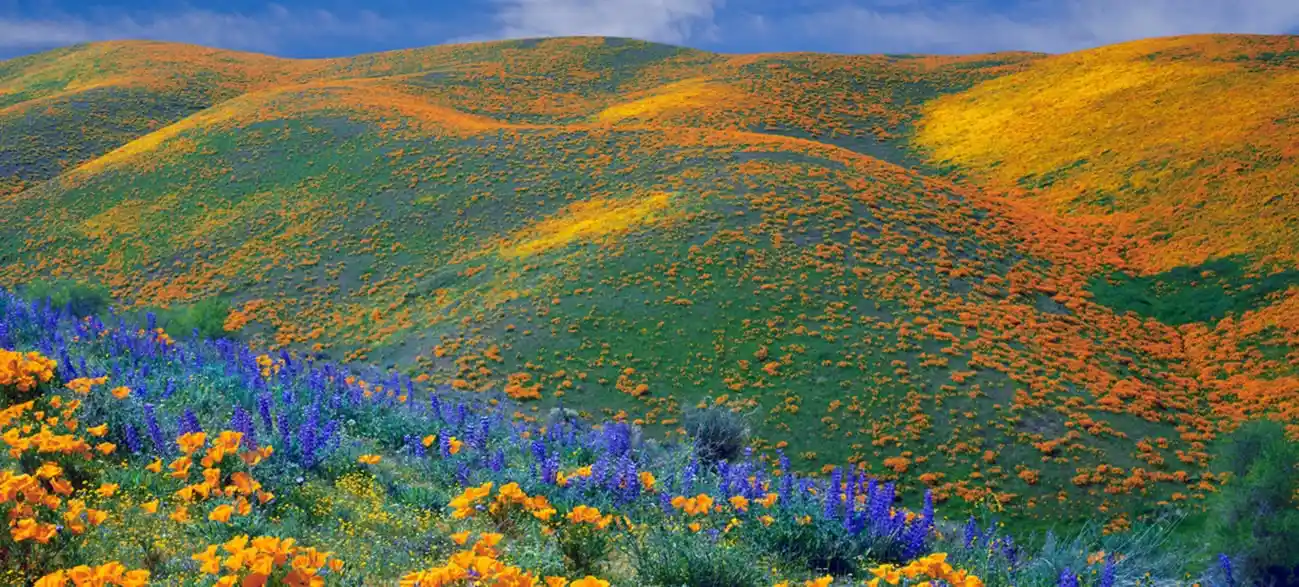
Kitulo is unlike any other national park in Tanzania: there are few big animals, but in the rainy season the plateau becomes one of Africa's great wildflower displays. Walking across rolling grassland carpeted with orchids, lilies and red-hot pokers, with mountains on the horizon and cool air at over 8,500 ft (2,600 m), is a memorable experience for anyone who loves nature.
It is also a quiet, little-visited corner of the country, combining well with the Southern Highlands around Mbeya: Mount Rungwe, crater lakes, waterfalls and the beaches of Lake Nyasa.
Kitulo is a long way from the main safari circuits, so it suits travelers with time and a love of plants and birds. Combine it with Ruaha for a southern trip.
The Flowers of Kitulo
The plateau lies between the Kipengere, Poroto and Livingstone mountains, mostly between 2,600 and 9,800 ft (3,000 m). More than 350 plant species grow here, many of them endemic, and about 45 species of terrestrial orchids. In the rainy season the grassland turns into a carpet of color, with ground orchids, red-hot pokers, gladioli, lilies and aloes.
Kitulo is also important for birds, including the rare Denham's bustard and blue swallow, and for the Kipunji, a monkey discovered in 2003 in the nearby forests.
| Flower | Notes |
|---|---|
| Ground orchids | About 45 species, many endemic |
| Red-hot pokers (Kniphofia) | Tall red and yellow spikes |
| Lilies and gladioli | Bright colors across the grassland |
| Aloes | On the rocky edges of the plateau |
| Proteas | Shrubs on the higher slopes |
Things to Do in Kitulo
- Guided flower walks across the plateau
- Hiking to Mtorwi, one of the highest peaks in southern Tanzania
- Birdwatching for highland species
- Waterfalls and forest walks on the plateau edge
- Visiting nearby Mount Rungwe, Lake Ngozi crater lake and Lake Nyasa (Malawi)
When Is the Best Time to See Kitulo's Flowers?
December to April is the flowering season, with the peak usually in February and March. June to August is cold and dry, with frost on the plateau, but clear for hiking. Bring warm layers at any time: nights are cold at this altitude.
Suggested Kitulo Itineraries
| Length | Plan |
|---|---|
| 3 days | Fly to Mbeya, Kitulo plateau walks, return |
| 4–5 days | Kitulo, Mount Rungwe or Lake Ngozi, and Lake Nyasa beaches at Matema |
| 7+ days | Ruaha, then Kitulo and the Southern Highlands |
Getting to and Around the Kitulo Plateau
| From | How | Time |
|---|---|---|
| Dar es Salaam | Flight to Mbeya (Songwe airport) | About 1.5 hours |
| Mbeya | By road | 2–3 hours |
| Ruaha or Iringa | By road via Makambako | A full day |
Roads on the Kitulo plateau are rough and muddy in the rainy season, so a 4x4 is essential. Most visitors explore on foot with a park guide, walking between flower meadows, streams and viewpoints.
Kitulo Park Fees
| Fee | 2026 rate |
|---|---|
| Kitulo conservation fee | About US$35.40 per adult per 24 hours (incl. 18% VAT); children 5–15 about US$11.80 |
What to Bring to Kitulo
- Warm layers and a rain jacket
- Waterproof walking shoes
- A camera with a macro lens for orchids
- Binoculars for birds
Practical Tips for Kitulo
- Bring warm clothes: nights on the plateau can drop close to freezing
- A rain jacket is essential in the flowering season
- Stay in Mbeya or on the plateau edge; accommodation is simple
- Combine the trip with Lake Nyasa's beaches at Matema
Photography Tips for Kitulo
For flowers, bring a macro lens or a phone with a close-up mode, and shoot in the soft light of early morning or late afternoon. A small reflector or diffuser helps on bright days. Kneel to photograph orchids against the sky, and include the rolling plateau in wider shots to show the scale of the display. Watch your step: many plants are rare and easily damaged.
Sights Near Kitulo
- Mount Rungwe, a dormant volcano and forest reserve
- Lake Ngozi, a crater lake in the forest
- Matema beach on Lake Nyasa (Lake Malawi)
- Kapologwe waterfall and natural bridges near Tukuyu
How We Run a Kitulo Trip
We run our southern and western safaris ourselves, with our own team, and book the light-aircraft flights for you. Jaynevy Tours is a licensed Tanzanian tour operator (TALA licence 014271), based in Moshi. Kitulo trips are quoted for your dates, flights and accommodation in Mbeya or on the plateau.
A 30% deposit confirms your safari and the balance is paid on arrival. Refunds: 100% if you cancel 60 days or more before arrival, 90% at 30–59 days, 60% at 15–29 days, 25% at 10–14 days, and nothing under 10 days.
Common Questions About Kitulo
When is the best time to see the flowers in Kitulo?
December to April, with the peak usually in February and March.
How do I get to Kitulo?
Fly from Dar es Salaam to Mbeya and drive 2–3 hours to the plateau.
Are there animals in Kitulo?
Few large animals: the park is about plants, birds and walking.
How cold is Kitulo?
Days are mild, but nights on the plateau can drop close to freezing, especially from June to August.
Are there big animals in Kitulo?
Few: the park is about plants and birds; some small antelopes and the rare Kipunji monkey live nearby.
What is the Kipunji?
A monkey discovered in 2003 in the forests near Kitulo and Mount Rungwe.
Do I need a guide in Kitulo?
Yes: a park guide helps you find the best flower areas and rare plants.
The Bottom Line
Kitulo is for plant lovers, birders and hikers: a cool highland park that blooms in the rains. Plan it for December to April.
Send us your dates, the number of travelers and the parks you are interested in through the booking form, on WhatsApp +255 678 992 599 or by email to jaynevytours@gmail.com, and our team will reply with a written quotation.