
By Sharifa Lema, Manager and Chief of Staff, Jaynevy Tours, Moshi · Updated October 2026
What You Need to Know: The Shira route is the original western route up Kilimanjaro. Its first stage is driven: a 4x4 track takes you up to the Shira Plateau, so you start walking at about 11,200–11,800 ft (3,400–3,600 m), well above the forest. From the plateau it follows the same trail as Lemosho, joining the southern circuit at Lava Tower, with the summit from Barafu and the descent by Mweka. We run it in 7 days, from US$2,090 per person. Because you start so high, we suggest it mainly to climbers who are already acclimatized, for example after a Mount Meru climb; first-timers do better on the Lemosho route.
What Is the Shira Route?
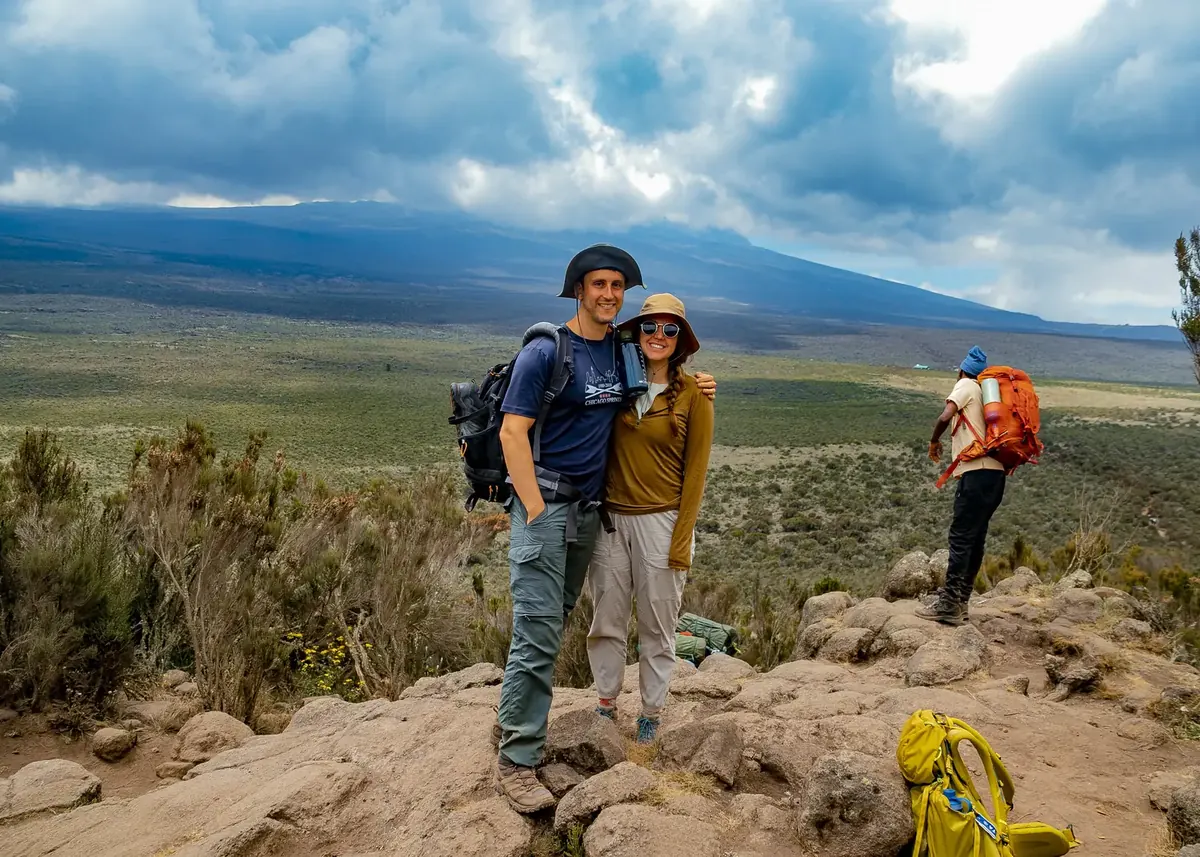
Shira is the oldest of the western routes, named after the Shira Plateau, the high, flat remains of the oldest of Kilimanjaro's three volcanic cones. Instead of walking up through the rainforest, you drive up a 4x4 track from Londorossi Gate to the edge of the plateau and start walking there. The Lemosho route was developed as its successor: it follows almost the same line across the plateau but starts down in the forest, about 1,300–1,500 m (4,300–4,900 ft) lower.
So the two routes are close cousins. Shira saves you the forest days; Lemosho gives your body those days to adjust. That single difference decides who Shira suits.
The Shira Route's High Start: Why It Matters
Most climbers arrive in Moshi, at about 2,900 ft (890 m), from home near sea level. On Shira, your first night on the mountain is already at about 11,800 ft (3,600 m), close to the height Machame and Lemosho climbers reach only on their second night. A big jump in sleeping altitude on the first night is exactly what gives climbers headaches, poor sleep and nausea, so on Shira the first day or two can feel harder than on routes that start lower.
| Route | First night's camp | How you reach it |
|---|---|---|
| Shira | About 11,800 ft (3,600 m) | By vehicle, then a short walk |
| Lemosho | About 8,700 ft (2,650 m) | On foot through the forest |
| Machame | 10,007 ft (3,050 m) | On foot through the forest |
| Marangu | 8,924 ft (2,720 m) | On foot through the forest |
The way round this is to arrive already acclimatized. If you climb Mount Meru (4,566 m) first, or have spent the previous week at altitude, Shira's high start becomes an advantage: you skip the forest and reach the high mountain fresh. Our own team runs 3- and 4-day Mount Meru climbs, from US$1,150 per person, and we quote the two climbs together with a rest day in between.
Shira Route Map: Camps and Altitudes
| Night | Camp | Altitude |
|---|---|---|
| 1 | First camp on the Shira Plateau | About 11,800 ft (3,600 m) |
| 2 | Shira 2 Camp | 12,631 ft (3,850 m) |
| 3 | Barranco Camp, via Lava Tower | About 13,000 ft (3,960 m) |
| 4 | Karanga Camp | 13,238 ft (4,035 m) |
| 5 | Barafu Camp | 15,354 ft (4,680 m) |
| 6 | Mweka Camp, via Uhuru Peak | 10,138 ft (3,090 m) |
Notice how flat the first part of the line is: the route starts high and then climbs slowly, the opposite of the forest routes, which climb steeply on the first day from much lower down. Operators name the first camp differently, as Simba Camp or Shira 1, and give its altitude anywhere from about 11,500 to 11,800 ft (3,500 to 3,600 m); your quotation names the camp we use.
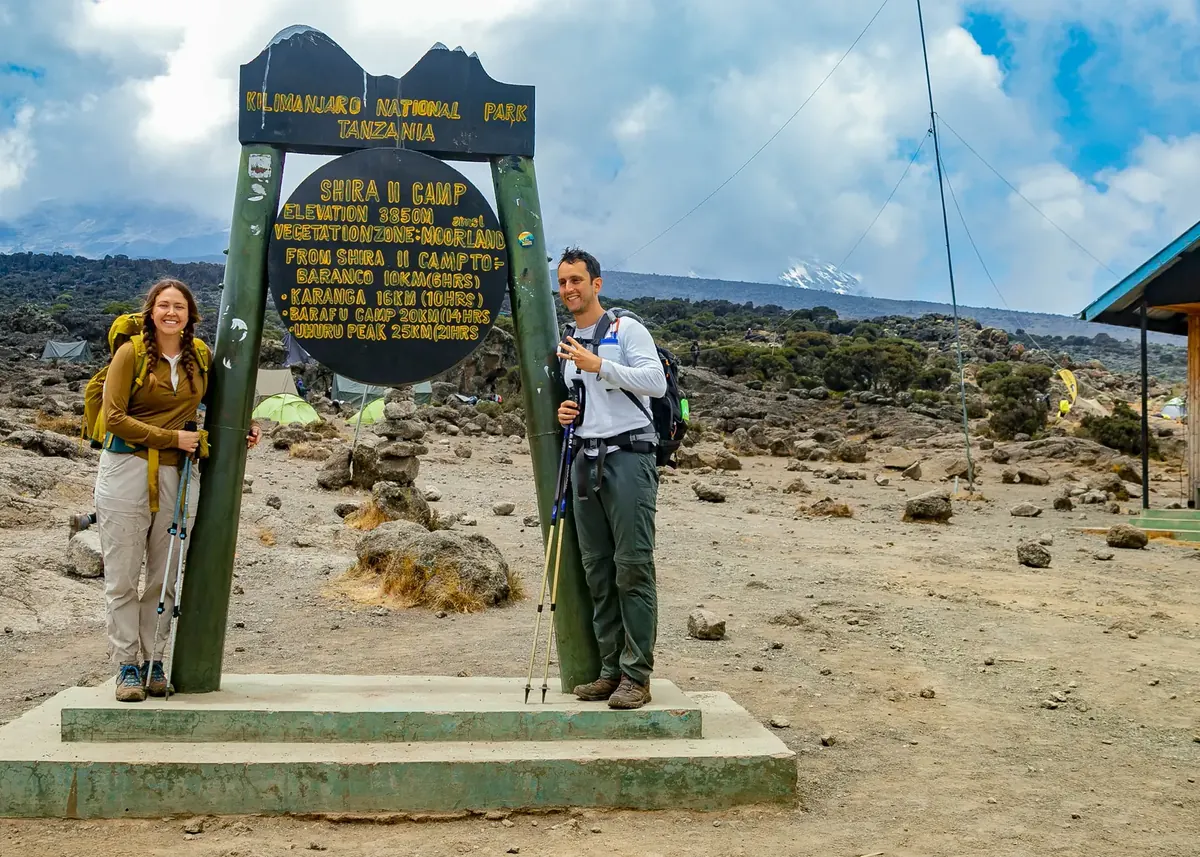
The park signboard at Shira 2 gives the distances ahead: 10 km (6.2 mi) and 6 hours to Barranco, 16 km to Karanga, 20 km to Barafu and 25 km (15.5 mi), 21 hours of walking, to Uhuru Peak.
Our 7-Day Shira Route Itinerary
-
Day 1: Drive to the Shira Plateau and a Short First Walk
We collect you in Moshi after breakfast and drive west round the mountain to Londorossi Gate, where your guide registers the climb. A 4x4 track then climbs through the forest and heath to the trailhead on the Shira Plateau, at about 11,200–11,800 ft (3,400–3,600 m). A short walk of an hour or two brings you to the first camp, at about 11,800 ft (3,600 m). Take the afternoon very slowly: this is the night when the altitude is most likely to give you a headache.
High start by vehicleShort walk -
Day 2: Across the Plateau to Shira 2 Camp, 12,631 ft (3,850 m)
A gentle crossing of the open plateau, with Kibo ahead and Mount Meru behind you to the west, then an afternoon acclimatization walk with your guide. The height gain is small, which gives your body a second night to settle.
Shira PlateauAcclimatization walk -
Day 3: Lava Tower, Then Down to Barranco Camp, about 13,000 ft (3,960 m)
Up through the alpine desert to Lava Tower, about 15,100 ft (4,600 m), usually with lunch nearby, then down past giant groundsels into the Barranco Valley. From here you are on the same trail as Lemosho and Machame climbers.
Climb high, sleep lowJoins the southern circuit -
Day 4: The Barranco Wall to Karanga Camp, 13,238 ft (4,035 m)
A morning scramble up the Barranco Wall, about 820 ft (250 m) of rock steps, then ridges and valleys under the southern glaciers to Karanga, with the afternoon to rest.
Barranco WallRest afternoon -
Day 5: Up to Barafu Camp, 15,354 ft (4,680 m)
A short climb of about 2.5 miles (4 km) to the summit base camp, the summit briefing, a health check and an early dinner before a midnight start.
Summit base campBriefing -
Day 6: Summit Night to Uhuru Peak, 19,341 ft (5,895 m), and Down to Mweka Camp
By headlamp to Stella Point on the crater rim, often at sunrise, then along the rim to Uhuru Peak. Back to Barafu for a rest, then down to Mweka Camp at 10,138 ft (3,090 m): 10–14 hours in all.
Stella PointUhuru Peak -
Day 7: Down Through the Forest to Mweka Gate
About 6 miles (10 km) and 3–4 hours down the forest trail to Mweka Gate, where you sign out and receive your climbing certificate, then the drive back to Moshi.
CertificatesBack to Moshi
How Hard Is the Shira Route?
The walking is moderate: the plateau days are short and gentle, and from Lava Tower the route is the same as Machame and Lemosho, including the Barranco Wall scramble and summit night from Barafu. What makes Shira harder is the altitude at the start. For an acclimatized climber it is one of the easier ways up; for someone who flew in from sea level two days before, the first nights can be the toughest of the climb. Our guides check your blood-oxygen and pulse with a pulse oximeter every day, and the private toilet tent and mess tent come on every camping climb.
Best Time to Climb the Shira Route in 2027 and 2028
Late May to October and January to March. The plateau is clearest and driest in the dry season; in the rains of April, early May and November the 4x4 track to the trailhead can be muddy and the camps cold and wet.
Shira Route Pros and Cons
| Pros | Cons |
|---|---|
| Skips the muddy forest days | Starts high: harder first nights for climbers from sea level |
| Quiet first days on the Shira Plateau | Joins the busy southern circuit at Lava Tower |
| Ideal after a Mount Meru climb | A long drive to the start |
| Down a different trail (Mweka) | Fewer forest and wildlife sights than Lemosho |
Shira Compared with Lemosho and Machame
| Shira | Lemosho | Machame | |
|---|---|---|---|
| Route guide | This page | Lemosho guide | Machame guide |
| Start | Shira Plateau, by vehicle | Western forest, on foot | Machame Gate, on foot |
| First night | About 3,600 m | About 2,650 m | 3,050 m |
| Days we offer | 7 | 7–8 | 6–7 |
| Best for | Climbers already acclimatized | First-timers with time | First-timers with a week |
| From, per person | US$2,090 | US$2,090 | US$1,845 |
Booking the Shira Route, and the Alternatives
The 7-day Shira route costs from US$2,090 per person for 2 climbers with mid-range hotels in Moshi before and after the climb, the same as our other 7-day climbs. It is private, on your own dates, with a crew of seven per climber. Tell us your dates and whether you are climbing Mount Meru first, and we will send a written quotation. If you are coming straight from home, these climbs follow the same western line but start lower:
8-Day Lemosho Route
The same plateau, starting in the forest, with a night at Moir Hut
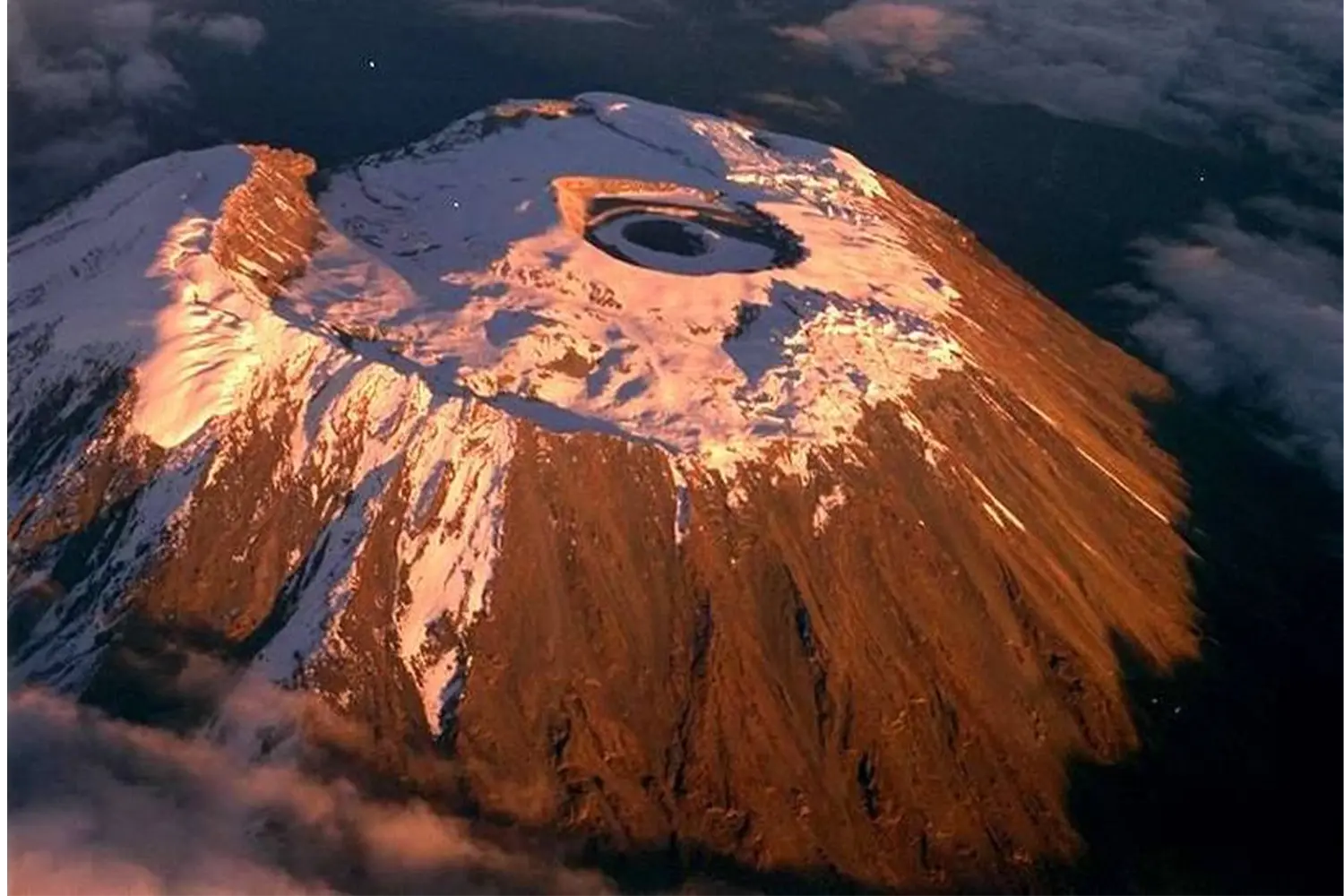
7-Day Lemosho Route
Seven days, like Shira, but starting lower

Mount Meru Climbs
3 or 4 days on Meru: the best preparation for Shira
Prices are per person, 2 climbers, mid-range hotels before and after the climb.
Common Questions About the Shira Route
Where does the Shira route start?
On the Shira Plateau, at about 11,200–11,800 ft (3,400–3,600 m). You register at Londorossi Gate and drive up a 4x4 track to the trailhead.
How many days is the Shira route?
We run it in 7 days, with 6 nights on the mountain, finishing down the Mweka trail.
Is the Shira route good for beginners?
Not usually. The high start makes the first nights hard for climbers coming straight from sea level; the Lemosho route, which starts lower, is a better first climb.
What is the difference between the Shira and Lemosho routes?
They share the plateau crossing and the rest of the climb, but Lemosho starts in the forest about 1,300–1,500 m lower, so your body adjusts more gradually.
Who should choose the Shira route?
Climbers who are already acclimatized, for example after climbing Mount Meru or spending time at altitude, and want to skip the forest days.
Is the Shira route crowded?
The first two days on the plateau are quiet; from Lava Tower you share the trail with Machame and Lemosho climbers.
How much does the Shira route cost?
From US$2,090 per person for 7 days, for 2 climbers with mid-range hotels in Moshi.
Can I combine Mount Meru and the Shira route?
Yes, and it is the combination we suggest: Meru first, a rest day in Moshi, then Shira, quoted together.
The Bottom Line
The Shira route is a 7-day climb that starts high on the Shira Plateau by vehicle and follows the Lemosho line to the summit. It is a good choice for climbers who are already acclimatized, especially after Mount Meru, and a hard start for anyone coming straight from sea level, who should choose the Lemosho route instead. From US$2,090 per person; ask us for a quotation for your dates.