
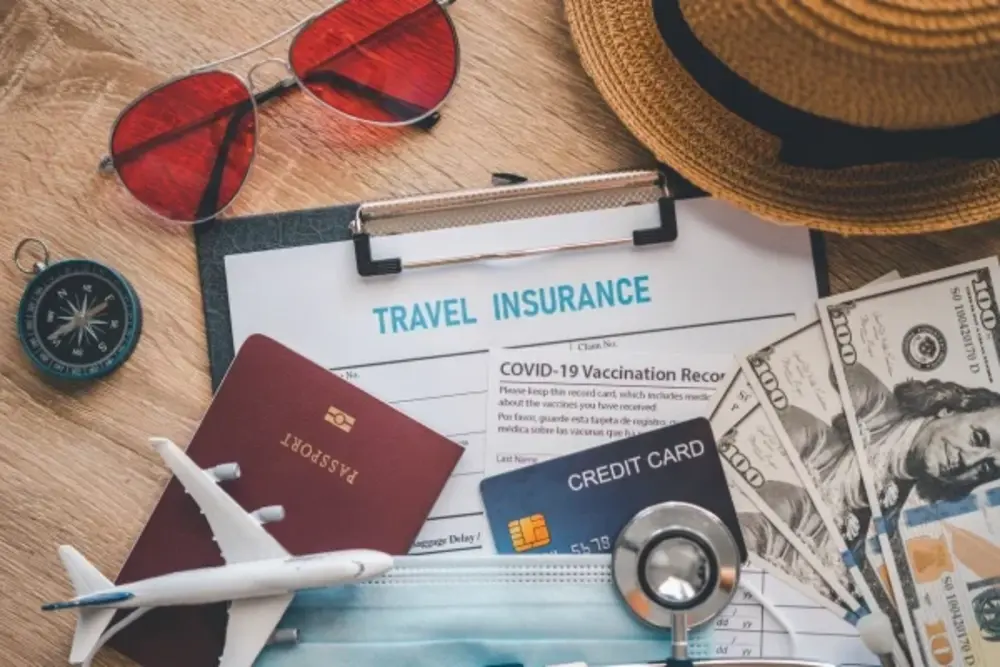
Why Travel Insurance Matters for International Trips in 2026
Domestic health plans like Medicare rarely cover overseas care, and credit card perks often fall short on medical or evacuation needs. Travel insurance bridges these gaps, covering emergencies, cancellations, delays, and more. Recent data shows average comprehensive policies cost 4-10% of trip price, yet they reimburse thousands in claims for medical issues or disruptions. For high-value or remote trips, it's a small price for major protection.
Quick Reference Table: Key Travel Insurance Benefits
| Coverage Type | Typical Limit | Why It Matters Internationally | Avg. Cost Impact |
|---|---|---|---|
| Emergency Medical | $50,000–$500,000 | Hospital bills abroad can exceed $100,000 | Core add-on |
| Medical Evacuation | $100,000–$1M | Air ambulance from remote areas costly | Essential for adventure |
| Trip Cancellation | 100% of trip cost | Reimburses nonrefundable bookings | Main driver of policy cost |
| Trip Delay | $500–$2,000 | Covers hotels/meals during long waits | Frequent claims |
| Baggage Loss | $1,000–$3,000 | Replaces essentials if luggage vanishes | Low premium impact |
10 Essential Travel Insurance Tips for International Trips
1. Buy Early – Within 14-21 Days of Booking
Purchase as soon as you book nonrefundable flights or hotels. Early buyers qualify for pre-existing condition waivers and cancel-for-any-reason (CFAR) upgrades, which reimburse 50-75% even for personal reasons. Waiting too long often voids these perks.
2. Prioritize Medical and Evacuation Coverage
Focus on at least $50,000–$100,000 in emergency medical and $100,000+ in evacuation. Overseas treatment can cost tens of thousands; U.S. plans rarely cover abroad fully. This is especially vital for older travelers or adventure destinations.
3. Check for Destination-Specific Requirements
Countries like Tanzania, Qatar, Saudi Arabia, and Argentina mandate proof of insurance for entry or visas. Review official government sites before booking to avoid surprises at the border.
4. Understand What Your Existing Coverage Provides
Review credit cards, homeowners, or health plans for built-in perks (e.g., trip delay, baggage). These often have low limits or exclusions – supplement with standalone travel insurance for gaps, especially medical.
5. Consider Cancel-for-Any-Reason (CFAR) Add-Ons
CFAR lets you cancel for any reason and get 50-75% back. Great for uncertain plans or high-cost trips, though it adds 40-50% to premium. Buy early for eligibility.
6. Compare Policies Using Trusted Aggregators
Use sites like Squaremouth or InsureMyTrip to compare quotes side-by-side. Filter by medical limits, CFAR, and evacuation. Read reviews and policy wording – not just price.
7. Declare Pre-Existing Conditions Honestly
If you have health issues, disclose them. Many policies waive exclusions if bought early. Skipping this can lead to denied claims during emergencies.
8. Look for 24/7 Assistance Services
Top policies include round-the-clock help for lost documents, legal referrals, or emergency translations. This non-insurance benefit saves hassle abroad.
9. Opt for Annual Plans if You Travel Often
Frequent travelers (3+ trips/year) save 30-40% with annual multi-trip policies covering worldwide adventures up to set trip lengths. Ideal for repeated safaris or business travel.
10. Document Everything and File Claims Promptly
Keep receipts, medical reports, and delay confirmations. Many providers allow app-based claims. Report issues quickly – delays can complicate reimbursements.
Quantitative Insights: Real Costs and Coverage Stats
- Policy Cost: 4-10% of trip total (e.g., $200-500 for $5,000 trip).
- Medical Claims: Often highest value – one hospital stay can exceed $50,000 abroad.
- Annual Plan Savings: Up to 40% vs single-trip for 4+ journeys yearly.
- CFAR Reimbursement: Typically 50-75% of prepaid costs.
- Evacuation Example: Air ambulance from Africa can cost $50,000–$200,000 without coverage.
Common Mistakes to Avoid with Travel Insurance
Don't rely solely on credit card coverage (limits often too low for medical). Avoid buying from airlines/hotels (overpriced, limited). Skip reading exclusions – adventure activities or pandemics may need add-ons. Always verify high-risk destinations aren't excluded.
Plan Your Safe International Adventure with Jaynevy Tours
With these travel insurance tips for international trips in mind, you're set for worry-free exploration. Book Tanzania safaris, Kilimanjaro climbs, or Zanzibar beaches with Jaynevy Tours – we help with itineraries and reminders for insurance too!
Frequently Asked Questions
Why do I need travel insurance for international trips in 2026?
U.S. Medicare doesn't cover abroad, and many domestic health plans have limits overseas. Travel insurance protects against medical emergencies, cancellations, delays, and evacuations – crucial for peace of mind on international journeys.
How much does travel insurance cost for international trips?
Typically 4-10% of your prepaid, nonrefundable trip cost. For a $5,000 trip, expect $200-$500 depending on coverage level, age, destination, and add-ons like CFAR.
When is the best time to buy travel insurance?
As soon as you book nonrefundable elements. Buying within 14-21 days often unlocks key benefits like pre-existing condition waivers and cancel-for-any-reason coverage.
What coverage is essential for international travel?
Prioritize emergency medical ($50,000+), evacuation ($100,000+), trip cancellation/interruption (100%+ of costs), and baggage/delay protection. Check for destination-specific requirements.
Do some countries require travel insurance for entry?
Yes – examples include Tanzania, Qatar, Saudi Arabia, and Argentina. Always check entry rules via official sources before your trip.