
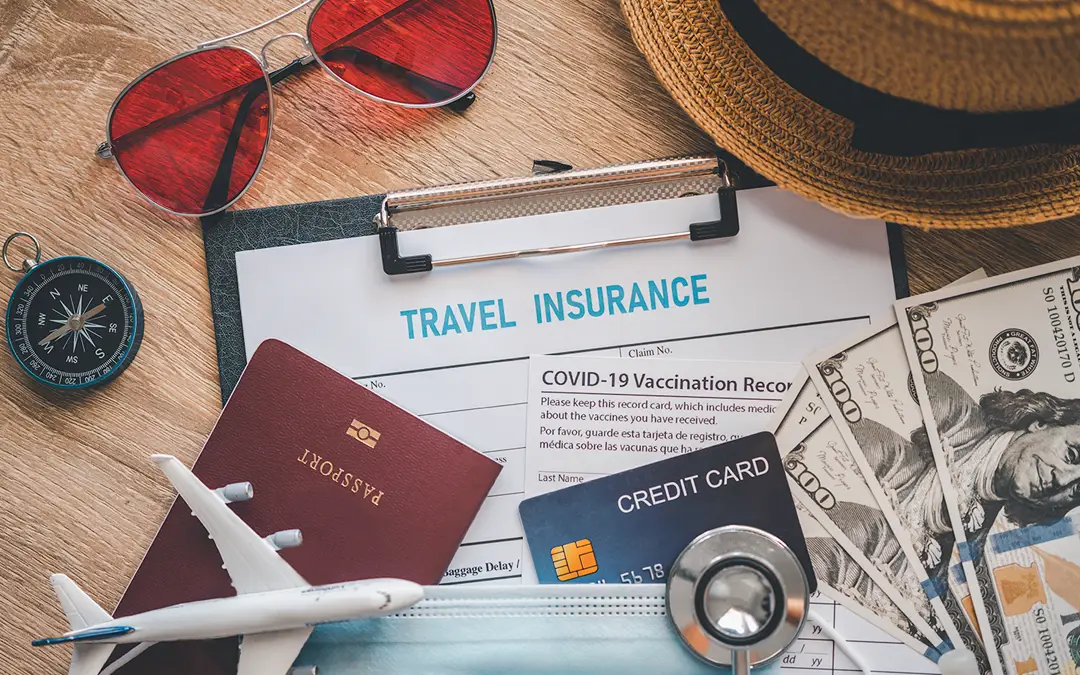
Why These 12 Questions Matter Before Buying Travel Insurance
Policies differ dramatically between providers. One might cap medical evacuation at $100,000 while another offers $1 million – critical if you're far from home. Average comprehensive plans cost 4–10% of trip price but can reimburse thousands in cancellations or emergencies. Asking targeted questions helps match coverage to your needs: age, destination risks, activities, and budget. Skip them, and you risk gaps that leave you paying out-of-pocket for medical bills, lost luggage, or canceled flights.
Quick Comparison: Key Coverage Areas to Check
| Coverage Type | Typical Limit | Why Ask About It | Common Add-On? |
|---|---|---|---|
| Trip Cancellation | 100% of trip cost | Reimburses non-refundable expenses | CFAR (75–100%) |
| Emergency Medical | $50k–$500k+ | Covers hospital stays abroad | No |
| Medical Evacuation | $100k–$1M | Air ambulance home | Sometimes |
| Baggage Loss/Delay | $500–$3k | Essentials if bags lost | No |
| Travel Delay | $100–$500/day | Overnight delays | No |
12 Essential Questions to Ask Before Buying Travel Insurance
1. What Exactly Does the Policy Cover?
Don't assume – get specifics on trip cancellation, interruption, delays, missed connections, baggage, and medical. Ask for definitions (e.g., what counts as a "covered reason" for cancellation like illness or weather). Strong policies reimburse 100% of non-refundable costs for covered events.
2. Are Pre-Existing Medical Conditions Covered?
Many policies waive exclusions if bought early (usually 14–21 days after first deposit) and the condition is stable. Confirm the waiver terms, look-back period, and if it applies to you or traveling companions – vital for older travelers or those with chronic issues.
3. When Is the Best Time to Buy This Policy?
Ask about purchase deadlines for full benefits. Buying soon after booking maximizes cancellation coverage and pre-existing waivers. Waiting too long often limits options.
4. Does It Cover Adventure Activities or Sports?
If planning hiking, safari drives, diving, or skiing, check if these are included or need a rider. High-risk activities are often excluded without add-ons.
5. What Are the Exclusions and Limitations?
Read the fine print – common exclusions include known events, pandemics (if not treated like other illnesses), risky behaviors, or war zones. Ask for a full list to avoid surprises.
6. Is Medical Evacuation and Repatriation Included?
Emergency transport home can cost $50,000–$1 million+. Ensure limits are high (at least $250k–$500k recommended) and it covers remote areas like national parks.
More Critical Questions for Smart Coverage
- 7. How Does the Claims Process Work? Ask about timelines, required docs, and reimbursement speed – good providers offer 24/7 assistance and online filing.
- 8. Is Cancel For Any Reason (CFAR) Available? This add-on lets you cancel for any reason (often 50–75% reimbursement) – great for uncertain plans.
- 9. Does It Cover Travel Delays and Missed Connections? Look for per-day limits ($150–$500) and short trigger times (6–12 hours delay).
- 10. Are There Destination-Specific Requirements or Restrictions? Some countries require minimum coverage; confirm it meets visa/entry rules.
- 11. What Is the Cost and Value for My Trip? Policies average 4–10% of trip cost – compare quotes via tools like Squaremouth for best value.
- 12. Is There 24/7 Emergency Assistance? Ensure access to help lines for real-time support during crises.
Quantitative Insights: Real Numbers on Travel Insurance
- Average cost: 4–10% of trip total (e.g., $200–$500 for a $5,000 trip).
- Medical evacuation claims: Often $100k+ in remote areas.
- Trip cancellation payouts: Up to 100% of prepaid costs for covered reasons.
- CFAR add-on: Adds ~40–50% to premium but covers non-covered cancellations.
- Claims approval rate: Higher with reputable providers (check reviews on Trustpilot or Squaremouth).
How to Use These Questions Effectively
Compare multiple providers using comparison sites. Contact them directly with these questions, read sample policies, and buy early. With Jaynevy Tours, we help plan safe adventures – and remind clients to secure proper coverage for Tanzania safaris, Kilimanjaro climbs, or Zanzibar getaways. Contact us for personalized trip advice!
Frequently Asked Questions
Why ask questions before buying travel insurance?
Policies vary widely – asking the right questions ensures coverage matches your trip's risks, like medical emergencies abroad (often $100k+ needed) or cancellations, avoiding denied claims later.
When is the best time to buy travel insurance?
Ideally within 14–21 days of your first trip deposit for maximum benefits like pre-existing condition waivers and higher cancellation limits.
Does travel insurance cover pre-existing medical conditions?
Many policies do if bought early (waiver period) and you meet stability requirements – always confirm specifics to avoid gaps in coverage.
What does travel insurance typically not cover?
Common exclusions include high-risk sports without add-ons, pandemics if not specified, known events, or intentional acts – read exclusions carefully.
How much does travel insurance cost on average?
Typically 4–10% of your total trip cost, depending on age, destination, coverage limits, and add-ons like CFAR (Cancel For Any Reason).