
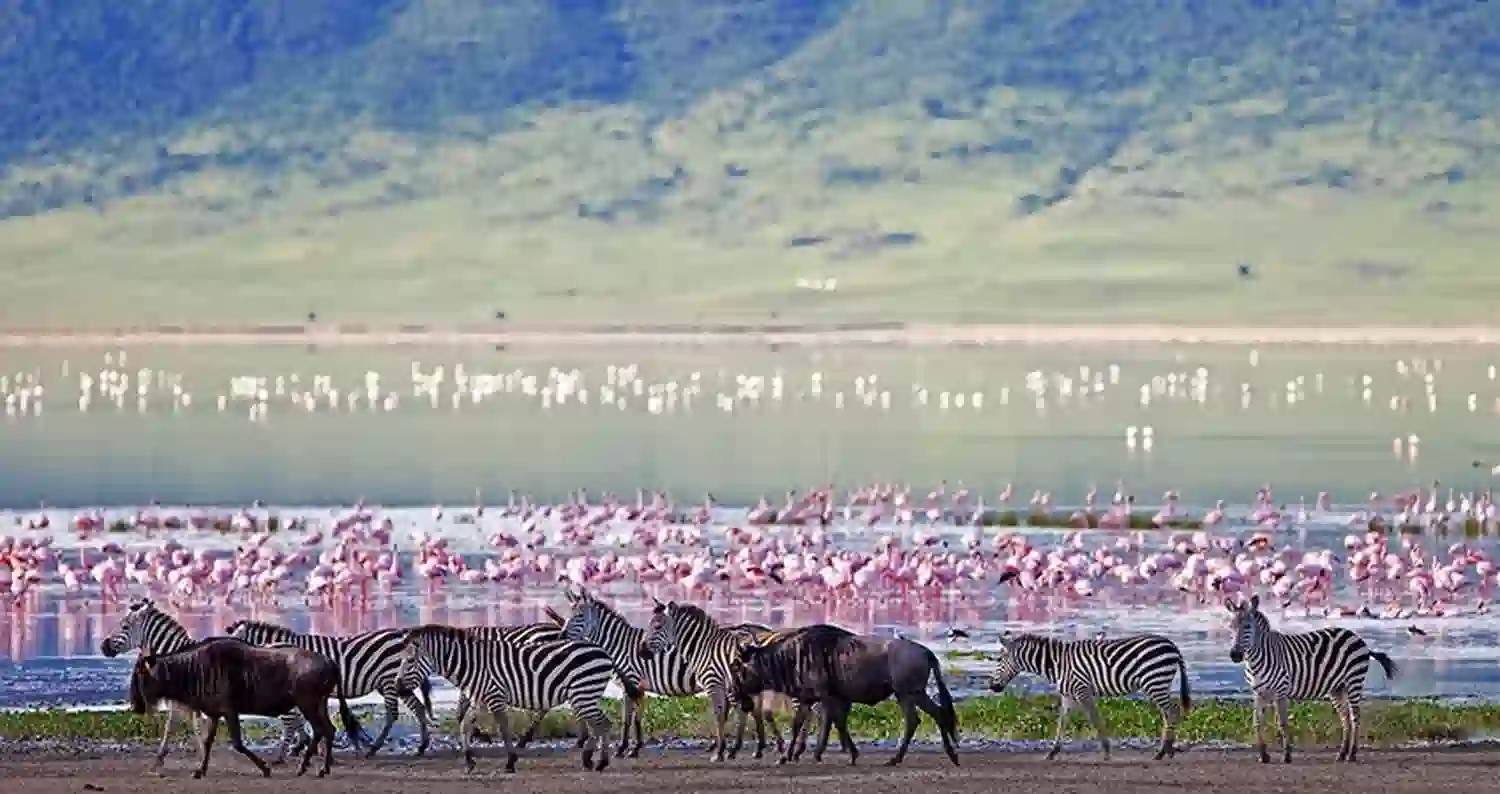
Why Choose a 2-Nights Ngorongoro Crater Visit?
This concise itinerary offers an immersive exploration of the Ngorongoro Crater, a UNESCO World Heritage Site known for its dense wildlife population and stunning volcanic caldera. Ideal for families (ages 5+), couples, and first-time visitors, it’s described as “a compact yet unforgettable safari experience in one of Africa’s most iconic destinations.”
2-Nights Ngorongoro Crater Visit Price Breakdown
Costs range from $1,200 to $2,000 per person, depending on accommodation and travel options:
| Category | Per Person Price (USD) | Accommodation Type | Key Features | Best For |
|---|---|---|---|---|
| Mid-Range | $1,200 - $1,500 | 3-star lodges | Private safaris, en-suite rooms | Families, first-time visitors |
| Luxury | $1,500 - $1,750 | 4-star lodges | Private guides, gourmet meals | Couples, small groups |
| Premium | $1,750 - $2,000 | 5-star lodges/camps | Exclusive camps, tailored experiences | Luxury seekers, weekend travelers |
Prices include private 4x4 transport, accommodation, meals, park fees ($60/day), and guided game drives. Extras like tips ($15-25/day) and optional activities add 5-10%.
Sample 2-Nights Ngorongoro Crater Visit Itinerary
This itinerary by Jaynevy Tours maximizes wildlife viewing within the Ngorongoro Crater:
- Day 1: Arusha to Ngorongoro Crater - Morning drive from Arusha to Ngorongoro Conservation Area (180km, 3.5 hours). Afternoon game drive in the Ngorongoro Crater, targeting lions, rhinos, and elephants ($60 park fee). Private picnic lunch ($20). Overnight: Ngorongoro Sopa Lodge ($250/night) or Ngorongoro Serena Lodge ($400/night). (B, L, D) (4 hours safari)
- Day 2: Full Day in Ngorongoro Crater - Full-day game drive in the Ngorongoro Crater, focusing on the Big Five and diverse wildlife ($60 park fee). Private meals in the crater ($40). Overnight: Same lodge. (B, L, D) (6 hours safari)
- Day 3: Ngorongoro Crater to Arusha - Early morning game drive in the Ngorongoro Crater ($60 park fee). Return to Arusha by road (180km, 3.5 hours). (B, L) (3 hours safari)
Total travel: ~360km by road. 65% safari time, 30% travel, 5% relaxation.
Key Attractions in Your 2-Nights Ngorongoro Crater Visit
- Ngorongoro Crater: 260 km², a UNESCO World Heritage Site, known for its high density of wildlife and 90% Big Five sighting success.
- Wildlife Diversity: Lions, leopards, elephants, rhinos, buffalo, and over 400 bird species within the crater.
- Unique Ecosystem: Volcanic caldera offering a natural enclosure for diverse wildlife.
85% of travelers report spotting at least four of the Big Five on this itinerary.
What's Included and Excluded
Included:
- Private 4x4 transport (Arusha-Ngorongoro-Arusha)
- Accommodation (2 nights, 3-5 star lodges)
- Meals (breakfast, lunch, dinner on Days 1-2; breakfast, lunch on Day 3)
- Park fees ($60/day)
- Bottled water during game drives
Excluded:
- International flights ($800-$1,200 round-trip)
- Visa ($50 single-entry)
- Tips ($15-25/day for guide/driver)
- Optional activities: Maasai village visit ($30), Olduvai Gorge tour ($50)
- Drinks (soft drinks, alcohol: $5-15/day)
Jaynevy Tours offers customizable Ngorongoro Crater itineraries.
Best Time to Book a 2-Nights Ngorongoro Crater Visit
June to October offers prime wildlife viewing and dry weather (20-30°C), ideal for game drives. November to March provides lush landscapes and 10-15% savings, but avoid April-May for heavy rains. Dry season ensures optimal conditions for crater exploration.
| Season | Months | Weather | Experience | Price Impact |
|---|---|---|---|---|
| Dry | Jun-Oct | Sunny, 20-30°C | Best for wildlife, high demand | Peak (+10-20%) |
| Green | Nov-Mar | Rainy spells, 25-35°C | Lush scenery, fewer crowds | Low (-10-15%) |
Quantitative Data: Ngorongoro Crater Stats
Tanzania’s $1.8 billion tourism industry attracts 1.5M visitors annually. Key figures:
- Ngorongoro Crater visitors: 500,000/year
- Big Five sightings: 90% success rate in the crater
- Short safari bookings: 12% annual growth
Qualitative Insights: Traveler Experiences
“The Ngorongoro Crater was a wildlife paradise—saw rhinos, lions, and elephants in just two days!” shares a Jaynevy client. Expert guides (10+ years experience) ensure a 96% satisfaction rate.
Tips to Optimize Your 2-Nights Ngorongoro Crater Visit
- Book 1-2 months in advance for preferred lodges
- Pack binoculars, sunscreen, and neutral-colored clothing
- Request early morning game drives for peak wildlife activity
- Consider a Maasai village visit ($30) for cultural enrichment
- Bring a good camera for capturing crater wildlife and landscapes
- Bring reusable water bottles to reduce drink costs ($1-2 each)
Why Choose Jaynevy Tours for Your Ngorongoro Crater Visit?
With over a decade of expertise, Jaynevy Tours delivers seamless safaris with expert guides, comfortable accommodations, and a 96% satisfaction rate, ensuring an unforgettable Ngorongoro Crater experience.
Explore More with Jaynevy Tours
Extend your adventure with Kilimanjaro climbs, Mount Meru treks, or a Zanzibar beach holiday. Contact us for personalized quotes!
Frequently Asked Questions
What is the cost of a 2-nights Ngorongoro Crater visit?
Costs range from $1,200 to $2,000 per person, including private transport, accommodation, meals, and park fees.
What is included in the 2-nights Ngorongoro Crater visit?
Includes private 4x4 transport, accommodation, meals, park fees, and guided game drives. Excludes international flights, visas, and tips.
When is the best time for a 2-nights Ngorongoro Crater visit?
June to October for prime wildlife viewing and dry weather, or November to March for lush landscapes and fewer crowds, avoiding April-May for heavy rains.
Is this safari suitable for families or first-time visitors?
Yes, it’s ideal for families (ages 5+), couples, and first-time visitors, offering a concise yet immersive wildlife experience with comfortable accommodations.
What makes this 2-nights Ngorongoro Crater visit unique?
It offers a focused exploration of the Ngorongoro Crater, a UNESCO World Heritage Site, with private game drives targeting the Big Five in a unique volcanic caldera ecosystem.