
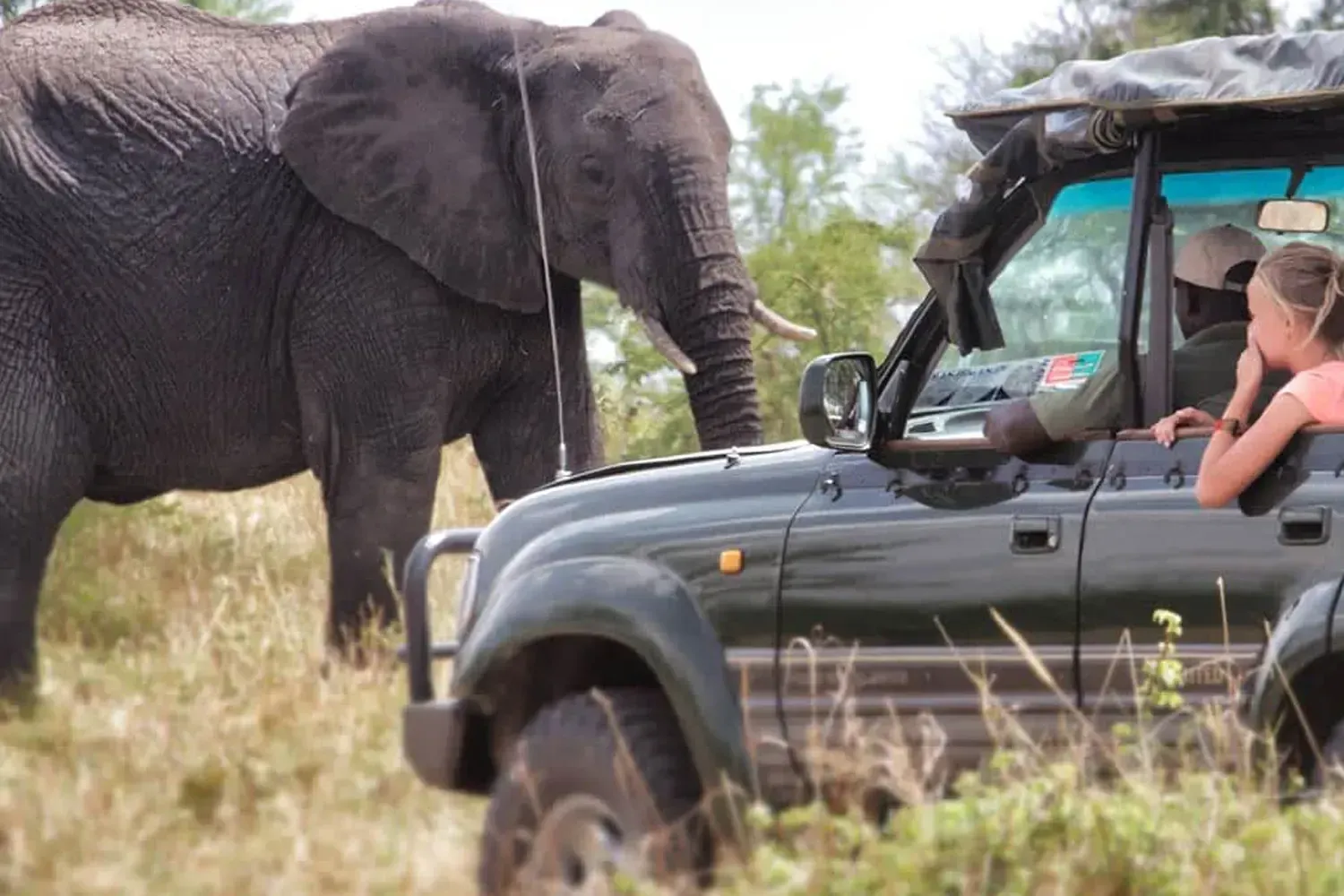
Is This 3-Day Ngorongoro and Serengeti Safari Right for You?
This safari is a good fit if you want to combine Ngorongoro Crater and the Serengeti in a short Northern Tanzania itinerary and are comfortable with a fast pace. We arrange the route from Arusha with guided game drives, two nights of safari accommodation and the road or flight logistics confirmed in your quotation.
Three days gives you a strong introduction to two very different wildlife areas: the enclosed Ngorongoro Crater ecosystem and the much larger Serengeti plains. The trade-off is travel time. If your priority is a slower safari, extended photography sessions or following seasonal wildlife movement into more distant Serengeti regions, adding at least one extra day gives the itinerary more flexibility.
| Safari Detail | What to Expect |
|---|---|
| Duration | 3 days / 2 nights |
| Main destinations | Ngorongoro Crater and Serengeti National Park |
| Typical starting point | Arusha, with pickup details confirmed before departure |
| Safari style | Guided 4x4 safari; private operation when confirmed in your quotation |
| Starting price | From USD 1,200 per person |
| Pace | Fast-paced, with substantial road travel between wildlife areas |
If minimizing road time matters more than keeping the package fully overland, ask us to compare the road return with a domestic flight from the Serengeti before you confirm the itinerary.
How Much Does the 3-Day Ngorongoro and Serengeti Safari Cost?
The price of this 3-day Ngorongoro and Serengeti safari starts from USD 1,200 per person. The final rate depends on your travel dates, number of travelers, accommodation category, vehicle arrangement, current park and conservation charges, pickup location, and whether the final Serengeti-to-Arusha sector is by road or domestic flight.
The page has previously used USD 1,200–1,800 per person as a planning range, but this should not be treated as a fixed tariff. Safari costs can change when lodge availability, government charges, supplier rates or routing change. We therefore confirm the complete package price before you pay.
| Price Factor | How It Can Affect Your Quote |
|---|---|
| Travel dates | Accommodation availability and seasonal supplier rates vary through the year. |
| Group size | Vehicle and guide costs are distributed differently for solo travelers, couples and groups. |
| Accommodation | Mid-range, upper-mid-range and luxury lodges or tented camps have different nightly rates. |
| Return transport | A road return and a domestic flight from the Serengeti have different costs and timing. |
| Pickup and onward travel | Arusha, Kilimanjaro Airport, Moshi or another pickup/drop-off point may require different logistics. |
| Optional activities | Balloon safaris, cultural visits and other add-ons are priced separately unless specifically included. |
Before booking, tell us your dates, group size, preferred accommodation level and onward travel plans. We can then prepare a written quotation showing exactly what is included rather than relying on a general online estimate.
How Does the 3-Day Ngorongoro and Serengeti Itinerary Operate?
The itinerary normally starts in Arusha, visits Ngorongoro Crater first, continues to the Serengeti for the second night, and returns toward Arusha on Day 3. Exact departure times depend on your hotel, gate formalities, road conditions, accommodation location and whether you choose a road or flight return.
Day 1: Arusha to Ngorongoro Crater
We collect you from the confirmed Arusha pickup point and drive toward the Ngorongoro Conservation Area. After entry formalities, your guide descends into Ngorongoro Crater for a game drive across the crater floor, with a picnic lunch arranged according to the itinerary.
The crater supports a high concentration of wildlife, so you may see species such as buffalo, zebra, wildebeest, hippo, hyena, lion and elephant. Black rhino is possible but never guaranteed. After the game drive, you ascend from the crater and continue to the accommodation confirmed for your first night.
Local planning note: Morning departure from Arusha is important because the road journey, conservation-area entry and crater game drive all need to fit into one day. We confirm the pickup time after your hotel and route are known.
Day 2: Ngorongoro Area to Serengeti National Park
After breakfast, you travel through the Ngorongoro highlands toward Serengeti National Park, entering the Serengeti according to the confirmed route. The journey itself crosses changing landscapes before you begin game viewing in the park and continue toward your Serengeti lodge or tented camp.
Central Serengeti is commonly used for a short itinerary because it supports wildlife throughout the year and works well logistically with the Ngorongoro route. Your guide adjusts the game-drive focus according to road conditions, recent sightings, season and the location of your accommodation.
Local planning note: The Great Migration does not stay in one part of the Serengeti. If migration viewing is your main reason for traveling, send us your exact dates before booking so we can advise whether a three-day route is realistic for the likely seasonal area.
Day 3: Serengeti Game Drive and Return Toward Arusha
Day 3 begins with wildlife viewing in the Serengeti before your return journey. A road return gives you an entirely overland itinerary but involves a long travel day. A scheduled domestic flight can reduce road time when seats, airstrip schedules, luggage rules and your onward arrangements make it practical.
If you return by road, the final drop-off is arranged according to the written itinerary. If you fly, we coordinate the transfer to the confirmed Serengeti airstrip and your pickup after landing, where included. Flight times can change, so we do not recommend planning a tight international connection on assumptions made before the domestic schedule is confirmed.
Once the return method is decided, we can align your final game-drive timing with your hotel, airport transfer or onward Tanzania itinerary.
What Wildlife Can You Expect to See?
You may see lions, elephants, buffalo, wildebeest, zebras, giraffes, hippos, hyenas, gazelles and many bird species across the two destinations. Leopards and black rhinos are possible, while the Great Migration may be present in parts of the Serengeti depending on rainfall and seasonal movement. No wildlife sighting can be guaranteed.
Ngorongoro and Serengeti complement each other well. The crater concentrates wildlife within a relatively contained landscape, while the Serengeti offers a much larger open ecosystem where animal distribution can vary considerably from one month to another.
- Ngorongoro Crater: useful for concentrated wildlife viewing and the possibility of seeing black rhino.
- Central Serengeti: known for resident predators and year-round plains wildlife.
- Migration viewing: depends on your travel dates, rainfall and the current movement of the herds.
- Birdlife: changes with habitat and season, with both resident and migratory species possible.
For travelers with one must-see species or a migration-focused goal, tell us before booking. We can explain what is realistic for your dates and whether a longer itinerary would improve the plan.
Where Will You Stay During the Safari?
The package normally uses two nights of safari accommodation, with the exact lodge or tented camp selected according to your confirmed category, route, availability and travel dates. We confirm the property names, room arrangement and meal plan in your written quotation rather than promising a specific lodge before availability is checked.
The first night is normally positioned to support the Ngorongoro-to-Serengeti route, while the second night is in or near the Serengeti area used for your game drives. Accommodation location matters because it affects driving time, park-entry timing and how much of each day can be devoted to wildlife viewing.
You can review other accommodation options on our Tanzania hotels and accommodations page, but the properties used for this safari must still be confirmed against your dates.
What Is Included and Excluded in the Package?
Your confirmed quotation normally bundles the core safari logistics needed to operate the three-day route, while personal travel costs and optional upgrades remain separate unless specifically listed. Because inclusions can vary by accommodation plan and transport choice, the written quotation is the final reference for what Jaynevy Tours will provide.
What Is Normally Included?
- Safari transport in the vehicle type confirmed in your quotation.
- Professional safari guide/driver for the road safari.
- Two nights of confirmed safari accommodation.
- Meals stated in the final itinerary and accommodation meal plan.
- Applicable park and conservation entry arrangements included in the quotation.
- Game drives described in the confirmed itinerary.
- Drinking water during safari drives where specified in your quotation.
- Pickup and drop-off services specifically listed in the itinerary.
What Is Normally Excluded?
- International flights to and from Tanzania.
- Visa, travel insurance and personal medical expenses.
- Tips and gratuities.
- Personal purchases, laundry and other private expenses.
- Alcoholic or premium drinks unless your confirmed accommodation plan includes them.
- Balloon safari, cultural visits or other optional activities not listed as included.
- Domestic flights unless the flight sector is specifically included in your written quotation.
If you want a flight return, upgraded accommodation or another activity, request it before the quotation is finalized so the itinerary and costs can be coordinated together.
When Is the Best Time for Ngorongoro and Serengeti?
This safari can operate throughout the year. June to October is generally drier, while November to March brings greener landscapes, seasonal showers and strong birding. April and May can receive heavier rainfall, which may affect road conditions and daily timing. The best month depends on whether your priority is general wildlife, scenery, photography or migration-related travel.
| Period | Planning Considerations |
|---|---|
| June to October | Drier conditions are common, vegetation can be less dense, and popular areas may be busier. |
| November to March | Greener scenery, seasonal rain, active birdlife and changing migration patterns across the wider ecosystem. |
| April to May | Wetter conditions can make some roads slower and require more flexibility, while landscapes are often very green. |
The Great Migration follows rainfall and grazing rather than a fixed calendar. If migration viewing is essential, the next decision is not simply the month but which Serengeti region fits your dates and whether three days gives enough time to reach it.
Is Three Days Enough for Ngorongoro and Serengeti?
Three days is enough for a focused Ngorongoro Crater and Central Serengeti safari if you accept a fast pace and several hours of road travel. It is less suitable for travelers who want relaxed mornings, long photography sessions, multiple Serengeti regions or a route designed specifically around distant migration areas.
A three-day safari is a good fit for:
- Travelers with limited time who prioritize Ngorongoro and Serengeti.
- Couples or small groups comfortable with full safari days.
- Travelers connecting the safari with Kilimanjaro, Zanzibar or another Tanzania trip.
Consider adding days if:
- You want a slower pace with less daily driving.
- You are traveling with children who may find long vehicle hours tiring.
- You want to follow the migration into a seasonal Serengeti region farther from the standard route.
- Photography is a major priority and you want more time around sightings.
If you are comparing route lengths, our Tanzania Northern Safari page can help you explore the wider circuit before deciding whether three days is enough.
Should You Return from Serengeti by Road or by Flight?
A road return is simpler for an entirely overland safari, while a domestic flight can reduce the long final road journey and preserve more time for the Serengeti. The better option depends on your budget, flight availability, luggage, final destination and the timing of your onward plans.
| Option | Advantages | Considerations |
|---|---|---|
| Road return | Keeps the trip with the safari vehicle and avoids domestic-flight baggage restrictions. | Long travel day and less flexibility if you have a tight onward schedule. |
| Domestic flight | Can reduce road time and make a short safari more efficient. | Subject to seats, schedule, airstrip routing, luggage limits, weather and supplier changes. |
We can also coordinate onward ground transport through our Tanzania transfer services when it is part of the confirmed itinerary.
What Should You Pack for a 3-Day Safari?
Pack light, practical clothing for warm daytime conditions and cooler mornings, plus sun protection, comfortable closed shoes, binoculars and your camera. If a domestic flight is included, use soft-sided luggage and follow the airline's confirmed baggage allowance because small safari aircraft can have stricter limits than international flights.
- Neutral, breathable shirts and trousers.
- Warm layer or light jacket for early mornings and the Ngorongoro highlands.
- Hat, sunglasses and sunscreen.
- Comfortable closed shoes.
- Binoculars and camera equipment with spare batteries or charging options.
- Personal medication and basic travel essentials.
- Passport and travel documents needed for your wider Tanzania trip.
- Small day bag for items you need inside the safari vehicle.
Avoid overpacking. For a three-day safari, easy access to your camera, warm layer, water and sun protection matters more than carrying large amounts of clothing.
What Safety and Wildlife Rules Should You Follow?
Follow your guide's instructions throughout the safari, remain in the vehicle unless your guide confirms that stopping or leaving is permitted, and never feed or approach wildlife. Ngorongoro Crater visits require authorized guiding, while park and conservation rules can change operationally, so we confirm the requirements that apply to your itinerary.
- Keep voices low around wildlife and do not pressure the guide to move closer than is safe or permitted.
- Do not leave litter or food in wildlife areas.
- Keep hands and equipment inside the vehicle when your guide instructs you to do so.
- Tell us in advance about mobility, dietary or medical needs that could affect the itinerary.
- Allow flexibility for weather, road conditions, wildlife movement and official park instructions.
Safari planning reduces avoidable problems, but wildlife, weather and road conditions remain variable. The next step is to confirm your dates and personal requirements so we can build the operational version of the itinerary.
How Do You Book This Safari with Jaynevy Tours?
Send us your travel dates, number of adults and children, pickup location, preferred accommodation category, and whether you prefer a road or flight return from the Serengeti. We then check the route and availability and provide the final package price and confirmed inclusions in writing before you book.
You can use the enquiry form on this page or contact Jaynevy Tours directly. If the safari is part of a longer trip, we can also coordinate it with Kilimanjaro climbing, a Zanzibar holiday, or other Tanzania destinations.
Once your quotation is confirmed, you can review the available payment method options before completing the booking.
Frequently Asked Questions about the 3-Day Ngorongoro and Serengeti Safari
How much does a 3-day Ngorongoro and Serengeti safari cost?
The price of our 3-day Ngorongoro and Serengeti safari starts from USD 1,200 per person. The final price depends on travel dates, group size, accommodation category, park and conservation charges, pickup location, and whether you return to Arusha by road or use a domestic flight.
Is three days enough for Ngorongoro and Serengeti?
Three days is enough for a focused Ngorongoro Crater and Central Serengeti safari if you are comfortable with a fast-paced itinerary and several hours of road travel. Travelers who want slower game drives, more migration-area flexibility, or additional parks should consider adding one or more days.
What wildlife can I see on this safari?
Possible sightings include lions, elephants, buffalo, wildebeest, zebras, giraffes, hippos, hyenas, gazelles and many bird species. Leopards and black rhinos may also be seen, but no individual species or Great Migration position can be guaranteed because wildlife moves naturally.
When is the best time for a 3-day Ngorongoro and Serengeti safari?
The safari can operate year-round. June to October is generally drier with easier wildlife viewing around water sources, while November to March brings greener scenery, seasonal rain and active birdlife. April and May can be wetter, so road conditions and daily timing may require more flexibility.
Can I fly from Serengeti back to Arusha instead of driving?
Yes, a domestic flight from a Serengeti airstrip can be discussed as an alternative to the long road return when schedules, seats and your onward travel plans allow. The flight, airstrip transfer, luggage allowance and any related costs must be confirmed in your written quotation.
Where will I stay during the safari?
The itinerary normally uses two nights of safari accommodation, with the exact lodge or tented camp selected according to your confirmed category, route, availability and travel dates. Jaynevy Tours confirms the property names, meal plan and room arrangement in writing before booking.
Is the Great Migration guaranteed on this itinerary?
No. The Great Migration moves through the wider Serengeti ecosystem in response to rainfall, grazing and seasonal conditions. We plan your route around the best available information for your dates, but the location of the herds and all wildlife sightings remain natural and cannot be guaranteed.