
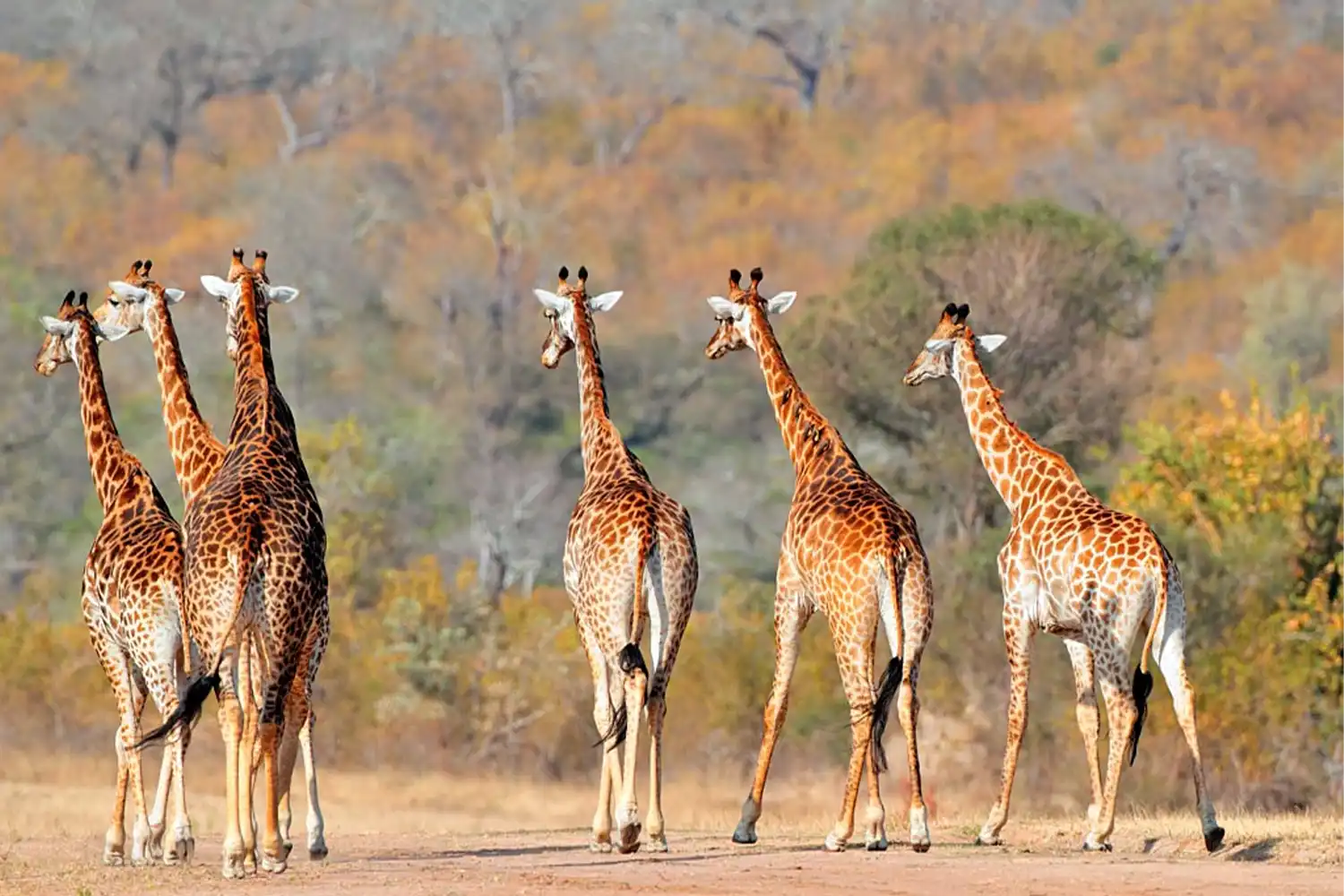
Quick Answer: What Is the Best 6-Day Classic Northern Circuit Route?
For travellers who want the classic four-park experience, the most logical six-day route is Arusha → Tarangire → Lake Manyara → Serengeti → Ngorongoro → Arusha. It fits the geography of northern Tanzania and avoids unnecessary backtracking. The trade-off is time: visiting four protected areas means two Serengeti nights rather than three. If Serengeti depth matters more than park count, remove Lake Manyara and use that day for an extra Serengeti night.
| Planning point | Recommended answer |
|---|---|
| Safari length | 6 days / 5 nights |
| Classic route | Tarangire → Lake Manyara → Serengeti → Ngorongoro Crater |
| Best starting city | Arusha; Moshi is also possible with longer road transfers |
| Serengeti allocation | 2 nights in the four-park version; 3 nights if Lake Manyara is removed |
| Best for | First-time visitors, couples, families and travellers who want varied landscapes |
| Main compromise | More park variety versus deeper Serengeti time |
Why This Is Called Tanzania’s Classic Northern Circuit
The Northern Circuit is Tanzania’s best-known safari corridor because several major protected areas can be connected by road from Arusha. Each stop contributes something different rather than repeating the same landscape. Tarangire is built around a dry-country river system and elephant habitat. Lake Manyara compresses groundwater forest, floodplain and alkaline-lake scenery into a relatively small park. Serengeti provides the largest landscape and the deepest predator-and-plains-game experience. Ngorongoro adds a highland conservation area and the unusually concentrated wildlife of the crater floor.
This variety is the main reason the route works so well for a first safari. You are not simply collecting park names; you are moving through different ecological zones in a logical westbound loop before returning toward Arusha.
These figures are destination-reference data from Tanzania National Parks and UNESCO World Heritage sources. They describe the protected areas, not the distance you will drive during a safari.
6-Day Northern Circuit Safari Itinerary at a Glance
| Day | Route | Main experience | Suggested overnight area |
|---|---|---|---|
| 1 | Arusha → Tarangire | Elephants, baobabs, Tarangire River and dry-country wildlife | Tarangire / Manyara / Karatu area |
| 2 | Lake Manyara | Groundwater forest, Rift Valley scenery, birdlife and floodplain wildlife | Karatu |
| 3 | Karatu → Serengeti | Ngorongoro highlands transit and afternoon Serengeti game drive | Central or seasonally suitable Serengeti |
| 4 | Serengeti | Full-day game drive focused on predators and plains wildlife | Serengeti |
| 5 | Serengeti → Ngorongoro | Morning game viewing followed by transfer to the highlands | Crater rim or Karatu |
| 6 | Ngorongoro Crater → Arusha | Early crater descent, game drive and return to Arusha | Safari ends |
Detailed 6-Day Classic Northern Circuit Safari Itinerary
Day 1: Arusha to Tarangire National Park
Leave Arusha after breakfast and drive southwest toward Tarangire National Park. TANAPA lists the park at 2,850 km², and its river is the ecological anchor of the landscape. During the drier months, wildlife often concentrates around reliable water and the park becomes particularly rewarding for elephant viewing. Baobabs, open grasslands, acacia woodland and seasonal swamps make the scenery immediately different from Arusha’s greener highlands.
A sensible first day prioritises a real game drive rather than racing onward. Depending on your lodge choice, you can sleep near Tarangire, around Mto wa Mbu or in Karatu. Staying farther west can shorten the next day, while sleeping close to Tarangire gives you more time in the park.
If Tarangire is your main wildlife priority, compare the broader 6-day Serengeti, Ngorongoro and Tarangire safari, which gives the three strongest big-game areas more space.
Day 2: Lake Manyara National Park and Karatu
Drive to Lake Manyara for a half-day or extended game drive. TANAPA describes the park as 648.7 km² and places it roughly 125 km from Arusha by road. Its value is not that it is bigger than the other stops; it is that a compact area holds sharply contrasting habitats, including groundwater forest, open floodplain, escarpment scenery and the alkaline lake environment.
Expect monkeys and baboons in forested sections, while elephants, buffalo, giraffe, zebra and other herbivores may appear in more open areas. Birding can be excellent, but flamingo numbers and water levels vary, so they should never be sold as a guaranteed spectacle. TANAPA also notes the park’s association with tree-climbing lions, but sightings remain unpredictable.
After the game drive, continue to Karatu. This is the strategic overnight because it sits between Lake Manyara, Ngorongoro and the road toward Serengeti. Travellers unsure about including this stop should read whether Lake Manyara is worth visiting on a Tanzania safari.
Day 3: Karatu to Serengeti via the Ngorongoro Highlands
Start early, climb into the Ngorongoro highlands and continue west toward Serengeti. This is one of the longer road sectors of the itinerary, so the day should be treated as a transfer with wildlife opportunities rather than marketed as a full Serengeti day. Road conditions, gate procedures, wildlife stops and your exact camp location all change the timing.
Once inside Serengeti, the scale changes dramatically. TANAPA reports an area of 14,763 km², which is why lodge location matters so much. A camp that is excellent in February may be poorly positioned for a July migration-focused trip. For a first-time general safari, Central Serengeti is a strong year-round base because resident predators and plains game do not disappear when the migration moves elsewhere.
The goal is to arrive early enough for an afternoon game drive before reaching camp. Avoid building the day around a promised cheetah, leopard or migration crossing; those are possibilities, not timetable items.
Day 4: Full-Day Serengeti Safari
This is the most important wildlife day of the itinerary and should not be shortened by unnecessary lodge changes. A full day lets your guide respond to current wildlife information, road conditions and animal movement rather than following a rigid checklist.
Serengeti is globally significant for the Great Migration. TANAPA describes movement involving more than 1.5 million wildebeest, while UNESCO describes the Serengeti plains as one of the world’s great natural spectacles. The important planning point is that the herds move through a large ecosystem in response to grass, rainfall and water. “Great Migration safari” therefore means choosing the best likely region for your dates—not promising that a herd or river crossing will appear beside the vehicle.
Outside the migration, Serengeti remains valuable for lion, cheetah, hyena, elephant, buffalo, giraffe, zebra, antelope and, with luck, leopard. Photographers should consider a private vehicle so they can control stops and vehicle position.
Day 5: Serengeti Game Drive and Transfer to Ngorongoro
Use the morning for another Serengeti game drive, then turn east toward the Ngorongoro highlands. This split day is important because it gives you additional wildlife time without creating an exhausting pre-dawn transfer on crater day.
For the overnight, there are two practical strategies. Crater-rim accommodation reduces the distance to the descent road and can deliver dramatic views, but it is usually more expensive. Karatu offers a wider range of lodges and can be better value, though the morning drive to the crater is longer. Your choice should reflect budget and desired pace rather than a claim that one location always produces better wildlife.
Day 6: Ngorongoro Crater Safari and Return to Arusha
Enter the Ngorongoro Conservation Area early and descend into the crater for the final major game drive. UNESCO lists the wider conservation property at 809,440 hectares and recognises it for both natural and cultural significance. The crater floor is only one part of this much larger landscape, but it is the feature most safari visitors come to see.
The appeal is wildlife concentration within a compact basin: buffalo, wildebeest, zebra, gazelle, hyena and lion are frequently encountered, and the crater is one of the Northern Circuit’s better places to search for black rhino. Rhino, leopard and every other wild animal remain unguaranteed. After the game drive and lunch arrangements, ascend and drive back to Arusha. Do not schedule a tight international departure the same evening unless the flight timing has been checked carefully.
Four Parks in Six Days: Is the Pace Too Fast?
It is active but realistic. The four-park route works because Tarangire, Lake Manyara, Ngorongoro and the road into Serengeti form a connected corridor. The main pressure point is Serengeti time. Two nights give you one full game-drive day plus useful arrival and departure viewing, but they do not give much flexibility for exploring multiple Serengeti regions.
For travellers who want maximum wildlife depth, we would normally recommend a three-park variation: Tarangire, Serengeti and Ngorongoro, with the Lake Manyara day moved to Serengeti. The dedicated 6-day luxury Northern Circuit safari can also be structured around this slower approach.
| 6-day version | Best for | Main advantage | Main compromise |
|---|---|---|---|
| Four parks: Tarangire + Manyara + Serengeti + Ngorongoro | First-time visitors who value variety | Four distinct ecosystems | Usually only two Serengeti nights |
| Three parks: Tarangire + Serengeti + Ngorongoro | Wildlife lovers and photographers | More Serengeti depth | No Lake Manyara stop |
| Serengeti + Ngorongoro focus | Migration-focused travel | Maximum time in the largest wildlife areas | Less landscape variety |
Verified Wildlife and Tourism Numbers That Add Useful Context
Numbers are useful only when they help you plan. These are the figures that materially explain why the Northern Circuit needs careful time allocation:
- 14,763 km²: TANAPA’s stated area for Serengeti National Park. This is why one lodge cannot be “close to everything.”
- More than 1.5 million wildebeest: TANAPA’s description of the Great Migration scale. The animals are not stationary, so seasonal camp location matters.
- 2,850 km²: Tarangire National Park, a substantial dry-country ecosystem centred on the Tarangire River.
- 648.7 km²: Lake Manyara National Park, showing why it works well as a compact one-day contrast to the larger parks.
- 809,440 hectares: UNESCO’s stated size for the wider Ngorongoro Conservation Area.
- 2,141,895 international arrivals in 2024: Tanzania’s National Bureau of Statistics reported this national figure, up 18.5% from 2023. Tourism earnings were reported at USD 3.9031 billion in 2024.
Best Time for a 6-Day Northern Circuit Safari
There is no single month that is best for every traveller. A better answer is to match your priorities to seasonal conditions and then place the Serengeti nights in the most useful region for that period.
| Period | What it can offer | Planning note |
|---|---|---|
| January–February | Green landscapes and southern Serengeti/Ndutu calving-season interest | Use seasonal southern accommodation if migration is the priority |
| March–May | Greener scenery, birding and often fewer vehicles | Rain can affect road conditions and daily timing |
| June–October | Drier conditions and strong general wildlife viewing | Popular areas can be busy; migration position changes through the season |
| November–December | Short-rain greenery and changing herd movements | Weather patterns vary; keep the itinerary flexible |
The Great Migration should never be sold as a fixed monthly appointment. Historical patterns guide planning, but rain can move grazing conditions earlier or later.
How Much Does a 6-Day Classic Northern Circuit Safari Cost?
There is no responsible single price for every six-day safari. The final amount changes with the travel month, number of guests sharing the vehicle, park and concession fees, lodge location, room type, whether the safari is private or shared, and whether domestic flights or premium activities are added.
Instead of relying on a generic headline price, ask for a written quotation that clearly identifies the vehicle arrangement, accommodation names or category, meal plan, park fees, Ngorongoro charges, transfers, drinking water, taxes and excluded optional activities. Travellers comparing formats can review the 6-day private Tanzania safari, the 6-day sharing safari and the 6-day luxury Tanzania safari packages.
What Should Be Included in the Package?
A well-written quotation should make the core services easy to verify. In most Northern Circuit road safaris, the main package items are:
- Safari transport in an appropriate 4x4 vehicle with game-viewing roof configuration.
- A professional driver-guide for the confirmed itinerary.
- Park and conservation fees included in the quotation unless clearly stated otherwise.
- Five safari nights in the agreed accommodation category.
- Meals according to the confirmed lodge or camp plan.
- Drinking water during game-drive days as stated in the quotation.
- Arusha pickup and return arrangements when included in the package.
International flights, visas, travel insurance, gratuities, alcoholic drinks, balloon safaris and personal expenses are commonly handled separately unless your quote specifically includes them.
Private, Sharing or Luxury: Which Safari Style Fits This Route?
Private safari
A private vehicle gives the best control over daily departure time, wildlife stops and photography. It is particularly useful for families, couples and photographers. The cost per person usually improves as more travellers share the same vehicle.
Sharing safari
A sharing departure can reduce the per-person cost, but the route, luggage, pickup points and accommodation plan are less flexible. Confirm that the advertised departure truly follows the same six-day route before comparing it with a private itinerary.
Luxury safari
Luxury should improve location, service and comfort rather than merely add an expensive room. The biggest practical upgrade is often a well-positioned Serengeti camp that reduces daily transfer time. Compare the dedicated 6-day luxury Northern Circuit option if premium accommodation is your priority.
Starting From Arusha vs Moshi
Arusha is the most efficient road start because it is closer to the western safari corridor. Moshi is still practical, especially after Kilimanjaro, but it adds road time on the first and final days. If you are already staying in Moshi, there is no reason to move hotels simply for the label “Arusha start”; the itinerary can be adjusted around your actual location.
For a city-specific version, compare the 6-day Northern Circuit safari from Arusha with the same four-park route from Moshi.
Common Mistakes That Make a 6-Day Safari Feel Rushed
- Counting international arrival day as a full safari day. A late JRO arrival should normally have a separate pre-safari night.
- Adding extra parks just because they fit on a map. Lake Eyasi, Lake Natron and Arusha National Park may be excellent, but not all belong in the same six-day itinerary.
- Changing Serengeti camps too often. Moving camps can consume the game-drive time you came for.
- Choosing accommodation by star label alone. Location can matter more than room size on a short safari.
- Promising migration crossings or Big Five sightings. Wildlife is not scheduled.
- Booking a tight flight after Ngorongoro on Day 6. Road and wildlife days do not always finish at an exact minute.
Is This the Right 6-Day Tanzania Safari for You?
Choose the four-park classic route if this is your first safari and you want to understand how different northern Tanzania’s ecosystems can feel within one trip. It is especially strong for couples, families and travellers combining safari with Kilimanjaro or Zanzibar.
Choose a slower three-park route if your priority is serious photography, a seasonal migration area or simply spending more time watching animal behaviour rather than changing destinations. For more alternatives, browse the wider Tanzania safari packages or the Serengeti-focused 6-day Serengeti safari.
Plan the Route Around Your Travel Month
The strongest six-day safari is the one that matches your dates, arrival city, preferred accommodation level and wildlife priorities. Jaynevy Tours can keep the classic four-park route, remove Lake Manyara for more Serengeti time, or build the trip from Moshi after a Kilimanjaro climb. Ask for the final route and all inclusions in writing before payment.
Research Notes and Primary Sources
This article uses official destination and tourism references for numerical facts. Driving times and day structure are operational planning estimates and can change because of traffic, road condition, gate procedures, weather, wildlife stops and lodge location.
- Tanzania National Parks — Tarangire National Park
- Tanzania National Parks — Lake Manyara National Park
- Tanzania National Parks — Serengeti National Park
- UNESCO World Heritage Centre — Ngorongoro Conservation Area
- Tanzania National Bureau of Statistics — Tourism statistics
Frequently Asked Questions
Is 6 days enough for Tanzania’s Northern Circuit?
Yes. Six days and five nights are enough for a classic road safari through Tarangire, Lake Manyara, Serengeti and Ngorongoro if you accept a fairly active pace. The strongest four-park version normally gives two Serengeti nights. Travellers who want more Serengeti depth should skip Lake Manyara and use that day for a third Serengeti night.
What parks are included in a classic 6-day Northern Circuit safari?
The classic four-park route includes Tarangire National Park, Lake Manyara National Park, Serengeti National Park and the Ngorongoro Conservation Area, with a crater game drive on the final safari day.
How many nights should I spend in Serengeti on a 6-day Northern Circuit safari?
Two Serengeti nights fit naturally into a six-day four-park itinerary. Three nights are better for photography, migration-focused travel and travellers who prefer depth over park count; in that case, Lake Manyara is usually the first park to remove.
Can I see the Big Five on this 6-day safari?
The route gives realistic opportunities for lion, elephant, buffalo and leopard, while black rhino is most often searched for in the Ngorongoro Crater area. Wildlife is free-ranging, so no operator can guarantee all five species on a particular trip.
What is the best time for a 6-day Northern Circuit safari?
The Northern Circuit works year-round. June to October is generally drier, January and February are important for southern Serengeti calving-season travel, and the greener months can offer dramatic landscapes, birding and fewer vehicles. Migration location depends on rainfall and cannot be fixed to an exact date.
Should I include Lake Manyara or spend longer in Serengeti?
Include Lake Manyara if you value habitat variety, Rift Valley scenery, groundwater forest and birdlife. Choose an extra Serengeti night if wildlife depth, photography or migration tracking matters more than visiting four different protected areas.
Can this safari start from Moshi instead of Arusha?
Yes. A Moshi start is practical, but Day 1 and the final return are longer than from Arusha. Jaynevy Tours has a dedicated six-day Tarangire, Manyara, Serengeti and Ngorongoro itinerary from Moshi for travellers based near Kilimanjaro.
Can I book this as a private, sharing or luxury safari?
Yes. The route can be arranged as a private safari, selected sharing departure or luxury safari. Accommodation location, vehicle arrangement, season and group size change the final price, so the confirmed inclusions should appear in a written quotation.