
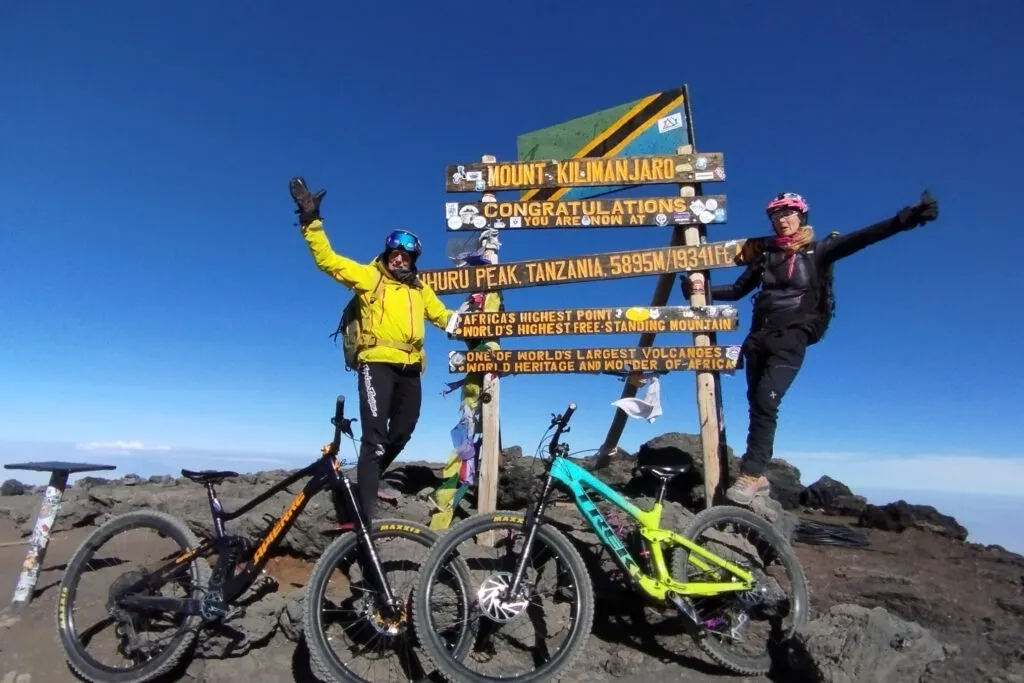
Why Choose the Kilema Route for Biking Kilimanjaro
If your goal is to bike and hike to Kilimanjaro’s summit, the Kilema Route is your only option. Unlike other trekking paths, this route allows for mountain bike access all the way to the peak, providing a thrilling and unique perspective of the mountain’s landscapes.
Unique Mountain Biking Experience
The Kilema Route features technical trails, scenic descents, and bike-friendly climbs, making it perfect for adventurers seeking both fitness challenges and adrenaline. You’ll pedal through untouched forest paths, cross alpine meadows, and enjoy open ridgelines with sweeping views of Kilimanjaro’s glaciers.
Spectacular Landscapes & Photography Opportunities
From the lush rainforest floor to the high moorlands, every section of the Kilema Route offers photography hotspots. Capture morning sunrises filtering through misty forests, panoramic views of the Shira Plateau, and the majestic summit crowned with ice fields.
Fewer Crowds, More Adventure
Unlike Machame or Marangu routes, Kilema sees fewer hikers and bikers, allowing a more peaceful, private experience. It’s ideal for travelers who want to combine intense adventure with natural serenity.
Detailed 6-Day Kilimanjaro Bike Tour Itinerary
Day 1 – Arrival & Preparation
Your Kilimanjaro Bike Trek begins when you arrive at Moshi town or Kilimanjaro International Airport. Our team will welcome you and transfer you to your lodge for check-in.
The afternoon is dedicated to: bike fitting & safety briefing, route orientation and summit strategy, light exercises and stretching tips. This is the perfect time to meet your guides, inspect your bike, and mentally prepare for the adventure ahead. A comfortable night’s rest ensures you’re ready for the first biking segment.
Day 2 – Trekking to Lower Kilema Base
The first day on the mountain blends biking with scenic hiking. You will leave early in the morning to reach the lower Kilema base camp, passing through lush rainforest trails, coffee plantations, and banana groves.
Highlights: Mountain biking sections through forested paths, cultural interactions in small Chagga villages, acclimatization gentle hikes, scenic stops for photography and rest. By evening, you’ll reach the base camp, enjoy a hearty dinner, and get your first taste of mountain life at a higher elevation.
Day 3 – Kilema Base to Horombo Area (Biking & Hiking)
Day 3 is one of the most exciting days of the tour, blending mountain biking and hiking through changing ecological zones. After breakfast, you’ll begin your journey toward the Horombo area, transitioning from rainforest into heath and moorland landscapes.
What to Expect: Rideable trails with gradual climbs and rocky sections, biking through open moorlands with wide mountain views, short hiking segments where biking becomes unsafe or impractical, regular rest stops for hydration and altitude checks. This day is carefully paced to ensure proper acclimatization. By late afternoon, you’ll arrive at your camp for relaxation, a warm meal, and peaceful surroundings.
Day 4 – Horombo Area to Kibo Base (High-Altitude Trekking Focus)
Day 4 is critical for summit preparation. While biking is limited due to terrain and altitude, this day focuses on strategic hiking and acclimatization.
The landscape becomes more rugged with volcanic rocks, alpine desert terrain, and sweeping views of Kilimanjaro’s upper slopes. Highlights include acclimatization-focused hiking pace, stunning views of Mawenzi Peak, increased altitude awareness, and final bike checks. Upon reaching Kibo Base Camp, rest early, hydrate, and receive a detailed summit briefing.
Day 5 – Summit Attempt via the Kilema Route (Hiking & Biking Combined)
Summit day begins before midnight under a sky full of stars. This is the most challenging and rewarding day — and the reason this adventure is truly unique.
Thanks to the Kilema Route, mountain bikes can be used for specific summit sections. Experience: Early morning ascent with headlamps, strategic hiking on steep sections, mountain biking where terrain allows, expert guidance for altitude and fatigue management, arrival at Uhuru Peak (5,895m)—Africa’s highest point. After celebrating, descend to a lower altitude for recovery.
Day 6 – Descent, Celebration & Departure
The descent is faster and more enjoyable, with long biking sections flowing through the landscape. Highlights: Extended downhill biking, lush scenery returns, final interactions with crew, celebration lunch and certificate of achievement. By afternoon, transfer back to Moshi or Arusha for hot showers and relaxation.
What Makes This Kilimanjaro Bike Tour Truly Unique
This is not just another Kilimanjaro climb—it’s a pioneering adventure that blends endurance, skill, and exploration.
- Only Route That Allows Biking to the Summit: The Kilema Route stands alone as the only Kilimanjaro route accessible by mountain bike.
- Balanced Hiking & Biking Design: Maximizes rideable terrain while prioritizing safety and summit success.
- Expert Local Guides & Support Crew: Experienced mountain guides, bike technicians, and porters ensure bike safety, health monitoring, and ethical tourism.
Safety & Preparation Tips for the Kilimanjaro Bike Tour
Physical Preparation
- Strong cardiovascular fitness
- Experience with off-road mountain biking
- Ability to hike at altitude
Bike & Gear Essentials
- High-quality mountain bike with strong brakes
- Helmet, gloves, and protective gear
- Layered clothing for extreme weather changes
Altitude Awareness
- Follow your guide’s pace recommendations
- Stay hydrated and well-nourished
- Communicate any discomfort immediately
What’s Included in the 6-Day Kilimanjaro Bike Tour
- Park fees, camping fees, and conservation charges
- Professional Kilimanjaro bike & mountain guides
- Dedicated bike technician throughout the trek
- Porters and support crew for gear and logistics
- Quality mountain bike support (basic spares & tools)
- All meals on the mountain (breakfast, lunch, dinner)
- Clean drinking water during the trek
- Emergency oxygen and first-aid kits
- Camping equipment (tents, mattresses, dining tent)
- Airport or hotel transfers (Moshi/Arusha)
- Summit certificate upon successful completion
What’s Not Included
- International and domestic flights
- Personal mountain bike (can be rented upon request)
- Personal biking gear (helmet, gloves, cycling shoes)
- Travel insurance (mandatory)
- Tips for guides, porters, and crew
- Personal expenses (snacks, souvenirs, laundry)
The Honest Price of the Kilimanjaro Bike Tour
The cost reflects its exclusive nature, specialized logistics, and expert support. Why This Tour Costs More Than a Standard Trek: Specialized biking permissions via the Kilema Route, additional safety staff and bike technicians, extra equipment and logistics for mountain biking, smaller group sizes for safety and quality control.
Pricing typically starts from $2,000 and can go up to $2,200+ per person depending on group size, bike rental needs, travel season, and level of customization.
Contact us for an exact quote tailored to your travel dates and group size.
Best Time to Book the Kilimanjaro Bike Tour
Timing plays a major role in your success and enjoyment.
Best Months for Biking Kilimanjaro
- January – March: Clear skies, fewer crowds, cooler summit conditions
- June – October: Dry season, best trail conditions, excellent visibility
Months to Avoid
- April – May: Heavy rains make trails slippery and unsafe for biking
- November: Short rains may affect ride quality
Booking early ensures permit availability for the Kilema Route, best guide allocation, and optimal preparation time.
Who Is This Kilimanjaro Bike Tour Best For?
This tour is ideal for experienced mountain bikers seeking a high-altitude challenge, adventurers looking for a unique summit experience, physically fit travelers comfortable with multi-day endurance, and cyclists wanting to combine hiking, biking, and exploration.
Not recommended for beginners with no off-road biking experience, travelers uncomfortable with high altitude, or those seeking a relaxed climb.
Preparation Checklist for Success
Physical Training
- Long-distance cycling and hill training
- Strength training for legs and core
- Practice riding with loaded bikes
Mental Preparation
- Altitude patience is key
- Follow guide instructions at all times
- Focus on steady progress, not speed
Recommended Gear
- High-quality mountain bike (hardtail or full suspension)
- Helmet, knee pads, cycling gloves
- Thermal layers and waterproof outerwear
- Cycling shoes with good grip
Responsible & Ethical Mountain Biking on Kilimanjaro
We are committed to sustainable and ethical adventure tourism: Fair porter wages and proper equipment, Leave No Trace principles, controlled trail use to minimize environmental impact, support for local communities around Kilimanjaro. By choosing this tour, you support responsible tourism while enjoying a world-class adventure.
Frequently Asked Questions (Quick Answers)
Can you really bike to the top of Kilimanjaro? Yes. The Kilema Route is the only route that allows mountain biking access to the summit.
Do I need my own bike? You may bring your own or rent a high-quality mountain bike locally.
Is altitude sickness a risk? Yes, as with all Kilimanjaro climbs. Our itinerary prioritizes acclimatization and safety.
How fit do I need to be? You should have strong cycling endurance and be comfortable hiking at altitude.
Book Your 6-Day Kilimanjaro Bike Tour Today
This is not just a climb—it’s a historic, once-in-a-lifetime adventure. Biking and hiking to the summit of Mount Kilimanjaro via the Kilema Route places you among a rare group of adventurers who dared to do something extraordinary.
Limited departures. Expert support. Proven route.
Contact us today to check availability, receive a personalized quote, and begin your journey to the roof of Africa—by bike.
Book your 6-Day Kilimanjaro Bike Tour today! Contact us via email at jaynevytours@gmail.com or WhatsApp at +255 678 992 599.