
7-Day Serengeti Camping Safari
Our 7-day Serengeti camping safari combines game drives in Ngorongoro, the Serengeti and Lake Manyara with six nights at public or designated campsites. We arrange your safari vehicle and driver-guide, camping equipment, campsite accommodation, meals, drinking water, park entry and road transfers from and back to Arusha. The price of this 7-day Serengeti camping safari starts from USD 1,500 per person. Northern Serengeti routing is seasonal and wildlife sightings cannot be guaranteed. The final package price and confirmed inclusions are provided in your written quotation.
7-Day Serengeti Camping Safari at a Glance
This close-to-nature safari is built around extended wildlife viewing, practical public-campsite accommodation and an overland route through three northern Tanzania destinations. It suits travelers who prefer spending their budget on park time and a guided safari rather than lodge-style facilities.
| Duration | 7 days and 6 nights |
|---|---|
| Starting and finishing point | Arusha, subject to your confirmed transfer plan |
| Destinations | Ngorongoro, Serengeti and Lake Manyara |
| Accommodation | Public or designated campsites with shared facilities |
| Safari style | Road safari with private or shared arrangements as quoted |
| Meals | Meals prepared during the safari as stated in your itinerary |
| Starting price | USD 1,500 per person |
| Key limitation | Wildlife, migration events and river crossings are never guaranteed |
How Much Does the 7-Day Serengeti Camping Safari Cost?
The price of our 7-day Serengeti camping safari starts from USD 1,500 per person. The final price depends on your travel dates, party size, private or shared vehicle arrangement, campsite routing, park-charge changes, pickup and drop-off points, equipment needs and requested upgrades.
The starting price applies only to the service combination confirmed for your booking. We provide the final package price, payment schedule and exact inclusions in a written quotation before you confirm.
Who This Serengeti Camping Safari Suits
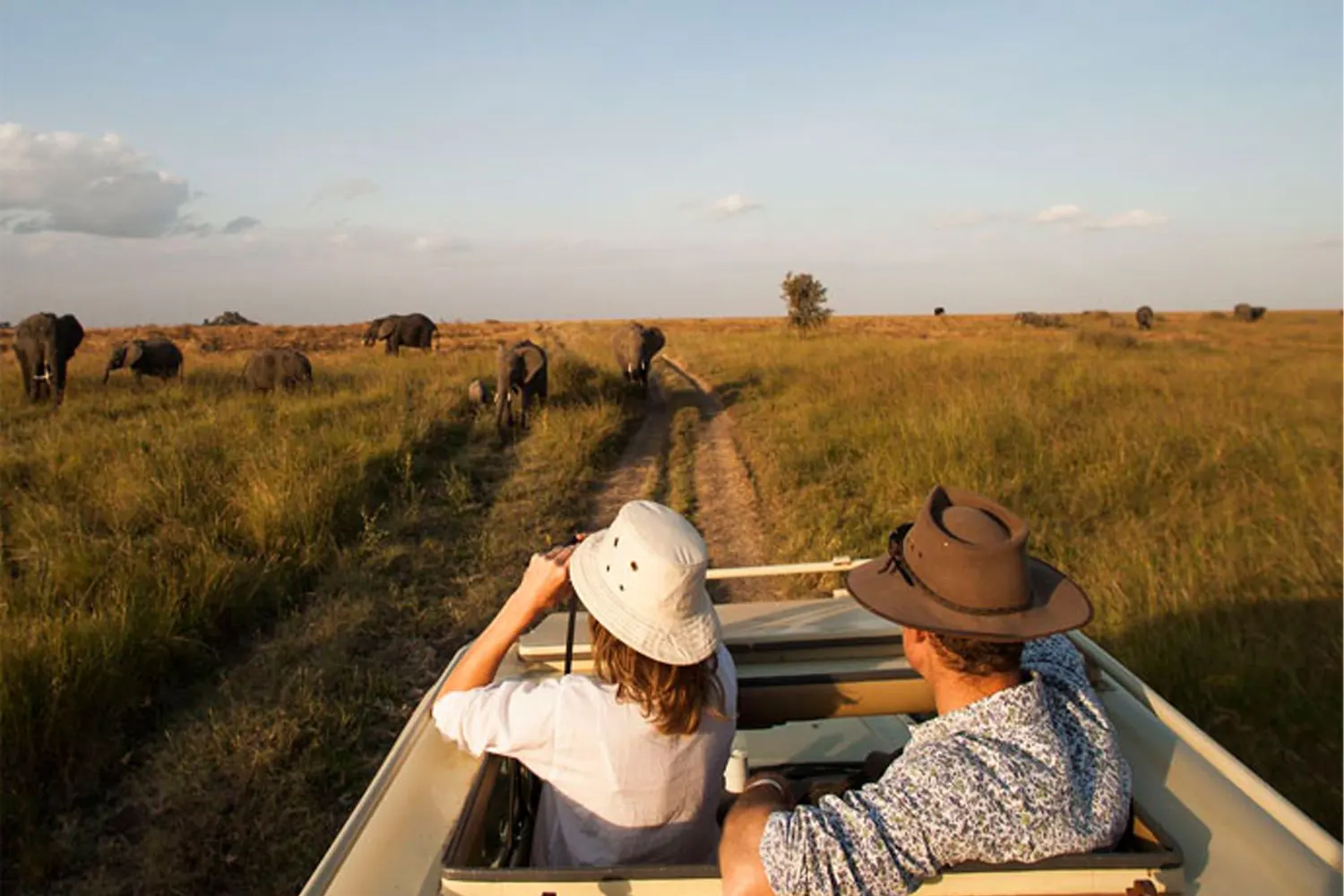
This package is best for active, adaptable travelers who accept simple campsite facilities in exchange for more time inside or near the wildlife areas. It works well for adventurous couples, friends, solo travelers and small groups who are comfortable with early departures, dusty roads and changing temperatures.
- Choose this safari if you are comfortable sleeping in a canvas tent and using shared washrooms.
- Choose it if wildlife viewing and value are more important than permanent beds or private bathrooms.
- Discuss alternatives with us if you have limited mobility, require uninterrupted electricity or need lodge-level comfort.
- Families should confirm tent arrangements, child suitability and shared-safari conditions before booking.
What Is the Public-Campsite Experience Like?
Public-campsite accommodation is practical and close to nature. Camps are generally unfenced, washroom facilities are shared, electricity may be limited and wildlife can sometimes be heard or seen nearby. We arrange the tents, meals and camp logistics specified in your quotation.
Your exact setup—including tent occupancy, mattresses, sleeping bags, chairs, lighting and the presence of a safari cook—must be confirmed in writing. Keep food outside your tent, close it securely and follow your guide's instructions whenever moving around camp, especially after dark.
7-Day Serengeti Camping Safari Itinerary
The route gives two days to Ngorongoro, three days to the Serengeti and a Lake Manyara finish. We adjust the Serengeti sector to the season rather than forcing a northern route throughout the year. The final itinerary confirms campsites, daily routing and whether any day involves shared services.
Day 1: Arusha to Ngorongoro Crater
Leave Arusha after breakfast and drive to the Ngorongoro Conservation Area. After entry procedures, descend into the crater for an afternoon game drive and picnic lunch at a designated site. Later, ascend to the confirmed public campsite for tent setup, dinner and overnight. The day starts early because road travel and crater access take time.
Day 2: Full-Day Ngorongoro Crater Game Drive
After an early camp breakfast, return to the crater for a longer game drive through grassland, woodland and wetland habitats. Your guide looks for wildlife based on current conditions, but no species is guaranteed. Return to the campsite or the next confirmed overnight location for dinner.
Day 3: Ngorongoro to Central Serengeti
Travel from the highlands toward Serengeti National Park. After park entry, continue with a game drive across the plains toward the Seronera area or another confirmed sector. A packed lunch is normally used to protect wildlife-viewing time. Dinner and overnight are at a designated Serengeti public campsite.
Day 4: Serengeti Game Drive or Seasonal Northern Serengeti Route
Spend the day exploring the sector best suited to your travel period. A northern Serengeti route may be used during the usual Mara River migration season, but it requires long driving and a northern campsite. River crossings happen unpredictably and may not occur during your visit. Outside that period, we normally focus on central or another seasonally relevant area.
Day 5: Serengeti Wildlife Viewing
Begin with an early game drive, when temperatures are cooler and wildlife may be more active. Continue through central Serengeti or return from the seasonal northern route, stopping according to sightings and road conditions. Overnight at the campsite named in your final itinerary.
Day 6: Serengeti to the Lake Manyara Area
Leave the Serengeti after breakfast or a short morning game drive and travel through the Ngorongoro highlands toward Lake Manyara. This is a substantial transit day; journey time varies with road conditions, wildlife stops and gate procedures. Camp outside or near the park according to the confirmed plan.
Day 7: Lake Manyara Game Drive and Return to Arusha
Enter Lake Manyara for a morning game drive through groundwater forest, woodland and lakeshore habitats when accessible. Tree-climbing lions and flamingos may be seen but are not guaranteed. After lunch arrangements shown in your itinerary, return to Arusha for hotel drop-off. An evening departure or extra Arusha night is safer than a tight flight connection.
Wildlife and Great Migration Expectations
This route crosses habitats where lion, elephant, buffalo, giraffe, zebra, wildebeest, hyena and many other animals may occur. Leopard and rhinoceros sightings are less predictable, and seeing every member of the Big Five cannot be guaranteed.
The Great Migration moves through the wider Serengeti ecosystem in response to rainfall and grazing. A northern Serengeti route is most relevant during the usual river-crossing period, but crossings do not follow a timetable. At other times, we may prioritize central, southern or western areas according to the season and confirmed campsite availability.
Best Time for a Serengeti Camping Safari
The safari can be planned in different months, but the best period depends on your wildlife priorities and tolerance for weather and road conditions. Drier months usually provide firmer roads and cooler nights, while greener months can offer dramatic landscapes, seasonal birdlife and fewer dusty conditions.
| Travel period | Typical conditions | Planning guidance |
|---|---|---|
| June to October | Generally drier, cool mornings and busy wildlife areas | Book campsites early; northern routing may suit part of this period |
| November to December | Short rains may create greener scenery and variable roads | Pack rain protection and keep routing flexible |
| January to March | Warm conditions; migration focus may shift south | Ask us to position the Serengeti nights seasonally |
| April to May | Longer rains, fewer visitors and possible road disruption | Confirm campsite access and accept itinerary changes |
Serengeti Camping Safari Safety and Camp Rules
Camping in wildlife areas requires greater awareness than staying in a fenced town hotel. Your guide leads camp-safety decisions, and park rules apply at all times. Never approach animals, feed wildlife or leave the designated campsite area without approval.
- Keep tents zipped closed and do not store food or scented waste inside.
- Use a torch after dark and ask the guide before walking around camp.
- Tell us about allergies, medical conditions, mobility needs and dietary restrictions before departure.
- Carry suitable travel insurance; medical treatment and evacuation are not automatically included.
- Follow instructions during game drives and remain inside the vehicle unless your guide confirms otherwise.
What to Pack for a 7-Day Camping Safari
Pack light, practical layers for warm afternoons, cool mornings and possible rain. Soft-sided luggage is easier to fit into a safari vehicle than rigid suitcases. Confirm whether your sleeping bag and personal towel are included before departure.
- Neutral-colored, lightweight clothing and a warm evening layer
- Closed shoes, sandals for camp and comfortable socks
- Sun hat, sunglasses, sunscreen and reusable water bottle
- Headlamp or torch with spare batteries
- Insect repellent, personal medicines and basic toiletries
- Camera protection, power bank and binoculars if available
What's Included and Excluded in the Camping Package
Your written quotation confirms the exact services included in your package. The standard arrangement can cover the core camping, transport, guiding, meal and park-entry services below, while personal and optional costs remain separate.
What's Included in the Camping Safari
- Six nights at public or designated campsites
- Camping equipment specified in your quotation
- Meals prepared during the safari and drinking water
- Safari vehicle and professional driver-guide
- Game drives in Ngorongoro, Serengeti and Lake Manyara
- Arusha pickup and return transfer as confirmed
- Park, conservation and campsite fees listed in the quotation
- Government taxes applying to the confirmed services
What's Not Included
- International and domestic flights
- Tanzania visa costs and travel insurance
- Tips for the driver-guide, cook and campsite staff
- Sleeping bag or personal equipment unless listed as included
- Personal purchases, alcoholic drinks and laundry
- Optional activities such as a Serengeti balloon flight
- Extra accommodation, transfers and itinerary changes
- Medical expenses and evacuation cover unless confirmed in writing
How to Book Your Serengeti Camping Safari
Send us your travel dates, party size, preferred pickup point, room or tent-sharing needs, dietary requirements and whether you want a private or shared safari. We then check campsite and vehicle availability and issue a written quotation with the route, services and payment terms.
- Submit the booking form or contact Jaynevy Tours with your trip details.
- Review the written itinerary, campsite setup, inclusions and exclusions.
- Request any seasonal route or comfort adjustments before confirmation.
- Confirm the package using the payment terms stated in your quotation.
Frequently Asked Questions About the 7-Day Serengeti Camping Safari
How much does the 7-day Serengeti camping safari cost?
The price of our 7-day Serengeti camping safari starts from USD 1,500 per person. Your final quotation depends on travel dates, group size, private or shared arrangements, campsite plan, pickup point, park charges and any requested upgrades.
Can I see the Great Migration on this camping safari?
You may encounter migrating herds when the itinerary, season and current wildlife location align, but migration movement and river crossings cannot be guaranteed. Northern Serengeti routing is most relevant during the usual river-crossing period and adds considerable driving.
Can I see the Big Five during the seven days?
The itinerary covers habitats where lion, leopard, elephant, buffalo and rhinoceros may occur, but seeing all five is never guaranteed. Rhinoceros and leopard sightings can be especially unpredictable.
Is it safe to camp in Serengeti National Park?
Public-campsite safaris require strict wildlife awareness because camps are not necessarily fenced. Follow your guide's instructions, use designated facilities, keep tents closed, never store food inside your tent and do not walk away from camp without approval.
What is the camping experience like?
This is a practical public-campsite safari with tents, shared campsite facilities and meals prepared during the tour. Comfort and facility standards differ from lodges or permanent tented camps, so travelers should expect close-to-nature accommodation and limited amenities.
How do I book the 7-day camping safari?
Send Jaynevy Tours your preferred dates, number of travelers, pickup point, dietary needs and whether you prefer private or shared arrangements. We will confirm availability and provide a written quotation with the itinerary, camping setup, inclusions and payment terms.