
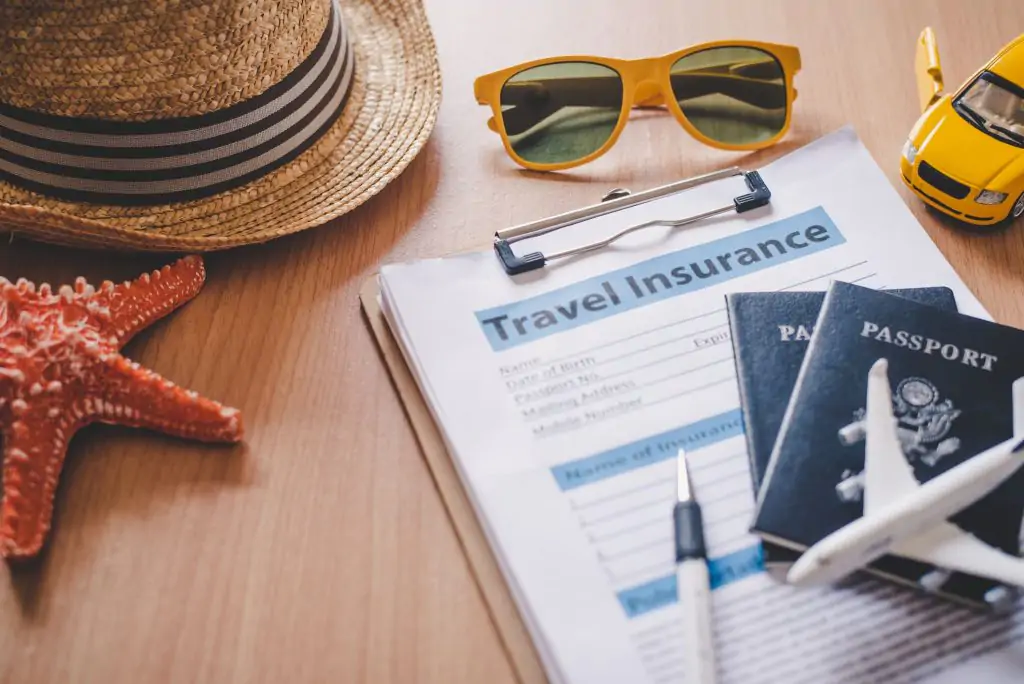
Why Travel Insurance Matters for First-Time Travelers
Your regular health plan usually stops at the border, leaving you exposed to high medical bills abroad – sometimes $10,000+ for a hospital visit. Add trip costs (flights, hotels, tours) that are often non-refundable, and the risks add up fast. Good news: solid travel insurance typically costs just 4-10% of your trip total and covers emergencies, cancellations, and more. Beginners who get it right enjoy peace of mind and real financial protection.
Quick Comparison: Key Coverage Types for Beginners
| Coverage Type | What It Protects | Recommended Minimum | Typical Cost Impact |
|---|---|---|---|
| Emergency Medical | Illness/injury abroad | $50,000–$100,000 | Core of most plans |
| Medical Evacuation | Transport home if needed | $250,000–$500,000 | Essential for remote areas |
| Trip Cancellation | Non-refundable costs if you cancel | 100% of trip cost | Highest if prepaid heavily |
| Baggage Loss/Delay | Lost or delayed luggage | $1,000–$2,000 | Useful for checked bags |
| Trip Interruption | Cutting trip short | 100–150% of trip cost | Good for emergencies |
9 Essential Travel Insurance Tips for First-Time Travelers
1. Buy Early – Ideally Right After Booking
The golden rule for beginners: purchase travel insurance as soon as you make your first non-refundable payment (flight or tour deposit). Buying within 14-21 days often unlocks pre-existing condition waivers and cancel-for-any-reason (CFAR) options. Waiting until close to departure limits benefits and risks denied claims for known events.
2. Understand Your Regular Insurance Doesn't Cover Abroad
Many first-timers assume their health plan works overseas – it usually doesn't, or only minimally. Domestic policies rarely cover international medical costs or evacuations. Prioritize a standalone policy with strong emergency medical coverage to avoid surprise bills that can reach tens of thousands.
3. Read the Fine Print and Know Exclusions
Policies vary wildly. Check for exclusions like adventure activities (hiking, scuba), pre-existing conditions without waiver, or pandemics. Look at payout limits, deductibles, and what's actually covered – like whether baggage includes electronics or sports gear. Skipping this step is a top beginner mistake.
4. Prioritize Medical and Evacuation Coverage
For first-time international trips, focus on at least $50,000–$100,000 in emergency medical and $250,000+ in evacuation. These protect against the biggest financial risks – hospital stays or emergency flights home – especially in destinations with high care costs or remote areas.
5. Disclose Pre-Existing Conditions Honestly
Don't hide health issues to save money. Many plans waive pre-existing conditions if bought early. Failing to disclose can void coverage entirely for related claims. Be upfront during purchase to ensure protection.
6. Compare Policies Using Trusted Sites
Use comparison tools like Squaremouth, InsureMyTrip, or provider sites (Allianz, Travelex, World Nomads) to see side-by-side quotes. Input your trip details (cost, dates, ages, destinations) for accurate options. Don't just pick the cheapest – match coverage to your needs.
7. Consider Your Trip Risks and Add-Ons Wisely
High-risk activities? Add adventure coverage. Expensive prepaid trip? Opt for CFAR (extra cost but flexible). Short domestic getaway? Basic plan may suffice. Tailor to your itinerary – over-insuring wastes money, under-insuring leaves gaps.
8. Keep Policy Details Accessible
Save digital copies on your phone and print a hard copy. Note the emergency assistance number (many offer 24/7 help). In a crisis, quick access speeds claims and support – a small step that makes a big difference.
9. Review and Cancel If Needed During Look-Back Period
Most policies give 10-15 days (free look period) to review and cancel for a full refund if you haven't started the trip or filed a claim. Read everything upon receipt – adjust or switch if it doesn't fit.
Quantitative Insights: Real Costs and Coverage Stats
- Average Cost: 4-10% of trip total (e.g., $80–$200 for a $2,000 trip in 2026).
- Medical Claims: Often the highest – hospital stays abroad average $10,000–$50,000 without coverage.
- Cancellation Payouts: Up to 100% of prepaid costs if covered reason (illness, weather, etc.).
- Early Purchase Benefit: 14-21 day window adds waivers worth thousands for pre-existing issues.
- Beginner Savings: Proper insurance prevents out-of-pocket losses averaging $1,000–$5,000 per incident (industry reports).
Common Pitfalls First-Time Travelers Face
Waiting too late, chasing the lowest price without checking details, assuming credit card perks are sufficient (they're often limited), and not understanding exclusions lead to most denied claims. Take time to compare and ask questions – it's worth it for worry-free travel.
Ready to Book Your First Trip with Confidence?
With these travel insurance tips for first-time travelers, you're set to protect your adventure. At Jaynevy Tours, we help beginners plan safe, exciting trips to Tanzania – from Serengeti safaris to Kilimanjaro climbs and Zanzibar beaches. Contact us for personalized itineraries and advice!
Frequently Asked Questions
Why do first-time travelers need travel insurance?
Your regular health insurance often doesn't cover you abroad, and unexpected issues like medical emergencies, cancellations, or lost baggage can cost thousands. Travel insurance protects your investment and provides peace of mind.
When is the best time to buy travel insurance as a beginner?
Buy as soon as you make your first non-refundable trip payment – ideally within 14-21 days – to qualify for pre-existing condition waivers and maximum benefits like cancel-for-any-reason coverage.
How much does travel insurance cost for first-time travelers?
Typically 4-10% of your total prepaid trip cost. For a $2,000 trip, expect $80–$200 depending on coverage level, age, destination, and add-ons (2026 averages from providers like Allianz and Squaremouth).
What coverage should first-time travelers prioritize?
Focus on emergency medical (at least $50,000–$100,000), medical evacuation, trip cancellation/interruption, and baggage loss/delay. Skip overkill on high limits if your trip is low-risk.
What are common mistakes first-time travelers make with insurance?
Waiting too long to buy, choosing the cheapest policy without checking exclusions, not disclosing pre-existing conditions, skipping the fine print, and assuming credit card coverage is enough.