
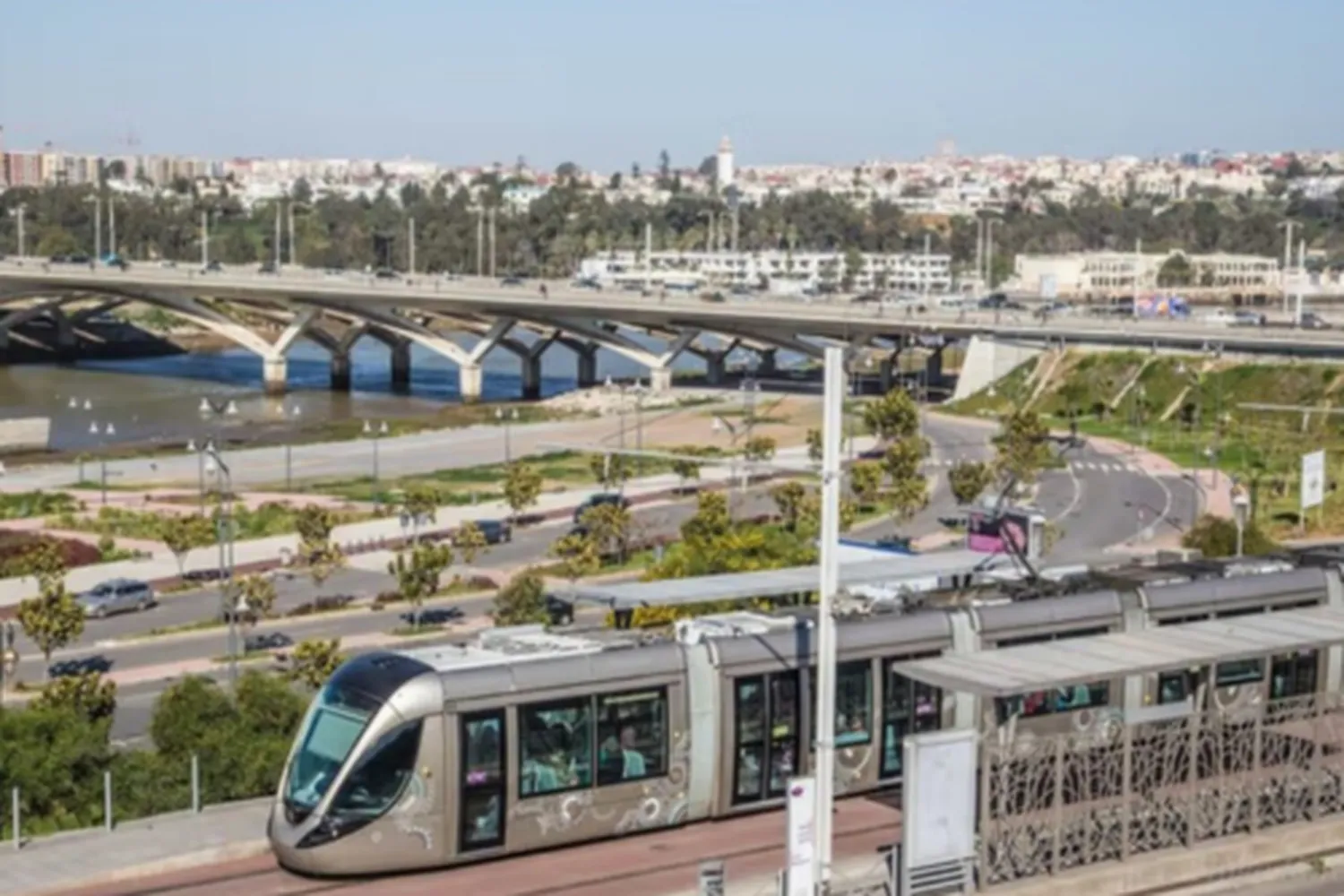
Defining Infrastructure Excellence in Africa
Infrastructure quality is assessed using metrics like road and rail networks, electricity access, internet penetration, and port efficiency, based on data from the African Development Bank (AfDB), World Bank, and International Telecommunication Union (ITU) 2024 reports. South Africa ranks highest, followed by Nigeria, Kenya, and others, due to investments in transport, energy, and digital connectivity.
South Africa : Africa’s Infrastructure Leader
South Africa boasts 750,000 km of roads, with 21% paved, and 20,000 km of rail, per AfDB 2024 data. Its ports, like Durban, handle 2.7 million TEUs (container units) annually, making it a trade hub. Electricity access reaches 85% of its 61 million population, though load-shedding affects 10% of uptime. Internet penetration is 70%, with 5G in major cities like Johannesburg. Infrastructure investments of $100 billion (2020-2024) support tourism, with 2.5 million visitors annually enjoying seamless access to sites like Kruger National Park.
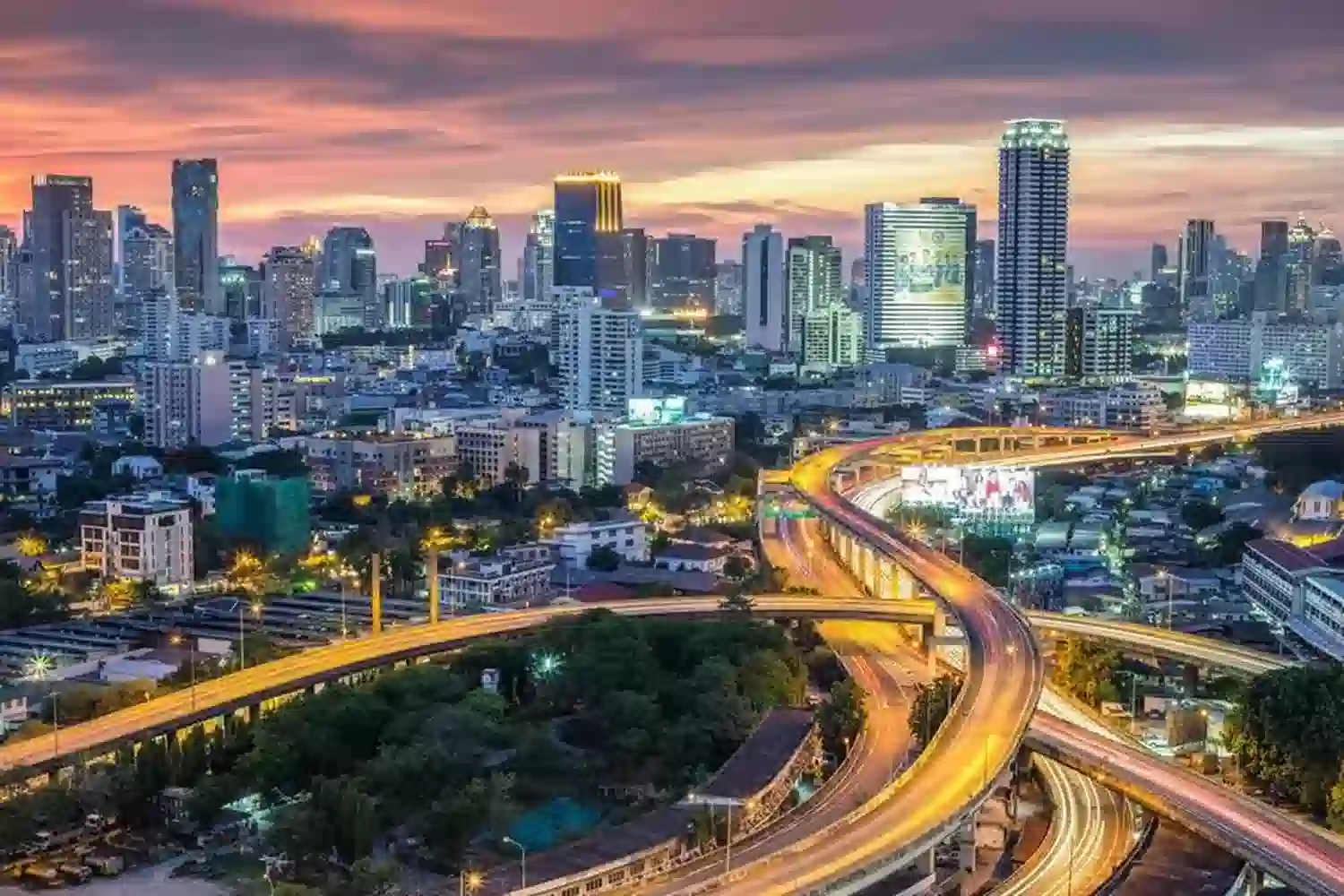
Top 10 African Countries with the Best Infrastructure
Here’s a detailed look at the top 10 countries, based on transport, energy, and digital infrastructure:
1. Nigeria
Population: 223 million
Key
Infrastructure: 195,000 km roads (15% paved), Lagos Port (1.5
million TEUs), 59% electricity access
Details: Nigeria’s
$70 billion infrastructure budget (2024) focuses on roads and rail, like the
Lagos-Ibadan line. Internet penetration is 55%, with 4G covering 80% of
urban areas.
2. Kenya
Population: 56 million
Key
Infrastructure: 160,000 km roads (14% paved), Mombasa Port (1.4
million TEUs), 75% electricity access
Details: Kenya’s
Standard Gauge Railway (SGR) spans 600 km, cutting Nairobi-Mombasa travel to
4 hours. Internet penetration is 65%, supporting tourism to Maasai Mara.
3. Morocco
Population: 38 million
Key
Infrastructure: 60,000 km roads (70% paved), Tanger Med Port (8
million TEUs), 90% electricity access
Details: Morocco’s
high-speed rail (Al Boraq) covers 320 km. Internet penetration is 80%,
boosting 13 million annual tourists.
4. Algeria
Population: 46 million
Key
Infrastructure: 113,000 km roads (80% paved), Algiers Port (0.8
million TEUs), 82% electricity access
Details: Algeria’s
East-West Highway (1,200 km) enhances trade. Internet penetration is 60%,
aiding 2.7 million tourists.
5. Egypt
Population: 105 million
Key
Infrastructure: 65,000 km roads (90% paved), Port Said (4 million
TEUs), 95% electricity access
Details: Egypt’s New
Administrative Capital features smart infrastructure. Internet penetration
is 72%, supporting 15 million tourists.
6. Ghana
Population: 33 million
Key
Infrastructure: 78,000 km roads (20% paved), Tema Port (1 million
TEUs), 85% electricity access
Details: Ghana’s rail
revival includes 400 km of new lines. Internet penetration is 53%, aiding
1.2 million tourists.
7. Ethiopia
Population: 126 million
Key
Infrastructure: 120,000 km roads (10% paved), 44% electricity
access, Addis Ababa light rail
Details: Ethiopia’s 4,000
km new roads and Grand Ethiopian Renaissance Dam (6,450 MW) boost growth.
Internet penetration is 25%.
8. Rwanda
Population: 13.5 million
Key
Infrastructure: 19,000 km roads (25% paved), 70% electricity
access, Kigali smart city
Details: Rwanda’s fibre-optic
network covers 90% of urban areas. Internet penetration is 50%, supporting
0.5 million tourists.
9. Mauritius
Population: 1.3 million
Key
Infrastructure: 2,400 km roads (98% paved), Port Louis (0.4 million
TEUs), 99% electricity access
Details: Mauritius’ smart
grid and 5G network cover 95% of the island. Internet penetration is 85%,
aiding 1.4 million tourists.
10. Seychelles
Population: 100,000
Key Infrastructure:
500 km roads (95% paved), Victoria Port (0.1 million TEUs), 98% electricity
access
Details: Seychelles’ fibre-optic cables ensure
90% internet penetration, supporting 0.35 million tourists.
Infrastructure Metrics Table
| Country | Paved Roads (%) | Electricity Access (%) | Internet Penetration (%) | Port Capacity (TEUs, millions) |
|---|---|---|---|---|
| South Africa | 21 | 85 | 70 | 2.7 |
| Nigeria | 15 | 59 | 55 | 1.5 |
| Kenya | 14 | 75 | 65 | 1.4 |
| Morocco | 70 | 90 | 80 | 8.0 |
| Algeria | 80 | 82 | 60 | 0.8 |
| Egypt | 90 | 95 | 72 | 4.0 |
| Ghana | 20 | 85 | 53 | 1.0 |
| Ethiopia | 10 | 44 | 25 | 0.0 |
| Rwanda | 25 | 70 | 50 | 0.0 |
| Mauritius | 98 | 99 | 85 | 0.4 |
Qualitative Insights: Infrastructure Impact
Travelers praise South Africa’s “smooth highways and reliable airports” (TripAdvisor, 2024). Kenya’s SGR is described as “a game-changer for safari access.” Morocco’s Tanger Med Port and high-speed rail “make travel seamless,” while Rwanda’s clean, organized roads in Kigali are “a model for Africa.” Mauritius’ smart infrastructure ensures “hassle-free island exploration.”
Quantitative Data: Infrastructure Metrics
- Road Networks: Egypt and Algeria have 90% and 80% paved roads, respectively.
- Electricity Access: Mauritius and Egypt lead with 99% and 95% coverage.
- Internet Penetration: Mauritius (85%) and Morocco (80%) top digital connectivity.
- Port Efficiency: Morocco’s Tanger Med handles 8 million TEUs, Africa’s largest.
- Investment: Nigeria’s $70 billion and South Africa’s $100 billion lead infrastructure spending (2020-2024).
Factors Driving Infrastructure Success
- Government Investment: Morocco’s $10 billion annual infrastructure budget boosts connectivity.
- Private Sector: Nigeria’s telecom growth, with 200 million mobile lines, drives digital access.
- Foreign Aid: Ethiopia’s dam and rail projects receive $5 billion from China.
- Tourism Demand: Kenya’s infrastructure supports 1.2 million annual visitors.
- Policy Reforms: Rwanda’s Vision 2020 streamlined urban development.
Challenges in Infrastructure Development
Rural areas in Nigeria and Ethiopia have only 20% electricity access, limiting growth. South Africa’s load-shedding disrupts 10% of power supply. Corruption in Nigeria absorbs 15% of infrastructure budgets, per Transparency International. Remote regions in Algeria require 4x4 vehicles due to unpaved roads. Maintenance costs in Kenya rise 20% annually due to heavy rains.
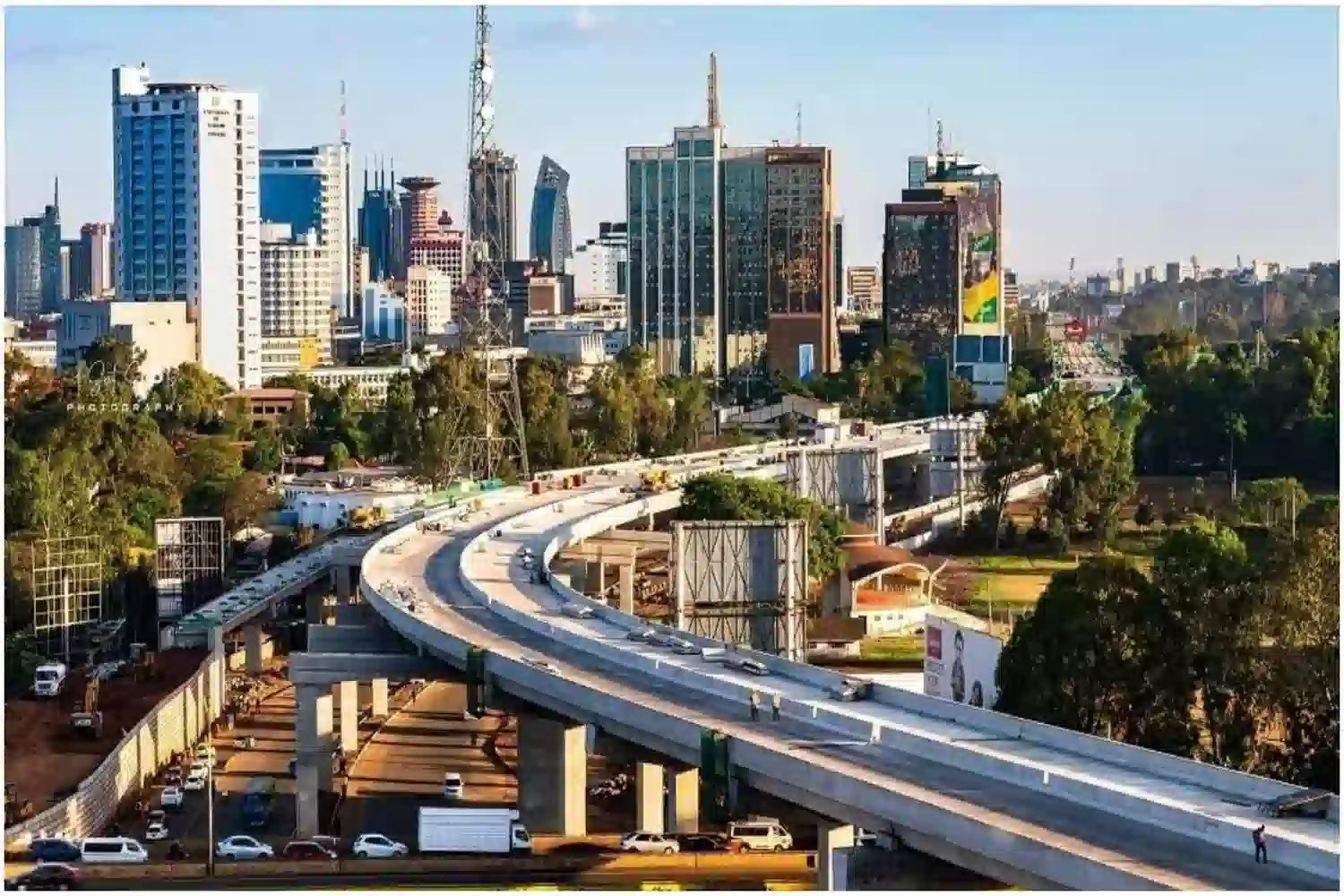
Travel Tips for Infrastructure-Savvy Visitors
- Use South Africa’s Gautrain for fast travel between Johannesburg and Pretoria.
- Book Kenya’s SGR tickets early for Nairobi-Mombasa routes, especially June-October.
- Leverage Morocco’s high-speed rail for Marrakech-Casablanca trips.
- Stay connected in Mauritius with 5G-enabled SIM cards for tourists.
- Contact Jaynevy Tours for seamless travel planning.
Explore Africa with Jaynevy Tours
Experience Africa’s best infrastructure while exploring iconic destinations like Serengeti or Zanzibar. Jaynevy Tours offers tailored itineraries for a hassle-free adventure.
Frequently Asked Questions
Which African country has the best infrastructure?
South Africa leads with extensive road networks, advanced ports, and reliable energy, followed by Nigeria and Kenya.
What factors define good infrastructure in Africa?
Key factors include road and rail networks, electricity access, internet penetration, and port efficiency.
How does infrastructure impact tourism in Africa?
Good infrastructure ensures easy access to tourist sites, reliable power, and connectivity, boosting visitor experiences.
Which African countries are improving infrastructure?
Rwanda, Ethiopia, and Morocco are rapidly upgrading transport, energy, and digital systems.
Is African infrastructure safe for travelers?
Countries like Mauritius and Seychelles have safe, reliable infrastructure, while others may have rural challenges.