
Why AI Tools That Improve Customer Experience Are a Must-Have in 2026
Customers now expect instant, relevant, effortless help — waiting on hold, repeating themselves, or getting generic replies feels unacceptable. AI tools that improve customer experience meet (and exceed) those expectations by delivering 24/7 instant answers, remembering every past interaction, personalizing every touchpoint, proactively solving problems before they escalate, and making every customer feel seen and valued. Businesses using AI tools that improve customer experience report higher CSAT/NPS scores, stronger loyalty, more repeat purchases, better reviews, lower churn, and word-of-mouth growth — all while reducing support costs and agent stress. In 2026 the companies winning loyalty aren’t always the ones with the biggest teams — they’re the ones using AI tools that improve customer experience most intelligently.
10 Key Ways AI Tools Improve Customer Experience
1. Instant, 24/7 Self-Service Answers
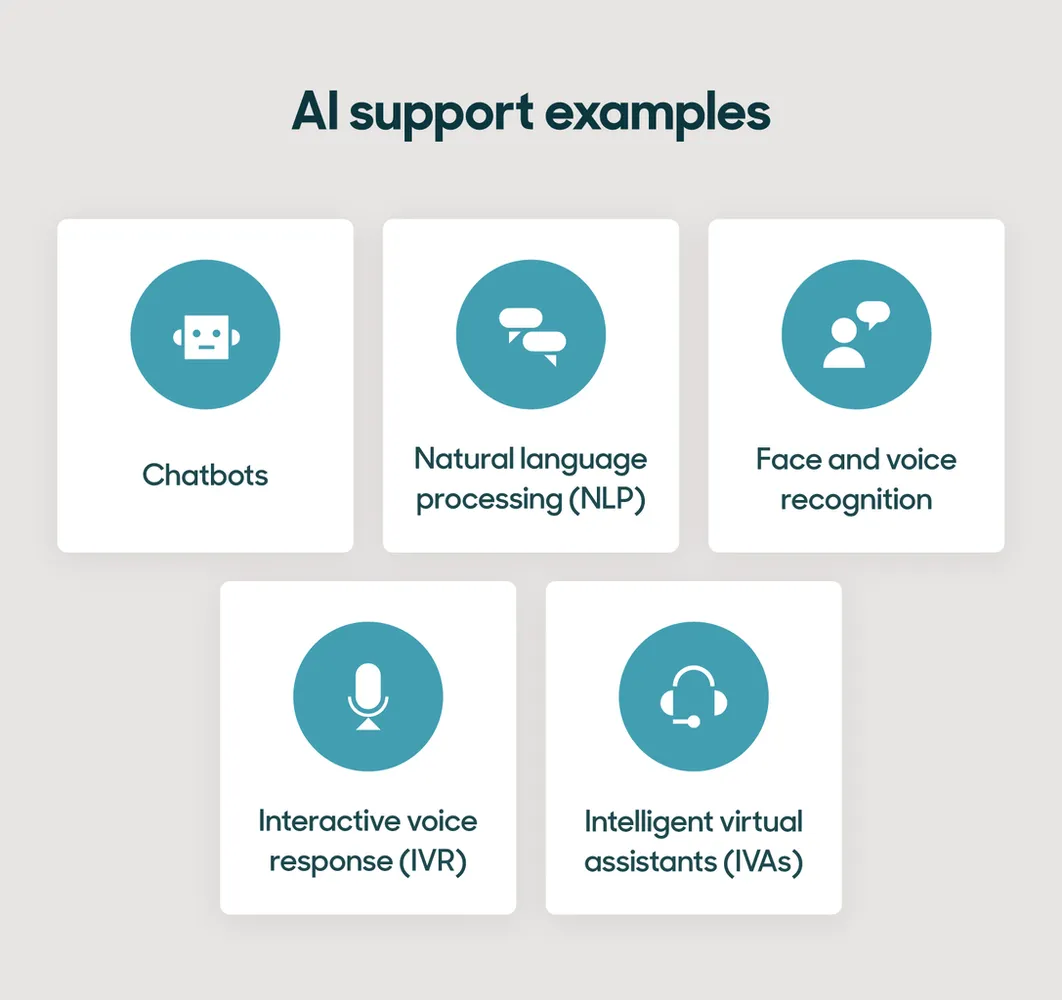
AI tools that improve customer experience power smart chatbots and virtual agents that understand natural language, pull from knowledge bases, and resolve 40–80% of routine questions instantly — no waiting, no frustration.
2. Hyper-Personalized Interactions & Recommendations
AI tools that improve customer experience use past purchases, behavior, and context to suggest products, content, next steps, and offers that feel made just for that person — conversion and satisfaction rise significantly.
3. Proactive Support & Problem Prevention
AI tools that improve customer experience detect issues early (e.g., delayed delivery, usage drop) and reach out with solutions before customers complain — turning potential negatives into loyalty-building moments.
4. Seamless Omnichannel Continuity
AI tools that improve customer experience remember conversations across chat, email, phone, app, and social — customers never repeat themselves, journeys feel smooth, and frustration disappears.
5. Intelligent Ticket Triage & Routing
AI tools that improve customer experience read incoming requests, detect urgency/sentiment, summarize history, and route to the right agent (or auto-resolve) — first-contact resolution jumps 25–60%.
6. Real-Time Sentiment Analysis & Escalation
AI tools that improve customer experience monitor tone in chats/calls/emails and alert supervisors instantly when frustration rises — preventing escalations and turning angry customers into happy ones faster.
7. Personalized Onboarding & Guidance
AI tools that improve customer experience create tailored setup flows, guided tours, and contextual tips based on user role/goals — reducing confusion, speeding adoption, and boosting early satisfaction.
8. Voice & Natural Language Phone Support
AI tools that improve customer experience power conversational IVR and voice agents that understand accents, context, and intent — cutting hold times dramatically and making phone support feel modern.
9. Feedback Analysis & Continuous Improvement
AI tools that improve customer experience automatically categorize reviews, detect themes, track sentiment trends, and suggest fixes — businesses improve faster based on real customer voices.
10. Loyalty & Retention Orchestration
AI tools that improve customer experience predict churn risk, trigger personalized re-engagement, offer timely rewards, and suggest upsells/cross-sells — retention rates rise 15–35% with minimal manual effort.
AI Tools That Improve Customer Experience – Quick Comparison Table
| Tool | Best For | Typical CX Lift | Starting Price |
|---|---|---|---|
| Intercom AI | Conversational support | CSAT +15–30 | $74/mo |
| Zendesk AI | Ticketing + automation | FCR +25–50% | $55/agent/mo |
| Gorgias | E-commerce CX | Tickets -60–80% | $60/mo |
| Ada | Scalable agents | Auto-resolution 60–80% | $500/mo+ |
| Tidio | Small biz chat | Response <1min | $29/mo |
| Drift | Proactive engagement | Lead-to-meeting +30–70% | $74/mo+ |
| Yellow.ai | Omnichannel voice/chat | Multilingual support | $Custom |
| Help Scout AI | Human-centered CX | CSAT +10–25 | $50/user/mo |
Real Feedback – How Customers & Teams Experience the Change
Customers interacting with AI tools that improve customer experience often say “finally someone gets me,” “it just worked,” or “I didn’t have to wait.” Support teams report less stress, fewer repetitive questions, more meaningful conversations, and pride in delivering great service. The emotional impact is huge — frustration turns into delight, loyalty grows naturally, and both sides feel the relationship strengthen instead of strain.
Quantitative Impact – What the Numbers Reveal
- CSAT / NPS scores rise 10–40 points
- Customer retention / repeat rate increases 15–35%
- First-contact resolution jumps 25–60%
- Support ticket volume drops 40–80%
- Response time falls from hours to seconds/minutes
Real Examples – AI Tools That Improve Customer Experience in Action
- E-commerce brand uses Gorgias AI → returns/refunds auto-handled 75%, CSAT +28 points
- SaaS company adds Intercom AI → 68% inquiries resolved instantly, NPS +35
- Service business implements Tidio → support tickets -65%, response <45s
- Global retailer deploys Yellow.ai voice AI → phone hold time -80%, multilingual satisfaction +40%
- Consultancy uses Help Scout AI → resolution time -55%, client happiness +32%
Common Challenges & How to Avoid Them
AI tools that improve customer experience can fall short if: answers feel robotic (poor training/prompts), handoff to humans is clunky, data privacy is mishandled (GDPR/CCPA), over-automation frustrates complex cases, or sentiment detection misses nuance. Smart adopters start with one channel (chat first), use high-quality knowledge bases, test outputs rigorously, ensure seamless escalation, monitor sentiment closely, and keep humans central for empathy and exceptions.
How to Choose & Start Using AI Tools That Improve Customer Experience Fast
- Pinpoint your biggest CX pain (slow replies? repetitive questions? personalization gaps? omnichannel disconnect?)
- Pick 1–2 tools targeting it (Tidio for chat, Gorgias for e-commerce, Intercom/Zendesk for full support)
- Run 30-day pilot — track CSAT, resolution rate, ticket deflection, response time
- Build strong knowledge base first — AI is only as good as its source data
- Train team & set clear handoff rules so AI tools that improve customer experience enhance human care
Deliver Better Experiences with Jaynevy Tours
AI tools that improve customer experience also make travel unforgettable. We use smart systems to create perfectly personalized Tanzania journeys — timed Serengeti safaris, tailored Mount Kilimanjaro adventures, and relaxing Zanzibar escapes. Get the experience you deserve — contact Jaynevy Tours today!
Frequently Asked Questions
What are the best AI tools that improve customer experience in 2026?
Top tools include Intercom AI, Zendesk AI, Gorgias, Ada, Tidio, Drift, Yellow.ai, Help Scout AI, Freshdesk Freddy, Fireflies/Otter (call insights), and custom agents via Voiceflow or Claude — delivering faster support, personalization, proactive help & higher satisfaction.
How much can AI tools that improve customer experience increase satisfaction and loyalty?
Realistic gains: CSAT/NPS up 10–40 points, customer retention +15–35%, repeat purchase rate +20–50%, first-contact resolution +25–60%, response time reduced to seconds/minutes, and 40–80% of routine inquiries handled without agents.
Are there affordable AI tools that improve customer experience for small businesses?
Yes — Tidio (~$29/mo), Freshdesk Freddy (from $15/agent/mo), Gorgias starter (~$60/mo), Intercom starter (~$74/mo), Ada (from $500/mo but high ROI), and free/low-cost options like ChatGPT integrations or Claude agents offer powerful personalization & support automation.
Which parts of the customer journey benefit most from AI tools that improve customer experience?
Highest impact on discovery (personalized recommendations), onboarding (guided setup), support (instant answers & triage), retention (proactive outreach & churn prevention), feedback (sentiment analysis), and post-purchase (upsell & loyalty nurturing).
Do AI tools that improve customer experience replace human agents completely?
No — they handle 40–80% of routine/volume interactions so agents focus on complex, emotional, or high-value cases. Most businesses report higher agent satisfaction, lower turnover, and better overall experience when AI + humans work together.