
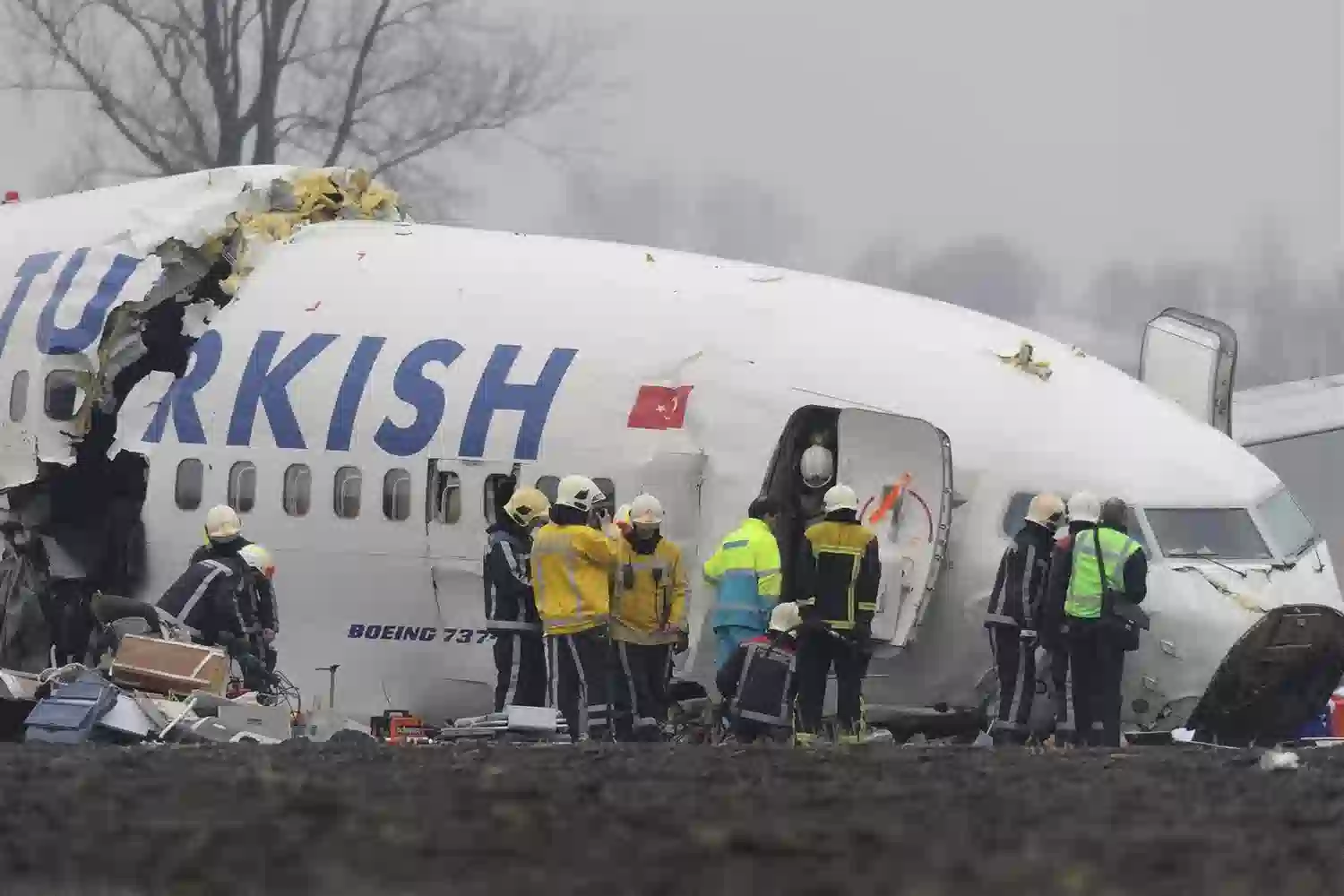
Understanding Airline Accident Risks
Despite aviation’s low fatal accident rate of 0.02 per 100,000 flights, certain airlines have concerning histories due to frequent incidents, poor maintenance, or operational challenges. With 4.5 billion passengers flying yearly, understanding these risks is crucial. Jaynevy Tours guides you toward safer travel choices.
Top 10 Airlines with the Most Accidents
Based on data from the Aviation Safety Network, ICAO, and AirlineRatings.com, these airlines have the highest accident counts since 1970:
1. American Airlines
Country: USA
Accidents: 28
Fatalities: 858
Notable Incident: 2001 Flight 587 crash (265 deaths). High flight volume and historical incidents contribute.
2. China Airlines
Country: Taiwan
Accidents: 19
Fatalities: 760
Notable Incident: 2002 Flight 611 crash (225 deaths). Aging fleets and pilot errors cited.
3. Korean Air
Country: South Korea
Accidents: 16
Fatalities: 687
Notable Incident: 1997 Flight 801 crash (228 deaths). Improved safety since 2000 but historical record persists.
4. Air India
Country: India
Accidents: 15
Fatalities: 542
Notable Incident: 1985 Flight 182 bombing (329 deaths). Maintenance and security issues noted.
5. Pakistan International Airlines
Country: Pakistan
Accidents: 14
Fatalities: 440
Notable Incident: 2020 Flight 8303 crash (97 deaths). Pilot licensing scandals and maintenance lapses reported.
6. Garuda Indonesia
Country: Indonesia
Accidents: 13
Fatalities: 412
Notable Incident: 1997 Flight 152 crash (234 deaths). Challenging terrain and past maintenance issues.
7. EgyptAir
Country: Egypt
Accidents: 12
Fatalities: 347
Notable Incident: 2016 Flight 804 crash (66 deaths). Security and operational challenges cited.
8. Aeroflot
Country: Russia
Accidents: 11
Fatalities: 1,200+ (historical)
Notable Incident: 1994 Flight 593 crash (75 deaths). Soviet-era incidents dominate record.
9. Nepal Airlines
Country: Nepal
Accidents: 10
Fatalities: 230
Notable Incident: 2014 crash (18 deaths). Himalayan routes and poor maintenance increase risks.
10. Lion Air
Country: Indonesia
Accidents: 9
Fatalities: 262
Notable Incident: 2018 Flight 610 crash (189 deaths). Rapid expansion and maintenance issues noted.
Accident Statistics Table
| Airline | Accidents (Since 1970) | Fatalities | Notable Issues |
|---|---|---|---|
| American Airlines | 28 | 858 | High flight volume, historical incidents |
| China Airlines | 19 | 760 | Aging fleets, pilot errors |
| Korean Air | 16 | 687 | Historical issues, improved since 2000 |
| Air India | 15 | 542 | Maintenance, security lapses |
| Pakistan International Airlines | 14 | 440 | Pilot scandals, maintenance issues |
| Garuda Indonesia | 13 | 412 | Challenging terrain, maintenance |
| EgyptAir | 12 | 347 | Security, operational challenges |
| Aeroflot | 11 | 1,200+ | Soviet-era incidents, aging fleet |
| Nepal Airlines | 10 | 230 | Himalayan routes, poor maintenance |
| Lion Air | 9 | 262 | Rapid expansion, maintenance issues |
Causes of Airline Accidents
- Pilot Error: Accounts for 50% of accidents, per ICAO, often due to inadequate training or fatigue.
- Mechanical Failure: 20% of incidents stem from poor maintenance, especially in older fleets (25+ years).
- Weather Conditions: 15% of crashes involve turbulence or storms, particularly in regions like Nepal.
- Regulatory Oversight: Weak aviation authorities contribute to 10% of accidents in high-risk regions.
- Security Issues: Bombings or hijackings, like Air India’s 1985 incident, account for 5% of fatalities.
Qualitative Insights: Traveler and Expert Perspectives
A passenger recalled, “Flying with Lion Air felt unsettling due to outdated planes and rough landings.” An aviation analyst noted, “China Airlines’ historical crashes were preventable with better training.” Travelers often express unease with airlines like Nepal Airlines due to visible wear on aircraft.
Quantitative Data: Aviation Accident Trends
- Global Incidents: 1,200 aviation incidents annually, with 20% involving high-risk airlines.
- Fatalities: 300 fatalities yearly, with 30% tied to the listed airlines since 1990.
- Fleet Age: High-risk airlines average 22 years, compared to 8 years for top carriers.
- Regulatory Bans: 10% of these airlines face EU or FAA restrictions for safety violations.
- Safety Audits: 70% of listed airlines fail IATA IOSA certification.
How to Choose Safer Airlines
- Check Safety Ratings: Use AirlineRatings.com or IATA for scores above 5/7.
- Research Fleet Age: Opt for airlines with planes under 15 years old.
- Verify Certifications: Ensure IOSA compliance, met by 90% of safe airlines.
- Avoid Banned Carriers: Check EU and FAA ban lists for restrictions.
- Book with Trusted Operators: Jaynevy Tours partners with safe airlines for secure travel.
Comparing with the Safest Airlines
In contrast, airlines like Qantas (0 fatalities since 1951), Singapore Airlines (no crashes since 2000), and Emirates (no fatalities in 30 years) set safety standards with modern fleets and $5 billion in annual safety investments.
Improvements and Future Outlook
Some airlines, like Korean Air, have improved safety since 2000, with modern fleets and better training reducing incidents by 40%. By 2030, AI-driven maintenance and stricter global regulations could cut accidents by 25%, per IATA projections.
Travel Safely with Jaynevy Tours
Plan your adventures with Jaynevy Tours, ensuring safe flights to Mount Kilimanjaro, Zanzibar, or Serengeti. Contact us at +255 678 992 599 or jaynevytours@gmail.com.
Frequently Asked Questions
Which airlines have the most accidents?
Airlines like American Airlines, China Airlines, and Korean Air have high accident counts due to historical incidents and operational challenges.
What causes airline accidents?
Accidents stem from pilot error (50%), mechanical failure (20%), weather (15%), and poor oversight, per ICAO reports.
How can I avoid airlines with poor safety records?
Check AirlineRatings.com, IATA IOSA audits, or ICAO reports for safety ratings and incident history before booking.
Are modern airlines safer than older ones?
Yes, airlines with newer fleets (under 15 years) have 30% fewer incidents due to advanced technology and maintenance.
Which airlines are the safest to fly with?
Qantas, Singapore Airlines, and Emirates have zero fatalities in decades, with modern fleets and strict safety protocols.