
Understanding Artemis II Mission Details
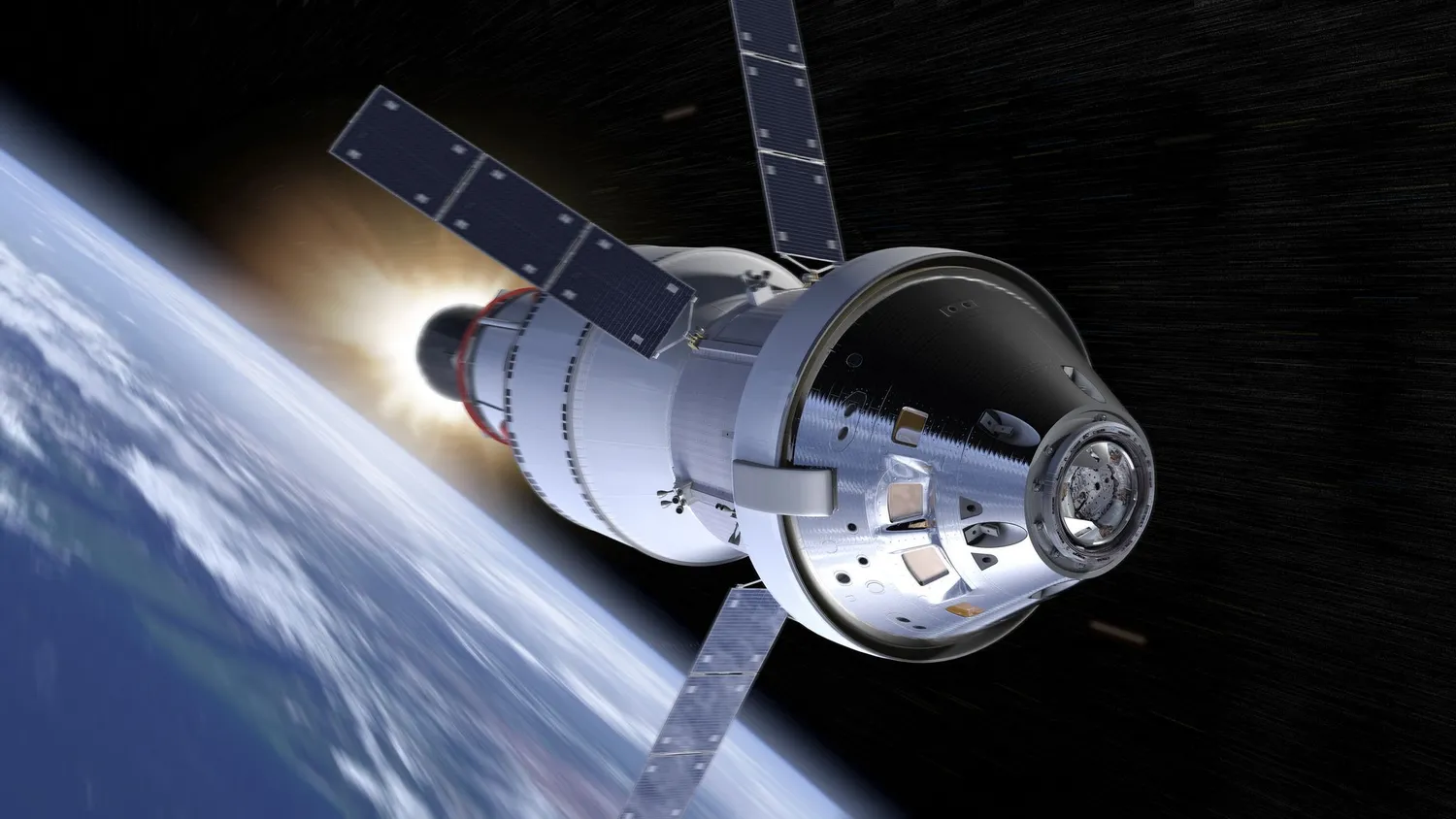
The Artemis II mission marked a pivotal moment in space exploration as NASA’s first crewed flight under the Artemis program. After years of preparation, the mission successfully demonstrated that humans could once again venture beyond low Earth orbit toward the Moon. This crewed lunar flyby tested critical spacecraft systems in the harsh environment of deep space, providing valuable data that will shape future landings on the lunar surface. From launch preparations to the dramatic return, every phase of the Artemis II mission details offered insights into the challenges and triumphs of modern spaceflight.
Artemis II Launch Date and Countdown Highlights
The Artemis II launch took place on April 1, 2026, from Launch Complex 39B at NASA’s Kennedy Space Center in Florida. The powerful Space Launch System (SLS) rocket ignited at approximately 6:35 p.m. EDT, sending the Orion spacecraft carrying four astronauts into the sky. The two-hour launch window allowed flexibility for weather and technical conditions, and the countdown proceeded smoothly after final checks. This launch represented the first time since the Apollo era that astronauts embarked on a journey around the Moon, reigniting global excitement about human space exploration.
The Crew Behind the Artemis II Mission
Four highly experienced astronauts formed the Artemis II crew, each bringing unique skills and perspectives to this groundbreaking flight. Commander Reid Wiseman led the mission with his extensive NASA background, while Pilot Victor Glover contributed piloting expertise from previous International Space Station missions. Mission Specialist Christina Koch, known for her record-breaking spaceflight duration, became the first woman to fly beyond low Earth orbit. Joining them was Canadian Space Agency astronaut Jeremy Hansen, adding international collaboration to the crew. Their combined experience helped ensure the success of every phase of the Artemis II mission details.
Crew Profiles and Roles
- Reid Wiseman (Commander): Veteran astronaut responsible for overall mission command and key decision-making during the lunar flyby.
- Victor Glover (Pilot): Managed spacecraft piloting tasks and became the first person of color to travel to the Moon.
- Christina Koch (Mission Specialist): Oversaw life support systems and conducted important scientific observations.
- Jeremy Hansen (Mission Specialist): Represented international partnership and assisted with spacecraft operations and experiments.
Key Objectives and What the Artemis II Mission Tested
NASA designed the Artemis II mission with several critical objectives in mind. The primary goal was to validate the Orion spacecraft’s performance with a human crew in deep space. Astronauts tested life support systems, propulsion, thermal control, navigation, and communication at lunar distances. They also practiced manual flight operations, monitored automated systems, and gathered data on how the human body responds to the space environment far from Earth. Additional activities included lunar surface observations from orbit and capturing stunning images of Earthrise, continuing the legacy of Apollo missions while preparing for sustainable lunar presence.
Mission Timeline: From Launch to Splashdown
The Artemis II mission unfolded over approximately 10 days. After a powerful liftoff, the crew entered a high Earth orbit before transitioning to a free-return trajectory around the Moon. Day six featured the closest lunar approach, where the spacecraft passed behind the far side of the Moon and achieved the farthest distance humans have ever traveled from Earth. The crew conducted system checks, took photographs, and performed scientific tasks throughout the journey. The mission concluded with a safe re-entry and splashdown in the Pacific Ocean on April 10, 2026, after a total elapsed time of roughly 9 days and 1 hour.
Records Broken During the Artemis II Mission
One of the most notable achievements of the Artemis II mission was breaking the long-standing distance record set by Apollo 13 in 1970. The Orion spacecraft reached a maximum distance of over 252,000 miles from Earth during the lunar flyby. This milestone highlighted advancements in spacecraft technology and human endurance in deep space. Additionally, the mission included several firsts: the first woman and first person of color traveling beyond low Earth orbit, and the first international partner astronaut on a lunar mission.
Quantitative Data and Mission Statistics
| Parameter | Value | Notes |
|---|---|---|
| Launch Date | April 1, 2026 | 6:35 p.m. EDT |
| Mission Duration | ~10 days | 9 days 1 hour elapsed |
| Maximum Distance from Earth | 252,799+ miles | New record |
| Crew Size | 4 astronauts | 3 NASA + 1 CSA |
| Splashdown Date | April 10, 2026 | Pacific Ocean |
Qualitative Insights: Challenges and Achievements
Spaceflight at lunar distances presents unique challenges, including communication delays, radiation exposure, and the psychological demands of being far from home. The Artemis II crew handled these with professionalism, providing real-time feedback on spacecraft habitability and system performance. Their observations of the Moon’s far side and the delicate Earthrise view offered both scientific value and profound human perspectives on our place in the universe. The mission’s success demonstrated NASA’s ability to manage complex operations while fostering international cooperation.
Factors That Contributed to Mission Success
- Robust testing of the SLS rocket and Orion spacecraft following Artemis I.
- International collaboration with the Canadian Space Agency.
- Advanced life support and navigation systems designed for deep space.
- Extensive crew training in simulators and real mission scenarios.
- Real-time ground support from multiple NASA centers worldwide.
Impact of Artemis II on Future Lunar Exploration
The data and lessons from the Artemis II mission details will directly influence upcoming flights, including Artemis III which aims for a crewed lunar landing. By proving that Orion can safely carry humans to the Moon and back, NASA has taken a major step toward establishing a sustainable human presence on the lunar surface and eventually sending astronauts to Mars. This mission also inspires the next generation of explorers and highlights the importance of continued investment in space technology.
Explore Space-Themed Adventures with Jaynevy Tours
While space missions like Artemis II capture our imagination, Earth offers incredible wonders too. Plan your next journey with Jaynevy Tours and experience the beauty of Tanzania’s Serengeti, climb Mount Kilimanjaro, or relax on Zanzibar beaches. Let the spirit of exploration guide your travels on our planet.
Frequently Asked Questions
What is the Artemis II launch date and mission details?
Artemis II launched on April 1, 2026 at approximately 6:35 p.m. EDT from Kennedy Space Center using the SLS rocket. The 10-day crewed mission sent four astronauts on a lunar flyby, testing Orion spacecraft systems in deep space and setting a new record for farthest human travel from Earth.
Who are the astronauts on the Artemis II mission?
The crew included NASA astronauts Reid Wiseman (Commander), Victor Glover (Pilot), Christina Koch (Mission Specialist), and CSA astronaut Jeremy Hansen (Mission Specialist). They became the first humans to travel beyond low Earth orbit since Apollo 17.
How long did the Artemis II mission last and what records did it break?
The mission lasted approximately 10 days with a total mission elapsed time of about 9 days 1 hour. It broke the Apollo 13 distance record, reaching a maximum of over 252,000 miles from Earth during the lunar flyby.
What were the main objectives of the Artemis II mission details?
Key objectives included testing Orion’s life support, propulsion, navigation, and thermal systems with humans aboard, validating deep space operations, conducting lunar observations, and preparing for future crewed lunar landings under the Artemis program.
When did Artemis II splash down and return to Earth?
The Orion spacecraft with the Artemis II crew splashed down safely in the Pacific Ocean on April 10, 2026, marking a successful end to the first crewed lunar flyby in over 50 years.