
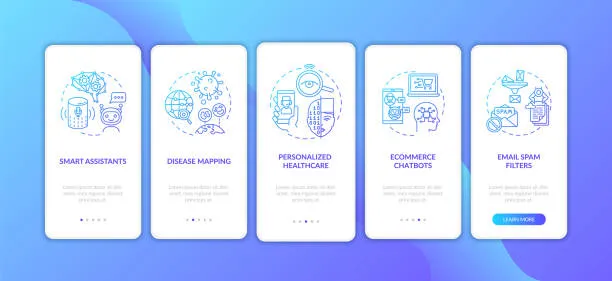
Artificial Intelligence App – Complete Guide
Artificial intelligence apps have revolutionized the way we interact with technology, transforming industries, simplifying complex tasks, and enhancing user experiences. These applications leverage advanced algorithms, machine learning, and natural language processing to provide intelligent solutions tailored to individual needs. From personalized recommendations to real-time data analysis, artificial intelligence apps are reshaping how we work, travel, and live. Whether you're planning a luxury climbing tour to Kilimanjaro or exploring Tanzania's diverse destinations, these apps can streamline your journey, offering insights and convenience at every step.
Understanding Artificial Intelligence Apps
Artificial intelligence apps are software applications that integrate AI technologies to perform tasks traditionally requiring human intelligence. These tasks include learning, reasoning, problem-solving, understanding natural language, and recognizing patterns. The core of an artificial intelligence app lies in its ability to process vast amounts of data, identify trends, and make decisions based on that information. For instance, travel apps powered by AI can analyze your preferences, suggest itineraries, and even predict the best time to visit destinations like Tanzania or East Africa.
How Artificial Intelligence Apps Work
Artificial intelligence apps operate through a combination of machine learning, deep learning, and neural networks. Machine learning enables the app to learn from data and improve its performance over time without explicit programming. Deep learning, a subset of machine learning, uses layered neural networks to process complex data inputs, such as images or voice commands. Neural networks mimic the human brain's structure, allowing the app to recognize patterns and make decisions. For example, an AI-powered travel app can analyze user reviews, weather patterns, and flight data to recommend the best safari tour packages.
Key Components of Artificial Intelligence Apps
Several components make artificial intelligence apps functional and effective. These include data collection, data processing, algorithms, and user interfaces. Data collection involves gathering relevant information from various sources, such as user inputs or external databases. Data processing cleans and organizes this information for analysis. Algorithms are the mathematical models that drive decision-making, while user interfaces ensure seamless interaction between the app and the user. Together, these components enable artificial intelligence apps to deliver personalized and efficient solutions.
Applications of Artificial Intelligence Apps in Travel
Artificial intelligence apps are transforming the travel industry, offering innovative solutions for planning, booking, and experiencing trips. These apps can analyze vast amounts of data to provide personalized recommendations, optimize itineraries, and enhance customer service. For instance, AI-powered travel apps can suggest the best climbing tour packages for Kilimanjaro or recommend luxury safari experiences in Tanzania. They can also predict weather conditions, estimate travel costs, and provide real-time updates, ensuring a smooth and enjoyable journey.
Personalized Travel Recommendations
One of the most significant advantages of artificial intelligence apps is their ability to deliver personalized travel recommendations. By analyzing user preferences, past travel history, and available data, these apps can suggest destinations, accommodations, and activities tailored to individual tastes. For example, if you're interested in exploring Tanzania's diverse destinations, an AI-powered app can recommend the best time to visit, suggest popular attractions, and even create a customized itinerary. This level of personalization enhances the travel experience, making it more enjoyable and stress-free.
Real-Time Data Analysis and Updates
Artificial intelligence apps excel in real-time data analysis, providing users with up-to-date information on flight schedules, weather conditions, and local events. This feature is particularly useful for travelers embarking on East Africa safari tours, where conditions can change rapidly. By leveraging AI, travel apps can monitor real-time data, alert users to potential disruptions, and suggest alternative plans. This ensures that travelers stay informed and prepared, minimizing the impact of unexpected changes.
Benefits of Using Artificial Intelligence Apps
Artificial intelligence apps offer numerous benefits, making them indispensable tools for modern travelers. These apps save time, reduce costs, and enhance the overall travel experience by providing intelligent solutions tailored to individual needs. Whether you're planning a budget climbing tour or a luxury safari, artificial intelligence apps can simplify the process, offering insights and recommendations that ensure a memorable journey.
Time and Cost Efficiency
One of the primary benefits of artificial intelligence apps is their ability to save time and reduce costs. By automating tasks such as itinerary planning, booking, and data analysis, these apps streamline the travel process, allowing users to focus on enjoying their trip. For example, an AI-powered travel app can compare prices for Kilimanjaro climbing tour packages, identify the best deals, and book accommodations and transportation in minutes. This level of efficiency not only saves time but also helps travelers stay within their budget.
Enhanced Customer Experience
Artificial intelligence apps enhance the customer experience by providing personalized recommendations, real-time updates, and 24/7 support. These apps can anticipate user needs, offering solutions before problems arise. For instance, if you're planning a Tanzania safari, an AI-powered app can recommend the best destinations, suggest activities, and provide tips for a safe and enjoyable trip. This proactive approach ensures that travelers feel supported and confident throughout their journey.
Expert Tips for Using Artificial Intelligence Apps
To maximize the benefits of artificial intelligence apps, it's essential to use them effectively. Here are some expert tips to help you get the most out of these innovative tools:
- Choose apps with robust data privacy policies to protect your personal information.
- Use multiple apps to compare recommendations and ensure accuracy.
- Regularly update the app to access the latest features and improvements.
- Provide detailed inputs to receive personalized and relevant recommendations.
- Leverage real-time updates to stay informed and prepared during your trip.
Pros and Cons of Artificial Intelligence Apps
While artificial intelligence apps offer numerous benefits, they also have some limitations. Here’s a balanced perspective:
| Pros | Cons |
|---|---|
| Personalized recommendations | Dependence on data accuracy |
| Time and cost efficiency | Potential privacy concerns |
| Real-time updates and alerts | Limited human interaction |
| Enhanced customer experience | Requires internet connectivity |
FAQs About Artificial Intelligence Apps
What is an artificial intelligence app?
An artificial intelligence app is a software application that uses AI technologies like machine learning and natural language processing to perform tasks requiring human intelligence, such as learning, reasoning, and problem-solving.
How do artificial intelligence apps improve travel planning?
AI apps analyze user preferences and data to provide personalized recommendations, optimize itineraries, and offer real-time updates, making travel planning more efficient and enjoyable.
Are artificial intelligence apps safe to use?
Most AI apps implement robust data privacy measures, but users should review the app’s privacy policy and ensure their information is protected.
Can artificial intelligence apps work offline?
While some AI apps offer limited offline functionality, most require an internet connection to access real-time data and updates.
What are the best artificial intelligence apps for travel?
Popular travel AI apps include Google Travel, Hopper, and TripIt, which offer features like itinerary planning, price comparison, and real-time alerts.
How do artificial intelligence apps handle data?
AI apps collect, process, and analyze data using algorithms to provide insights and recommendations. Users should ensure their data is handled securely and ethically.
Can artificial intelligence apps predict travel disruptions?
Yes, AI apps can analyze real-time data to predict disruptions like flight delays or weather changes and suggest alternative plans.
Are artificial intelligence apps suitable for all travelers?
AI apps are versatile and cater to various travel preferences, from budget climbing tours to luxury safaris, making them suitable for most travelers.