
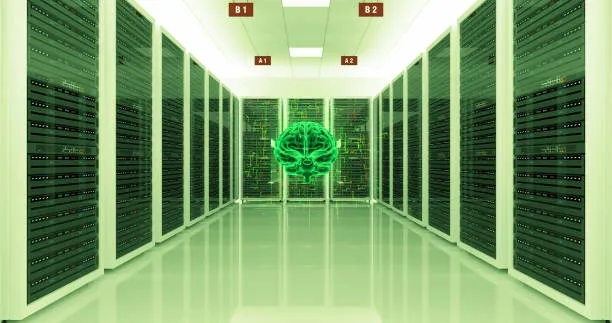
Artificial Intelligence Data Centers – Complete Guide
Artificial intelligence data centers are revolutionizing the way businesses and industries process, analyze, and store vast amounts of information. These advanced facilities serve as the backbone of AI-driven operations, enabling machine learning models, real-time analytics, and automation at an unprecedented scale. As the demand for AI applications grows, artificial intelligence data centers are becoming more sophisticated, incorporating cutting-edge hardware, energy-efficient cooling systems, and ultra-fast networking capabilities. This article explores the inner workings of artificial intelligence data centers, their global impact, and the future of AI infrastructure.
The Evolution of Artificial Intelligence Data Centers
Artificial intelligence data centers have evolved significantly from traditional server farms. Unlike conventional data centers, which primarily store and retrieve data, AI-focused facilities are designed to handle complex computations required for deep learning, neural networks, and predictive analytics. The shift toward specialized artificial intelligence data centers began in the early 2010s when companies like Google and NVIDIA started developing hardware optimized for AI workloads.
Key Components of Modern Artificial Intelligence Data Centers
To understand how artificial intelligence data centers function, it's essential to examine their core components:
- AI-Optimized Servers: Equipped with GPUs and TPUs for parallel processing.
- High-Speed Networking: InfiniBand and NVLink technologies reduce latency.
- Liquid Cooling Systems: Efficiently dissipate heat from high-performance hardware.
- Energy Management: Renewable energy sources and advanced power distribution.
How Artificial Intelligence Data Centers Differ from Traditional Facilities
Traditional data centers focus on general-purpose computing, while artificial intelligence data centers are built specifically for AI workloads. The latter requires:
- Higher computational density per rack.
- Specialized accelerators like GPUs and FPGAs.
- Lower latency networking for real-time AI inference.
Global Impact of Artificial Intelligence Data Centers
The proliferation of artificial intelligence data centers is transforming industries worldwide. From healthcare to finance, these facilities enable breakthroughs in:
- Medical Research: Accelerating drug discovery through AI-powered simulations.
- Autonomous Vehicles: Processing vast amounts of sensor data in real-time.
- Financial Modeling: Running complex risk assessments and fraud detection algorithms.
Case Study: AI Data Centers in East Africa
While artificial intelligence data centers are predominantly found in tech hubs like Silicon Valley, emerging markets like Tanzania are beginning to adopt this technology. East Africa's growing digital economy is driving demand for localized AI infrastructure to support:
- Agricultural optimization.
- Telemedicine platforms.
- Smart city initiatives.
Future Trends in Artificial Intelligence Data Centers
The next generation of artificial intelligence data centers will likely incorporate:
- Quantum Computing Integration: Hybrid systems combining classical and quantum processors.
- Edge AI: Decentralized processing closer to data sources.
- Autonomous Operations: Self-healing systems with minimal human intervention.
Expert Tips for Businesses Leveraging AI Data Centers
Companies planning to utilize artificial intelligence data centers should consider:
- Workload-specific hardware configurations.
- Energy efficiency certifications like LEED.
- Geographical location for latency optimization.
Pros and Cons of Artificial Intelligence Data Centers
| Advantages | Challenges |
|---|---|
| Unmatched computational power | High initial investment |
| Energy-efficient designs | Specialized maintenance requirements |
| Scalability for growing AI needs | Potential environmental impact |
FAQs About Artificial Intelligence Data Centers
1. What makes artificial intelligence data centers different from cloud computing?
While cloud computing provides generalized resources, artificial intelligence data centers are purpose-built for AI workloads with specialized hardware and optimized architectures.
2. How much energy do artificial intelligence data centers consume?
Advanced artificial intelligence data centers can consume 20-50MW, though modern designs focus on renewable energy and PUE (Power Usage Effectiveness) below 1.2.
3. Can small businesses benefit from artificial intelligence data centers?
Yes, through colocation services and cloud-based AI platforms that allow access to shared artificial intelligence data center resources without massive capital expenditure.
4. What security measures protect artificial intelligence data centers?
Multi-layered security including biometric access, AI-powered threat detection, and quantum-resistant encryption protocols.
5. How will 5G impact artificial intelligence data centers?
5G's low latency will enable more distributed artificial intelligence data center architectures, bringing processing closer to end-users.
6. Are there environmental concerns with artificial intelligence data centers?
While energy consumption is significant, many operators are transitioning to carbon-neutral operations through renewable energy and innovative cooling solutions.
7. What's the future of artificial intelligence data centers in developing nations?
Countries in regions like East Africa are increasingly adopting modular and containerized artificial intelligence data center solutions to leapfrog technological infrastructure gaps.
8. How do artificial intelligence data centers support machine learning?
They provide the massive parallel processing power required for training complex neural networks and the low-latency infrastructure needed for real-time inference.
For those interested in how technology intersects with adventure, explore our tech-inspired travel articles or consider combining your interests with a Kilimanjaro expedition to disconnect from the digital world after deep diving into artificial intelligence data centers.