
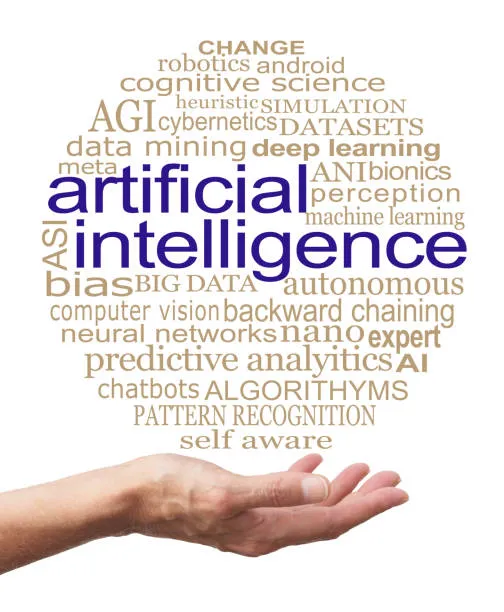
Artificial Intelligence Defined – Complete Guide
Artificial intelligence defined is a transformative concept that has reshaped industries, technologies, and daily life in profound ways. At its core, artificial intelligence defined refers to the simulation of human intelligence in machines programmed to think, learn, and make decisions. This technology has evolved from theoretical frameworks to practical applications that drive innovation across sectors, including healthcare, finance, education, and even travel. Understanding artificial intelligence defined requires exploring its origins, mechanisms, and real-world implications, as well as its potential to redefine the future of human interaction with technology.
The Origins and Evolution of Artificial Intelligence Defined
The concept of artificial intelligence defined dates back to ancient times when myths and stories depicted mechanical beings endowed with human-like capabilities. However, the formal foundation of artificial intelligence defined was laid in the mid-20th century. In 1956, the term "artificial intelligence" was coined at the Dartmouth Conference, marking the beginning of AI as a scientific discipline. Early pioneers like Alan Turing and John McCarthy envisioned machines capable of reasoning, problem-solving, and learning, setting the stage for decades of research and development.
Over the years, artificial intelligence defined has undergone significant evolution. The initial focus was on rule-based systems and symbolic AI, which relied on predefined algorithms to mimic human logic. However, the limitations of these approaches led to the emergence of machine learning, a subset of artificial intelligence defined that enables systems to learn from data and improve over time. Today, artificial intelligence defined encompasses advanced techniques such as deep learning, natural language processing, and neural networks, which have unlocked unprecedented capabilities in areas like image recognition, language translation, and autonomous decision-making.
How Artificial Intelligence Defined Works
To fully grasp artificial intelligence defined, it is essential to understand its underlying mechanisms. Artificial intelligence defined operates through a combination of algorithms, data, and computational power. At its simplest level, an AI system processes input data, applies algorithms to analyze it, and generates output based on learned patterns or predefined rules. Machine learning, a critical component of artificial intelligence defined, involves training models on large datasets to recognize patterns and make predictions without explicit programming.
Deep learning, a more advanced form of machine learning, uses neural networks with multiple layers to process complex data structures. For example, in image recognition, a deep learning model can identify objects in a photo by analyzing pixel patterns across multiple layers. Similarly, natural language processing, another facet of artificial intelligence defined, enables machines to understand and generate human language, facilitating applications like chatbots and voice assistants.
Applications of Artificial Intelligence Defined
The practical applications of artificial intelligence defined are vast and varied, impacting nearly every aspect of modern life. In healthcare, AI-powered tools assist in diagnosing diseases, predicting patient outcomes, and personalizing treatment plans. In finance, algorithms analyze market trends, detect fraudulent transactions, and optimize investment strategies. Education has also benefited from artificial intelligence defined, with adaptive learning platforms tailoring content to individual student needs.
The travel industry, too, has embraced artificial intelligence defined to enhance customer experiences and streamline operations. For instance, AI-driven chatbots provide instant support to travelers, while recommendation systems suggest personalized itineraries based on user preferences. Companies like Jaynevy Tours leverage artificial intelligence defined to offer tailored travel packages, such as their Kilimanjaro climbing tours and East Africa safari packages, ensuring unforgettable adventures for their clients.
The Benefits and Challenges of Artificial Intelligence Defined
Artificial intelligence defined offers numerous benefits, including increased efficiency, enhanced decision-making, and the ability to solve complex problems. By automating repetitive tasks, AI frees up human resources for more creative and strategic endeavors. Additionally, artificial intelligence defined can analyze vast amounts of data in real time, providing insights that would be impossible for humans to generate manually.
However, the adoption of artificial intelligence defined also presents challenges. Ethical concerns, such as bias in algorithms and the potential for job displacement, have sparked debates about the responsible use of AI. Privacy issues arise when AI systems collect and analyze personal data, necessitating robust safeguards to protect user information. Furthermore, the complexity of artificial intelligence defined requires significant expertise and resources, limiting its accessibility for smaller organizations.
Expert Tips for Leveraging Artificial Intelligence Defined
To maximize the potential of artificial intelligence defined, organizations should adopt a strategic approach. Start by identifying specific problems that AI can solve, ensuring alignment with overall business objectives. Invest in quality data, as the accuracy and reliability of AI models depend on the datasets used for training. Collaborate with experts in artificial intelligence defined to design and implement solutions tailored to your needs.
For travelers, understanding how artificial intelligence defined enhances the journey can lead to more enriching experiences. Platforms like Jaynevy Tours utilize AI to curate personalized travel itineraries, ensuring every detail aligns with your preferences. Whether you're exploring the diverse Tanzania destinations or embarking on a luxury safari, artificial intelligence defined plays a pivotal role in crafting seamless and memorable adventures.
The Future of Artificial Intelligence Defined
The future of artificial intelligence defined is brimming with possibilities, driven by advancements in technology and growing demand for intelligent solutions. Emerging trends such as explainable AI, which aims to make AI decision-making processes more transparent, and edge AI, which enables real-time processing on devices, are poised to expand the capabilities of artificial intelligence defined. Additionally, the integration of AI with other technologies like blockchain and the Internet of Things (IoT) will unlock new opportunities for innovation.
As artificial intelligence defined continues to evolve, its impact on society will deepen, shaping industries, economies, and daily life in ways we can only begin to imagine. By staying informed and proactive, individuals and organizations can harness the power of artificial intelligence defined to drive progress and create a better future.
FAQs About Artificial Intelligence Defined
What is artificial intelligence defined in simple terms?
Artificial intelligence defined refers to the ability of machines to perform tasks that typically require human intelligence, such as learning, reasoning, and problem-solving.
What are the main types of artificial intelligence defined?
The main types include narrow AI, which is designed for specific tasks, and general AI, which aims to replicate human cognitive abilities across a wide range of activities.
How is artificial intelligence defined used in everyday life?
Artificial intelligence defined powers applications like virtual assistants, recommendation systems, fraud detection, and autonomous vehicles, enhancing convenience and efficiency.
What are the ethical concerns surrounding artificial intelligence defined?
Key concerns include bias in algorithms, job displacement, privacy violations, and the potential misuse of AI for malicious purposes.
How can businesses implement artificial intelligence defined effectively?
Businesses should start with clear objectives, invest in quality data, and collaborate with AI experts to develop tailored solutions that align with their goals.
What role does artificial intelligence defined play in the travel industry?
Artificial intelligence defined enhances travel experiences through personalized recommendations, chatbots, and data-driven insights, as seen in platforms like Jaynevy Tours Articles.
What is the future of artificial intelligence defined?
The future includes advancements in explainable AI, edge AI, and the integration of AI with other technologies, driving innovation across industries.