
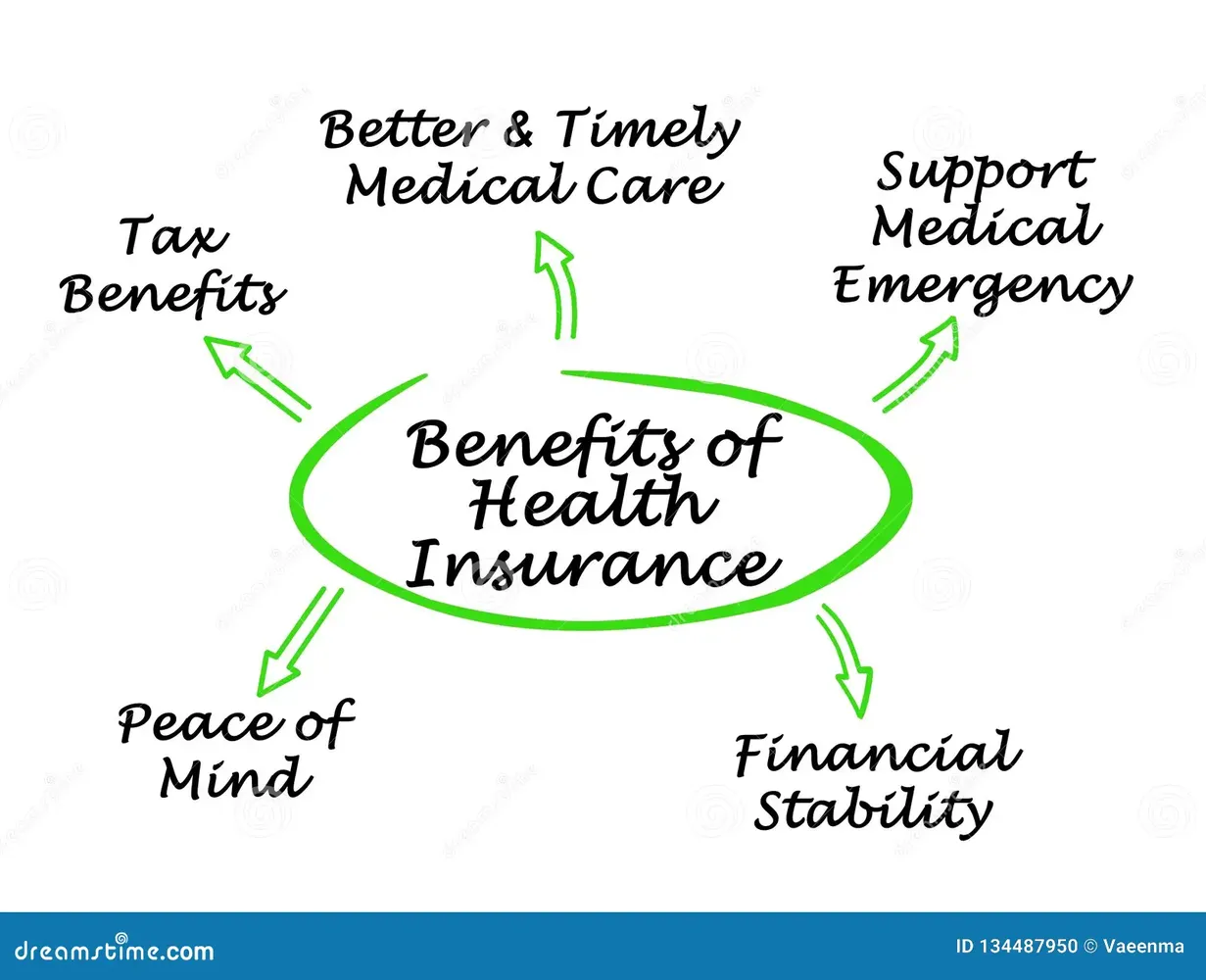
Why the Benefits of Having Health Insurance Are Essential for Families
Without health insurance, a single emergency room visit, hospital stay, surgery, or chronic condition can cost tens or hundreds of thousands of dollars — pushing many families into debt, bankruptcy, or delayed care that worsens health. The benefits of having health insurance change that reality: they cap your maximum spending (OOP max), cover preventive services at no cost to catch problems early, provide access to specialists and treatments you might otherwise skip, protect against catastrophic bills, and offer peace of mind so parents can focus on family instead of worrying about “what if someone gets sick?” In 2026, with medical costs continuing to rise, the benefits of having health insurance are more valuable than ever — turning potential financial disasters into manageable expenses and supporting better long-term health for everyone in the household.
Key Benefits of Having Health Insurance in 2026
1. Financial Protection from Catastrophic Medical Bills
One of the greatest benefits of having health insurance is shielding your family from massive uncovered costs — average hospital stay without insurance costs $10,000–$50,000+, while serious illness/surgery can exceed $100,000–$500,000. Insurance limits your risk through out-of-pocket maximums (typically $8,000–$18,000 per family in 2026) — after hitting it, the plan pays 100% of covered services for the year. This single benefit prevents medical debt (top bankruptcy cause) and keeps savings/home intact.
2. Free Preventive Care & Early Detection
A standout benefit of having health insurance is $0-cost preventive services on ACA-compliant plans — annual checkups, vaccines, cancer screenings, well-child visits, prenatal care, and more with no deductible or copay. Families using these fully save $500–$2,000+ yearly in avoided future costs and improve outcomes — early detection boosts cancer survival rates 20–50%+, chronic conditions managed better, kids vaccinated on schedule. Skipping care due to cost is far riskier without insurance.
3. Access to Timely Medical Care & Specialists
One of the practical benefits of having health insurance is seeing doctors, specialists, and hospitals when needed — not delaying due to cost. Insured patients get faster appointments, specialist referrals, diagnostic tests, and treatments — reducing complications from untreated issues. Uninsured often skip or delay care, leading to worse health and higher long-term expenses.
4. Prescription Drug Coverage
Health insurance provides formulary coverage for medications — generics often $10–$50 vs $100–$500+ without. For families with chronic conditions (asthma, ADHD, diabetes, hypertension), this benefit of having health insurance saves $500–$5,000+ annually and ensures consistent treatment — improving quality of life and preventing hospitalizations.
5. Maternity, Newborn & Pediatric Protection
For growing families, major benefits of having health insurance include comprehensive maternity (prenatal, delivery, postpartum), newborn care, and pediatric services — often with low/no copays. Without coverage, childbirth averages $10,000–$30,000+, NICU stays $50,000+, pediatric specialists thousands per visit. Insurance makes family planning and child health affordable and safe.
6. Mental & Behavioral Health Support
Modern plans cover mental health parity (same cost-sharing as physical care) — therapy, counseling, psychiatric visits, addiction treatment. One of the growing benefits of having health insurance is reduced stigma and better access — families save thousands and support emotional well-being, especially important for teens and parents under stress.
7. Emergency & Hospitalization Coverage
Emergencies happen — accidents, sudden illness, appendicitis, heart issues. Benefits of having health insurance include emergency room/hospital coverage after deductible (often with reasonable copays), protecting against $20,000–$100,000+ bills. Uninsured face full charges or charity care limits — insurance ensures treatment without financial ruin.
8. Peace of Mind & Reduced Stress
One of the emotional benefits of having health insurance is knowing your family is protected — no panic over “how will we pay?” if someone gets sick. Parents sleep better, focus on life instead of worst-case scenarios, and avoid delaying care due to cost fears — improving overall family well-being.
Benefits of Having Health Insurance – Key Data & Statistics Table
| Benefit | Typical Savings/Protection | Real Impact |
|---|---|---|
| Financial Protection | OOP max $8k–$18k vs $26k–$100k+ uncovered | Prevents bankruptcy/medical debt |
| Preventive Care | $0 services → $500–$2,000/year saved | Early detection → better outcomes |
| Prescription Coverage | $500–$5,000/year on meds | Better chronic disease control |
| Maternity/Newborn | $10k–$50k+ covered vs full cost | Safe family planning |
| Emergency Care | Capped costs after deductible | Treatment without ruin |
| Mental Health | Parity coverage → lower therapy costs | Family emotional support |
Qualitative Benefits of Having Health Insurance – Family Perspective
Families with coverage describe reduced anxiety — knowing a child’s fever won’t mean choosing between doctor and groceries, or that a parent’s cancer screening is free and timely. The benefits of having health insurance include confidence to seek help early, support during life events (pregnancy, injury), and freedom from constant “what if” worry. Parents report better sleep, less financial stress, and ability to focus on raising happy, healthy kids instead of juggling medical bills.
Quantitative Health & Financial Benefits of Having Health Insurance
- Insured individuals: 25–40% lower mortality from treatable conditions vs uninsured
- Preventive screening rates: 50%+ higher among insured → earlier cancer detection (survival +20–50%)
- Medical debt avoidance: insured families face ~$2k–$10k average OOP vs $26k+ uninsured debt
- Chronic condition control: insured patients 30–50% better managed (diabetes/hypertension) → fewer hospitalizations
- Family savings: preventive + early care prevents $5k–$50k+ in advanced treatment costs
Real Family Stories – Benefits of Having Health Insurance in Action
- Family with newborn → insurance covered $28k delivery & NICU → OOP $4k vs full bill bankruptcy risk
- Parent’s routine screening found early cancer → treatment cost $60k covered vs $200k+ late-stage
- Child’s asthma meds & visits → $0 preventive + low copay Rx → family saved $3,200/year vs uninsured
- Emergency appendectomy → OOP max capped at $9k → insurance paid rest vs $45k uncovered
- Mental health therapy for teen → parity coverage → affordable sessions improved family well-being
How to Maximize the Benefits of Having Health Insurance
- Use $0 preventive services regularly — catch issues early
- Choose plan with reasonable OOP max & good network
- Verify prescriptions covered affordably
- Understand benefits — read SBC & Explanation of Benefits
- Seek care when needed — don’t delay due to cost fears
- Compare plans yearly — maximize value & subsidies
Protect Your Family & Explore Tanzania with Jaynevy Tours
The benefits of having health insurance give security at home — and freedom for safe adventures. We plan unforgettable Tanzania journeys — breathtaking Serengeti safaris, inspiring Mount Kilimanjaro climbs, and relaxing Zanzibar escapes. Family memories without worry — contact Jaynevy Tours today!
Frequently Asked Questions
What are the main benefits of having health insurance?
Core benefits include financial protection from high medical bills (average hospital stay $10k–$50k+ without insurance), access to preventive care at $0, timely treatment for illnesses/injuries, coverage for prescriptions/maternity/mental health, peace of mind, better health outcomes (lower mortality from treatable conditions), and family security against debt or bankruptcy.
How does health insurance save money in the long run?
Insurance reduces catastrophic costs — uninsured families face average $26,000 medical debt after major events vs insured OOP max $8k–$18k. Preventive care ($0) catches issues early, saving $1k–$10k+ in future treatment. Subsidized plans cost $100–$500/mo vs $10k–$100k+ uncovered bills.
Why is preventive care one of the biggest benefits of having health insurance?
ACA-compliant plans cover checkups, vaccines, screenings, prenatal care at $0 — no deductible/copay. Regular use prevents serious conditions (e.g., cancer detected early saves $50k–$200k+ in treatment). Uninsured skip care → higher mortality & costs later.
Does health insurance really protect families from financial ruin?
Yes — OOP max caps yearly spending ($8k–$18k family in 2026), insurance pays 100% after. Without insurance, single hospital stay averages $26k–$100k+, often leading to bankruptcy (medical debt is top cause in US). Insured families avoid this risk.
What are the health outcome benefits of having health insurance?
Insured individuals have 25–40% lower mortality from treatable conditions, 50%+ higher preventive screening rates, earlier diagnosis (cancer survival +20–50%), better chronic disease management (diabetes/hypertension control), and reduced untreated mental health issues — leading to longer, healthier lives.