

The Allure of Cultural Tourism
Cultural tourism connects travelers with the soul of a destination, offering experiences rooted in history, art, and traditions. Globally, cultural tourism generates $1 trillion annually, supporting 40 million jobs and preserving over 1,100 UNESCO World Heritage Sites.
Top 10 Cities for Cultural Tourism
1. Rome, Italy
Historical Significance: Ancient Roman Empire
Key Attractions: Colosseum, Roman Forum, Vatican City
Rome’s 7 UNESCO sites draw 7.6 million visitors yearly. Its Renaissance art and annual festivals like Carnevale make it a cultural epicenter.

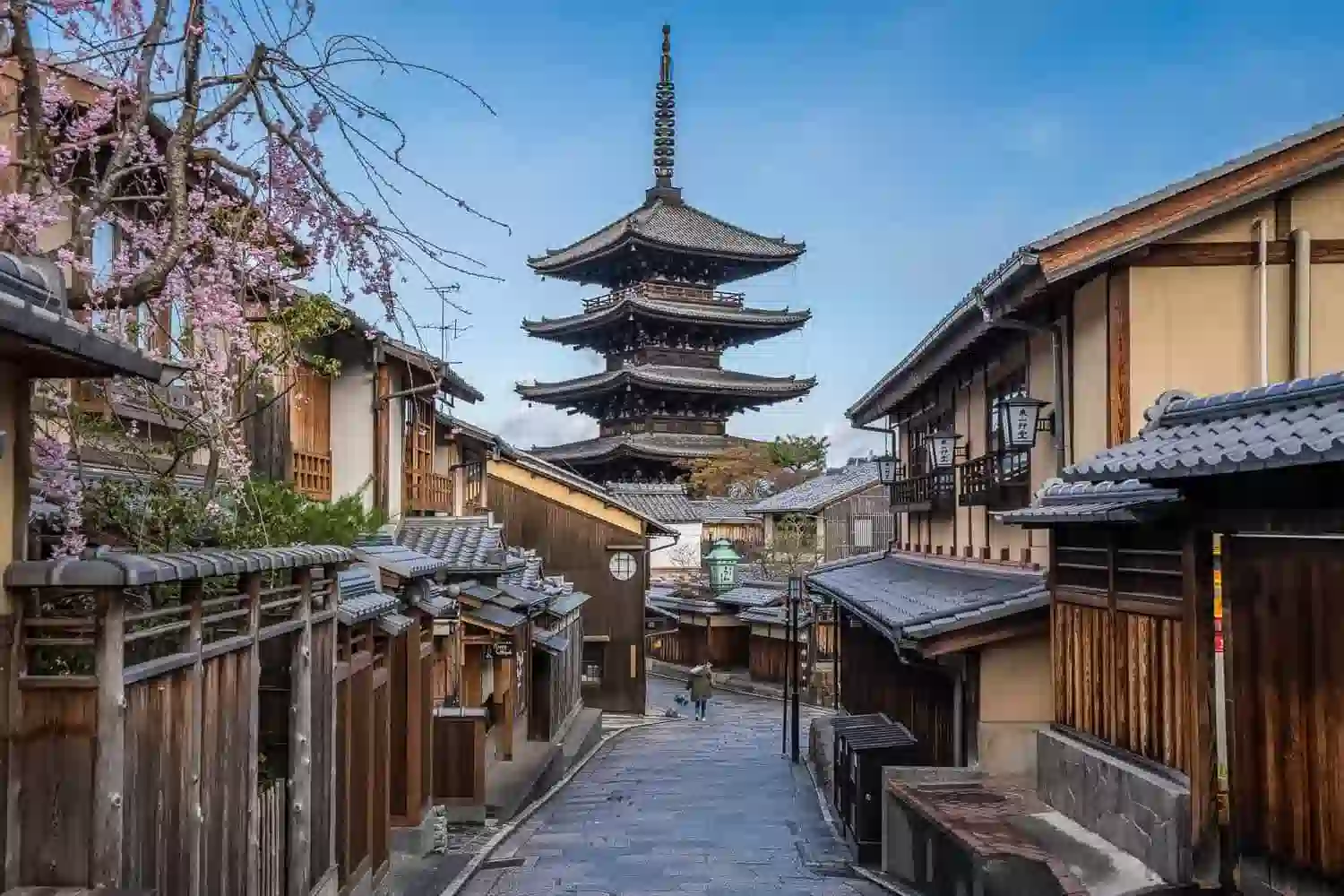
2. Kyoto, Japan
Historical Significance: Imperial Japan
Key Attractions: Kinkaku-ji, Fushimi Inari Shrine
With 17 UNESCO sites, Kyoto hosts 5 million tourists annually. Its geisha culture and Gion Matsuri festival preserve ancient traditions.
3. Athens, Greece
Historical Significance: Cradle of Democracy
Key Attractions: Acropolis, Parthenon
Athens’ 2 UNESCO sites attract 6.3 million visitors yearly. Its ancient theaters and philosophical heritage inspire cultural enthusiasts.

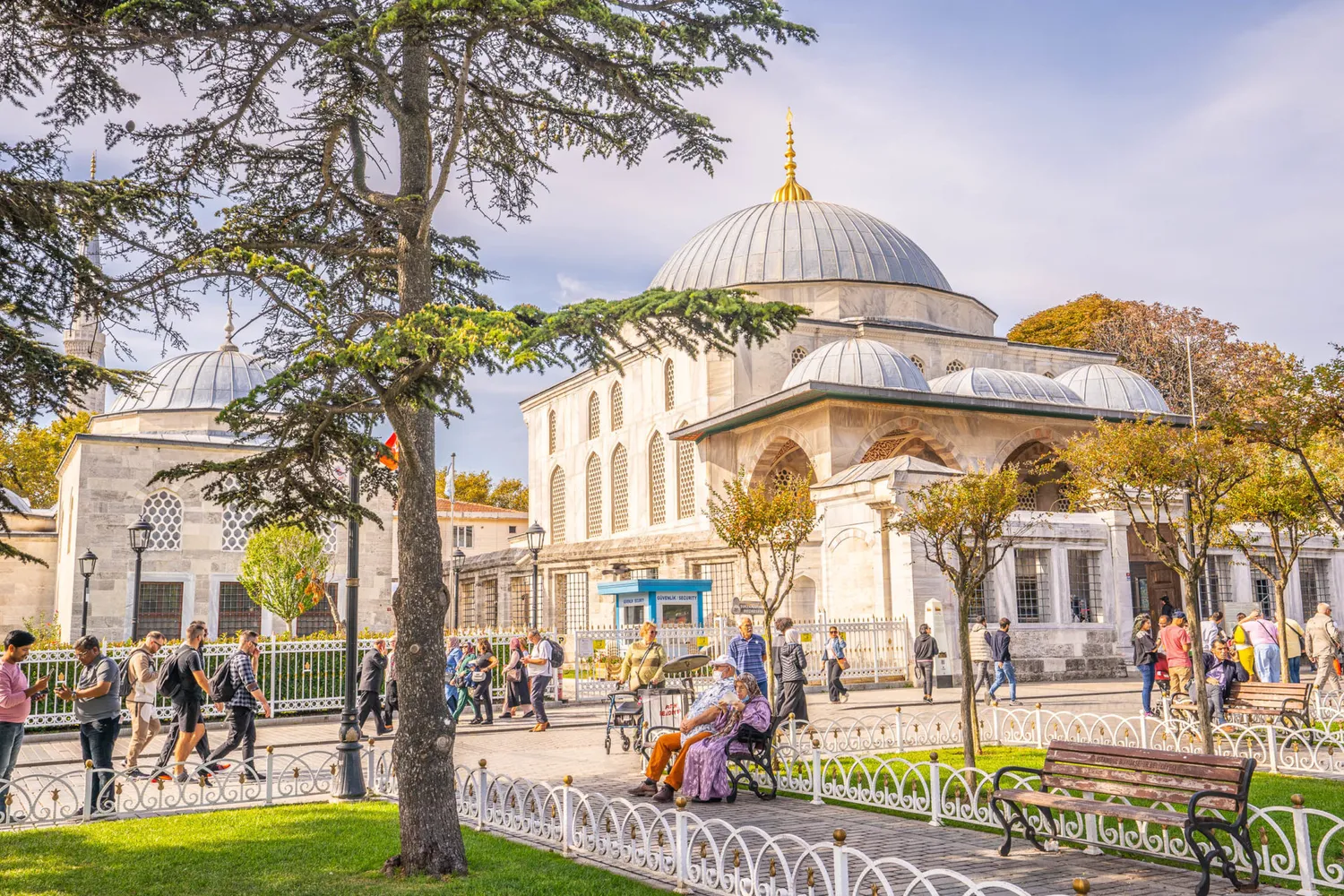
4. Istanbul, Turkey
Historical Significance: Byzantine and Ottoman Empires
Key Attractions: Hagia Sophia, Blue Mosque
Istanbul’s 4 UNESCO sites and vibrant bazaars draw 12.5 million visitors annually, blending European and Asian cultures.
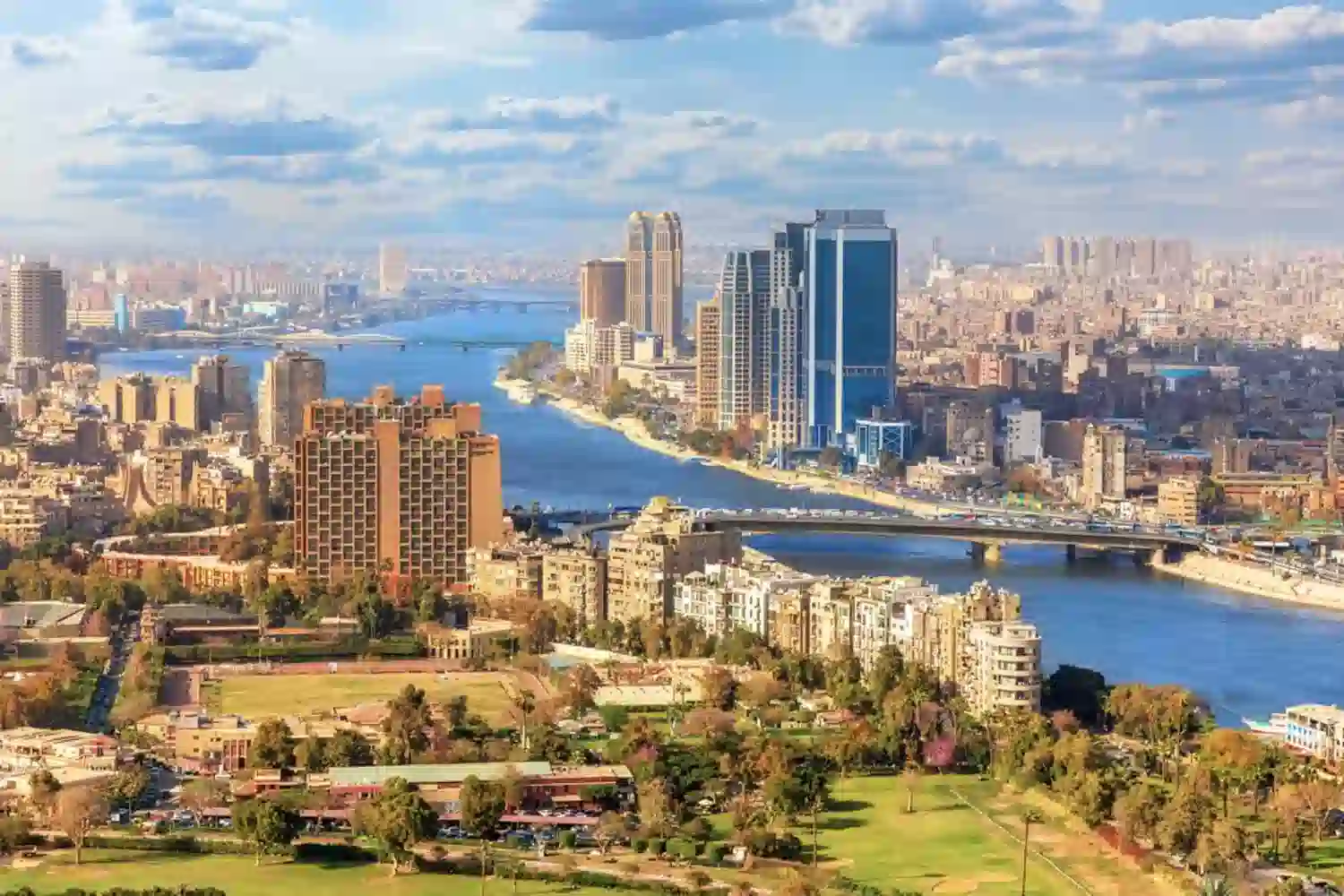
5. Cairo, Egypt
Historical Significance: Ancient Egyptian Civilization
Key Attractions: Pyramids of Giza, Egyptian Museum
Cairo’s UNESCO-listed Pyramids attract 14.7 million tourists yearly, with Islamic Cairo adding medieval charm.
6. Florence, Italy
Historical Significance: Renaissance Hub
Key Attractions: Uffizi Gallery, Florence Cathedral
Florence’s UNESCO-listed center hosts 10 million visitors yearly, showcasing Renaissance art like Botticelli’s Birth of Venus.
7. Beijing, China
Historical Significance: Imperial China
Key Attractions: Forbidden City, Great Wall
Beijing’s 7 UNESCO sites draw 17 million tourists annually. Its traditional hutongs and Peking opera offer cultural immersion.
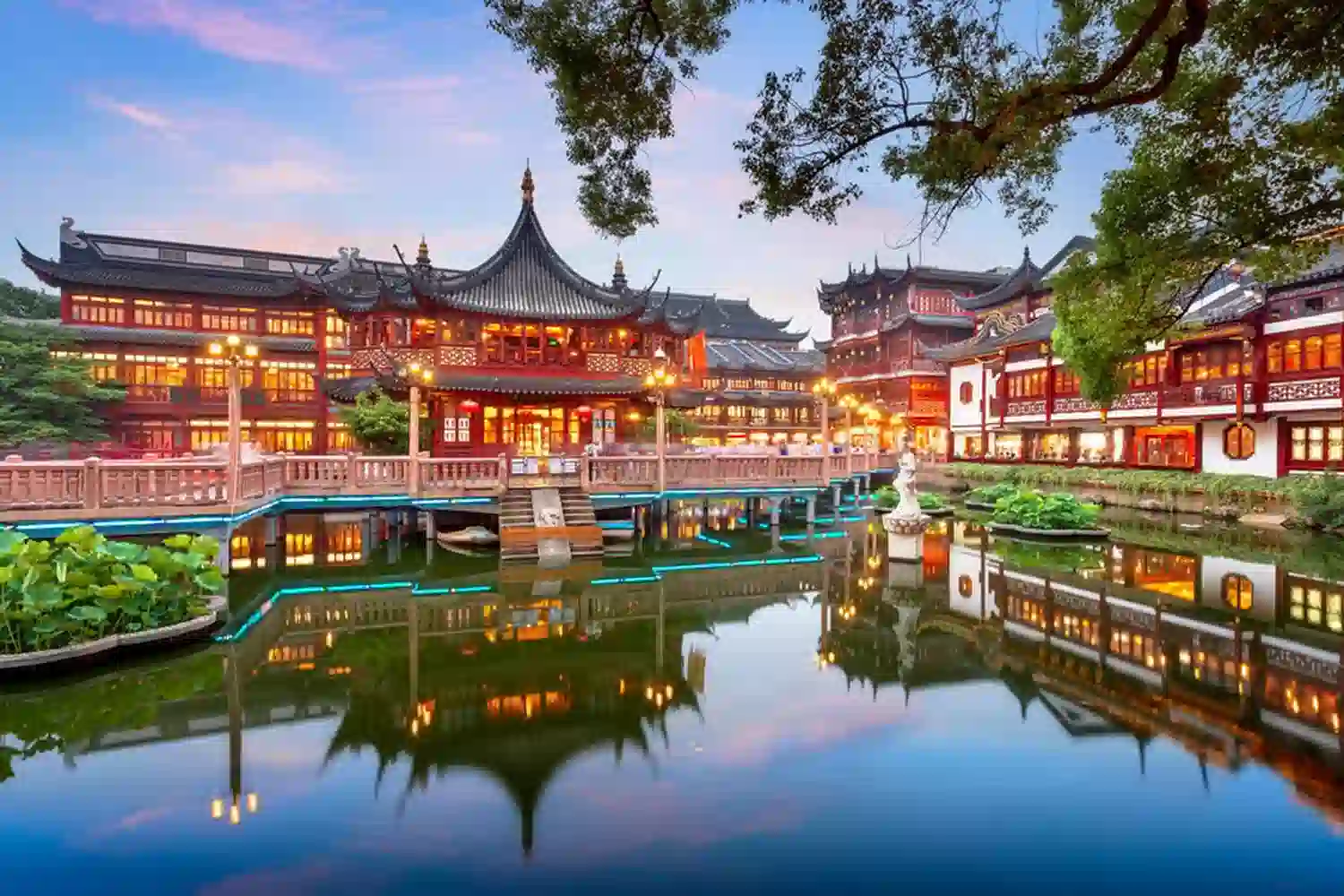
8. Jerusalem, Israel
Historical Significance: Religious Crossroads
Key Attractions: Western Wall, Church of the Holy Sepulchre
Jerusalem’s UNESCO-listed Old City attracts 3.5 million pilgrims yearly, blending Jewish, Christian, and Islamic heritage.
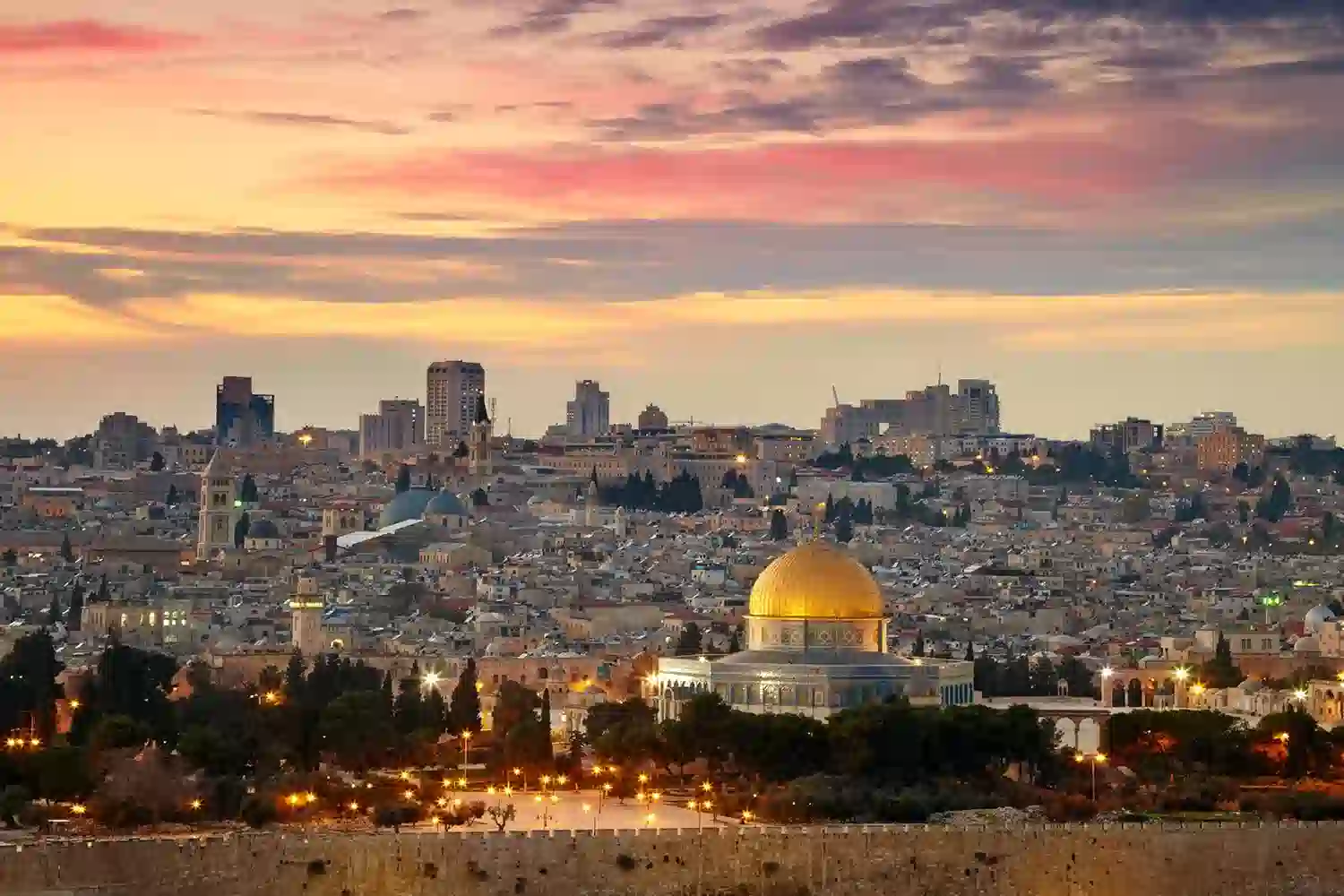
9. Cusco, Peru
Historical Significance: Inca Empire
Key Attractions: Machu Picchu, Sacsayhuaman
Cusco’s UNESCO status and proximity to Machu Picchu draw 2.5 million visitors yearly, showcasing Incan and colonial heritage.
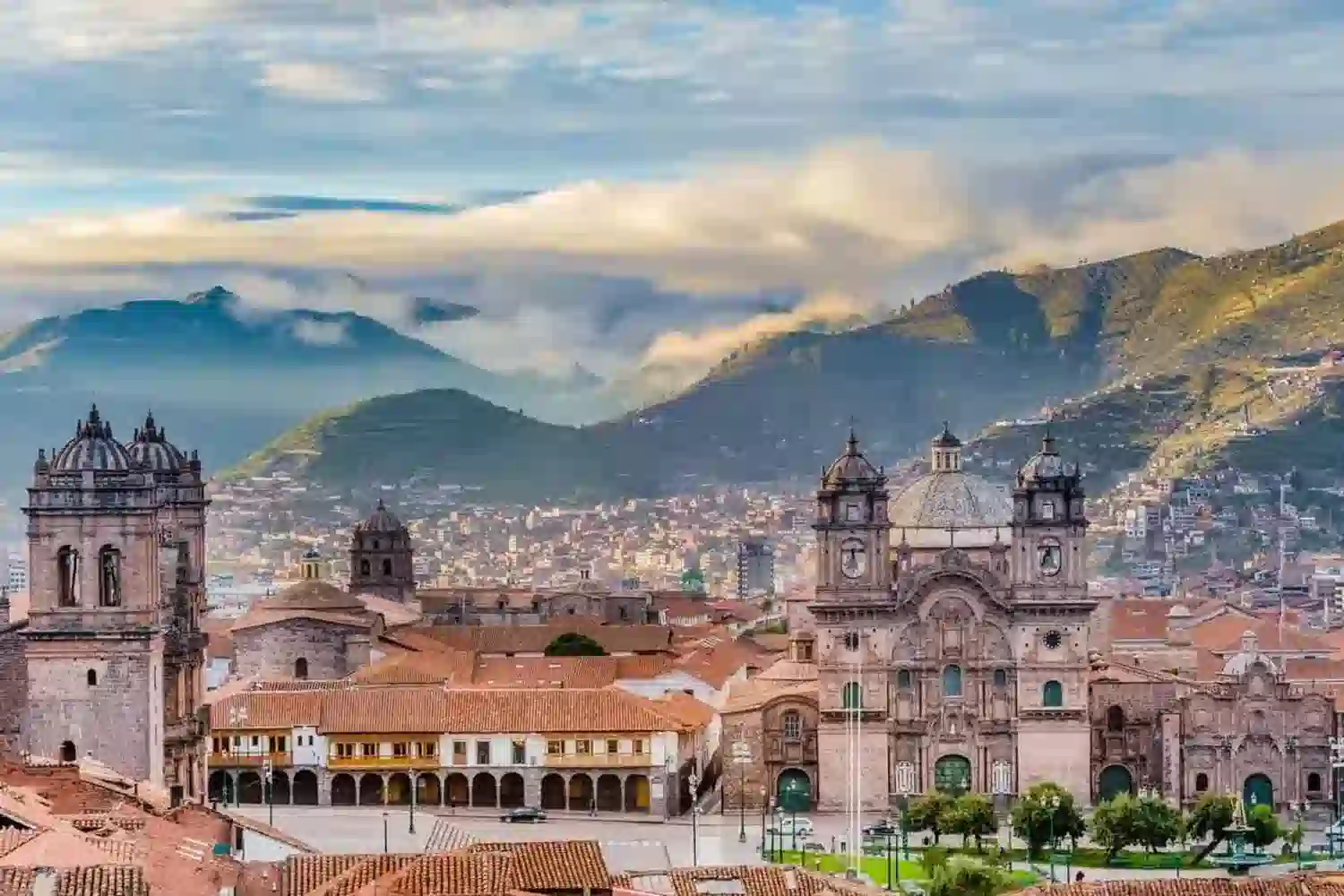
10. Luang Prabang, Laos
Historical Significance: Buddhist Heritage
Key Attractions: Wat Xieng Thong, Alms-Giving Ceremony
This UNESCO-listed city draws 1 million visitors yearly for its temples and French colonial architecture.
Cultural Tourism Statistics Table
| City | Country | UNESCO Sites | Annual Visitors (Millions) | Key Cultural Event |
|---|---|---|---|---|
| Rome | Italy | 7 | 7.6 | Carnevale |
| Kyoto | Japan | 17 | 5.0 | Gion Matsuri |
| Athens | Greece | 2 | 6.3 | Athens Festival |
| Istanbul | Turkey | 4 | 12.5 | Istanbul Biennial |
| Cairo | Egypt | 1 | 14.7 | Cairo Int'l Film Festival |
| Florence | Italy | 1 | 10.0 | Florence Dance Festival |
| Beijing | China | 7 | 17.0 | Chinese New Year |
| Jerusalem | Israel | 1 | 3.5 | Jerusalem Light Festival |
| Cusco | Peru | 1 | 2.5 | Inti Raymi |
| Luang Prabang | Laos | 1 | 1.0 | Alms-Giving Ceremony |
Why Choose Cultural Tourism?
- Historical Immersion: Cities like Rome and Athens offer 2,000+ years of history, with 60% of tourists seeking ancient sites.
- Cultural Festivals: Events like Kyoto’s Gion Matsuri attract 1 million attendees, showcasing living traditions.
- Art and Architecture: Florence generates $2 billion in tourism revenue from Renaissance art.
- Spiritual Experiences: Jerusalem and Luang Prabang draw 30% of their visitors for religious tourism.
- Economic Impact: Cultural tourism supports local artisans, with Istanbul’s bazaars contributing $1 billion annually.
Qualitative Insights: Voices from the Cities
A Roman guide shared, “The Colosseum’s energy feels alive with history.” A Kyoto artisan said, “Our tea ceremonies teach patience and respect.” In Luang Prabang, a monk noted, “The alms-giving ceremony connects visitors to our Buddhist values.” These insights highlight the emotional depth of cultural tourism.
Economic and Social Impact
Cultural tourism sustains 40 million jobs globally, with cities like Beijing investing $500 million yearly in heritage preservation. However, overtourism challenges sites, with Florence capping visitors at 10 million to protect its heritage. Sustainable practices are vital for balancing tourism and conservation.
Planning Your Cultural Journey
- Timing Matters: Visit in spring or fall for mild weather and 20% fewer crowds.
- Guided Tours: 80% of cultural tourists prefer expert-led tours for deeper insights.
- Local Engagement: Participate in workshops, like pottery in Kyoto or cooking in Istanbul.
- Sustainable Travel: Support eco-friendly tours to preserve sites like Machu Picchu.
- Festival Planning: Align visits with events like Cusco’s Inti Raymi for authentic experiences.
Challenges in Cultural Tourism
- Overtourism: Cairo’s Pyramids face strain from 14.7 million visitors yearly.
- Preservation Costs: Maintaining sites like the Acropolis costs $100 million annually.
- Cultural Sensitivity: 25% of tourist complaints involve disrespect for local customs.
- Accessibility: Remote sites like Luang Prabang require improved infrastructure for tourists.
Future of Cultural Tourism
By 2030, cultural tourism is projected to grow by 15%, with digital tools like virtual reality enhancing pre-visit engagement. Emerging destinations like Tbilisi, Georgia, and sustainable tourism initiatives will preserve 50% more heritage sites.
Travel with Jaynevy Tours
Experience these cultural cities with Jaynevy Tours. From Mount Kilimanjaro treks to Zanzibar beaches and Serengeti safaris, we craft unforgettable cultural journeys. Book now!
Frequently Asked Questions
What are the best cities for cultural tourism?
Top cities include Rome, Kyoto, Athens, Istanbul, Cairo, Florence, Beijing, Jerusalem, Cusco, and Luang Prabang, known for their history and traditions.
Why is cultural tourism important?
Cultural tourism preserves heritage, supports local economies, and offers immersive experiences, contributing $1 trillion globally.
Which city offers the richest historical experience?
Rome, with seven UNESCO sites like the Colosseum, offers a rich blend of ancient Roman and Renaissance history.
When is the best time to visit these cultural cities?
Spring (April-May) and fall (September-October) offer mild weather and fewer crowds for optimal cultural exploration.
How can I plan a cultural tourism trip?
Choose guided tours with Jaynevy Tours, attend local festivals, and visit UNESCO sites for a deep cultural experience.