

Overview of Africa’s Biggest Cities
Africa’s urban landscape is transforming, with cities leading by GDP, land mass, area, development, and infrastructure. This guide by Jaynevy Tours ranks the continent’s largest cities across these metrics, offering maps, qualitative narratives from residents, and quantitative data from the World Bank and UN-Habitat.
Biggest City by GDP: Johannesburg, South Africa
Johannesburg, South Africa’s economic hub, boasts a GDP of $76 billion in 2026, per World Bank estimates, driving 15% of the nation’s economy. With a population of 5.6 million, it thrives on mining, finance, and tech, contributing $12 billion in exports. Qualitative accounts from business owners highlight its vibrant Sandton district, while 80% of roads are paved, and 90% of households have electricity.

Largest City by Land Mass: Kinshasa, Democratic Republic of Congo
Kinshasa spans 9,965 km², making it Africa’s largest city by land mass, housing 15 million people. Its vast area includes sprawling suburbs, but only 30% of roads are paved due to funding gaps. Residents share stories of resilience amid challenges, with the Congo River boosting trade, contributing $5 billion annually to the local economy.

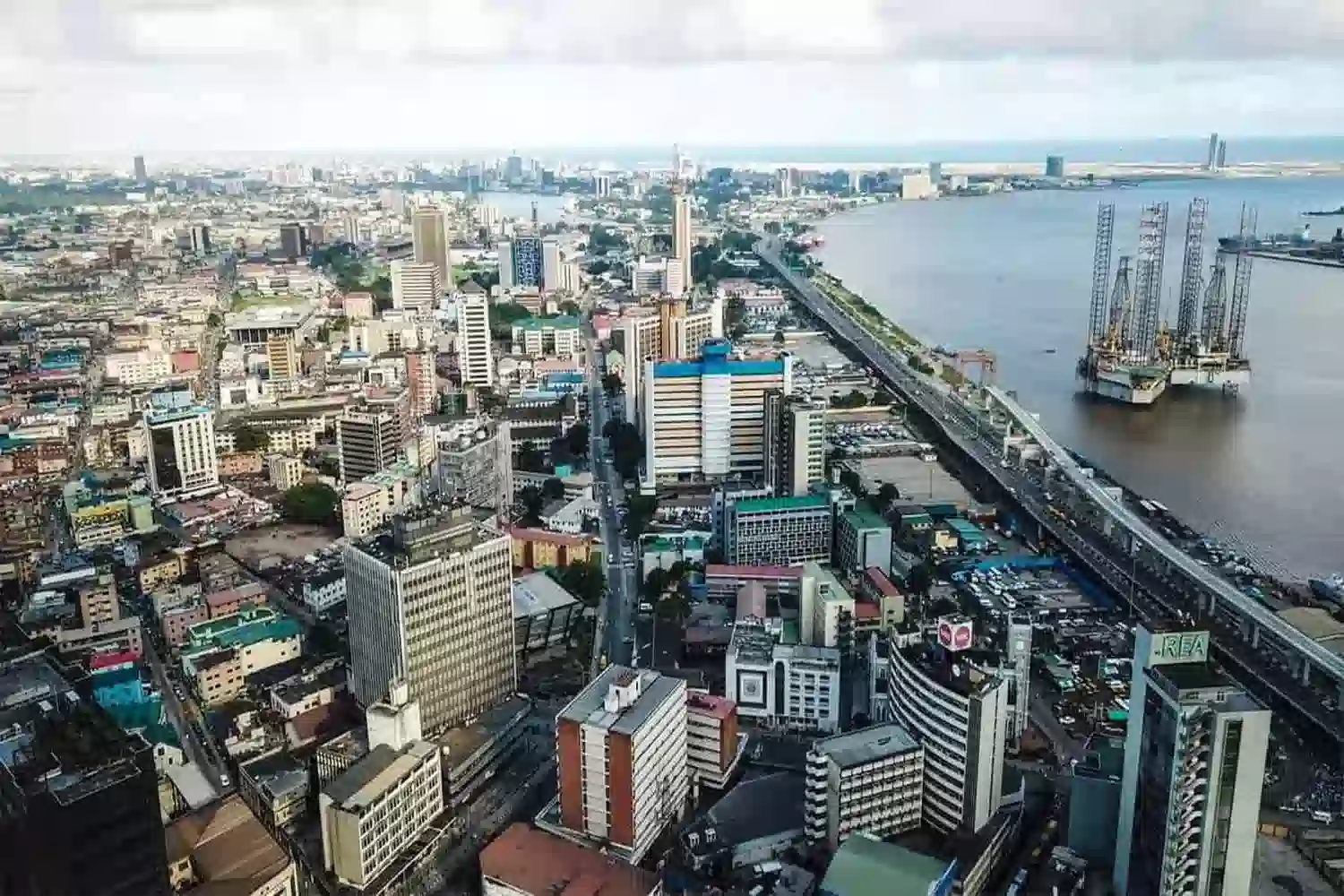
Biggest City by Area: Lagos, Nigeria
Lagos covers 1,171 km² with a population of 14.8 million, ranking high by area. Its port handles $30 billion in trade yearly, but congestion is a concern, with 60% of roads paved. Qualitative insights from traders praise its market vibrancy, while urban planning aims to expand infrastructure by 10% in 2026.
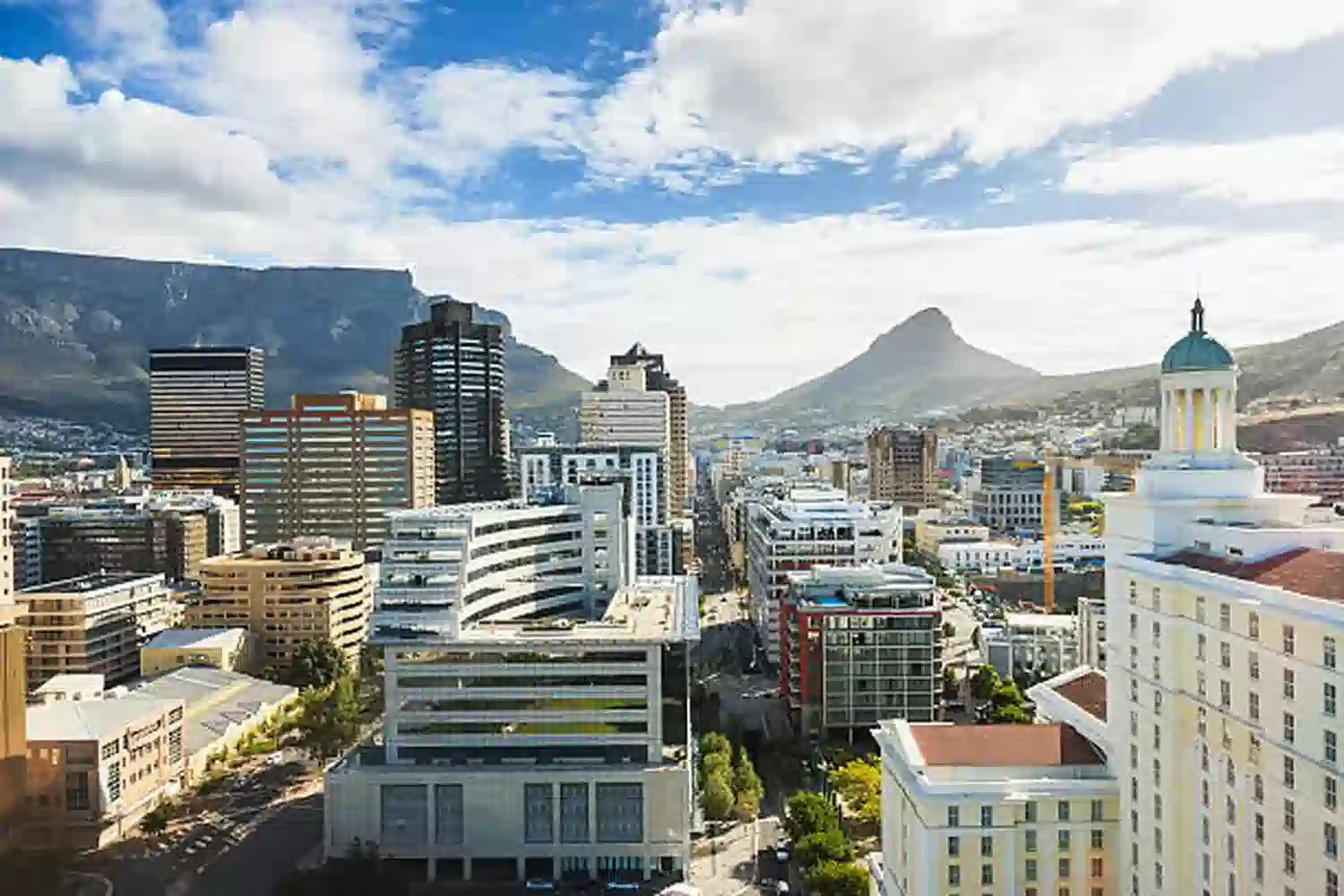
Most Developed City: Cape Town, South Africa
Cape Town leads in development with an HDI of 0.78, reflecting advanced infrastructure. With 85% paved roads, 95% electricity access, and modern healthcare, its 4.7 million residents benefit from a $40 billion economy. Locals describe its scenic beauty and tech growth, with 20% annual investment in urban projects.
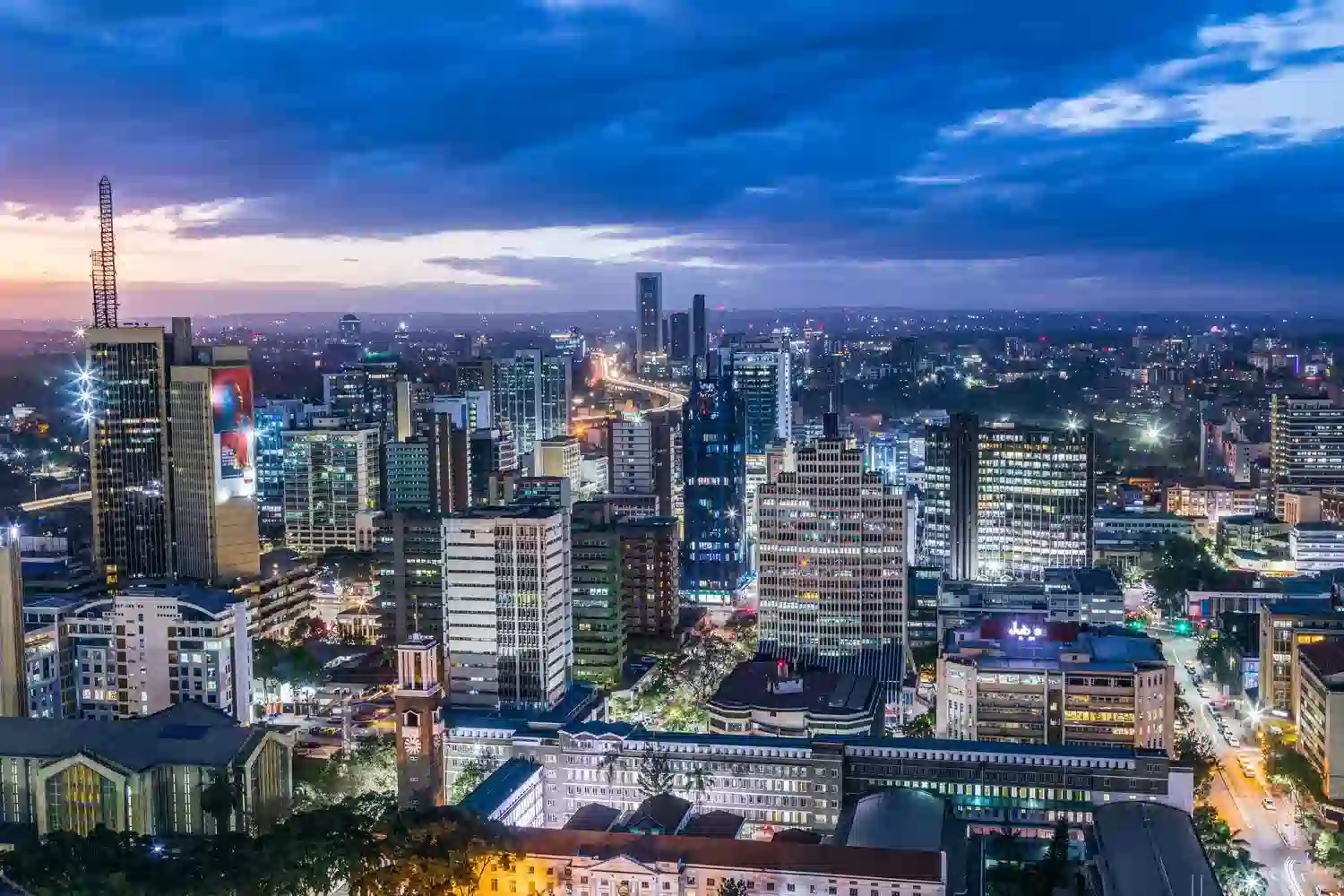
Best Infrastructure: Nairobi, Kenya
Nairobi excels in infrastructure, with 75% paved roads, a new $3 billion metro system, and 88% electricity coverage for its 4.9 million people. Its $35 billion GDP grows 5% yearly, fueled by tech hubs. Residents note improved transport, though water access at 70% remains a challenge.
Comparative City Statistics Table
| City | GDP (USD Billion) | Land Mass (km²) | Area (km²) | Development (HDI) | Paved Roads (%) |
|---|---|---|---|---|---|
| Johannesburg | 76 | 1,645 | 1,645 | 0.75 | 80% |
| Kinshasa | 5 | 9,965 | 9,965 | 0.45 | 30% |
| Lagos | 84 | 1,171 | 1,171 | 0.58 | 60% |
| Cape Town | 40 | 2,444 | 2,444 | 0.78 | 85% |
| Nairobi | 35 | 696 | 696 | 0.64 | 75% |
Factors Influencing City Rankings
- Economic Activity: Johannesburg’s mining and finance drive its GDP leadership.
- Geography: Kinshasa’s riverine location expands its land mass.
- Urban Planning: Cape Town’s investment boosts development.
- Infrastructure Growth: Nairobi’s metro enhances connectivity.
- Population Density: Lagos’ 12,600 people/km² fuels economic output.
Maps and Visual Insights
Explore interactive maps of these cities on Jaynevy Tours. Johannesburg’s financial core, Kinshasa’s vast sprawl, Lagos’ coastal layout, Cape Town’s scenic design, and Nairobi’s green spaces are detailed, aiding travelers and researchers.
Challenges and Future Prospects
Urban challenges include Lagos’ congestion (20% traffic increase in 2026) and Kinshasa’s infrastructure lag (planned 15% road upgrade). Future growth hinges on Nairobi’s tech boom (projected 8% GDP rise) and Cape Town’s sustainability focus (25% renewable energy target).
Explore African Cities with Jaynevy Tours
Plan your visit to these vibrant cities with Jaynevy Tours. From Mount Kilimanjaro treks to Zanzibar beaches, experience Africa’s urban and natural wonders!
Frequently Asked Questions
Which is the biggest city in Africa by GDP?
Johannesburg is the biggest city in Africa by GDP, contributing $76 billion annually.
What is the largest city by land mass in Africa?
Kinshasa is the largest city by land mass, spanning 9,965 km².
Which city has the best infrastructure?
Cape Town leads with 85% paved roads and modern utilities.
How is city development measured?
Development is measured by infrastructure, HDI, and urban planning.
Where can I find a map of African cities?
Maps are available on official tourism sites like Jaynevy Tours.