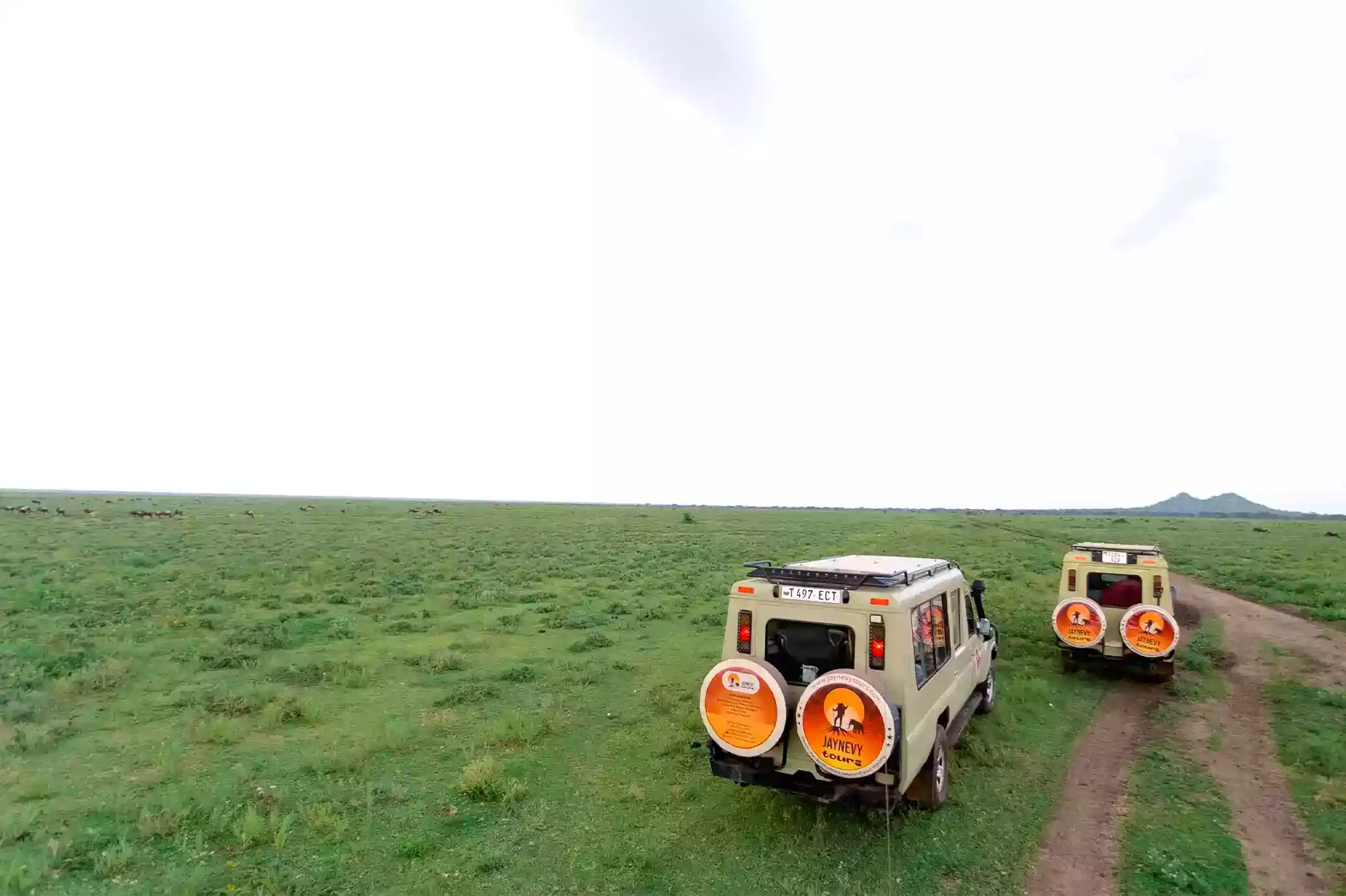
Tanzania Safari – Serengeti & Ngorongoro Adventures
Discover unforgettable Tanzania safari experiences including Serengeti National Park and the Ngorongoro Crater, home to the Big Five and breathtaking African landscapes.

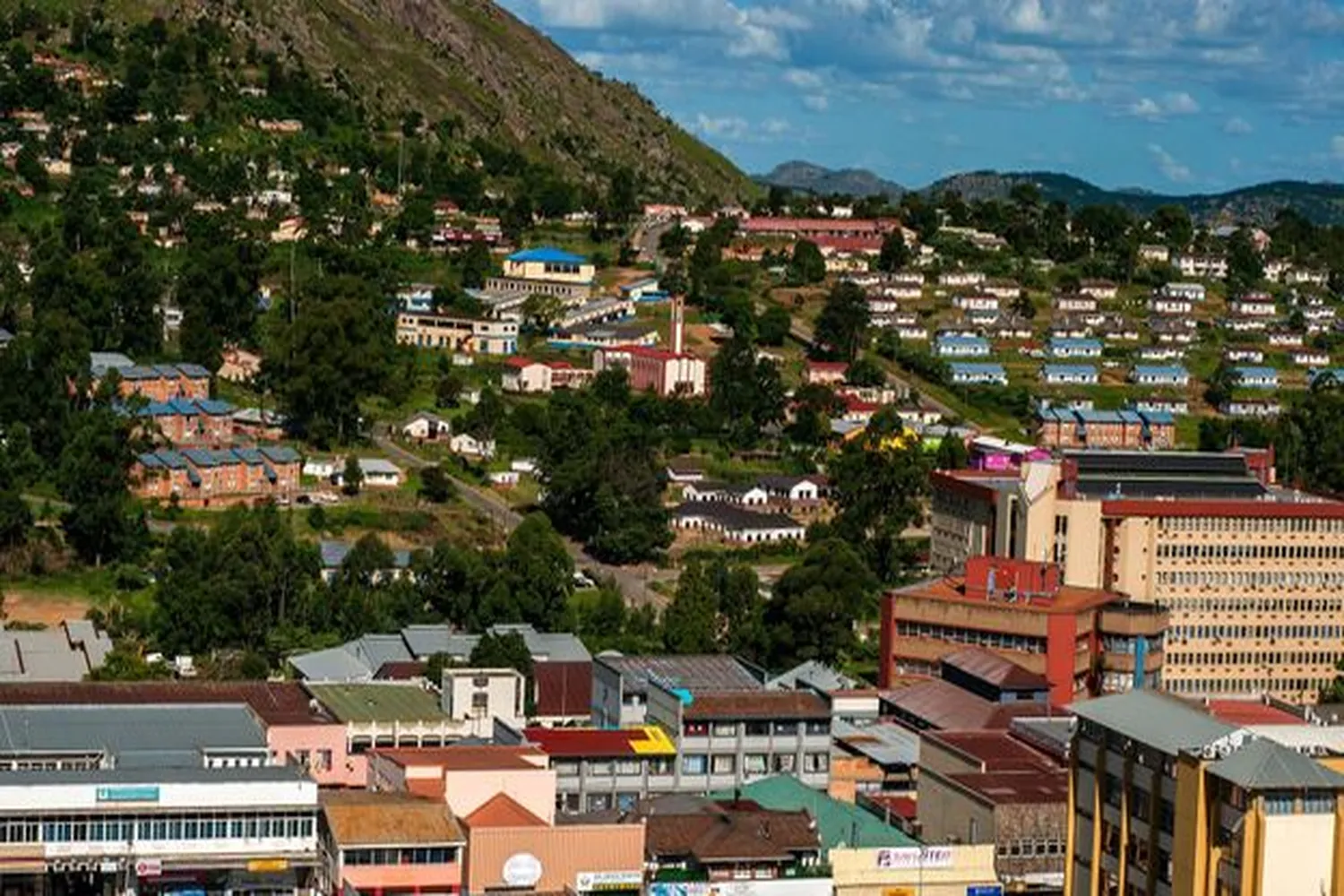
Eswatini, the enchanting Kingdom nestled in Southern Africa, offers a captivating blend of vibrant culture, breathtaking landscapes, and untapped economic potential. This Complete Guide to Eswatini Travel, Investment & Important Facts is your essential companion, providing in-depth insights into Eswatini travel essentials, lucrative investment avenues, and crucial facts that make this hidden gem a must-visit destination. Whether you're planning Eswatini travel adventures or exploring Eswatini investment opportunities, this guide unlocks the Kingdom's secrets for an unforgettable experience.
Eswatini's rich history dates back millennia, with evidence of human settlement over 200,000 years old. The Swazi people, of Nguni origin, migrated in the 16th century, forming clans under the Dlamini dynasty. By the 19th century, under King Mswati II, the nation unified, earning its name. British protectorate status from 1903 ended with independence on September 6, 1968, under King Sobhuza II. In 2018, it reclaimed its indigenous name, Eswatini, symbolizing cultural revival.
Geographically, Eswatini spans 17,364 km², landlocked between South Africa and Mozambique. Its diverse terrain includes the Highveld's misty mountains (up to 1,862m at Emlembe), the Middleveld's rolling hills, and the Lowveld's savannas. This varied landscape supports four climatic zones, from cool highlands to hot lowlands, fostering biodiversity with over 1,000 bird species and the Big Five in reserves. In this Complete Guide to Eswatini Travel, Investment & Important Facts, understanding this geography enhances Eswatini travel planning and highlights investment in eco-tourism.
September 6, 1968, marks Eswatini's independence from British rule, celebrated annually as Somhlolo Day. This pivotal event transformed the protectorate into the Kingdom of Swaziland (renamed Eswatini in 2018), under King Sobhuza II's leadership. The transition preserved the absolute monarchy while fostering economic ties with the Commonwealth. For Eswatini travel enthusiasts, attending Somhlolo festivities offers rhythmic dances, regimental displays, and insights into national pride. Investors note this stability as a foundation for Eswatini investment opportunities in a politically enduring nation.
| Event | Date | Significance |
| British Protectorate | 1903 | Post-Boer War control |
| Independence | September 6, 1968 | Sovereignty achieved |
| Name Change | April 19, 2018 | Cultural reclamation |
This timeline underscores Eswatini's resilient spirit, making it a secure hub for Eswatini travel and investment in the Complete Guide to Eswatini Travel, Investment & Important Facts.
For seamless Eswatini travel, visa requirements are straightforward. Citizens of over 90 countries, including the USA, EU, Japan, and most Commonwealth nations, enjoy visa-free entry for up to 30 days. Extensions (another 30 days) are available at the Ministry of Home Affairs. Passports must be valid for 3 months beyond departure with two blank pages. For longer stays or other nationalities, apply via Eswatini missions abroad or the eVisa portal, requiring a passport photo, itinerary, and proof of funds.
Obtaining an Eswatini passport for citizens involves the Ministry of Home Affairs. Requirements include birth certificate, ID, two photos, and E172 fee for standard processing (up to 3 months validity). Travel documents for SADC travel cost less. Dual citizens must use the Eswatini passport when entering/exiting. In this Complete Guide to Eswatini Travel, Investment & Important Facts, these processes ensure hassle-free mobility for Eswatini travel and business ventures.
Eswatini's compact size belies its diverse attractions. Hlane Royal National Park boasts the Big Five, including rare lions and elephants, with guided walks and cultural village tours. Mlilwane Wildlife Sanctuary offers hiking amid hippos and antelope, blending nature and Swazi heritage. Ezulwini Valley, the royal heartland, features Mantenga Cultural Village's reed dances and craft markets. Malolotja Nature Reserve's granite domes and waterfalls suit adventurers, while Mkhaya Game Reserve provides exclusive rhino tracking. For urban vibes, Mbabane's markets and Sibebe Rock (world's second-largest monolith) captivate. These gems make Eswatini travel unforgettable in the Complete Guide to Eswatini Travel, Investment & Important Facts.
Eswatini beckons investors with its stable monarchy, AGOA benefits, and SEZ Act incentives like tax holidays and duty exemptions. Start with the Eswatini Investment Promotion Authority (EIPA) for one-stop registration. Key sectors: manufacturing (textiles, sugar), tourism (eco-lodges), agriculture (irrigation projects), and renewables (solar IPPs). FDI inflows hit $117M in 2021, focusing on exports to SACU and COMESA. Repatriation of profits is unrestricted, with corporate tax at 27.5% (lower in SEZs). Risks include land tenure issues on SNL, but urban plots are title-deed secure. This Complete Guide to Eswatini Travel, Investment & Important Facts equips you for Eswatini investment success.
Eswatini's economy, valued at $5.1B GDP (2023), thrives on services (50%), manufacturing (37%), and agriculture (13%). Sugar exports dominate, contributing 20% of GDP, followed by textiles under AGOA. Tourism injects $120M annually, with 500,000+ visitors. Mining (coal, diamonds) and forestry add diversity, while remittances from South Africa bolster forex. Challenges like HIV prevalence (27%) and youth unemployment (56%) spur reforms via the National Development Plan 2023-2028, targeting 5% growth. For Eswatini investment, this resilience offers entry points in agribusiness and renewables, as detailed in the Complete Guide to Eswatini Travel, Investment & Important Facts.
| Sector | Contribution to GDP | Key Exports |
| Agriculture | 13% | Sugar, maize |
| Manufacturing | 37% | Textiles, soft drinks |
| Services/Tourism | 50% | Wildlife safaris |
| Mining | 2% | Coal, iron ore |
Growth averaged 3% in 2024, with SACU receipts funding infrastructure, enhancing Eswatini travel appeal.
Stay connected during Eswatini travel with MTN Eswatini or Eswatini Mobile SIMs, available at airports, shops, and supermarkets for E10-50. Registration requires passport and photo. Plans start at E70 for 1GB data (30 days). Coverage is 95% nationwide, with 4G in urban areas. For business, opt for unlimited bundles. eSIMs are emerging via apps. This practical advice in the Complete Guide to Eswatini Travel, Investment & Important Facts ensures seamless navigation.
King Mswati III, Africa's last absolute monarch, ascended in 1986, wielding executive power alongside the Ndlovukati (Queen Mother). The dual governance blends Tinkhundla (traditional) and parliamentary systems, with no political parties since 1973. Prime Minister Russell Dlamini (2023) handles administration. Stability fosters Eswatini investment, though pro-democracy calls persist. Travelers respect royal customs, avoiding criticism. This overview in the Complete Guide to Eswatini Travel, Investment & Important Facts contextualizes the Kingdom's unique polity.
Political stability ranks high regionally, with SADC mediation ensuring peace, ideal for long-term Eswatini investment.
May-September's dry winter (5-25°C) is prime for Eswatini travel, with clear skies for safaris and festivals like Umhlanga (August). Avoid October-April rains unless birding. Safety: Level 1 (normal precautions); petty crime in Mbabane/Manzini—use taxis at night, avoid protests. Roads are good, but drive defensively. HIV awareness is key; water is safe in cities. Enroll in STEP for alerts. These tips ensure secure Eswatini travel per the Complete Guide to Eswatini Travel, Investment & Important Facts.
The Lilangeni (E) pegs 1:1 to the South African Rand, both legal tender. Exchange USD/EUR at banks (Nedbank, Standard) or forex bureaus in Mbabane for best rates (avoid airports). ATMs are widespread; cards accepted in cities. For Eswatini investment, forex stability aids cross-border trade. Opportunities abound in SEZs (tax-free zones) for manufacturing, tourism lodges yielding 15-20% ROI, and agrotech with government subsidies. FDI grew 10% in 2023, per UNCTAD. This section of the Complete Guide to Eswatini Travel, Investment & Important Facts demystifies finances.
Current rate: 1 USD ≈ E18. Exchange tips: Use banks for large amounts; carry Rand for rural areas.
Swazi culture thrives in polygamous homesteads, beadwork, and Sibhaca dances. History from Khoisan rock art to Dlamini unification shapes identity. Incwala (December) renews kingship with black ox rituals; Umhlanga (August) celebrates maidens' reeds. Bushfire Festival (May) blends global music with Swazi arts. Cuisine features emahewu (fermented porridge) and lihiya wraps. For Eswatini travel, these events offer authentic immersion, boosting cultural tourism investments.
Eswatini's stats reveal a dynamic nation: Population 1.2M (2024), 25% urban; GDP $5.1B, 3% growth; Unemployment 28%, youth 56%; HIV rate 27% (world's highest); Tourism 500K visitors/year, $120M revenue; Exports $2B (sugar 20%); Literacy 88%; Life expectancy 61 years. These figures guide Eswatini investment in health-tourism hybrids and green agriculture.
| Indicator | Value (2024) |
| Population | 1.2 million |
| GDP per Capita | $3,898 |
| Tourism Arrivals | 500,000 |
| FDI Inflows | $21M |
| Inflation | 5% |
These metrics position Eswatini as a growth hotspot in the Complete Guide to Eswatini Travel, Investment & Important Facts.
May-September for dry weather and safaris; August for Umhlanga in the Complete Guide to Eswatini Travel, Investment & Important Facts.
Yes, with precautions against petty crime; use guided tours for rural areas per the Complete Guide to Eswatini Travel, Investment & Important Facts.
Lilangeni (E), pegged to Rand; exchange at banks for Eswatini travel ease in the Complete Guide to Eswatini Travel, Investment & Important Facts.
Absolute monarchy under King Mswati III; stable for Eswatini investment as noted in the Complete Guide to Eswatini Travel, Investment & Important Facts.
Tourism, manufacturing, renewables; AGOA boosts exports in the Complete Guide to Eswatini Travel, Investment & Important Facts.
Discover unforgettable Tanzania safari experiences including Serengeti National Park and the Ngorongoro Crater, home to the Big Five and breathtaking African landscapes.
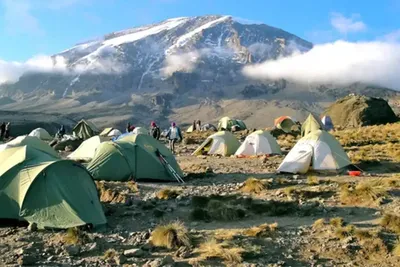
Explore Mount Kilimanjaro climbing routes and guided tours to Uhuru Peak, Africa’s highest mountain and one of the world’s most iconic trekking destinations.

Relax on the white-sand beaches of Zanzibar Island, explore Stone Town, spice farms, and enjoy tropical island vacations along the Indian Ocean.