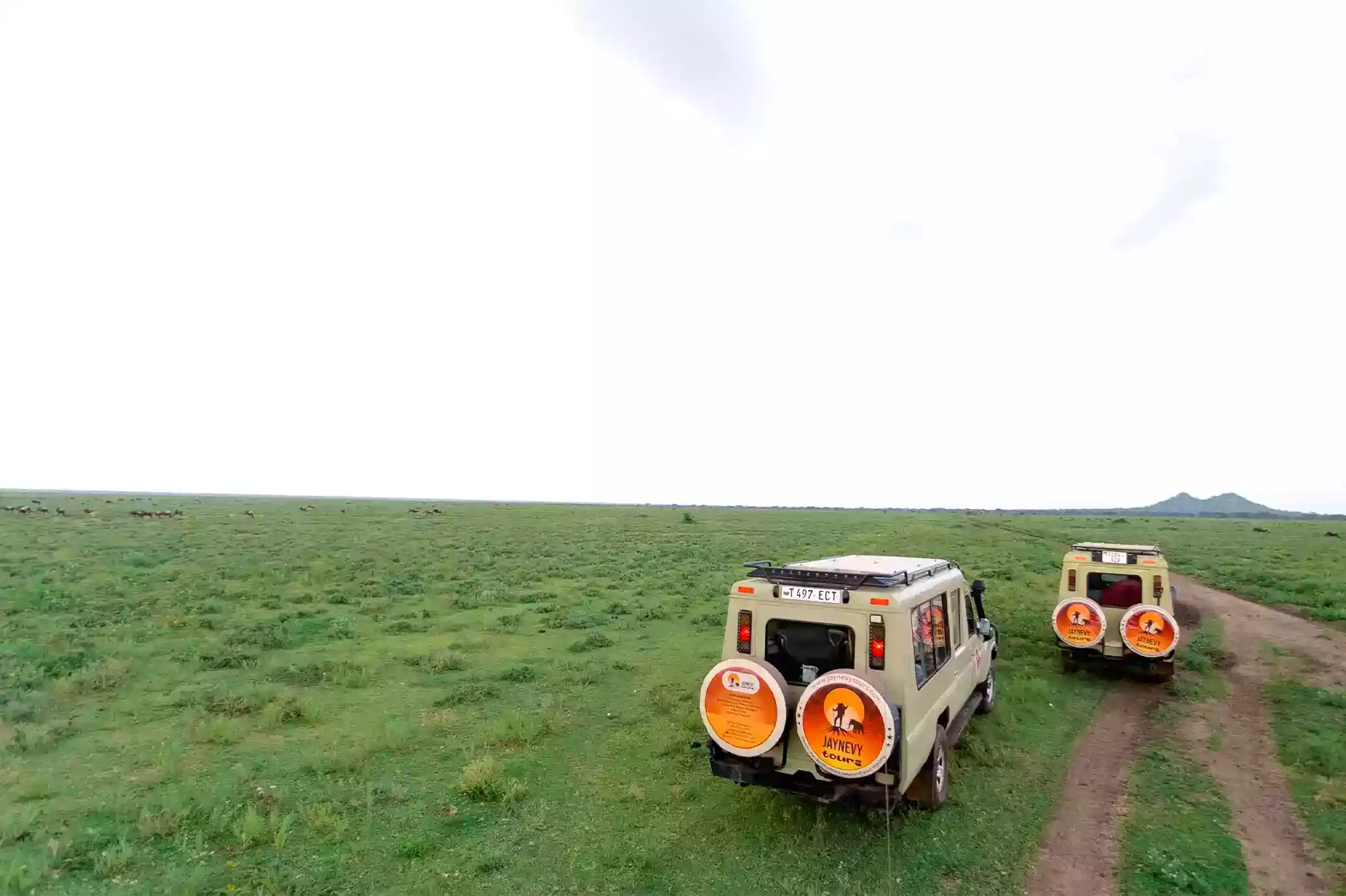
Tanzania Safari – Serengeti & Ngorongoro Adventures
Discover unforgettable Tanzania safari experiences including Serengeti National Park and the Ngorongoro Crater, home to the Big Five and breathtaking African landscapes.

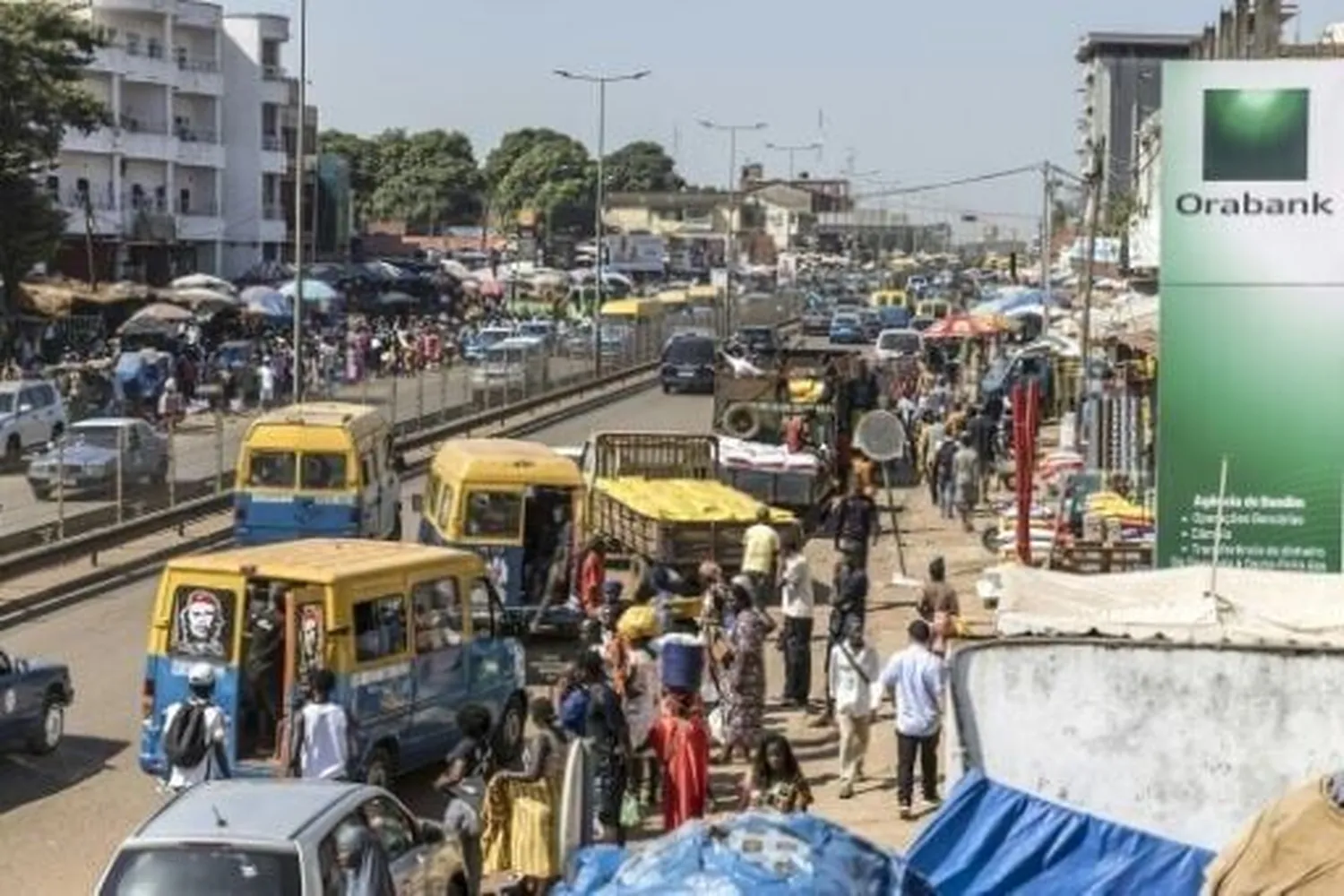
Guinea-Bissau – a hidden gem of West Africa – beckons with its pristine islands, vibrant culture, and untapped investment potential. This Complete Guide to Guinea-Bissau Travel, Investment & Important Facts dives deep into everything you need: from visa essentials and top attractions in the Bijagós Archipelago to lucrative opportunities in cashew agriculture and renewable energy, plus key Guinea-Bissau facts like its independence history and current political landscape. Whether planning your Guinea-Bissau travel adventure or eyeing Guinea-Bissau investment, this guide equips you with qualitative insights and quantitative data for an informed journey.
In this Complete Guide to Guinea-Bissau Travel, Investment & Important Facts, start with core Guinea-Bissau facts. With a population of approximately 2 million, Guinea-Bissau spans 36,125 km², featuring a tropical climate ideal for eco-tourism. The currency, West African CFA franc (XOF), ties it to stable regional economics, making it attractive for Guinea-Bissau investment. GDP stands at around $1.6 billion, with agriculture contributing 45% – a sector ripe for value-added processing ventures.
| Category | Details |
|---|---|
| Population | ~2,060,000 (2021 est.) |
| Currency | West African CFA franc (XOF); 1 USD ≈ 600 XOF |
| Climate | Tropical; rainy season June-Oct (avg. 2,000 mm rainfall) |
| GDP (2023) | $1.6 billion; Growth: 4.3% |
| Official Language | Portuguese; Creole widely spoken |
| Capital | Bissau (pop. ~600,000) |
Central to any Complete Guide to Guinea-Bissau Travel, Investment & Important Facts is the nation's independence story, which shapes its resilient spirit. Guinea-Bissau declared independence from Portugal on September 24, 1973, led by the PAIGC under Amílcar Cabral, though full recognition came on September 10, 1974 post-Carnation Revolution. This 11-year war of liberation, starting in 1963, claimed over 15,000 lives and established Guinea-Bissau as a symbol of anti-colonial struggle. Today, visiting sites like the Pidjiguiti Docks in Bissau – site of the 1959 massacre – offers travelers a profound connection to these Guinea-Bissau facts. For investors, this history underscores the government's push for economic sovereignty through sectors like agriculture, where cashew exports hit 200,000 tons annually, generating $300 million in revenue.
Navigating visas is crucial in this Complete Guide to Guinea-Bissau Travel, Investment & Important Facts. Most nationalities require a visa for Guinea-Bissau travel, but good news: visas on arrival are available at Osvaldo Vieira International Airport for €85 (about 55,000 XOF), valid for 90 days. Prepare a passport valid for 6+ months, return ticket, and yellow fever certificate. For advance applications, contact embassies in Dakar (Senegal) or Lisbon (Portugal) – processing takes 3-5 days. Business visas for Guinea-Bissau investment require an invitation letter from the Guinea-Bissau Investment Agency. In 2023, over 52,000 tourists entered, a 5% rise, signaling growing Guinea-Bissau travel appeal.
Quantitative data: Visa issuance rose 10% in 2024, per immigration stats, boosting tourism GDP contribution to 5%.
For those deepening ties via Guinea-Bissau investment or long-term Guinea-Bissau travel, understanding passport processes is key in this Complete Guide to Guinea-Bissau Travel, Investment & Important Facts. Citizens apply at the Serviço de Identificação e Proteção Civil in Bissau. Requirements: birth certificate, two photos, ID card, and 20,000 XOF fee. Processing: 2-4 weeks, yielding a biometric passport valid for 5 years. Dual citizenship is allowed since 2010. With a Henley Passport Index rank of 81 (visa-free to 53 countries), it facilitates regional Guinea-Bissau travel. In 2024, 15,000 passports were issued, up 8% from prior years.
The allure of Guinea-Bissau travel shines in its destinations, as detailed in this Complete Guide to Guinea-Bissau Travel, Investment & Important Facts. The Bijagós Archipelago, a UNESCO Biosphere Reserve with 88 islands, tops lists – home to saltwater hippos on Orango Island and matriarchal Bijagó culture. Ferry from Bissau to Bubaque (3 hours, 5,000 XOF) for beaches and ecotourism. Bissau's colonial heart features the Fortaleza de São José da Amura museum and Pidjiguiti Port. Varela Beach offers world-class surfing with 2m waves; Cantanhez Forest National Park boasts 200 bird species. In 2023, Bijagós saw 20,000 visitors, contributing $10 million to local economies.
Qualitative insight: Travelers rave about authentic interactions, like learning Creole dances on Orango, fostering cultural immersion beyond typical Guinea-Bissau facts.
Guinea-Bissau investment is booming, per this Complete Guide to Guinea-Bissau Travel, Investment & Important Facts. The Investment Code offers tax holidays (5-8 years) for projects over $100,000. Key sectors: Agriculture (cashew processing plants yield 20% ROI); Fisheries (world's 3rd largest EEZ, $50 million export potential); Energy (20MW solar projects via WB funding). Contact APIGBI for one-stop registration (3 days). FDI inflows: $120 million in 2023, up 15%. Bauxite reserves (7.4 billion tons) await mining ventures.
Case study: A Portuguese firm invested €5 million in cashew factories, creating 500 jobs and exporting 10,000 tons annually.
Understanding the economy is vital in this Complete Guide to Guinea-Bissau Travel, Investment & Important Facts. Agriculture dominates at 45% of GDP, with cashews (90% exports, 200,000 tons/year) employing 80% of workforce. Fisheries contribute 10%, leveraging 34,000 km² EEZ for tuna/shrimp. Services (30% GDP) include tourism ($20 million revenue). Industry (15%) focuses on light manufacturing. 2026 projections: 5.1% growth, inflation 2.5%, per AfDB. Challenges: Informal sector 67% of jobs; opportunities in value chains.
| Sector | GDP Contribution | Key Outputs |
|---|---|---|
| Agriculture | 45% | Cashews, rice (1.2M tons) |
| Fisheries | 10% | Tuna (50,000 tons/year) |
| Services | 30% | Tourism, trade |
| Industry | 15% | Processing, mining potential |
Qualitative: Community cooperatives in cashew farming empower women, blending tradition with modern Guinea-Bissau investment.
For seamless Guinea-Bissau travel, connectivity matters in this Complete Guide to Guinea-Bissau Travel, Investment & Important Facts. Buy from Orange (52% market share) or MTN at the airport or Bissau shops for 500-1,000 XOF. Register with passport for compliance. Plans: 1GB data for 1,000 XOF (7 days). 4G covers 70% of urban areas; eSIM options emerging. 2024 data: 1.5 million subscribers, penetration 75%.
Politics influence every Complete Guide to Guinea-Bissau Travel, Investment & Important Facts. President Umaro Sissoco Embaló, a former general, holds office since 2020 amid controversies, including the 2023 coup attempt. As of 2026, elections on November 23 pit him against 11 challengers, with opposition leader Domingos Simões Pereira barred. Guinea-Bissau, a semi-presidential republic, ranks high in fragility indices but shows reform progress. Key Guinea-Bissau facts: 50+ coups since 1974; AU mediation ongoing. For Guinea-Bissau travel, monitor advisories; stability aids Guinea-Bissau investment inflows.
Enhance your Guinea-Bissau travel with tips from this Complete Guide to Guinea-Bissau Travel, Investment & Important Facts. Safety: Level 2 (exercise caution) per US State Dept; avoid night travel, petty crime in Bissau markets. Culture: Greet with "Bom dia" (Portuguese); respect matriarchal Bijagó traditions. Health: Yellow fever vaccine mandatory; malaria risk high (use nets). Climate: Hot (26-32°C), rainy June-Oct floods roads. Budget: $50/day covers meals (muamba stew $5), lodging ($30/night). Quantitative: Crime rate 20/100,000; tourism up 10% post-COVID.
Qualitative: Locals' warmth – sharing palm wine – defines authentic Guinea-Bissau facts.
Wrapping this Complete Guide to Guinea-Bissau Travel, Investment & Important Facts, note hurdles: Political volatility, infrastructure gaps (only 30% paved roads), climate vulnerability (floods cost 2% GDP yearly). Yet, outlook brightens: 2030 goals include 80% electrification, tourism to 100,000 visitors. EU partnerships fund $200 million in projects. For Guinea-Bissau investment, sustainability in eco-tourism yields long-term gains.
Guinea-Bissau declared independence on September 24, 1973, and it was internationally recognized on September 10, 1974, following the end of Portuguese colonial rule.
Most travelers need a visa, available on arrival at Osvaldo Vieira International Airport in Bissau for about €85, valid for 90 days. Apply in advance via embassies in Dakar or Lisbon if required.
Umaro Sissoco Embaló has been president since February 2020, elected in a contentious vote, with ongoing political challenges including the 2026 elections.
Key attractions include the Bijagós Archipelago for island hopping and wildlife, Bissau's colonial architecture, Varela Beach for surfing, and Cantanhez Forest for eco-tours.
Opportunities abound in agriculture (cashew processing), fisheries, renewable energy, and bauxite mining. Contact the Guinea-Bissau Investment Agency for incentives and one-stop business setup.
Agriculture dominates (45% of GDP, led by cashews), followed by fisheries and services. GDP growth is projected at 5.1% in 2026, driven by cashew exports.
Purchase from Orange or MTN at the airport or shops in Bissau for 500-1000 CFA francs. Register with ID for data plans starting at 1000 CFA for 1GB.
Guinea-Bissau is a semi-presidential republic with ongoing instability, including coups and 2026 elections. President Embaló seeks re-election amid opposition bans.
Citizens apply at the Directorate of Identification in Bissau with birth certificate, photos, and fees (around 20,000 CFA). Processing takes 2-4 weeks.
Population: ~2 million; Currency: West African CFA franc; Climate: Tropical with rainy season June-October; Official language: Portuguese; Known for Bijagós Islands UNESCO site.
Discover unforgettable Tanzania safari experiences including Serengeti National Park and the Ngorongoro Crater, home to the Big Five and breathtaking African landscapes.
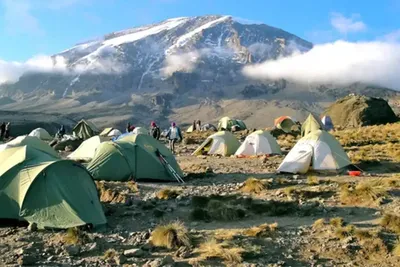
Explore Mount Kilimanjaro climbing routes and guided tours to Uhuru Peak, Africa’s highest mountain and one of the world’s most iconic trekking destinations.
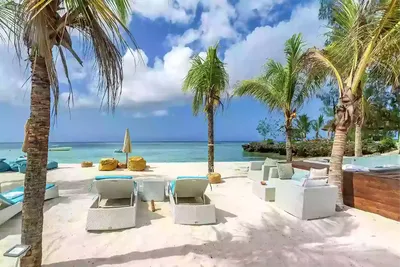
Relax on the white-sand beaches of Zanzibar Island, explore Stone Town, spice farms, and enjoy tropical island vacations along the Indian Ocean.