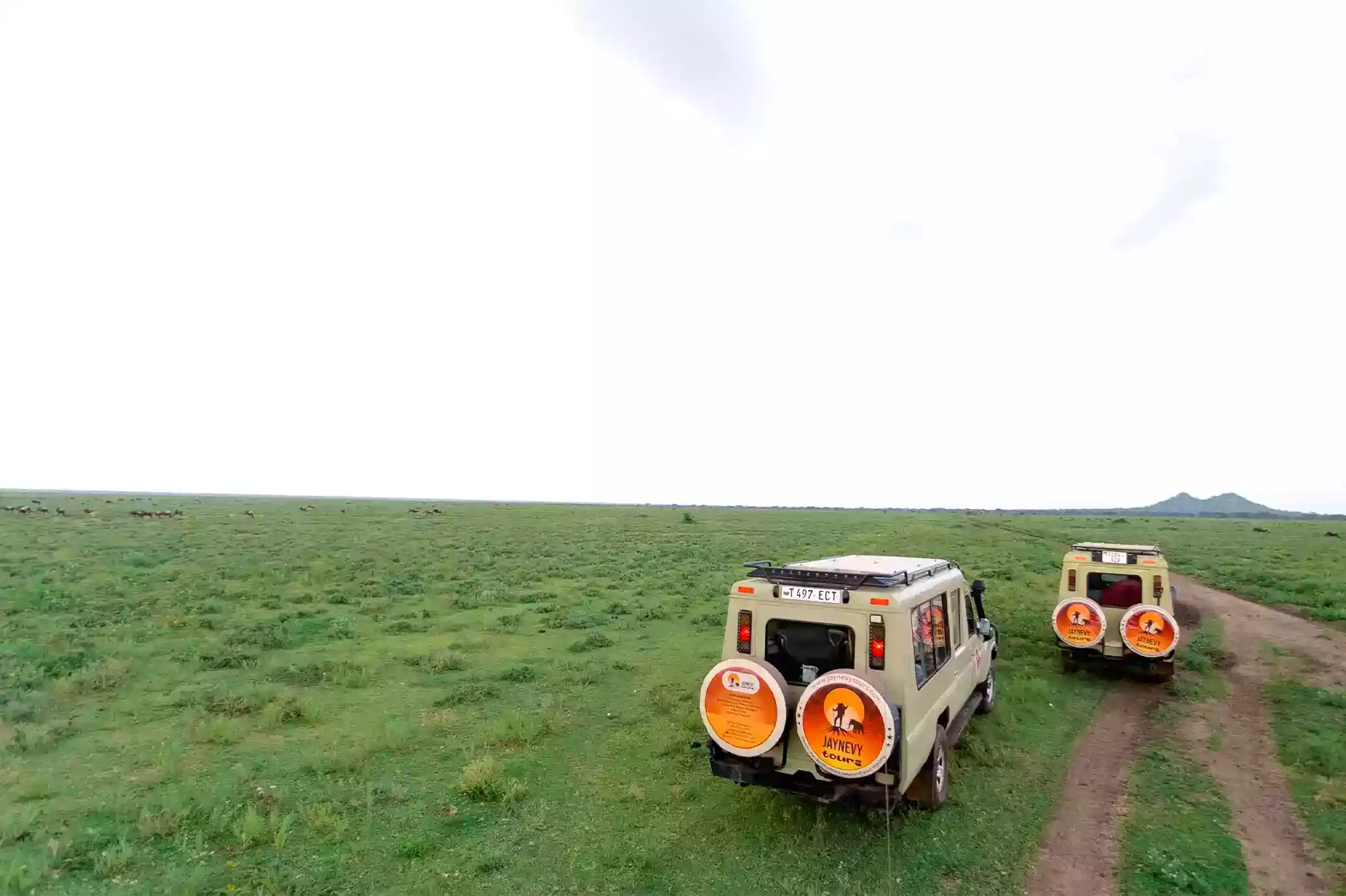
Tanzania Safari – Serengeti & Ngorongoro Adventures
Discover unforgettable Tanzania safari experiences including Serengeti National Park and the Ngorongoro Crater, home to the Big Five and breathtaking African landscapes.

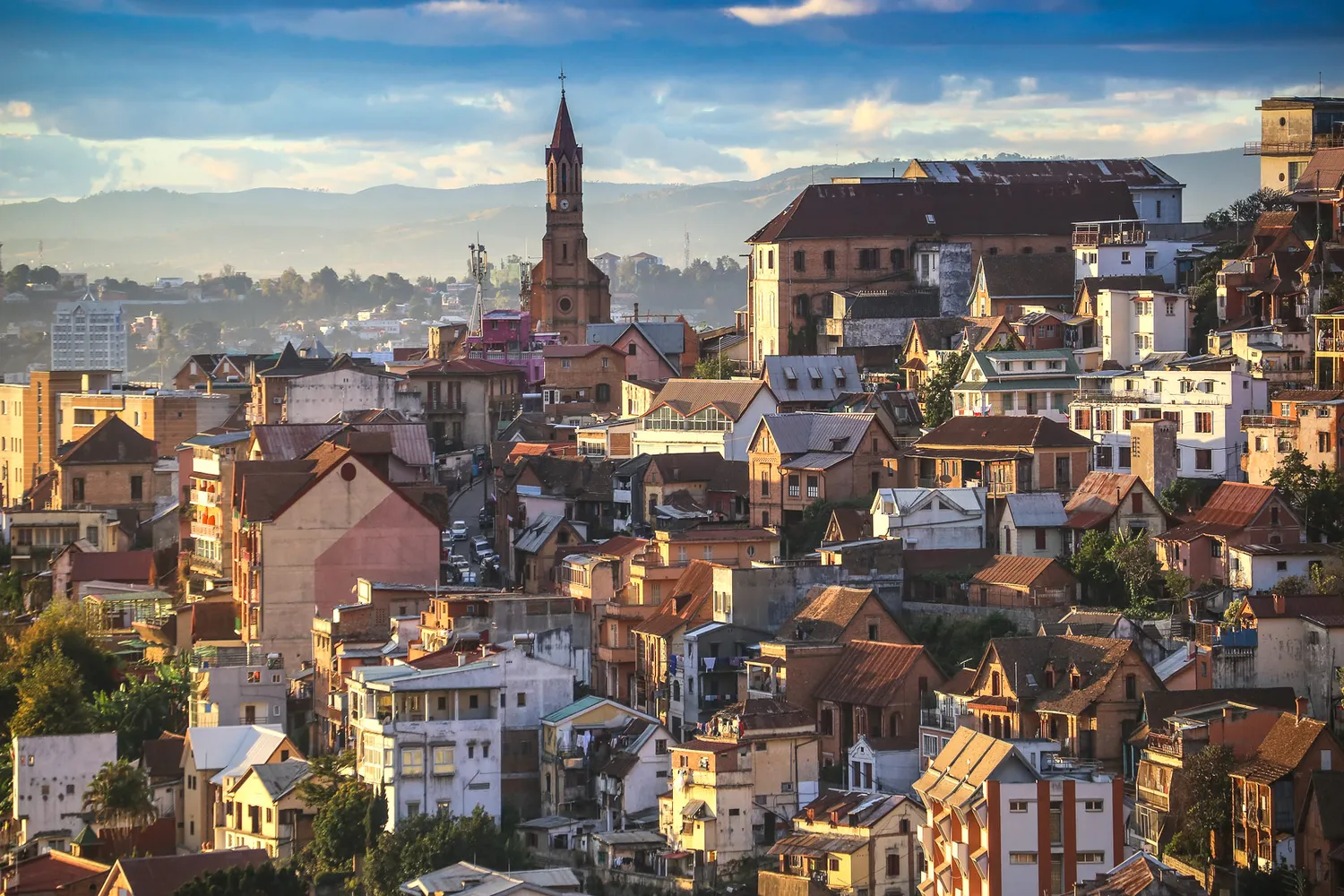
Welcome to the Complete Guide to Madagascar Travel, Investment & Important Facts. Nestled in the Indian Ocean off Africa's southeastern coast, Madagascar is a biodiversity hotspot unlike any other – home to 90% of the world's lemurs, ancient baobab trees, and over 100,000 endemic species. This Complete Guide to Madagascar Travel, Investment & Important Facts dives deep into planning your Madagascar adventure, uncovering top destinations for travelers, navigating investment opportunities in a growing economy, and unpacking essential facts and statistics that make this island nation a compelling destination. Whether you're seeking eco-tourism thrills or business prospects in agriculture and mining, this guide equips you with everything for a rewarding experience in the Complete Guide to Madagascar Travel, Investment & Important Facts.
Madagascar's journey to sovereignty is a pivotal chapter in its story, central to understanding its vibrant culture and resilient spirit as explored in this Complete Guide to Madagascar Travel, Investment & Important Facts. Gaining independence from France on June 26, 1960, Madagascar transitioned from colonial rule to self-determination, marking a new era of national identity. This date, celebrated annually as Independence Day, symbolizes unity amid diverse ethnic groups like the Merina, Betsimisaraka, and Sakalava. Post-independence, the nation navigated political shifts, including the 2009 crisis, shaping its democratic landscape. For travelers in the Complete Guide to Madagascar Travel, Investment & Important Facts, visiting Antananarivo's Rova of Antananarivo – the royal palace ruins – offers a tangible link to this history. Economically, independence spurred growth in vanilla exports, now 80% of global supply, highlighting Madagascar's agricultural prowess. As you plan your Madagascar travel, reflect on how this legacy influences local customs, from fady taboos to famadihana exhumation ceremonies, enriching your cultural immersion.
These milestones underscore Madagascar's resilience, making it a fascinating backdrop for Madagascar investment in sustainable sectors tied to its heritage.
Navigating entry requirements is key in the Complete Guide to Madagascar Travel, Investment & Important Facts. For Madagascar travel, most nationalities require a visa, easily obtained on arrival at Ivato International Airport or major ports for 30-90 days (fees: $35-50 USD, payable in cash). Your passport must be valid for 6 months beyond departure with 2 blank pages. Apply online via eVisa for smoother processing if extending stays. No visa needed for stays under 15 days for select countries like Russia and Qatar. Post-arrival, extensions are available at immigration offices in Antananarivo.
For Malagasy citizens or dual nationals seeking a passport, the process involves visiting the Ministry of Interior with birth certificate, ID, photos, and fees (~$100 USD). Processing takes 1-2 months; renewals require similar docs. In this Complete Guide to Madagascar Travel, Investment & Important Facts, note health proofs: yellow fever vaccination if from endemic areas, and malaria prophylaxis recommended nationwide.
These steps ensure seamless Madagascar travel, allowing focus on exploration and potential Madagascar investment.
The Complete Guide to Madagascar Travel, Investment & Important Facts wouldn't be complete without spotlighting must-see spots that showcase the island's unparalleled diversity. Madagascar's landscapes range from rainforests to tsingy spires, drawing eco-adventurers worldwide. Start in Andasibe-Mantadia National Park, 3 hours from Antananarivo, home to the largest lemur, the indri, with night walks revealing chameleons and aye-ayes. Venture west to the Avenue of the Baobabs near Morondava, where ancient giants silhouette sunsets – a UNESCO tentative site perfect for photography. For rugged beauty, Tsingy de Bemaraha Strict Nature Reserve offers limestone pinnacles, canyons, and fossa sightings; UNESCO-listed since 1990, it's a 4x4 trek from the capital.
Beach lovers head to Nosy Be archipelago for white sands, whale watching (July-October), and ylang-ylang plantations. In the south, Isalo National Park mirrors Utah's canyons with hiking trails to natural pools amid ring-tailed lemurs. Don't miss Ranomafana National Park for golden bamboo lemurs and waterfalls, or Anja Reserve for community-led lemur encounters. For culture, explore Antananarivo's markets and palaces. These gems, integral to Madagascar travel, also boost tourism-driven Madagascar investment in lodges and guides.
| Destination | Key Attraction | Best Time |
|---|---|---|
| Andasibe-Mantadia | Indri lemurs | May-Oct |
| Avenue of Baobabs | Sunset views | Apr-Nov |
| Tsingy de Bemaraha | Limestone forests | May-Oct |
| Nosy Be | Beaches & whales | Jul-Oct |
This selection from the Complete Guide to Madagascar Travel, Investment & Important Facts ensures diverse experiences, from wildlife safaris to serene shores.
Unlocking Madagascar investment potential is a cornerstone of the Complete Guide to Madagascar Travel, Investment & Important Facts. With GDP growth projected at 4.2% in 2024, driven by mining and tourism, the Economic Development Board of Madagascar (EDBM) streamlines setups via one-stop shops. Key sectors include agriculture (25% GDP, vanilla leader), offering incentives like tax holidays for processing; mining (nickel, cobalt), with LGIM exemptions for $50M+ projects; tourism (aiming 500,000 visitors/year), VAT reductions for eco-lodges; and renewable energy (solar, hydro targets 80% by 2030), 50% tax credits.
Foreigners enjoy 100% ownership, profit repatriation freedom, and SEZ perks (10% corporate tax post-exemption). Start by registering at EDBM (48-hour process), securing land via long-term leases. Challenges like infrastructure persist, but AGOA access boosts textiles. In this Complete Guide to Madagascar Travel, Investment & Important Facts, Madagascar investment in sustainable ventures aligns with biodiversity conservation, yielding 5-7% ROI in agribusiness.
These avenues make Madagascar investment a strategic move in the Complete Guide to Madagascar Travel, Investment & Important Facts.
The Complete Guide to Madagascar Travel, Investment & Important Facts reveals a economy where agriculture anchors 25% of GDP, employing 75% of 30 million people – rice, vanilla (80% global), cloves dominate exports ($500M annually). Services contribute 48%, boosted by tourism (367M USD in 2022, rebounding post-COVID). Industry, at 27%, thrives on textiles (EPZ factories) and mining (nickel up 5.2% in 2023). GDP: $15B (2023), per capita $453, with 4.4% growth from exports and public investment (12% GDP).
Challenges include poverty (75% below $2.15/day) and climate vulnerability, but opportunities in agro-processing and eco-tourism persist. For Madagascar investment, fisheries (200,000 tons/year) and ICT (outsourcing boom) offer niches. This sector analysis in the Complete Guide to Madagascar Travel, Investment & Important Facts highlights diversification needs.
Quantitative snapshot:
Staying connected is vital in the Complete Guide to Madagascar Travel, Investment & Important Facts. Buy prepaid SIMs from Telma, Orange, or Airtel at Ivato Airport kiosks or city shops (~2,000-5,000 MGA/$0.50-1.50). Register with passport; top-ups via vouchers or apps. Data bundles: 4.5GB/30 days for 30,000 MGA (~$7). Coverage best in urban areas; eSIMs via Airalo for convenience. Essential for navigation, bookings, and Madagascar investment calls.
As of November 2026, following the October coup amid Gen Z protests over outages, Colonel Michael Randrianirina serves as interim President and Chairman of the Council for Re-Foundation. The military dissolved institutions, suspending the constitution; elections pledged in 18-24 months. AU suspended membership; SADC mediates. This shift from Andry Rajoelina's rule (2009-2026) impacts stability for Madagascar travel and investment – monitor advisories. In the Complete Guide to Madagascar Travel, Investment & Important Facts, politics influences sectors like mining reforms.
Key facts:
The Complete Guide to Madagascar Travel, Investment & Important Facts emphasizes smart planning. Best time: May-October dry season for wildlife (indri calls) and hikes; avoid Nov-Apr cyclones. Health: CDC recommends Hep A/B, typhoid, rabies vaccines; malaria prophylaxis essential (80% risk). Yellow fever cert if from endemic zones. Pack DEET, water purifier; insurance with evacuation. Tips: Use 4x4s/taxi-brousse; cash-only (ATMs scarce); respect fady. For Madagascar travel, blend in – modest dress, learn "misaotra" (thank you).
Dive into data from the Complete Guide to Madagascar Travel, Investment & Important Facts: Population 30.3M (2023), 41% under 15, urbanizing at 4.2%/year. Economy: $15B GDP, 4.4% growth; agriculture 25%, services 48%, industry 27%. Tourism: 308K arrivals (2024), $367M revenue; targets 500K/year. Endemism: 90% flora/fauna unique. Challenges: 75% poverty, cyclones. Positives: Youthful workforce (20.6% 15-24), AGOA benefits ($1B textiles). These stats fuel Madagascar investment in resilient sectors.
| Metric | Value |
|---|---|
| Population | 30.3 million |
| GDP | $15 billion |
| Tourist Arrivals | 308,000 (2024) |
| Poverty Rate | 75% |
The best time for Madagascar travel is May to October during the dry season, ideal for wildlife viewing and outdoor activities.
Most visitors need a visa on arrival for up to 90 days; passport valid for 6 months required.
Key sectors for Madagascar investment include agriculture, mining, tourism, and renewable energy with tax incentives via EDBM.
Madagascar's population is about 30 million; GDP around $15 billion, with agriculture contributing 25%.
As of 2026, Colonel Michael Randrianirina serves as interim President following recent political changes.
Generally yes with precautions; use guides, avoid nights alone – monitor advisories for unrest.
Hep A/B, typhoid, malaria prophylaxis; yellow fever if from risk areas.
Discover unforgettable Tanzania safari experiences including Serengeti National Park and the Ngorongoro Crater, home to the Big Five and breathtaking African landscapes.
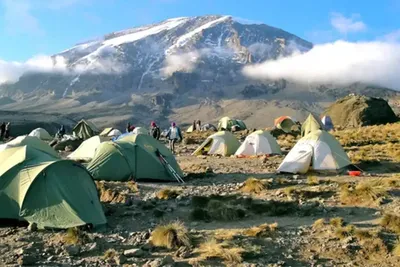
Explore Mount Kilimanjaro climbing routes and guided tours to Uhuru Peak, Africa’s highest mountain and one of the world’s most iconic trekking destinations.
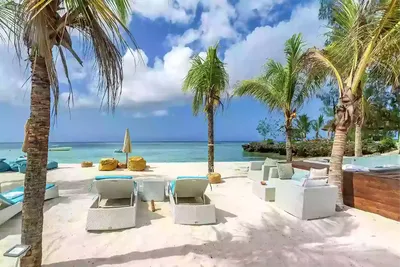
Relax on the white-sand beaches of Zanzibar Island, explore Stone Town, spice farms, and enjoy tropical island vacations along the Indian Ocean.