
Tanzania Overview & Key Facts
Tanzania stands as East Africa's second-largest country, featuring remarkable diversity in landscapes, cultures, and experiences. Your Tanzania travel experience will be enhanced by proper preparation and local knowledge of this fascinating nation. The country emerged through the 1964 union of Tanganyika and Zanzibar, creating a unique blend of mainland African and island cultures. With over 120 ethnic groups, two official languages, and borders with eight countries, Tanzania offers travelers an authentic African experience. The nation spans approximately 362,820 square miles, including 20,600 square miles of lakes, and boasts a 500-mile Indian Ocean coastline that offers stunning beach destinations alongside world-renowned safari experiences.
Brief History of Tanzania
Tanzania's history reflects centuries of cultural exchange, trade, and political evolution. Ancient trade routes connected the coast with inland regions, bringing Arab, Persian, and later European influences. The Swahili culture developed along the coast through this cultural mixing, creating the unique identity that defines modern Tanzania today.
Independence & National Identity of Tanzania
- Independence date of Tanganyika is December 9, 1961 while the union between Tanganyika and Zanzibar was on April 26, 1964 (Union)
- Former colonial power: Germany (1885-1919), Britain (1919-1961)
- National symbols include the flag's green, yellow, black, and blue stripes representing land, minerals, people, and water, respectively
Government System & Current Leadership in Tanzania
- Type of government in Tanzania is Presidential Republic
- Current president of Tanzania is Samia Suluhu Hassan
- Political stability has faced recent challenges following the October 2026 elections, with reports of post-election violence representing significant unrest
Population, Ethnic Groups & Languages in Tanzania
- Tanzania Population is approximately 61 million
- Major ethnic groups: Over 120 groups, including Sukuma, Chagga, Hehe, Nyamwezi
- Official language(s) spoken in Tanzania are Kiswahili (Swahili) and English
- Arabic is commonly spoken in Zanzibar, while numerous local languages are used throughout different regions
Main Religions in, and Cultural Identity of, Tanzania
Tanzania's religious composition includes approximately 30% Christian, 35% Muslim, and 35% indigenous beliefs, with Zanzibar being over 99% Muslim. Cultural etiquette emphasizes respect for elders, modest dress, and proper greetings. Visitors should understand that religious practices vary significantly between mainland Tanzania and Zanzibar, requiring different levels of cultural sensitivity.
Geography and Natural Landscape of Tanzania
The country features diverse climate zones from tropical coastal areas to temperate highlands. Notable geographical features include Mount Kilimanjaro (Africa's highest peak), the Serengeti plains, Ngorongoro Crater, and the Great Rift Valley. The landscape varies from savannas and forests to lakes and mountains, creating distinct ecosystems that support incredible wildlife diversity.
Economy and Tourism Highlights of Tanzania
Tanzania's economy relies heavily on agriculture, mining, and tourism. The country is famous for gold, tanzanite gemstones, and coffee production. Tourism contributes significantly to the economy, with visitors drawn to world-class national parks, cultural heritage sites, and pristine beaches that offer both adventure and relaxation opportunities.
What Tanzania Is Known For
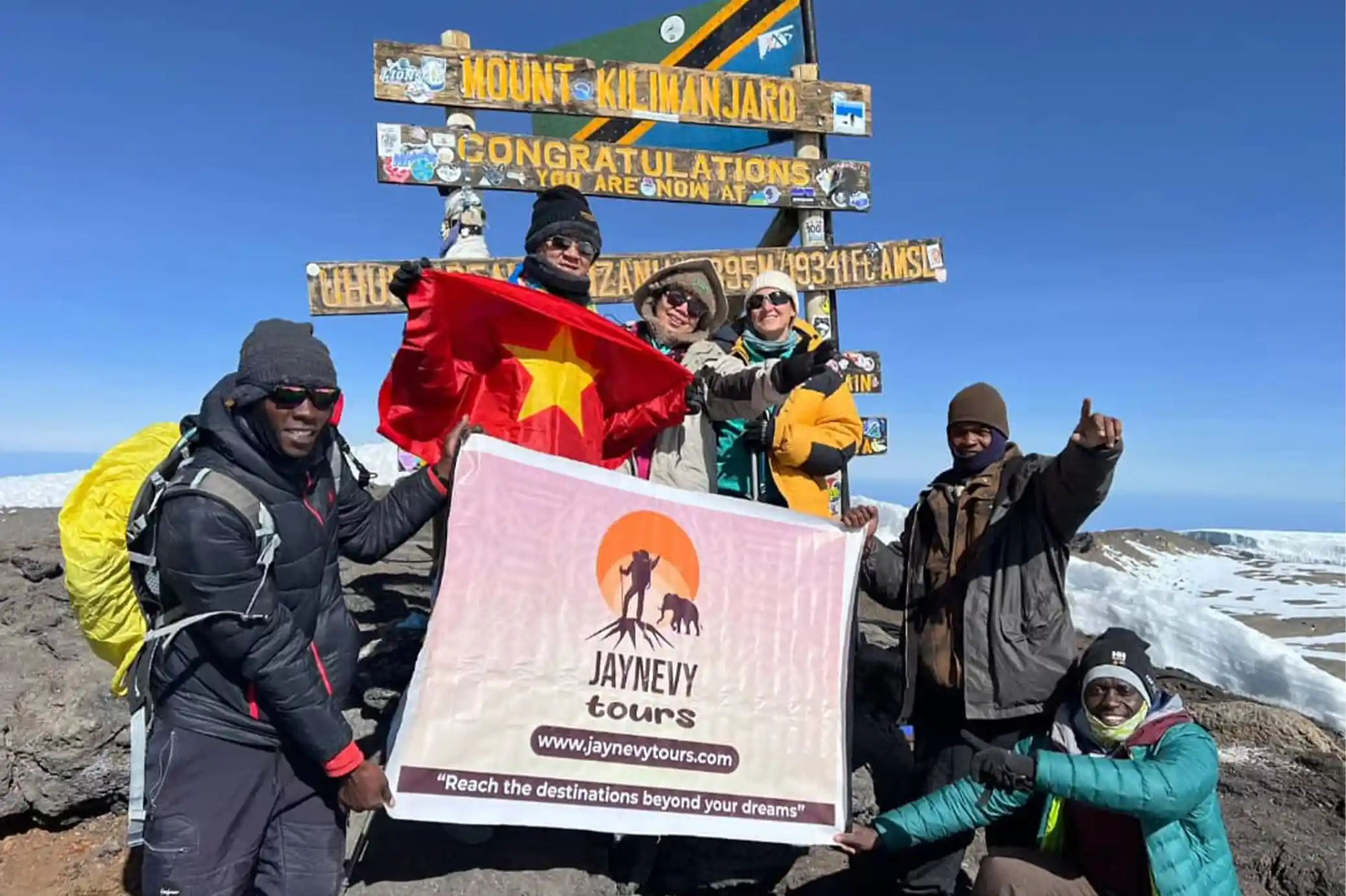
- Mount Kilimanjaro - Africa's highest peak and popular climbing destination
- Serengeti National Park - home to the Great Migration and Big Five wildlife
- Zanzibar Island - historic Stone Town and beautiful beaches with a rich cultural heritage
Quick Facts About Tanzania
- Capital city of Tanzania is Dodoma while the commercial city of Tanzania is Dar es Salaam
- Main Currency used in Tanzania is Tanzanian Shilling (TZS)
- Tanzania Time Zone is East Africa Time (UTC+3)
- International Calling Code: +255
- Driving Side: Left
- Major Airports in Tanzania includes Julius Nyerere International Airport (Dar es Salaam), Kilimanjaro International Airport
Visa and Entry Requirements in Tanzania
Understanding Tanzania travel requirements ensures smooth entry and enjoyable travel experiences. Most visitors need visas, though requirements vary by nationality. The visa process has been streamlined with online options, making it easier for travelers to obtain necessary documentation. Current Tanzania travel advisory information indicates varying entry requirements, so checking the latest updates before departure ensures informed travel decisions and prevents potential delays at immigration checkpoints.
Do You Need a Visa when Coming in Tanzania?
Most nationalities require visas for Tanzania, with exceptions for some East African Community members. US, UK, EU, Canadian, and Australian citizens need visas. Some countries have visa-free agreements for short stays, while others require visas on arrival. Check current requirements as policies change frequently.
Visa Application Options Available in Tanzania
- Online eVisa system (recommended) - processed within 10 business days
- Visa on arrival at major entry points - longer wait times possible
- Embassy application - traditional method with in-person submission requirements
Passport Validity and Entry Documents required in Tanzania
Passports must be valid for at least six months from the entry date with at least two blank pages. Required documents include return tickets, proof of accommodation, and sufficient funds. Yellow fever vaccination certificates are mandatory if arriving from infected areas.
Customs Rules and Prohibited Items in Tanzania
Duty-free allowances include 200 cigarettes, 1 liter of alcohol, and personal items. Prohibited items include firearms, drugs, and certain medications without prescriptions. Wildlife products, including ivory and animal skins, are strictly forbidden. Declare amounts over $10,000 USD.
Top Attractions & Things to Do in Tanzania
Tanzania's attractions range from world-famous wildlife destinations to cultural heritage sites and pristine beaches. The northern safari circuit includes Serengeti National Park, Ngorongoro Crater, and Tarangire National Park, offering exceptional wildlife viewing opportunities. Mount Kilimanjaro attracts climbers from around the world, while Zanzibar provides historical and beach experiences. Understanding attraction locations, seasons, and requirements helps optimize itinerary planning. Many travelers choose Tanzania travel packages that combine multiple destinations for comprehensive experiences.
Major Tourist Attractions in Tanzania
Serengeti National Park hosts the Great Migration and Big Five wildlife viewing. Ngorongoro Crater offers unique geological formations with concentrated wildlife. Mount Kilimanjaro provides Africa's highest peak climbing challenge. Zanzibar's Stone Town features UNESCO World Heritage historical sites. Lake Manyara is known for tree-climbing lions and diverse birdlife. Tarangire National Park is famous for its large elephant herds.
Best Tours & Experiences in Tanzania
Safari tours range from budget camping to luxury lodge experiences. Kilimanjaro climbing expeditions require 5-9 days with various route options. Cultural tours visit Maasai villages and local communities. Spice tours in Zanzibar explore historical trade connections. Diving and snorkeling trips along the coast and islands. Walking safaris offer intimate wildlife encounters.
Family-Friendly Activities in Tanzania
Game drives are suitable for children with shorter durations and comfortable vehicles. Beach activities in Zanzibar, including swimming and cultural experiences. Educational visits to cultural centers and museums. Nature walks in less challenging terrain. Photography workshops for older children interested in wildlife. Cultural performances and traditional dance shows.
Tanzania Unique Cultural and Historical Sites
The Olduvai Gorge archaeological site reveals human evolution history. Kilwa historical ruins show an ancient trading civilization. German colonial architecture in various towns. Rock art sites with ancient paintings. Traditional markets showcase local crafts and foods. Religious sites, including mosques and churches, reflect cultural diversity.
Safety & Security Information about Tanzania
Travelers often ask if Tanzania is safe, and the answer varies by region and current conditions. Understanding whether Tanzania is safe requires reviewing recent security updates and travel advisories. While Tanzania generally welcomes tourists, recent political developments have created some security concerns. Current Tanzania travel advisory information indicates risks of demonstrations and civil unrest, particularly in urban areas. Most tourist areas remain relatively safe with proper precautions, but staying informed about local conditions is essential for safe travel.
Is Tanzania Safe for Tourists?
Tanzania is generally safe for tourists in the main tourist areas, though recent political unrest has increased risks. Tourist zones like Serengeti, Ngorongoro, and Zanzibar maintain better security. Urban areas face higher crime rates, while remote regions may have limited emergency services. Current conditions require extra vigilance.
Recommended Safety Tips in Tanzania
Maintain awareness of surroundings and avoid displaying valuable items. Travel in groups when possible and use reputable tour operators. Keep emergency contact information readily available and enroll in traveler assistance programs. Avoid public demonstrations and political gatherings. Stay updated on local news and security situations.
Safe Areas in Tanzania vs. Areas to Avoid when in Tanzania
Tourist circuits, including northern safari areas and Zanzibar, are generally safer. Avoid border regions, particularly with Burundi and DRC. Some urban neighborhoods in Dar es Salaam and Arusha require extra caution. Remote areas may lack adequate security and medical facilities.
Tanzania Emergency Numbers & Tourist Police
- Police: 999 or 112
- Tourist Police: +255 22 211 5897
- Medical Emergency: 999
- Fire: 999
Health Requirements and Vaccinations in Tanzania
Essential vaccinations include routine vaccines, COVID-19, and region-specific requirements. Tanzania CDC travel guidelines recommend comprehensive health preparation due to various disease risks. Malaria prevention is crucial as the disease is endemic throughout most of the country. Travel insurance becomes essential given potential health risks and limited medical facilities in remote areas. Proper health preparation ensures safe and enjoyable travel experiences while minimizing risks from preventable diseases.
Mandatory Vaccinations in Tanzania
Yellow fever vaccination is required if arriving from infected countries or areas. COVID-19 vaccination requirements may apply depending on current regulations. Some entry points may require proof of vaccination certificates, so carry official documentation. Check current requirements as policies change based on global health situations.
Recommended Vaccinations in Tanzania
Hepatitis A and B, typhoid, meningitis, and routine vaccines (MMR, DPT, flu) are recommended. Rabies vaccination is advised for travelers engaging in outdoor activities or working with animals. Cholera vaccination may be recommended for certain areas. Consult travel medicine specialists 4-6 weeks before departure.
Malaria & Other Risks
Malaria is endemic throughout Tanzania except in high-altitude areas above 1,800 meters. Antimalarial medication is essential, combined with mosquito bite prevention measures. Other risks include dengue fever, chikungunya, and Zika virus. Use insect repellent, wear long sleeves, and sleep under treated nets.
Travel Insurance Recommendations
Comprehensive travel insurance is essential, covering medical evacuation, which can cost tens of thousands of dollars. Ensure coverage includes adventure activities if planning safaris or climbing. Many facilities require upfront payment, making insurance crucial for accessing quality healthcare. Choose policies covering pre-existing conditions if applicable.
Best Time to Visit Tanzania
The best time to visit Tanzania depends on your preferred activities and weather conditions. Many travelers visit Tanzania during the dry season for optimal wildlife viewing and outdoor activities. Seasonal variations significantly impact travel experiences, from wildlife migrations to weather conditions. Understanding Tanzania's climate patterns helps optimize your travel timing for specific interests, whether wildlife viewing, mountain climbing, or beach relaxation. Peak seasons offer the best conditions but come with higher costs and larger crowds.
Weather by Season
Tanzania experiences two main seasons: the dry season (June-October) offers excellent wildlife viewing with minimal rainfall and comfortable temperatures. Wet season (November-May) splits into short rains (November-December) and long rains (March-May). Temperatures remain relatively stable year-round, varying more by altitude than season.
When to Visit Tanzania for the Best Experiences
- Wildlife viewing: June-October for dry season advantages and animal concentrations
- Hiking Mount Kilimanjaro: January-March and June-October for clearer skies
- Beach season: June-September for less humidity and minimal rainfall
- Festivals: Various cultural festivals occur throughout the year in different regions
High Season vs. Low Season Travel
High season (June-October, December-January) brings higher prices, crowded parks, and advance booking requirements. Low season (March-May, November) offers lower costs, fewer crowds, but potential weather challenges. Shoulder seasons provide balanced experiences with moderate prices and decent weather conditions.
Tanzania Weather & Climate Overview
Tanzania's climate varies significantly by region and altitude, creating diverse weather patterns across the country. Coastal areas experience tropical conditions with high humidity, while highland regions enjoy temperate climates. Understanding regional weather variations helps with appropriate packing and activity planning. The country's position near the equator means relatively stable temperatures year-round, with rainfall patterns being the primary seasonal variation. Altitude significantly affects temperature, with mountain areas being considerably cooler than coastal regions.
Temperature Ranges
Coastal areas: 25-30°C (77-86°F) year-round with high humidity. Highland areas: 15-25°C (59-77°F) with cooler nights. Mount Kilimanjaro: Temperatures drop significantly with altitude, reaching freezing at the summit. Northern safari areas: 20-28°C (68-82°F) with warm days and cool nights.
Rainy & Dry Seasons
Dry season (June-October): Minimal rainfall, clear skies, excellent wildlife viewing. Short rains (November-December): Brief afternoon showers, green landscapes. Long rains (March-May): Heavy rainfall, some roads impassable, lower tourist numbers. Coastal areas may experience different patterns than inland regions.
What to Wear Based on the Weather
Lightweight, breathable clothing for hot climates with sun protection. Warm layers for highland areas and early morning game drives. Waterproof gear during rainy seasons. Sturdy footwear for various terrains. Modest clothing respecting local customs, especially in Muslim areas.
Currency in Tanzania, Costs & Budgeting
Tanzania's local currency is the Tanzanian Shilling (TZS), though US dollars are widely accepted in tourist areas. Budget planning varies significantly based on travel style, from budget backpacking to luxury safari experiences. Understanding local pricing helps avoid overcharging and enables better budget management. Mobile money systems are increasingly popular, while credit cards have limited acceptance outside major hotels and restaurants. Proper financial planning ensures smooth travel experiences without unexpected expenses.
Information about Local Currency in Tanzania
Tanzanian Shilling (TZS) is the official currency, with exchange rates fluctuating around 2,300-2,500 TZS per USD. US dollars are accepted for tourist services, safaris, and hotels. Exchange money at banks or authorized dealers for better rates. Avoid street money changers due to counterfeit risks.
Average Tanzania Travel Costs
Budget travelers: $30-50 per day, including accommodation, meals, and local transport. Mid-range: $100-200 per day with comfortable lodging and guided tours. Luxury: $300+ per day for high-end lodges and exclusive experiences. Safari costs vary widely from $200-1000+ per person per day.
Using ATMs, Cards & Mobile Money
ATMs are available in major cities and tourist areas, though rural areas have limited access. Credit cards are accepted at upscale hotels and restaurants. Mobile money (M-Pesa) is widely used for local transactions. Carry cash for small vendors, tips, and remote areas.
Tipping Guidelines
Safari guides: $10-20 per day per guide. Restaurant staff: 10% of the bill if service charge is not included. Hotel staff: $1-2 per service. Porters on Kilimanjaro: $8-10 per day. Tipping is expected in tourist services and appreciated by service providers.
Transportation and Getting Around in Tanzania
Tanzania offers various transportation options, from domestic flights to local buses, each with different comfort levels and costs. Domestic flights connect major cities and tourist destinations efficiently, while road transport provides more affordable options with longer travel times. Understanding transportation choices helps optimize travel time and budget allocation. Road conditions vary significantly between major routes and rural areas, affecting travel planning and vehicle selection for different destinations.
Airport Transfers in Tanzania
Julius Nyerere International Airport (Dar es Salaam) offers taxis, ride-hailing apps, and hotel shuttles. Kilimanjaro International Airport provides similar options plus tour operator transfers. Pre-arranged transfers through hotels or tour companies ensure reliable service. Airport taxis use fixed rates, while ride-hailing apps offer transparent pricing.
Local Transport Options in Tanzania
Boda-bodas (motorbike taxis) for short distances in cities and towns. Bajaji (three-wheelers) are common in urban areas. Long-distance buses connect major cities with varying comfort levels. Ferries operate between the mainland and the islands, including Zanzibar. Local buses (dala-dala) provide cheap but crowded transport.
Domestic Flights
Regular flights connect Dar es Salaam, Arusha, Zanzibar, and safari destinations. Airlines include Precision Air, Coastal Aviation, and Regional Air. Flights save time but cost significantly more than ground transport. Book in advance during peak seasons for better availability and prices.
Car Rentals & Road Conditions
An international driving permit is required along with a home country license. 4WD vehicles are recommended for safari areas and rural regions. Main roads between cities are generally good, while rural roads can be challenging. Driving is on the left side with varying road quality conditions.
Accommodation Options in Tanzania
Tanzania provides diverse accommodation options catering to all budgets and preferences, from basic guesthouses to world-class luxury lodges. Safari lodges offer unique experiences with wildlife viewing opportunities, while coastal areas provide beach resorts and boutique hotels. Understanding accommodation types helps match expectations with budget and desired experiences. Booking in advance is essential during peak seasons, particularly for popular safari destinations and Zanzibar beach resorts.
Types of Accommodation in Tanzania
Hotels range from basic city accommodations to luxury international chains. Safari lodges offer immersive wildlife experiences with varying comfort levels. Beach resorts in Zanzibar and coastal areas provide tropical relaxation. Guesthouses and hostels cater to budget travelers. Camping options are available in national parks and designated areas.
Budget vs. Mid-Range vs. Luxury Accommodations in Tanzania
Budget ($20-50): Basic guesthouses, hostels, camping with shared facilities. Mid-range ($50-200): Comfortable hotels, standard safari lodges with private bathrooms. Luxury ($200+): High-end lodges, beach resorts, exclusive camps with premium services and amenities. Prices vary significantly by location and season.
Best Areas to Stay in Tanzania
- Arusha: Gateway to the northern safari circuit with numerous accommodation options.
- Stone Town, Zanzibar: Historic charm with boutique hotels and cultural experiences.
- Serengeti: Various lodge locations offering different wildlife viewing opportunities.
- Dar es Salaam: Business hotels and beach resorts for city stays.
Essential Packing Guide in Tanzania
This Tanzania travel guide emphasizes proper packing for diverse climates and activities. Packing requirements vary significantly based on planned activities, from safari adventures to beach relaxation and mountain climbing. Understanding Tanzania's diverse environments helps optimize luggage space while ensuring necessary items for comfort and safety. Climate variations between coastal, highland, and safari areas require versatile clothing options that adapt to different conditions throughout your journey.
Clothing Essentials
Lightweight, breathable fabrics for hot climates with long sleeves for sun protection and insect prevention. Neutral colors are recommended for safari activities to avoid attracting insects. Warm layers for highland areas and early morning game drives. Modest clothing respecting local customs, particularly in Muslim areas. Quick-dry materials are ideal for varying weather conditions.
Footwear & Gear
Comfortable walking shoes for city exploration and cultural sites. Sturdy hiking boots for mountain climbing and rough terrain. Sandals for beach areas and casual wear. Universal power adapter for Type D and G plugs. Headlamp or flashlight for areas with limited electricity.
Electronics & Cameras
Camera equipment with extra batteries and memory cards for wildlife photography. Power bank for charging devices during long safari days. A voltage converter may be needed for some devices (230V, 50Hz). Waterproof cases for electronics during rainy seasons. Binoculars enhance wildlife viewing experiences.
Toiletries & Personal Items
Sunscreen with high SPF for equatorial sun exposure. Insect repellent containing DEET for malaria prevention. Personal medications with prescriptions for customs. Hand sanitizer and wet wipes for hygiene. Basic first aid supplies for minor injuries and illnesses.
Tanzania Main Language and Communication Tips
Tanzania's linguistic diversity includes over 120 local languages, though Kiswahili and English serve as official languages, facilitating communication with visitors. English proficiency varies by region and education level, with tourist areas generally having better English speakers. Understanding basic Swahili phrases enhances cultural interactions and shows respect for local customs. Communication infrastructure has improved significantly, with mobile networks covering most tourist areas and major cities, providing reliable connectivity.
Main Languages Spoken in Tanzania
Kiswahili (Swahili) is the national language spoken throughout Tanzania. English is widely understood in tourist areas, hotels, and among educated populations. Arabic is common in Zanzibar due to historical connections. Over 120 local languages exist among different ethnic groups. Tourist guides typically speak multiple languages, including English.
Useful Phrases for Tourists in Tanzania
"Jambo" (Hello), "Asante" (Thank you), "Karibu" (Welcome), "Pole pole" (Slowly/Take it easy), "Hakuna matata" (No problem), "Mambo" (What's up - casual), "Mzuri" (Good/Fine), "Samahani" (Excuse me/Sorry). Learning basic greetings shows cultural respect and often results in warmer interactions.
SIM Cards and Mobile Data in Tanzania
Local SIM cards are available from Vodacom, Airtel, Tigo, and Halotel networks. Purchase at airports, shops, or network stores with passport identification. Data packages offer affordable internet access for communication and navigation. Coverage is good in cities and tourist areas, but limited in remote regions.
Internet Availability in Tanzania & Wi-Fi
Wi-Fi is available in most hotels, restaurants, and cafes in tourist areas. Internet speeds vary significantly between urban and rural locations. Mobile data is often more reliable than Wi-Fi in remote areas. Some safari lodges have limited or no internet connectivity, offering digital detox experiences.
Tanzania Culture & Etiquette
Tanzania's cultural diversity requires understanding and respecting local customs and traditions. Social interactions emphasize respect for elders, proper greetings, and community values. Religious considerations vary between mainland Tanzania and Zanzibar, with different dress codes and behavioral expectations. Photography etiquette is important, particularly regarding people and religious sites. Understanding cultural dos and don'ts enhances travel experiences while showing respect for local communities and avoiding unintentional offense.
Dress Code Expectations in Tanzania
Conservative dress is expected throughout Tanzania, with modest clothing covering shoulders and knees. Zanzibar requires more conservative dress due to the Muslim majority, especially in Stone Town. Beachwear is acceptable at beaches and resorts but not in towns or villages. Bright colors and revealing clothing should be avoided in rural and religious areas.
Tanzania Social Etiquette & Respectful Behavior
Greetings are important, with handshakes common among men, while women may prefer verbal greetings. Use the right hand for eating, giving, and receiving items, as the left hand is considered unclean. Remove shoes when entering homes or religious buildings. Show respect for elders and authority figures through appropriate behavior and language.
Photography Rules in Tanzania
Always ask permission before photographing people, especially in rural areas. Some may request payment for photos. Avoid photographing military installations, government buildings, or sensitive areas. Religious sites may have photography restrictions. Wildlife photography requires maintaining safe distances and following the guide's instructions.
Important Cultural Dos & Don'ts
Do learn basic Swahili greetings and show interest in local culture. Don't point with your finger; use your whole hand instead. Dress modestly and respect religious practices. Don't display affection publicly, especially in conservative areas. Do bargain respectfully in markets but accept final prices graciously.
Food, Water & Dining in Tanzania
Tanzanian cuisine reflects the country's cultural diversity with influences from African, Arab, Indian, and European traditions. Local dishes feature fresh ingredients, including tropical fruits, vegetables, grains, and seafood, along the coast. Food safety considerations are important, particularly regarding water consumption and street food choices. Dining etiquette varies between formal restaurants and local establishments, with different expectations for behavior and payment. Understanding dietary options helps travelers with specific requirements navigate local food scenes successfully.
Local Dishes to Try in Tanzania
Ugali (cornmeal staple) served with meat, fish, or vegetables. Nyama choma (grilled meat) is popular throughout the country. Pilau (spiced rice) showing Indian influence. Fresh seafood, including octopus, prawns, and fish along the coast. Tropical fruits like mangoes, pineapples, and passion fruit. Chapati (flatbread) common accompaniment to meals.
Tanzania Dietary Options
Vegetarian options are available, though a meat-centric culture may limit choices. Indian restaurants offer extensive vegetarian menus. Halal food is widely available due to a significant Muslim population. Vegan options are more limited but possible with advance planning. Fresh fruits and vegetables are abundant in markets and restaurants.
Drinking Water Safety in Tanzania
Bottled water is recommended for drinking throughout Tanzania. Tap water should be avoided or properly treated with purification tablets. Ice in drinks may be unsafe unless from reputable establishments. Brush teeth with bottled water to avoid stomach issues. Boiled or properly treated water is safe for consumption.
Restaurant Etiquette
Tipping 10% is customary if the service charge is not included. Eating with hands is acceptable for certain foods like ugali. Wait to be seated in formal restaurants. Sharing food is common in local culture. Payment is usually required in cash, especially at local establishments.
Tanzania Local Laws & Regulations
Tanzania's legal system combines customary, Islamic, and common law traditions, creating complex regulations that visitors must understand. Recent political developments have led to increased restrictions on public gatherings and demonstrations. Wildlife protection laws are strictly enforced with severe penalties for violations. Understanding local regulations prevents legal issues and ensures respectful travel experiences. Some areas require special permits or have restricted access, particularly near borders and sensitive locations.
Rules Travelers Need to Know when coming in Tanzania
Photography restrictions apply to government buildings, military installations, and some cultural sites. Drone usage requires permits and has restricted areas, including national parks. Public displays of affection are discouraged, especially in conservative areas. Alcohol consumption is restricted in Muslim areas and during religious periods. Respect for the flag and national symbols is legally required.
Tanzania Alcohol, Smoking & Substance Laws
Alcohol is legal but restricted in some areas and during certain religious periods. Smoking is prohibited in public buildings, transport, and many outdoor areas. Drug possession and trafficking carry severe penalties, including lengthy prison sentences. Prescription medications require proper documentation and prescriptions. Cannabis remains illegal despite some regional tolerance variations.
Restricted or Protected Areas in Tanzania
National parks require entry permits and have specific regulations for visitors. Border areas may have restricted access requiring special permissions. Military zones are off-limits to civilians and tourists. Some cultural sites require community permission for visits. Marine protected areas have specific rules for diving and fishing activities.
Final Travel Tips for Visitors
Successful Tanzania travel requires balancing adventure with practical preparation and cultural sensitivity. Understanding common mistakes helps avoid unnecessary complications and expenses during your journey. Money-saving strategies can significantly reduce costs without compromising safety or experiences. Safety and comfort tips based on real-world experiences help optimize your travel enjoyment while minimizing risks. These practical recommendations come from experienced travelers and local insights to enhance your Tanzanian adventure.
Common Mistakes to Avoid
Underestimating travel distances and time requirements between destinations. Overpacking unnecessary items while forgetting essential medications and documents. Failing to research cultural customs can lead to unintentional offense. Not allowing sufficient time for visa processing and health preparations. Booking accommodations without understanding the location and transportation access. Ignoring seasonal weather patterns affecting activity availability.
Tips to save Money when Visiting in Tanzania
Travel during shoulder seasons for lower prices and fewer crowds. Book domestic flights in advance for better rates and availability. Use local transport options instead of private transfers when safe. Eat at local restaurants rather than hotel dining for authentic and affordable meals. Negotiate prices respectfully in markets and for services. Choose group tours to share costs for expensive activities like safaris.
Safety & Comfort Tips
Register with your embassy or consulate for emergency assistance and updates. Keep copies of important documents in separate locations and digital backups. Maintain flexible itineraries allowing for weather and transportation delays. Pack essential medications and first aid supplies for remote areas. Stay hydrated and protect against sun exposure in an equatorial climate. Trust instincts regarding safety situations and seek local advice when uncertain.
Frequently Asked Questions
Do I need a visa to visit Tanzania?
Most nationalities require visas, which can be obtained online (eVisa), on arrival, or through embassies. Check current requirements as policies change frequently.
Is Tanzania safe for solo travelers?
Tanzania is generally safe for solo travelers in tourist areas, though recent political developments require extra caution. Use reputable tour operators and stay informed about local conditions.
What vaccinations do I need for Tanzania?
Yellow fever is required if arriving from infected areas. Recommended vaccines include hepatitis A/B, typhoid, and malaria prevention medication.
When is the best time to visit Tanzania?
June-October offers the best weather for safaris and outdoor activities. January-February is ideal for witnessing wildebeest calving in Serengeti.
How much should I budget for a Tanzania trip?
Budget travelers need $30-50 daily, mid-range $100-200, and luxury $300+. Safari costs vary from $200-1000+ per person per day.
Can I climb Mount Kilimanjaro without experience?
Yes, but good physical fitness is essential. Choose reputable operators and allow adequate time for acclimatization.
Is English widely spoken in Tanzania?
English is widely understood in tourist areas, hotels, and among educated populations. Learning basic Swahili phrases enhances interactions.
What should I pack for a Tanzania safari?
Neutral-colored clothing, comfortable walking shoes, sun protection, insect repellent, camera equipment, and binoculars are essential.