

Understanding Cost of Living in Africa
The cost of living in African countries varies widely, driven by urbanization, import reliance, and economic development. Data from Numbeo (2024) and Mercer’s Cost of Living Index (2024) rank cities like Johannesburg and Lagos among the priciest. Key factors include housing, food, transportation, and utilities, with urban centers commanding higher costs due to demand and infrastructure.
Top 10 Countries with the Highest Cost of Living
1. South Africa
Monthly Cost: $1,200
Key Drivers: High housing ($600/month in Johannesburg), utilities ($100), and groceries ($250)
Details: South Africa’s urban hubs like Cape Town and Johannesburg have a cost of living index of 40.5 (Numbeo, 2024), driven by strong currency (ZAR) and developed infrastructure. Rent for a one-bedroom apartment in city centers averages $600, with dining out costing $15 per meal.

2. Nigeria
Monthly Cost: $1,000
Key Drivers: Import costs, housing ($500 in Lagos), transport ($150)
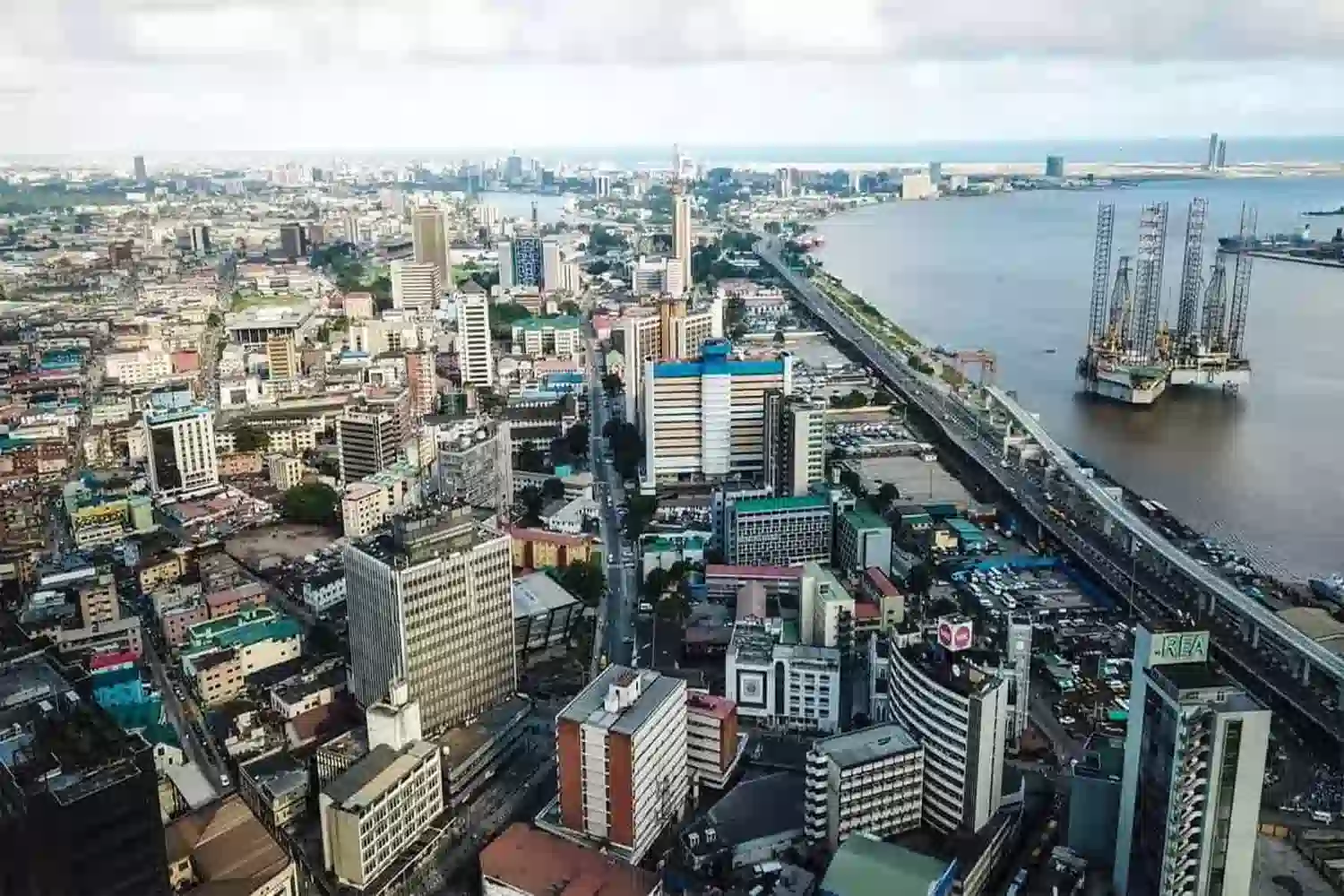
Details: Lagos, Nigeria’s economic hub, ranks high due to imported goods (80% of consumer products) and fuel costs ($0.80/liter). Inflation (25% in 2024) drives up prices, with a meal costing $10 in upscale areas.
3. Mauritius
Monthly Cost: $950
Key Drivers: Housing ($450 in Port Louis), imported goods
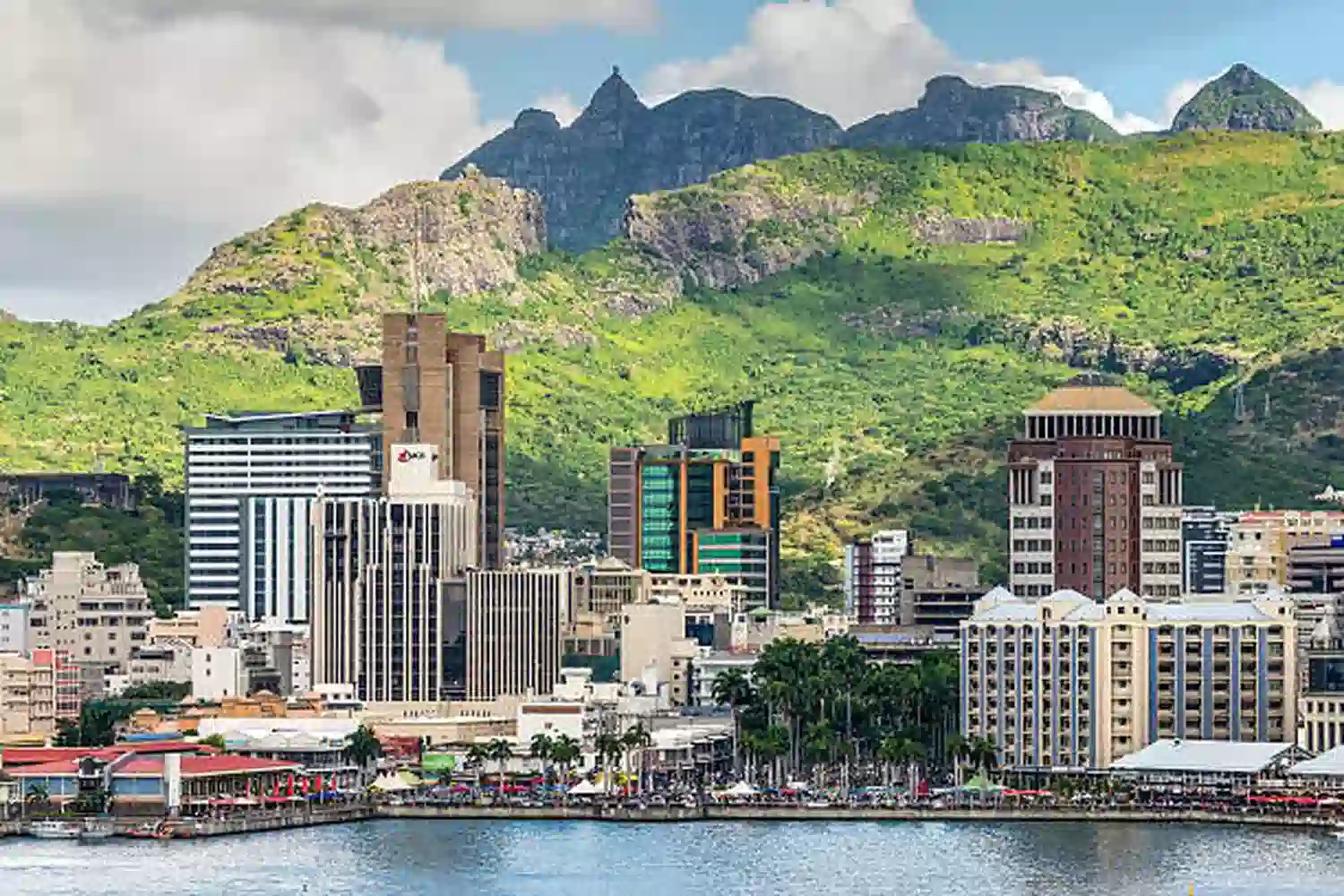
Details: Mauritius’ island economy relies on imports, pushing grocery costs to $200/month. Tourism and expat demand elevate rent, with a cost of living index of 38.2.
4. Kenya
Monthly Cost: $900
Key Drivers: Housing ($400 in Nairobi), utilities ($80)
Details: Nairobi’s tech hub status increases demand for housing. A one-bedroom apartment costs $400, and public transport fares are $1 per trip. The cost of living index is 36.7.

5. Ghana
Monthly Cost: $850
Key Drivers: Housing ($350 in Accra), imported food
Details: Accra’s growing expat community drives rent prices. Groceries cost $200/month due to reliance on imports, with a cost of living index of 35.1.

6. Morocco
Monthly Cost: $800
Key Drivers: Housing ($350 in Casablanca), tourism-driven costs
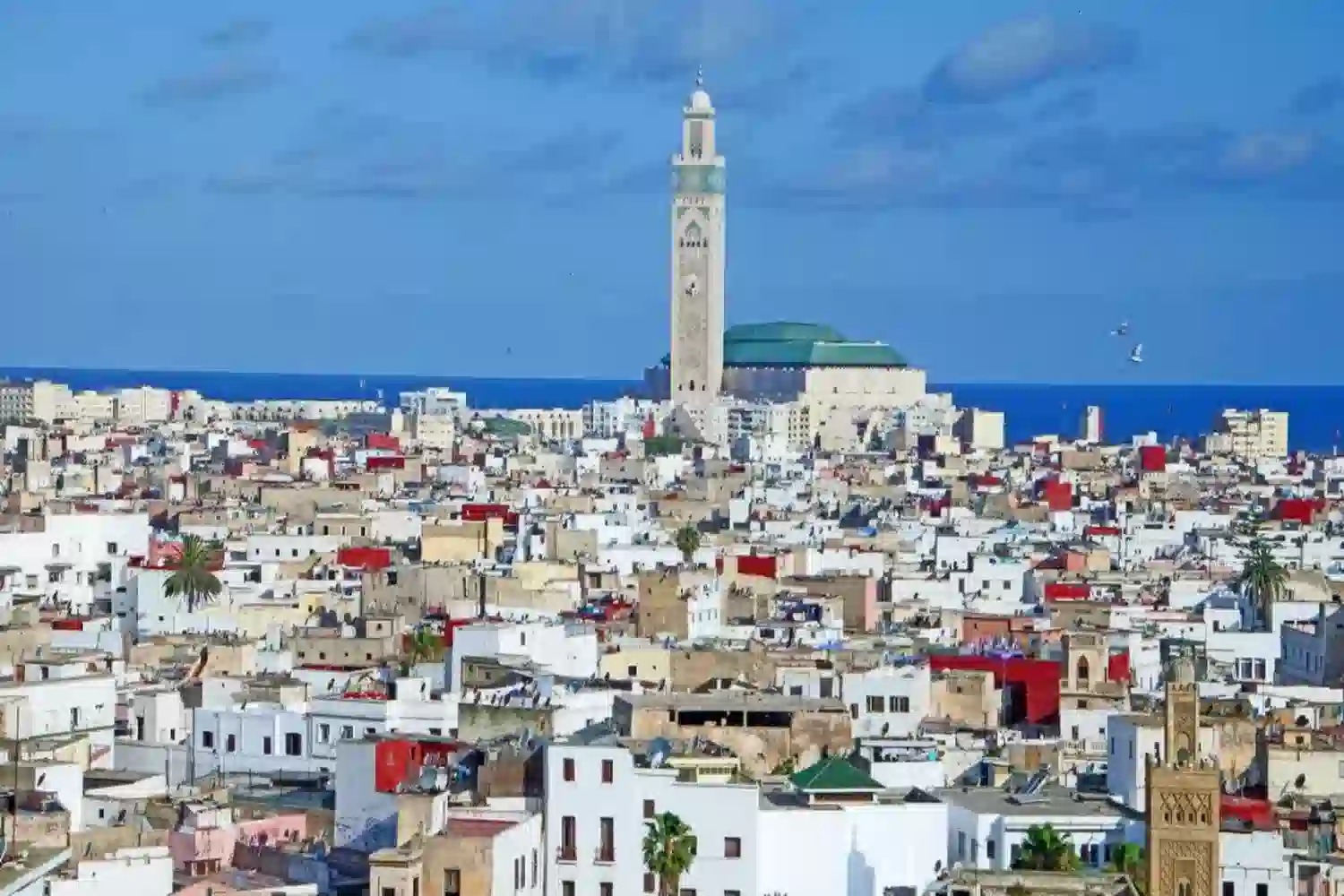
Details: Tourism in Marrakech and Casablanca inflates prices, with a cost of living index of 34.8. A meal in a mid-range restaurant costs $12.
7. Algeria
Monthly Cost: $750
Key Drivers: Housing ($300 in Algiers), utilities ($60)
Details: Energy subsidies keep utilities low, but imported goods increase grocery costs ($180/month). The cost of living index is 33.5.

8. Angola
Monthly Cost: $700
Key Drivers: Housing ($400 in Luanda), import reliance
Details: Luanda’s oil-driven economy makes it pricey, with a cost of living index of 32.9. Rent and groceries ($200/month) are high due to import dependency.

9. Tunisia
Monthly Cost: $650
Key Drivers: Housing ($250 in Tunis), transport ($50)
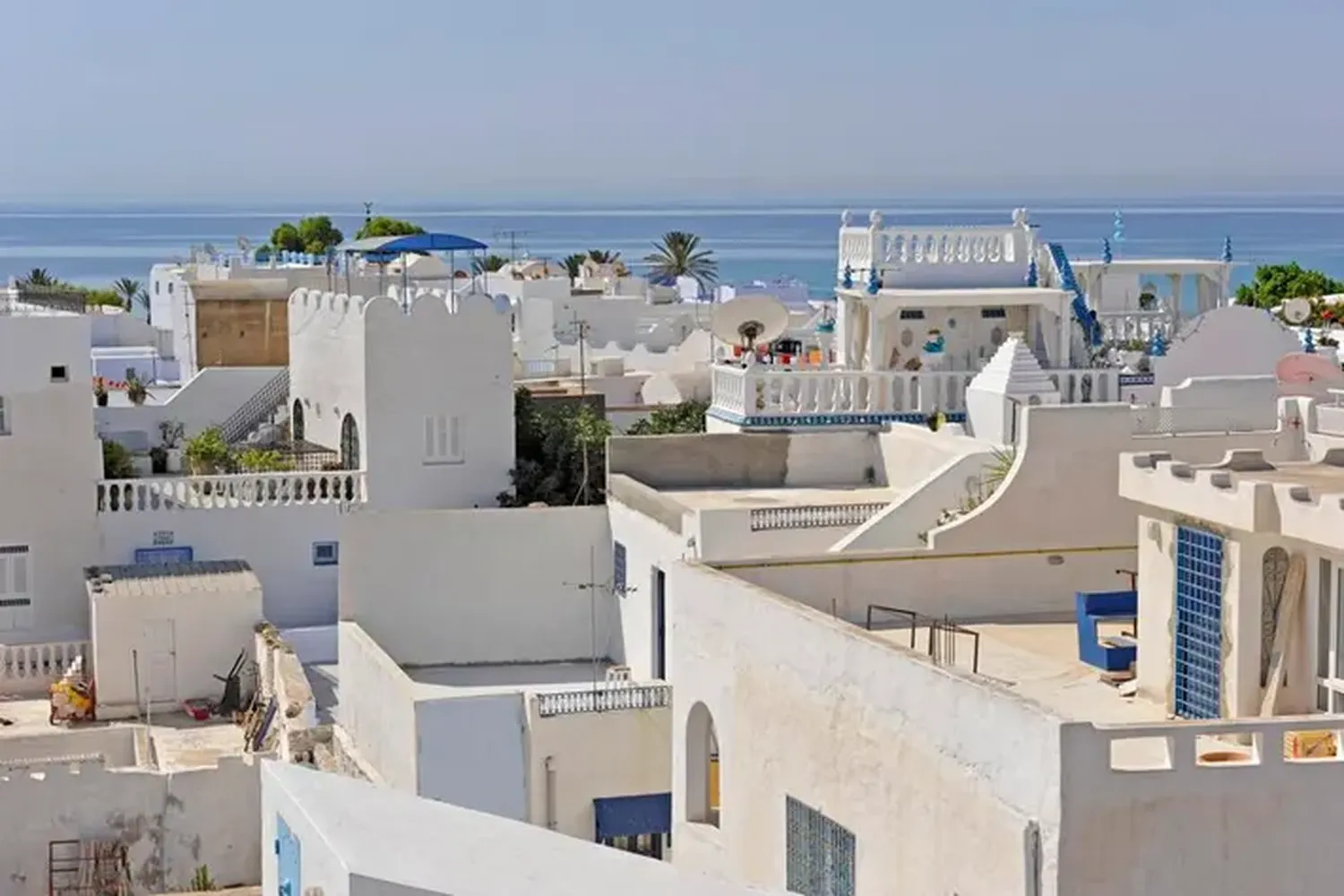
Details: Tunis has moderate costs, with a cost of living index of 31.2. Imported electronics and cars elevate expenses, with a meal costing $8.
10. Seychelles
Monthly Cost: $600
Key Drivers: Housing ($300 in Victoria), tourism
Details: Seychelles’ tourism-driven economy pushes costs, with a cost of living index of 30.8. Groceries cost $150/month due to imports.

Cost of Living Comparison Table
| Country | Monthly Cost (USD) | Cost of Living Index | Housing (1-Bed, City Center) | Groceries (Monthly) |
|---|---|---|---|---|
| South Africa | 1,200 | 40.5 | $600 | $250 |
| Nigeria | 1,000 | 39.1 | $500 | $200 |
| Mauritius | 950 | 38.2 | $450 | $200 |
| Kenya | 900 | 36.7 | $400 | $180 |
| Ghana | 850 | 35.1 | $350 | $200 |
| Morocco | 800 | 34.8 | $350 | $170 |
| Algeria | 750 | 33.5 | $300 | $180 |
| Angola | 700 | 32.9 | $400 | $200 |
| Tunisia | 650 | 31.2 | $250 | $150 |
| Seychelles | 600 | 30.8 | $300 | $150 |
Qualitative Insights: Factors Driving High Costs
Urbanization in cities like Nairobi and Lagos increases demand for housing, pushing rents up by 20% annually (Numbeo, 2024). Reliance on imported goods in Mauritius and Seychelles, due to limited local production, inflates prices by 30%. Strong currencies in South Africa and Morocco make imported electronics and vehicles costly. Tourism in Seychelles and Morocco drives up service costs, with hotels charging $150/night in peak seasons. Public sentiment on X (2024) highlights frustration over high rents in Lagos despite economic challenges.
Quantitative Data: Economic Context
- Housing Costs: Johannesburg’s $600/month rent is 50% higher than Tunis’ $250.
- Inflation Rates: Nigeria’s 25% inflation contrasts with Mauritius’ 5%.
- GDP per Capita: South Africa ($7,000) vs. Nigeria ($2,500) reflects economic disparity.
- Transport Costs: Lagos’ fuel ($0.80/liter) is double Tunisia’s ($0.40).
- Food Prices: A meal in Cape Town ($15) is 3x higher than in Algiers ($5).
Factors Driving High Cost of Living
- Urbanization: Rapid growth in Accra and Nairobi increases housing demand.
- Import Dependency: Nigeria and Mauritius import 70-80% of goods.
- Tourism: Seychelles’ $2 billion tourism industry inflates local prices.
- Infrastructure: South Africa’s developed roads and utilities raise costs.
- Currency Strength: Morocco’s dirham stability drives up import costs.
Challenges for Residents and Travelers
High costs strain locals, with 40% of Nigerians spending over 50% of income on rent. Expatriates in Mauritius face $1,000/month living costs, limiting affordability. Travelers to Seychelles pay $200/night for hotels, impacting budget planning. However, local markets in Ghana and Tunisia offer cheaper groceries, saving up to 30% compared to supermarkets.

Budget Tips for High-Cost Countries
Opt for suburban housing in Johannesburg to save 20% on rent. Use public transport in Nairobi ($1/trip) instead of taxis ($5). Shop at local markets in Accra for groceries, reducing costs by 25%. Book tours with Jaynevy Tours for cost-effective travel packages.
Travel to These Vibrant Destinations
Experience the dynamic cultures and Tanzania tour destinations like Mount Kilimanjaro, Serengeti National Park and Zanzibar. offers tailored safaris and cultural tours to explore Africa’s diversity.
Frequently Asked Questions
Which African country has the highest cost of living in 2026?
South Africa has the highest cost of living in Africa, with monthly expenses averaging $1,200 due to high housing and utility costs.
What factors drive high living costs in African countries?
Urbanization, import reliance, currency strength, and infrastructure development increase costs for housing, food, and transport.
How does Nigeria’s cost of living compare to South Africa?
Nigeria’s monthly cost ($1,000) is lower than South Africa’s ($1,200), driven by cheaper labor but higher import costs.
Are there budget-friendly options in high-cost African countries?
Yes, choosing suburban areas or local markets can reduce costs in countries like Kenya or Mauritius.
How does tourism impact cost of living in these countries?
Tourism drives up housing and service costs in cities like Cape Town and Marrakech, but boosts local economies.