
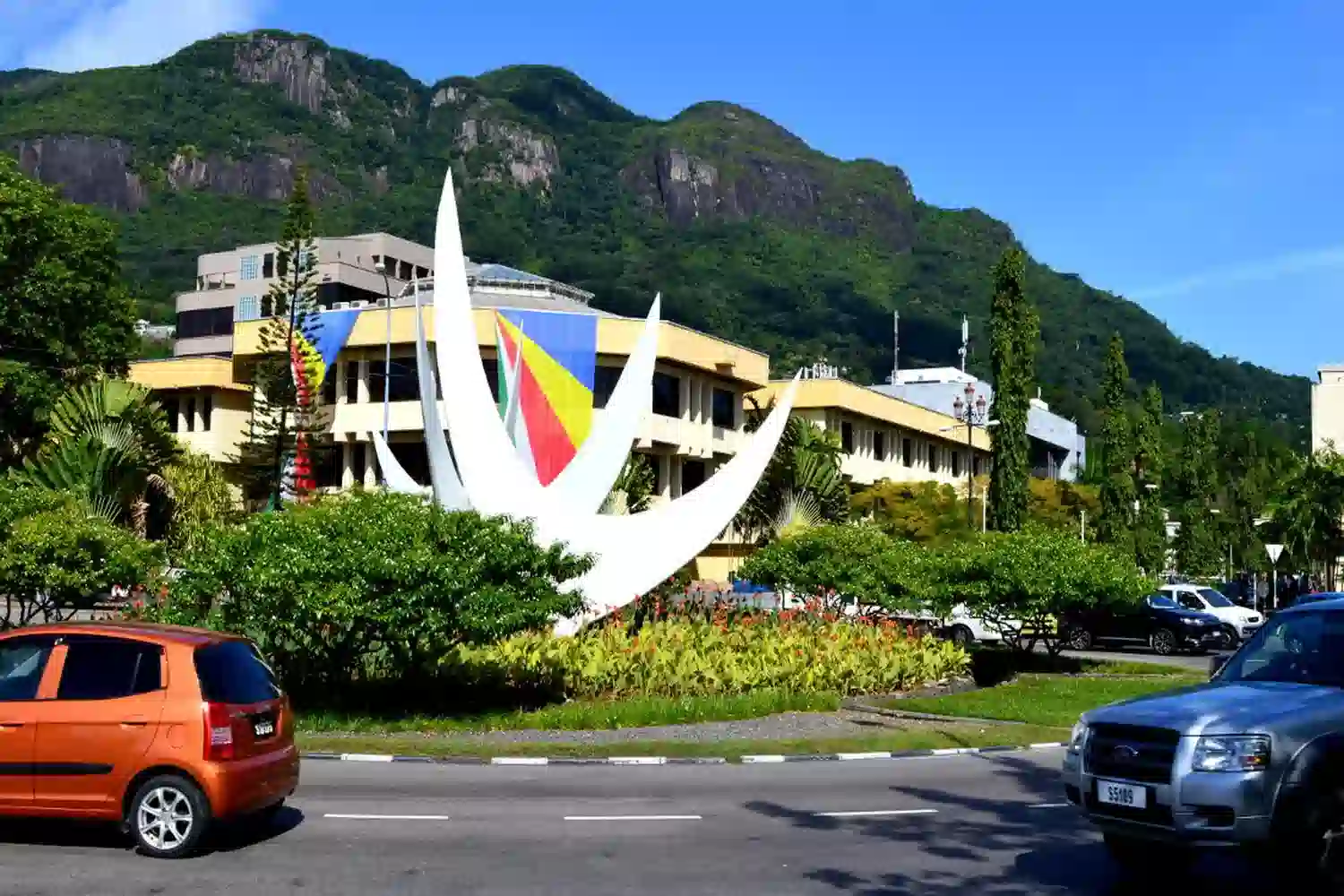
Overview of Demilitarized African Countries
In 2026, a few African nations stand out for not maintaining a standing military, relying instead on police forces, coast guards, and international agreements for security. This approach reflects their stable political climates, small populations, and strategic priorities, making them unique in a continent often associated with military presence. Below, we explore these countries, their security frameworks, and their appeal as travel destinations.
African Countries Without a Military
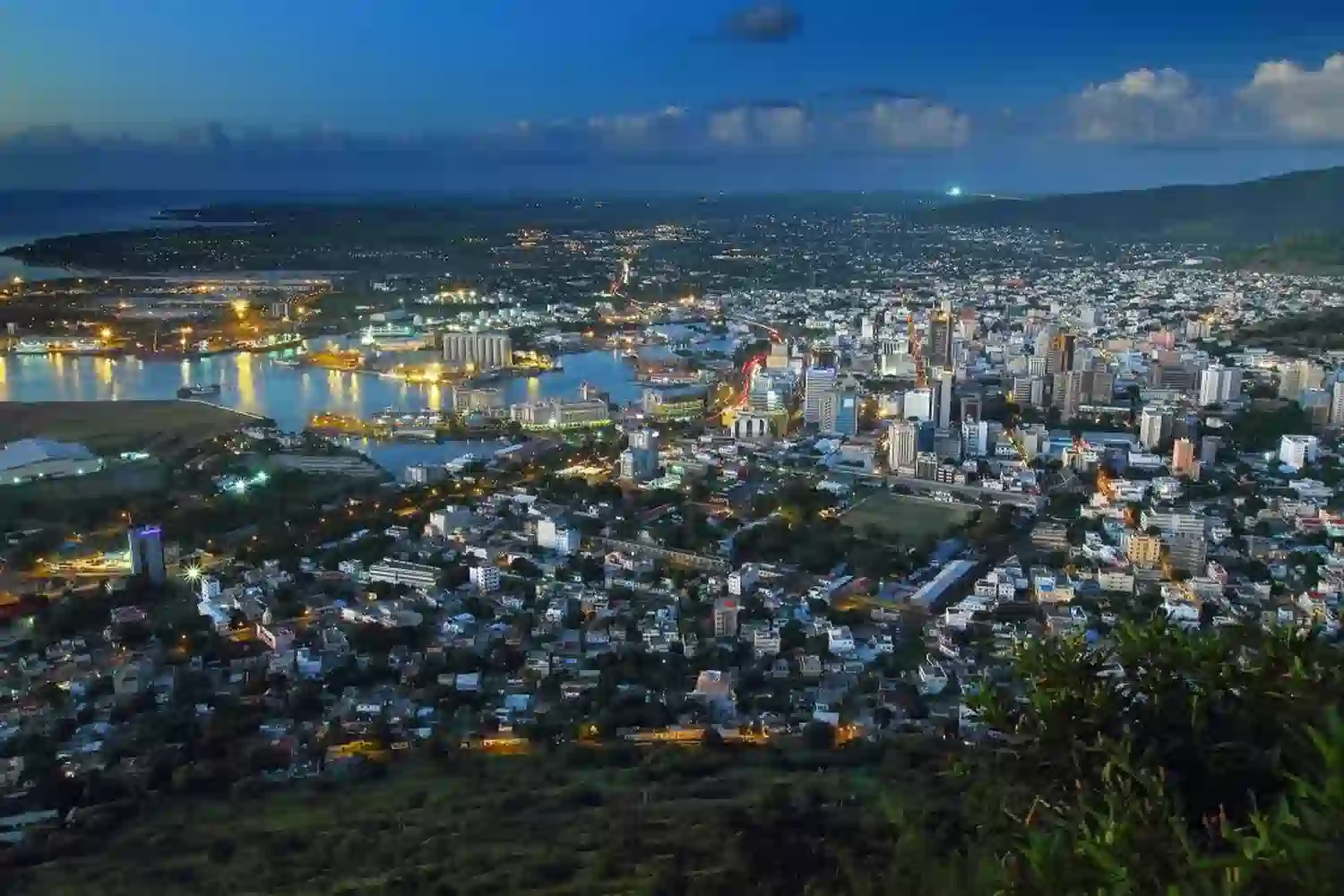
1. Mauritius
Population: 1.3 million (2024)
GDP: $14
billion
Security: Special Mobile Force (SMF) and Coast
Guard
Details: Mauritius, an island nation in the Indian
Ocean, abolished its military post-independence in 1968, relying on a
10,000-strong police force and a 1,500-member SMF for internal security. Its
stable democracy and low crime rate (2.7 incidents per 1,000 people) support
this model. The coast guard, equipped with 10 vessels, secures its 2.3
million km² exclusive economic zone. Tourism, contributing 25% to GDP,
thrives due to Mauritius’ peaceful image, attracting 1.4 million visitors
annually to sites like Port Louis and Black River Gorges.
2. Seychelles
Population: 100,000 (2024)
GDP: $2
billion
Security: Seychelles People’s Defence Force
(SPDF), Coast Guard
Details: Seychelles, another Indian
Ocean island, has no formal army, relying on a 650-member SPDF and coast
guard for security. With a low crime rate (3.1 per 1,000) and no significant
external threats, Seychelles prioritizes maritime security to protect its
tourism-driven economy, which accounts for 65% of GDP. Over 350,000 tourists
visit annually, drawn to beaches like Anse Lazio. Regional agreements with
India and the EU bolster maritime defense.
3. São Tomé and Príncipe
Population: 230,000 (2024)
GDP: $600
million
Security: National Police and Coast
Guard
Details: This small island nation in the Gulf of
Guinea has no standing military, using a 1,000-strong police force and coast
guard for security. Its isolation and lack of geopolitical conflicts reduce
the need for a military. Tourism is growing, with 35,000 visitors in 2024,
attracted to sites like Obo National Park. International naval patrols,
including from Portugal, support maritime security.
Comparative Security and Economic Data
| Country | Population | GDP (USD) | Security Force | Tourism Revenue (% of GDP) |
|---|---|---|---|---|
| Mauritius | 1.3M | 14B | SMF, Coast Guard | 25% |
| Seychelles | 100K | 2B | SPDF, Coast Guard | 65% |
| São Tomé and Príncipe | 230K | 600M | Police, Coast Guard | 10% |
Qualitative Insights: Why No Military?
These countries’ lack of a military stems from historical stability and geographical isolation. Mauritius’ peaceful transition to independence avoided militarization, while Seychelles’ small size and neutral foreign policy reduce external threats. São Tomé and Príncipe’s remote location minimizes conflict risks. Public sentiment on X (2024) praises these nations as “peaceful havens,” enhancing their appeal for tourism and investment. However, reliance on external allies for defense can pose vulnerabilities, as noted in regional security analyses.
Quantitative Data: Security and Economy
- Crime Rates: Mauritius (2.7/1,000), Seychelles (3.1/1,000), São Tomé (3.5/1,000).
- Police Strength: Mauritius (10,000), Seychelles (650), São Tomé (1,000).
- Tourist Arrivals: Mauritius (1.4M), Seychelles (350K), São Tomé (35K).
- Defense Budget: All allocate <1% of GDP to security, vs. 3% average in Africa.
- HDI: Mauritius (0.802), Seychelles (0.785), São Tomé (0.618).
Factors Enabling a Military-Free Model
- Political Stability: Mauritius’ consistent democracy since 1968.
- Geographical Isolation: Island nations face fewer border threats.
- International Alliances: Seychelles partners with India for maritime security.
- Economic Focus: Tourism drives 25-65% of GDP, prioritizing peace.
- Small Populations: Limited resources reduce need for large forces.
Challenges of a Military-Free Approach
While effective, this model has risks. Piracy in the Indian Ocean, though reduced, remains a concern for Seychelles, with 10 incidents reported in 2024. São Tomé’s limited coast guard struggles with illegal fishing, costing $50 million annually. Mauritius relies on India and France for external defense, which could strain sovereignty. X posts (2024) highlight debates over whether small nations can sustain security without militaries in a volatile region.
Visit to These Vibrant Destinations In Tanzania
Experience the dynamic cultures and Tanzania tour destinations like Mount Kilimanjaro, Serengeti National Park and Zanzibar. offers tailored safaris and cultural tours to explore Africa’s diversity.
Frequently Asked Questions
Which African countries have no military in 2026?
Mauritius, Seychelles, and São Tomé and Príncipe have no standing military, relying on police and coast guards.
Why do some African countries lack a military?
Small populations, stable politics, and reliance on international treaties reduce the need for a military.
How do these countries ensure security without a military?
They use police forces, coast guards, and international agreements for defense and security.
Does having no military impact tourism in these countries?
No military enhances their image as peaceful destinations, boosting tourism in Mauritius and Seychelles.
Are there risks to not having a military in Africa?
Potential risks include vulnerability to external threats, but regional alliances mitigate these concerns.