

Understanding Climate Change Vulnerability
Climate change vulnerability is assessed using indices like the Notre Dame Global Adaptation Initiative (ND-GAIN), which evaluates exposure, sensitivity, and adaptive capacity. In 2026, countries with low GDP, high agricultural dependence, and geographic exposure to extreme weather face the greatest risks. Over 1 billion people live in highly vulnerable nations, with economic losses from climate events reaching $500 billion annually (UNEP, 2024).
Top 10 Countries Most Affected by Climate Change
1. Madagascar
ND-GAIN Vulnerability Score: 0.62
Population: 29.6 million
Key Impacts: Cyclones displace 200,000 annually, 47% child malnutrition, $2 billion in damages (2020-2024).
Details: Madagascar faces frequent cyclones (e.g., Idai, 2019), destroying 30% of crops yearly. Deforestation reduces forest cover by 40%, worsening floods. Only 10% of the population has electricity, limiting adaptation. Eco-tourism, like in Andasibe-Mantadia, funds conservation but struggles with infrastructure damage.

2. Bangladesh
ND-GAIN Score: 0.58
Population: 173 million
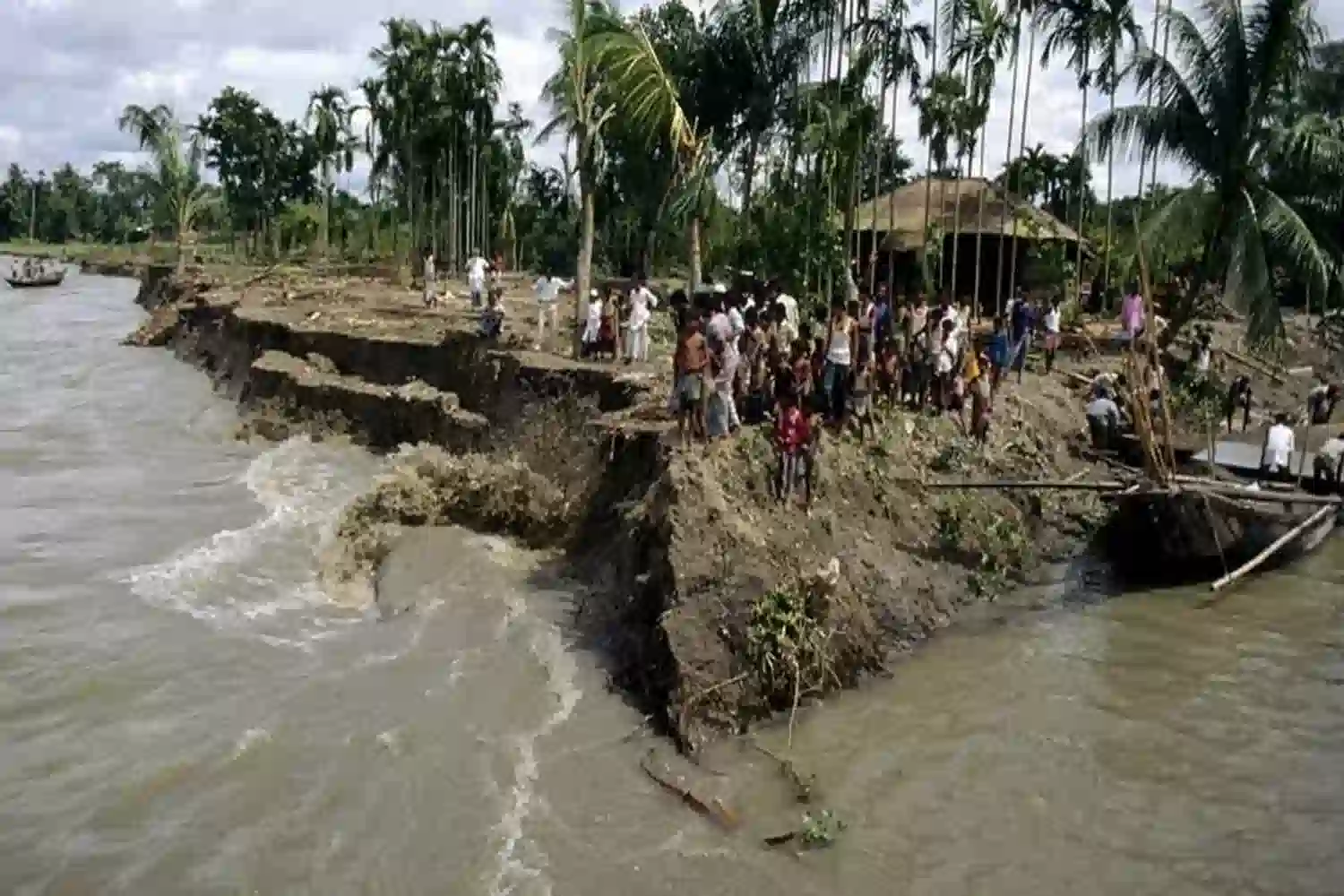
Key Impacts: 10 million at risk of flooding, 20% crop loss, $3.5 billion annual damages.
Details: Low-lying deltas make Bangladesh prone to floods, displacing 700,000 yearly. Sea-level rise threatens 15% of land by 2030. Adaptation includes 4,000 km of embankments, but 60% of farmers face salinity issues, reducing rice yields by 25%.
3. Somalia
ND-GAIN Score: 0.65
Population: 17 million
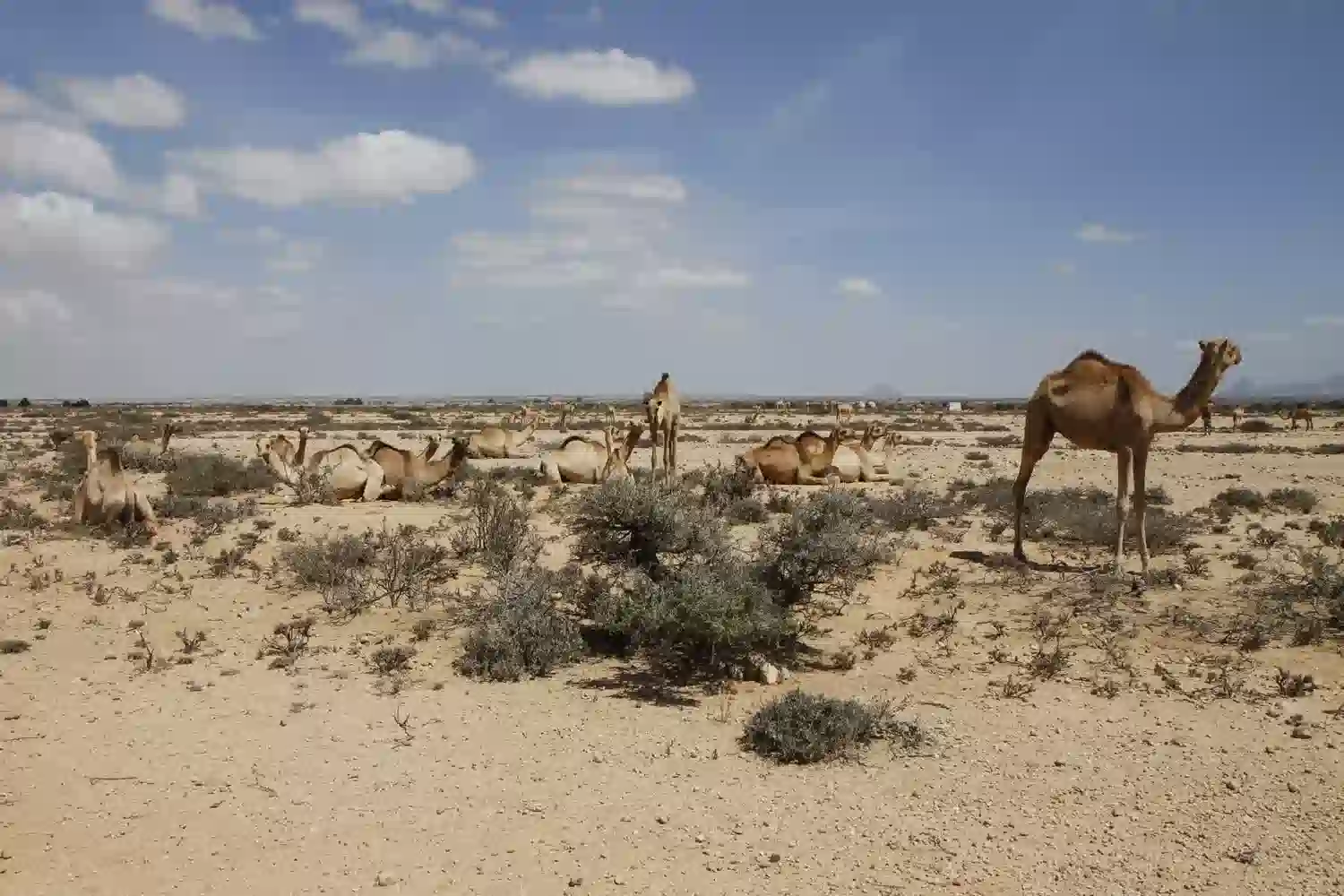
Key Impacts: Droughts kill 2 million livestock since 2017, 6 million face famine, 43% in poverty.
Details: Recurrent droughts and conflict disrupt agriculture, with 70% of Somalis relying on livestock. Only 1,000 km of paved roads hinder aid delivery. Remittances (40% of GDP) support resilience, but Al-Shabaab control limits adaptation.
4. Malawi
ND-GAIN Score: 0.60
Population: 20.4 million
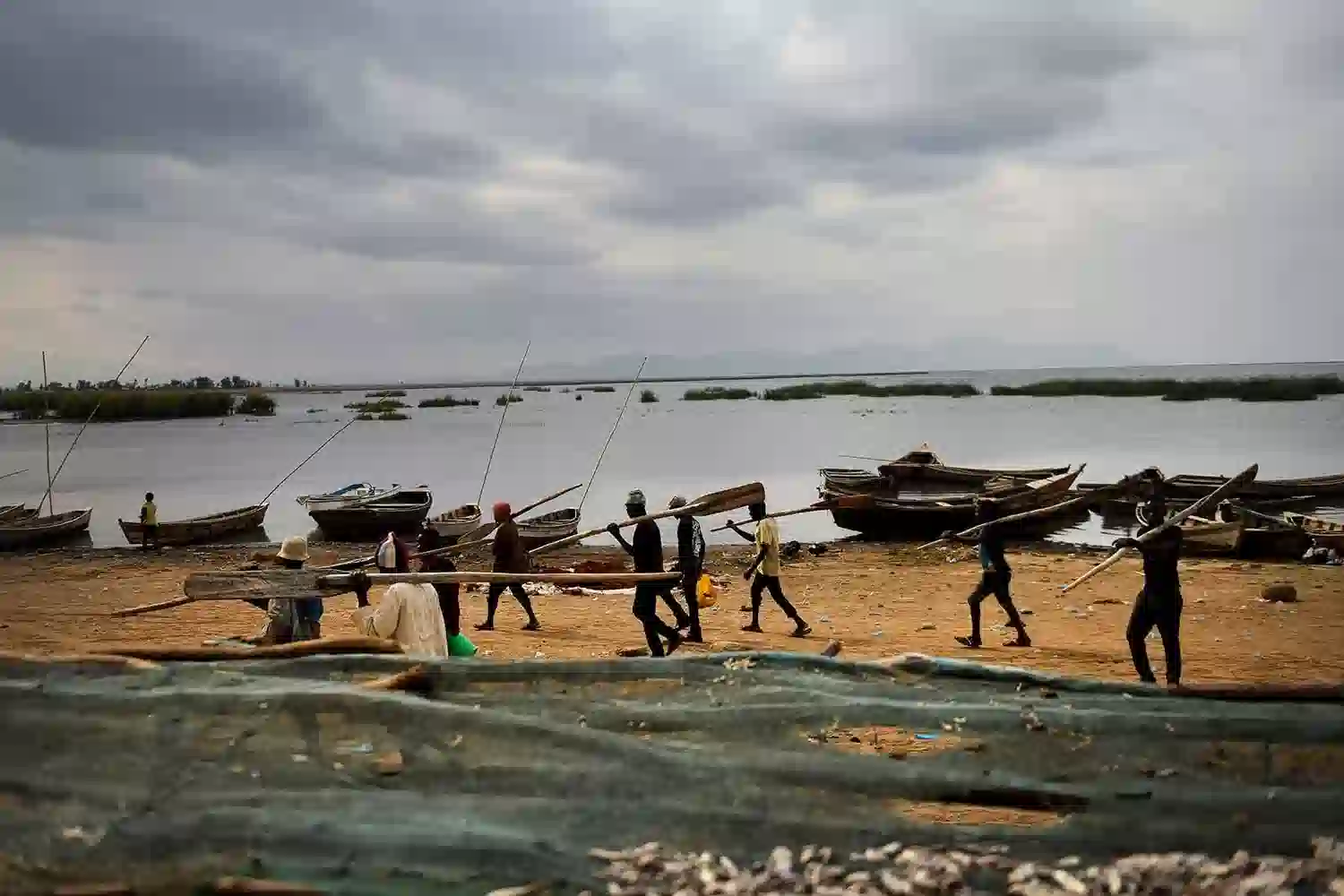
Key Impacts: 30% crop yield reduction, 70% in poverty, $1 billion flood damages (2019-2024).
Details: Droughts and floods hit maize production, affecting 85% of farmers. Only 11% of rural areas have electricity, limiting irrigation. Resilience programs train 200,000 farmers in climate-smart agriculture, but funding gaps persist.
5. Mozambique
ND-GAIN Score: 0.59
Population: 33.9 million
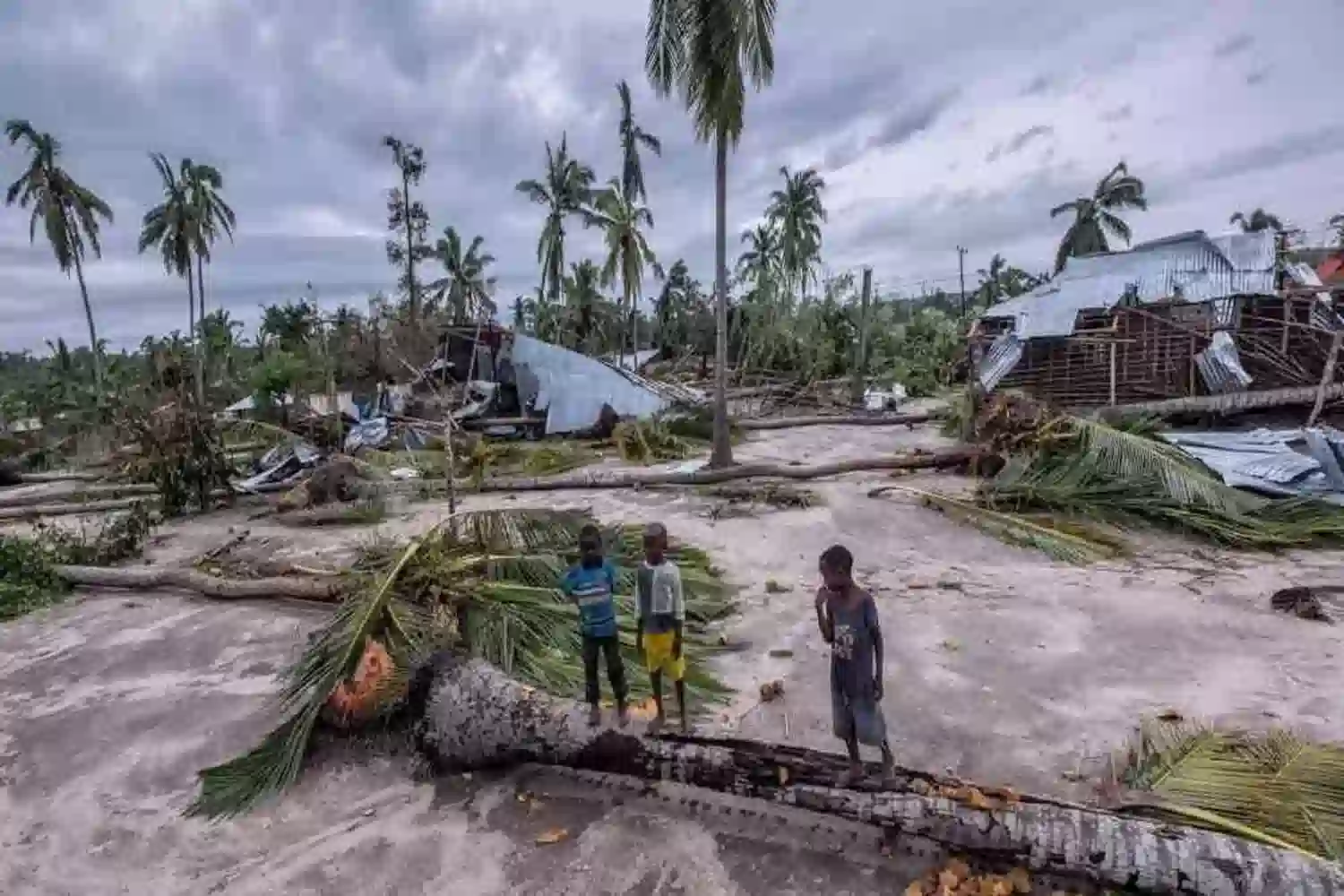
Key Impacts: Cyclone Kenneth (2019) cost $1 billion, 300,000 displaced, 63% in poverty.
Details: Cyclones and droughts disrupt agriculture, with 25% of rural areas without electricity. Insurgency in Cabo Delgado hampers $60 billion gas projects, limiting adaptation funds.
6. Niger
ND-GAIN Score: 0.63
Population: 26 million
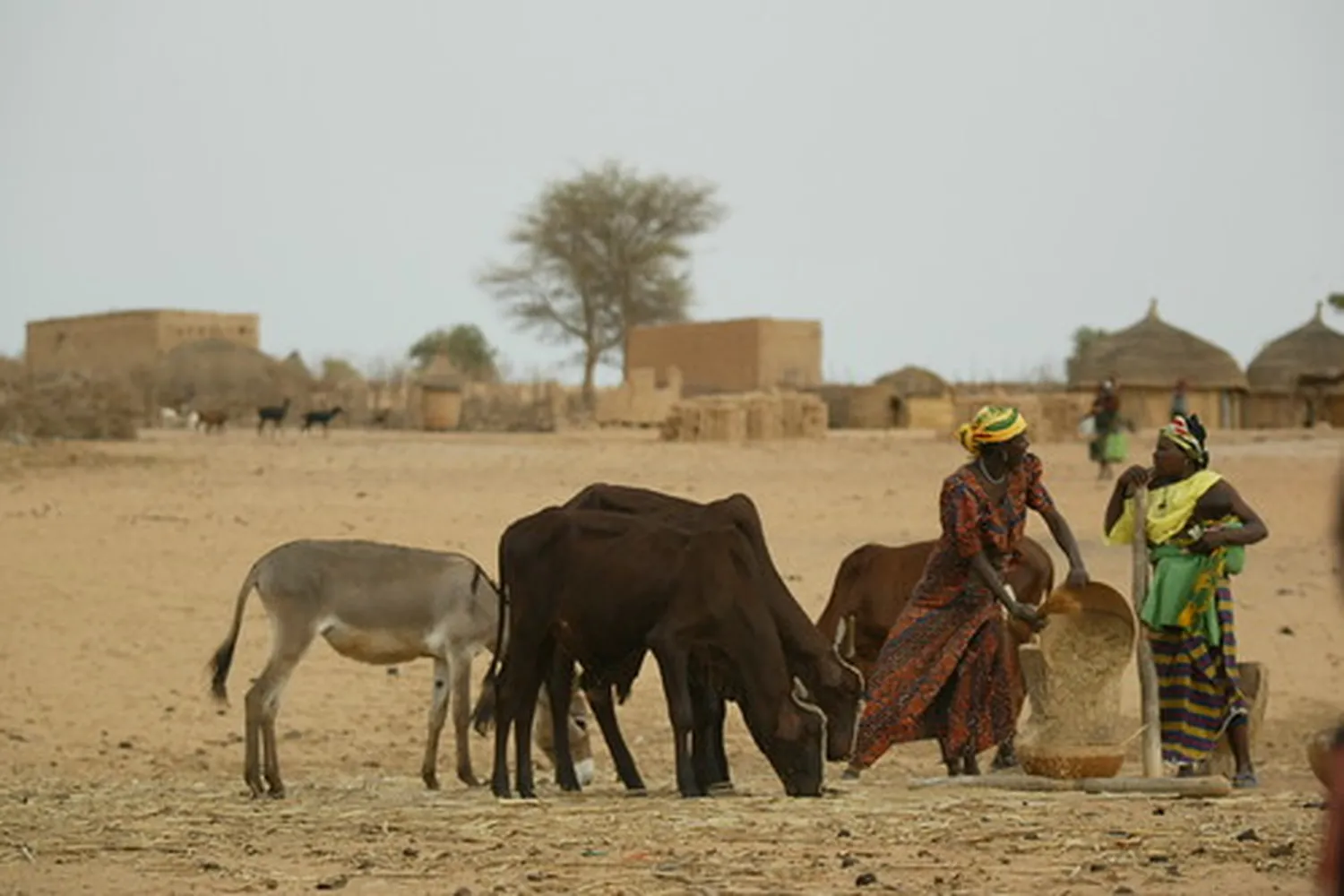
Key Impacts: Desertification reduces arable land by 20%, 50% in poverty, locust invasions.
Details: Sahel droughts affect 80% of farmers, with a fertility rate of 7 straining resources. Only 36% of children complete primary school, limiting adaptive capacity. Reforestation efforts plant 5 million trees annually but face funding shortages.
7. Chad
ND-GAIN Score: 0.64
Population: 18 million
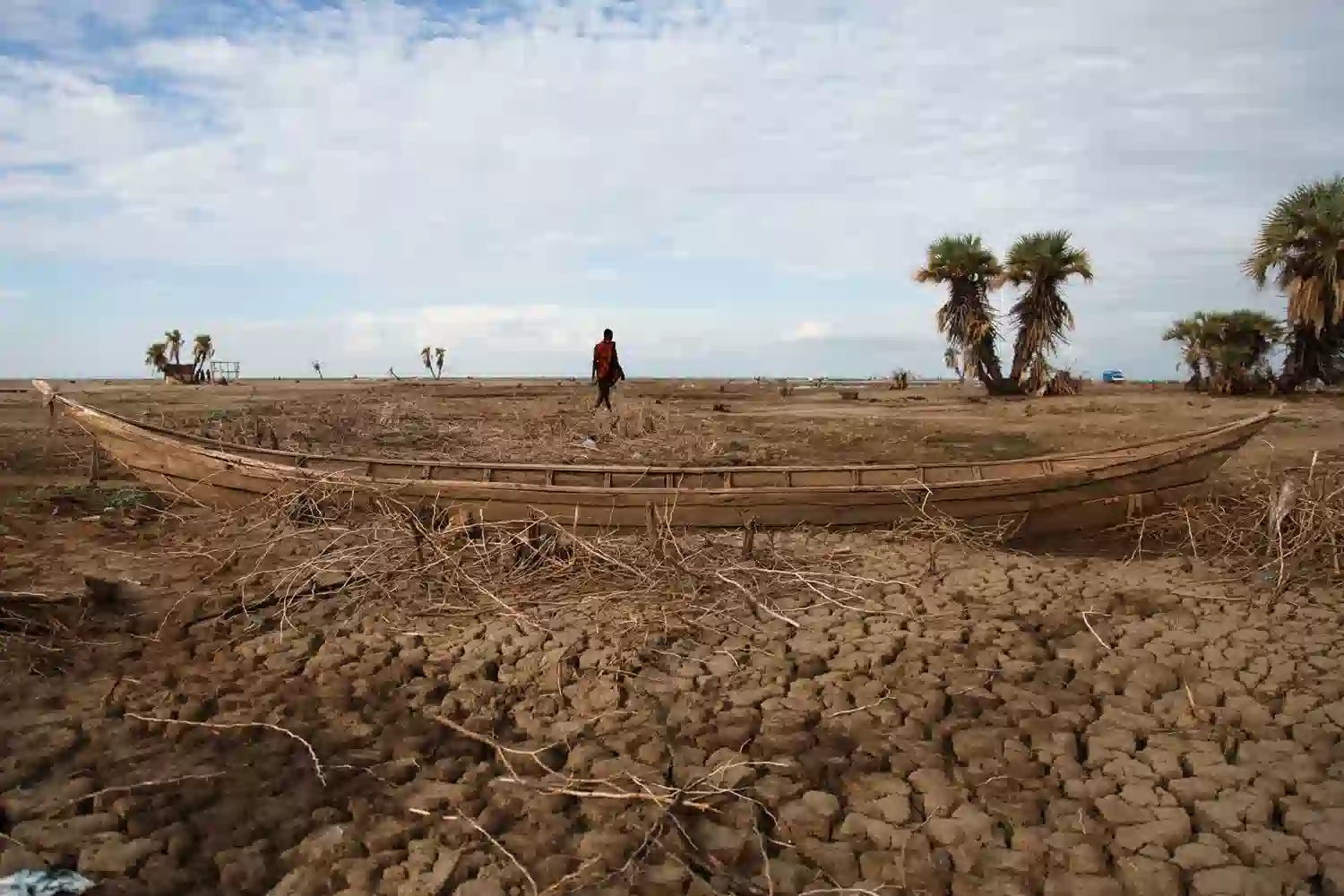
Key Impacts: Droughts cut yields by 25%, 400,000 displaced, 40% in poverty.
Details: Desert expansion in the Sahel impacts 80% of farmers. Oil revenue is mismanaged, with only 5% of rural areas electrified. Conflict with Boko Haram disrupts markets, worsening food insecurity for 3 million.
8. Haiti
ND-GAIN Score: 0.57
Population: 11.7 million
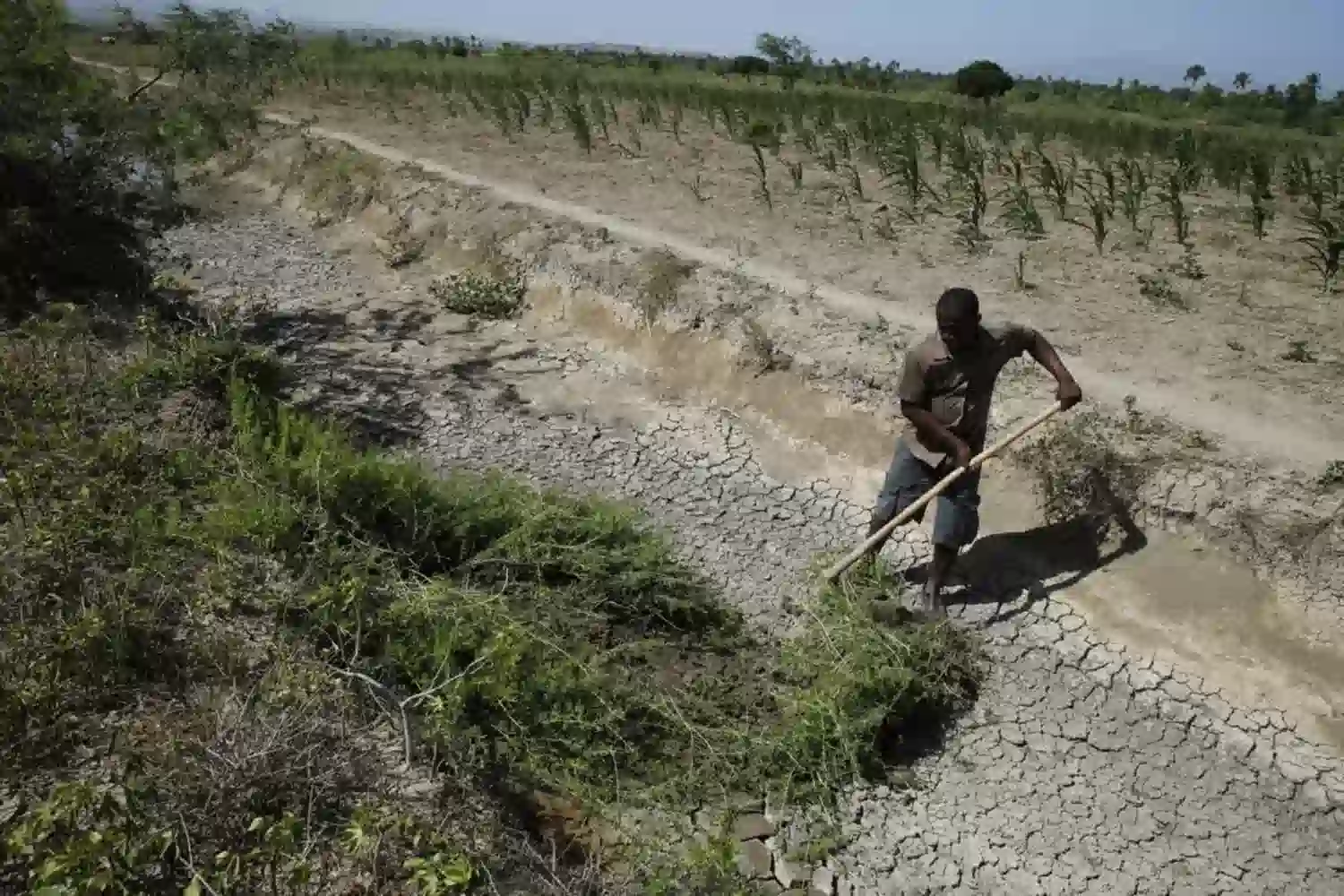
Key Impacts: Hurricanes displace 100,000 yearly, 25% crop loss, $800 million damages.
Details: Frequent hurricanes and earthquakes destroy infrastructure, with 60% in poverty. Only 28% have clean water, exacerbating health crises. Reforestation and mangrove restoration protect coasts but lack scale.
9. Philippines
ND-GAIN Score: 0.55
Population: 117 million
Key Impacts: 20 typhoons annually, $3 billion damages, 15% crop loss.
Details: Typhoons like Haiyan (2013) affect 10 million yearly. Coastal communities face rising seas, with 70% of fishing communities at risk. Early warning systems save lives, but 40% of infrastructure remains vulnerable.

10. Kiribati
ND-GAIN Score: 0.61
Population: 0.13 million
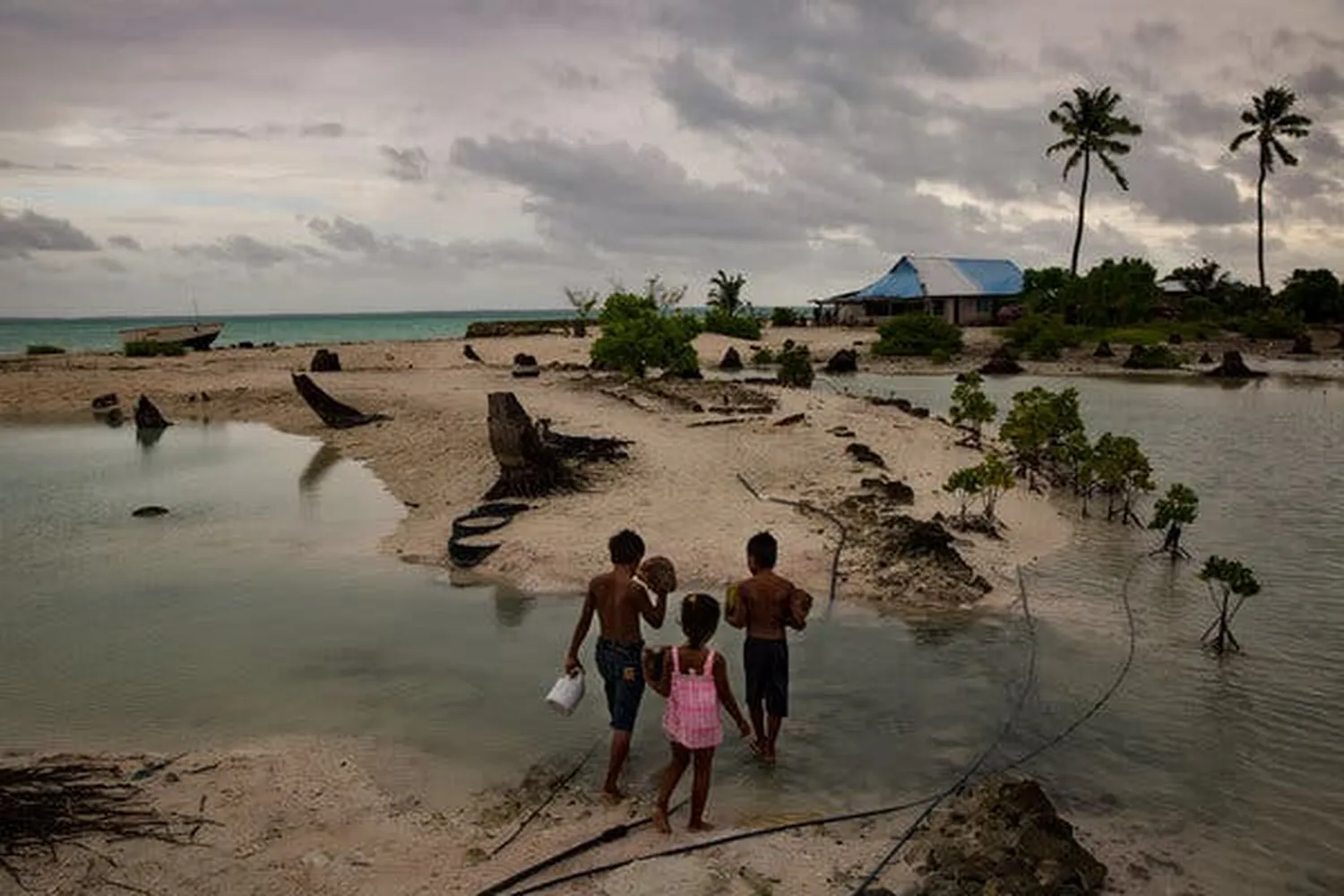
Key Impacts: Sea-level rise threatens 100% of land, 50% water contamination, $10 million damages.
Details: This Pacific island nation faces existential threats from rising seas, with 90% of residents at risk of displacement by 2050. Adaptation includes seawalls, but costs exceed GDP. Tourism, a key revenue source, declines due to coastal erosion.
Comparative Climate Impact Statistics Table
| Country | ND-GAIN Score | Key Climate Threat |
|---|---|---|
| Madagascar | 0.62 | Cyclones |
| Bangladesh | 0.58 | Floods |
| Somalia | 0.65 | Droughts |
| Malawi | 0.60 | Floods/Droughts |
| Mozambique | 0.59 | Cyclones |
| Niger | 0.63 | Desertification |
| Chad | 0.64 | Droughts |
| Haiti | 0.57 | Hurricanes |
| Philippines | 0.55 | Typhoons |
| Kiribati | 0.61 | Sea-Level Rise |
Factors Driving Climate Vulnerability
- Geographic Exposure: Low-lying nations like Bangladesh and Kiribati face flooding and sea-level rise, affecting 15-100% of land.
- Economic Constraints: Madagascar’s $568 GDP per capita limits adaptation, with 75% in poverty.
- Agricultural Dependence: 80% of Malawi’s population relies on farming, with 30% yield losses from droughts.
- Infrastructure Gaps: Somalia’s 1,000 km of paved roads hinder disaster response, impacting 6 million.
- Conflict: Chad and Somalia face insurgencies, diverting funds from climate adaptation.
Qualitative Insights: Community Perspectives
In Madagascar, a farmer said, “Cyclones destroy our crops yearly, leaving us hungry.” A Bangladeshi fisherman noted, “Salty water ruins our fields; we can’t fish anymore.” In Kiribati, a resident shared, “Our island is shrinking, and we fear losing our home.” These voices underscore the human toll of climate change, driving migration and cultural loss.
Adaptation and Resilience Efforts
Bangladesh has built 4,000 km of embankments, reducing flood impacts by 30%. Malawi trains 200,000 farmers in climate-smart agriculture, boosting yields by 15%. Kiribati’s seawalls protect 20% of its coast, though costs exceed $100 million. International aid, like the $100 billion pledged at COP29, supports 50% of adaptation projects, but funding gaps remain.
Climate Change and Tourism
Eco-tourism in vulnerable countries like Madagascar and Tanzania funds conservation. Madagascar’s national parks generate $50 million annually, supporting reforestation. Tanzania’s Serengeti safaris fund climate-resilient projects, with 80% of tourists prioritizing sustainable travel. Jaynevy Tours offers eco-friendly tours to support these efforts.
Future Projections and Solutions
By 2030, climate impacts could displace 200 million globally, with 50% in vulnerable nations. Solutions include scaling renewable energy (e.g., Somalia’s 10 MW solar projects), improving early warning systems (Philippines saves 1 million lives yearly), and global carbon reduction to limit warming to 1.5°C, potentially reducing damages by 20%.
Explore Tanzania’s Eco-Tourism
While climate change poses global challenges, Tanzania offers sustainable travel experiences. Visit Mount Kilimanjaro, Zanzibar beaches, or Serengeti safaris with Jaynevy Tours to support conservation and eco-friendly travel. Plan your trip today!
Frequently Asked Questions
Which countries are most affected by climate change in 2026?
Countries like Madagascar, Bangladesh, and Somalia are among the most affected, facing cyclones, floods, and droughts.
What makes a country vulnerable to climate change?
Vulnerability stems from geographic location, low GDP, reliance on agriculture, and limited adaptation resources.
How does climate change impact agriculture?
It reduces crop yields by up to 30% in countries like Malawi due to erratic rainfall and extreme weather.
What are nations doing to combat climate change effects?
Nations are adopting resilient agriculture, building flood defenses, and investing in renewable energy.
Can tourism help climate-affected countries?
Eco-tourism in places like Tanzania supports conservation and funds climate adaptation projects.