
Difference Between Human Intelligence And Artificial Intelligence – Complete Guide
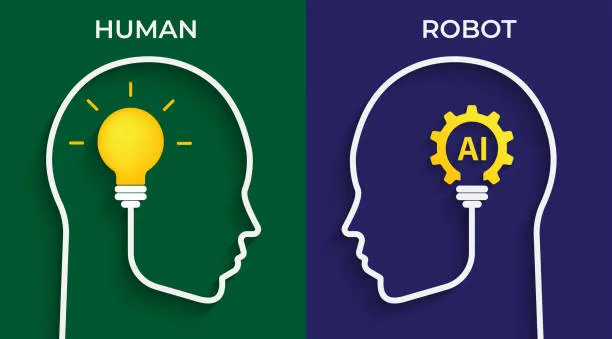
The difference between human intelligence and artificial intelligence is a topic of profound significance in the modern era. As technology advances at an unprecedented pace, understanding these distinctions becomes essential not only for scientists and technologists but also for anyone navigating the complexities of contemporary life. Human intelligence, rooted in biology, emotion, and consciousness, contrasts sharply with artificial intelligence, which relies on algorithms, data processing, and computational power. Exploring these differences sheds light on the unique capabilities and limitations of each, offering insights into how they can coexist and complement one another.
The Foundations of Human Intelligence and Artificial Intelligence
Human intelligence is the product of millions of years of evolution. It encompasses cognitive abilities such as reasoning, problem-solving, creativity, and emotional understanding. The human brain, with its intricate neural networks, processes information in ways that are deeply influenced by experiences, emotions, and cultural contexts. This biological foundation allows humans to adapt to diverse situations, innovate, and form meaningful connections with others.
Artificial intelligence, on the other hand, is a relatively recent development. It is built on mathematical models and algorithms designed to mimic certain aspects of human intelligence. AI systems excel in tasks that involve data analysis, pattern recognition, and automation. However, they lack the inherent consciousness and emotional depth that characterize human intelligence. The difference between human intelligence and artificial intelligence lies in their origins, functionalities, and potential for growth.
Cognitive Processes: A Comparative Analysis
One of the most striking differences between human intelligence and artificial intelligence is the way they process information. Human cognition is holistic, integrating sensory inputs, memories, and emotions to make decisions. For example, a traveler planning a Kilimanjaro climbing tour considers not only logistical details but also personal aspirations and emotional readiness. This multidimensional approach is unique to human intelligence.
Artificial intelligence, in contrast, operates on a more linear and structured basis. AI algorithms analyze vast amounts of data to identify patterns and make predictions. While this makes AI highly efficient in tasks like route optimization or weather forecasting for a safari tour, it lacks the nuanced understanding that comes from human experience. The difference between human intelligence and artificial intelligence is evident in their cognitive processes, with humans excelling in adaptability and AI in precision.
Emotional Intelligence: A Human Advantage
Emotional intelligence is a cornerstone of human intelligence. It involves the ability to recognize, understand, and manage emotions in oneself and others. This capability enables humans to build relationships, navigate social complexities, and make empathetic decisions. For instance, a tour guide’s ability to connect with travelers on a Tanzania destinations trip relies heavily on emotional intelligence.
Artificial intelligence, despite advancements in natural language processing and sentiment analysis, cannot genuinely experience emotions. While AI can simulate empathy or respond to emotional cues, it does so based on predefined algorithms rather than authentic feelings. This distinction highlights the difference between human intelligence and artificial intelligence, emphasizing the irreplaceable value of human emotional depth.
Creativity and Innovation: Human vs. Artificial
Creativity is another domain where the difference between human intelligence and artificial intelligence is pronounced. Human creativity stems from imagination, intuition, and the ability to think beyond existing paradigms. It is driven by curiosity, passion, and the desire to explore new possibilities. For example, the design of unique travel itineraries often involves creative problem-solving and innovative thinking.
Artificial intelligence can generate creative outputs, such as art, music, or text, but these are based on patterns and data rather than genuine inspiration. AI lacks the intrinsic motivation and emotional connection that fuel human creativity. While AI can assist in brainstorming or generating ideas, it ultimately relies on human input to refine and contextualize its outputs. This interplay between human creativity and artificial intelligence underscores their complementary roles.
Limitations and Ethical Considerations
Understanding the difference between human intelligence and artificial intelligence also involves recognizing their respective limitations. Human intelligence is constrained by cognitive biases, fatigue, and the finite capacity of the brain. These limitations can lead to errors in judgment or decision-making, especially under stress or uncertainty.
Artificial intelligence, while highly efficient, is limited by its dependence on data and algorithms. AI systems can perpetuate biases present in their training data, leading to ethical concerns. Additionally, AI lacks the moral reasoning and ethical judgment inherent to human intelligence. Addressing these limitations requires a balanced approach that leverages the strengths of both human and artificial intelligence.
The Future of Human Intelligence and Artificial Intelligence
The future of human intelligence and artificial intelligence lies in their collaboration rather than competition. As AI continues to evolve, it has the potential to augment human capabilities in fields such as healthcare, education, and travel. For instance, AI-powered tools can enhance the planning and execution of East Africa safari tours, providing personalized recommendations and real-time updates.
However, preserving the unique qualities of human intelligence is crucial. Emotional connection, creativity, and ethical reasoning are areas where humans excel and where AI cannot fully replicate. By understanding the difference between human intelligence and artificial intelligence, society can harness their combined potential to address complex challenges and enrich human experiences.
Expert Tips for Navigating the Intersection
- Leverage AI for efficiency but rely on human judgment for critical decisions.
- Stay informed about advancements in AI to understand its capabilities and limitations.
- Prioritize emotional intelligence and creativity in areas where AI falls short.
- Advocate for ethical AI development to ensure responsible use of technology.
Pros and Cons: Human Intelligence vs. Artificial Intelligence
| Aspect | Human Intelligence | Artificial Intelligence |
|---|---|---|
| Emotional Depth | High | Low |
| Creativity | High | Moderate |
| Processing Speed | Moderate | High |
| Adaptability | High | Low |
| Ethical Judgment | High | Low |
FAQs: Difference Between Human Intelligence and Artificial Intelligence
1. What is the primary difference between human intelligence and artificial intelligence?
The primary difference lies in their origins and functionalities. Human intelligence is rooted in biology and consciousness, while artificial intelligence is based on algorithms and data processing.
2. Can artificial intelligence replicate human emotions?
AI can simulate emotions but cannot genuinely experience them. Emotional intelligence remains a uniquely human trait.
3. How does creativity differ between humans and AI?
Human creativity is driven by imagination and inspiration, whereas AI creativity is based on patterns and data.
4. What are the ethical concerns surrounding AI?
Ethical concerns include bias in training data, lack of moral reasoning, and potential misuse of AI technologies.
5. How can humans and AI collaborate effectively?
Collaboration involves leveraging AI for efficiency and precision while relying on human judgment for creativity and ethical decision-making.
6. What are the limitations of human intelligence?
Limitations include cognitive biases, fatigue, and the finite capacity of the brain.
7. What are the limitations of artificial intelligence?
Limitations include dependence on data, lack of consciousness, and inability to experience emotions.
8. Why is emotional intelligence important in human-AI interactions?
Emotional intelligence ensures empathetic and ethical interactions, areas where AI cannot fully replicate human capabilities.