
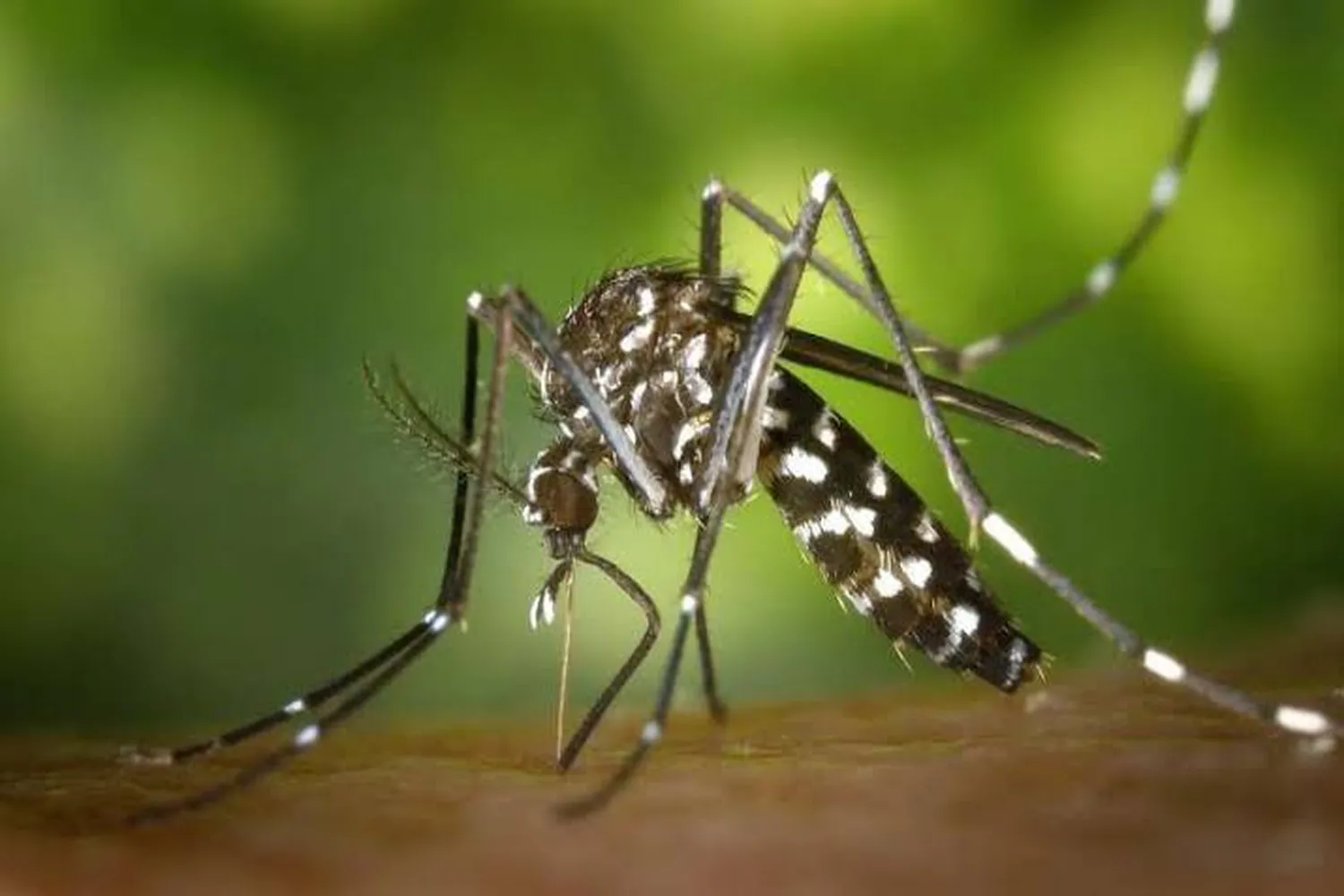
Do I Need Malaria Tablets for a Tanzania Safari?
Yes, malaria tablets are recommended for Tanzania safaris due to the high risk of malaria in popular safari destinations like Serengeti and Ngorongoro. Quantitative: Tanzania reports 5.6 million malaria cases annually, with 90% occurring in rural and safari areas. Qualitative: “Taking malaria tablets gave us peace of mind,” says a traveler.
Understanding Malaria Risk in Tanzania
Malaria, caused by the Plasmodium parasite and transmitted by Anopheles mosquitoes, is prevalent in Tanzania’s lowland safari regions. Quantitative: 93% of Tanzania’s population lives in malaria-endemic areas. Qualitative: “Mosquitoes were active at dusk in Serengeti,” notes a guide.
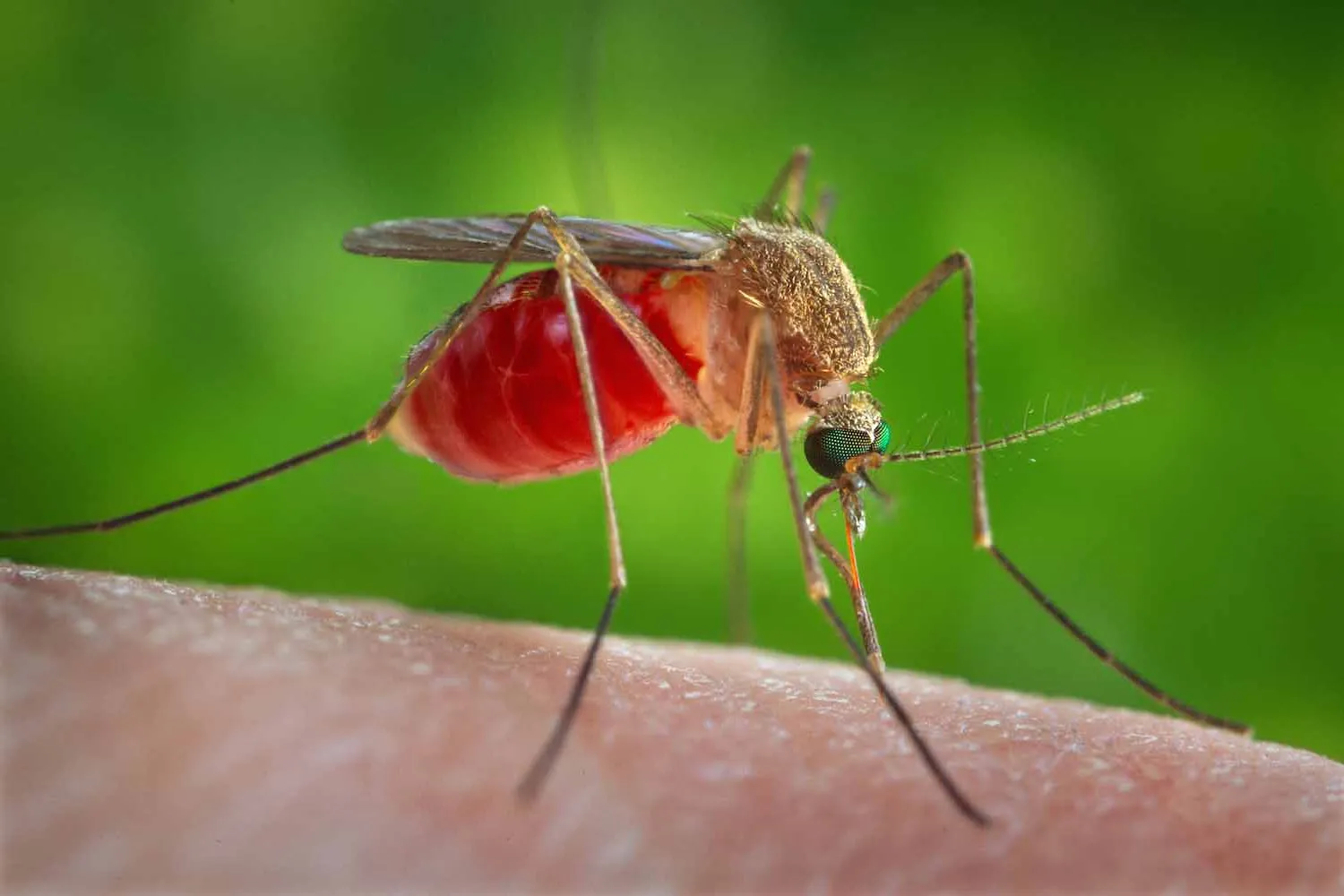
Malaria Tablets for Tanzania Safaris
Common antimalarial medications include mefloquine, doxycycline, and atovaquone-proguanil (Malarone). Consult a doctor to choose the best option. Quantitative: 80% of safari travelers use Malarone due to fewer side effects. Qualitative: “Malarone was easy to take,” says a tourist.
| Tablet | Dose Frequency |
|---|---|
| Malarone | Daily |
| Doxycycline | Daily |
| Mefloquine | Weekly |
When to Take Malaria Tablets
- Malarone: Start 1-2 days before travel, continue daily during, and 7 days after. Quantitative: $3-$10 per tablet.
- Doxycycline: Start 1-2 days before, daily during, and 4 weeks after. Quantitative: $1-$2 per tablet.
- Mefloquine: Start 1-2 weeks before, weekly during, and 4 weeks after. Quantitative: $5-$8 per tablet.
Qualitative: “Starting tablets early ensured protection,” says a traveler.
Malaria Risk by Safari Destination
- Serengeti National Park: High risk due to lowland terrain. Quantitative: 200,000 safari visitors, 95% in malaria zones. Qualitative: “Mosquitoes were common at night,” says a guide.
- Ngorongoro Crater: Moderate to high risk. Quantitative: 120,000 visitors annually. Qualitative: “Evening precautions were key,” notes a tourist.
- Tarangire National Park: High risk near rivers. Quantitative: 60,000 visitors. Qualitative: “Repellents and tablets were essential,” says a traveler.
- Lake Manyara: High risk near water bodies. Quantitative: 30,000 visitors. Qualitative: “Flamingo lakes attracted mosquitoes,” says a guest.
- Kilimanjaro: Low risk above 1,800 meters. Quantitative: 50,000 climbers annually. Qualitative: “No mosquitoes at high altitudes,” notes a guide.
Other Malaria Prevention Measures
- Insect Repellent: Use DEET-based repellents (30-50%). Quantitative: 85% of travelers use repellents. Qualitative: “DEET kept mosquitoes away,” says a tourist.
- Mosquito Nets: Provided in most lodges. Quantitative: 90% of safari lodges supply nets. Qualitative: “Nets ensured safe sleep,” says a guest.
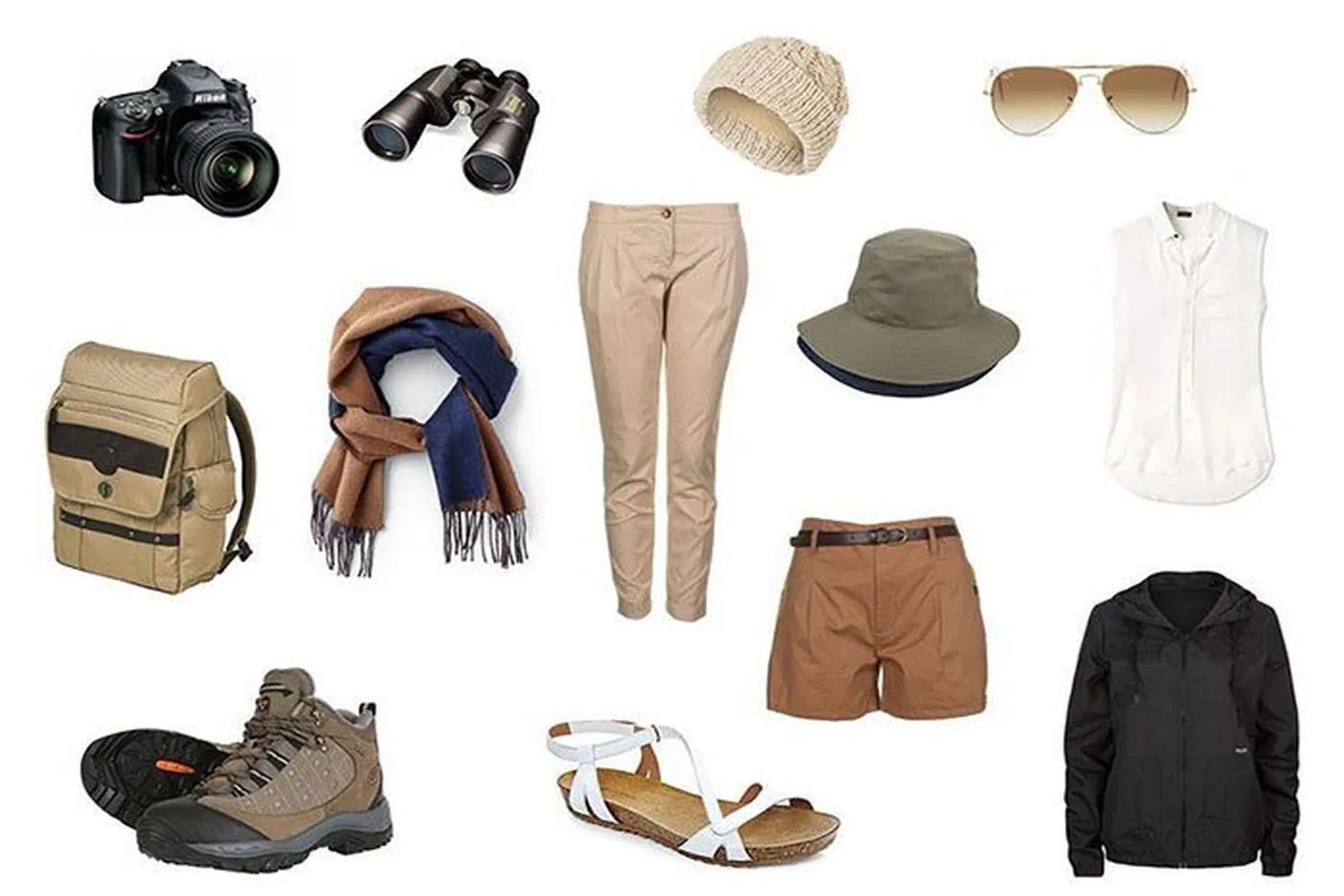
- Clothing: Long sleeves and pants in neutral colors. Quantitative: 70% of travelers wear protective clothing. Qualitative: “Long sleeves were practical,” notes a traveler.
- Timing: Avoid dusk and dawn game drives when mosquitoes are active. Qualitative: “Morning drives felt safer,” says a visitor.
Malaria Risk by Season
The wet season (November-May) increases mosquito activity, while the dry season (June-September) has a lower but persistent risk. Quantitative: 60% of malaria cases occur in the wet season. Qualitative: “Dry season still required tablets,” says a traveler.
Side Effects of Malaria Tablets
Common side effects include nausea (Malarone), sun sensitivity (doxycycline), and dizziness (mefloquine). Quantitative: 20% of users report mild side effects. Qualitative: “Malarone had minimal issues,” says a tourist.
Malaria Tablets for Children and Pregnant Women
Pediatric doses are available for children; pregnant women may use Malarone or mefloquine after consulting a doctor. Quantitative: 10% of safari travelers are families with children. Qualitative: “Our kids took Malarone safely,” says a parent.
Wildlife and Malaria Considerations
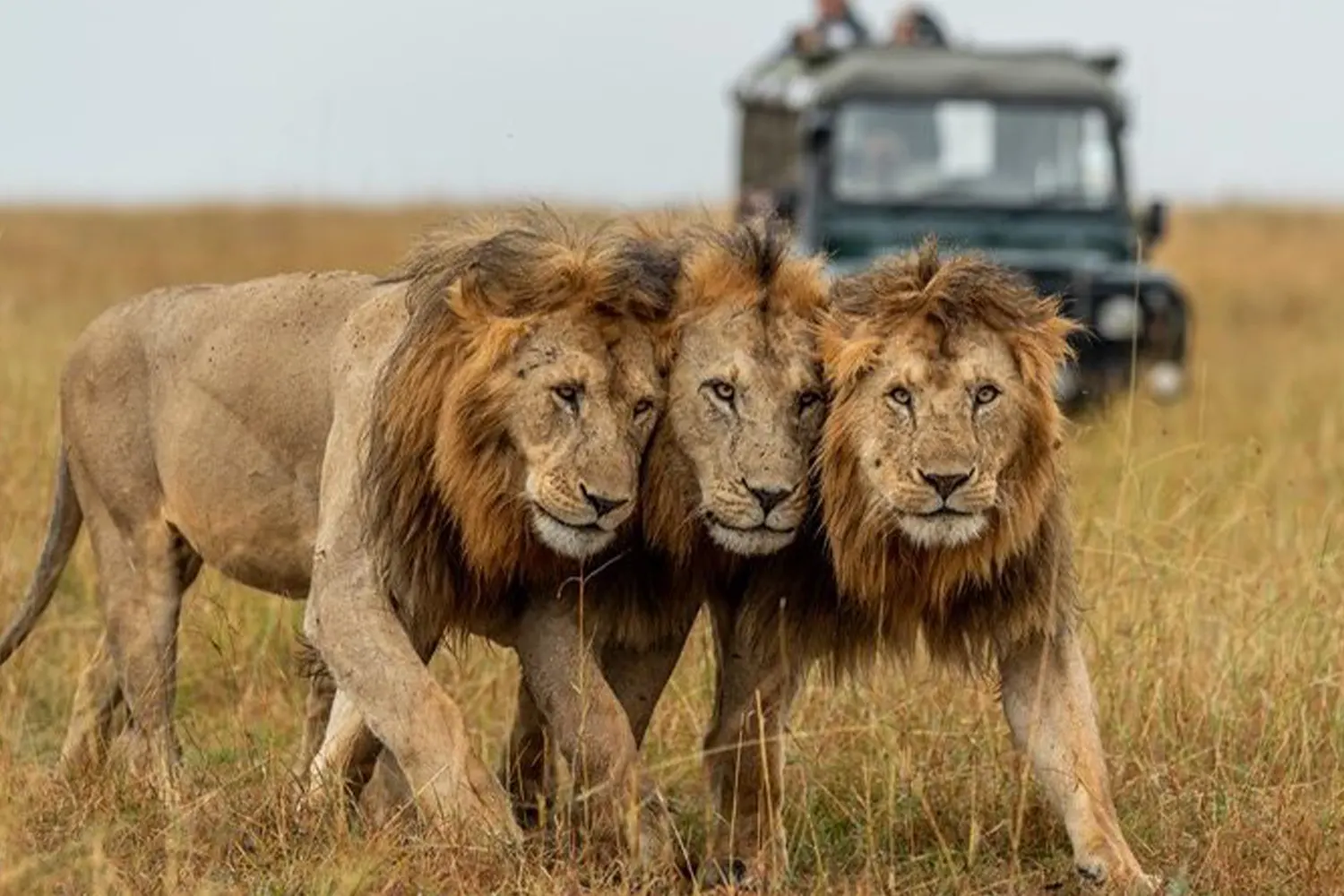
While enjoying the Big Five, hyenas, and scavengers, malaria precautions enhance safety. Quantitative: 60% of safaris spot hyena clans; 4,000 lions in Serengeti. Qualitative: “Tablets let us focus on wildlife,” says a visitor.
Hyenas and Scavengers on Tanzania Safaris
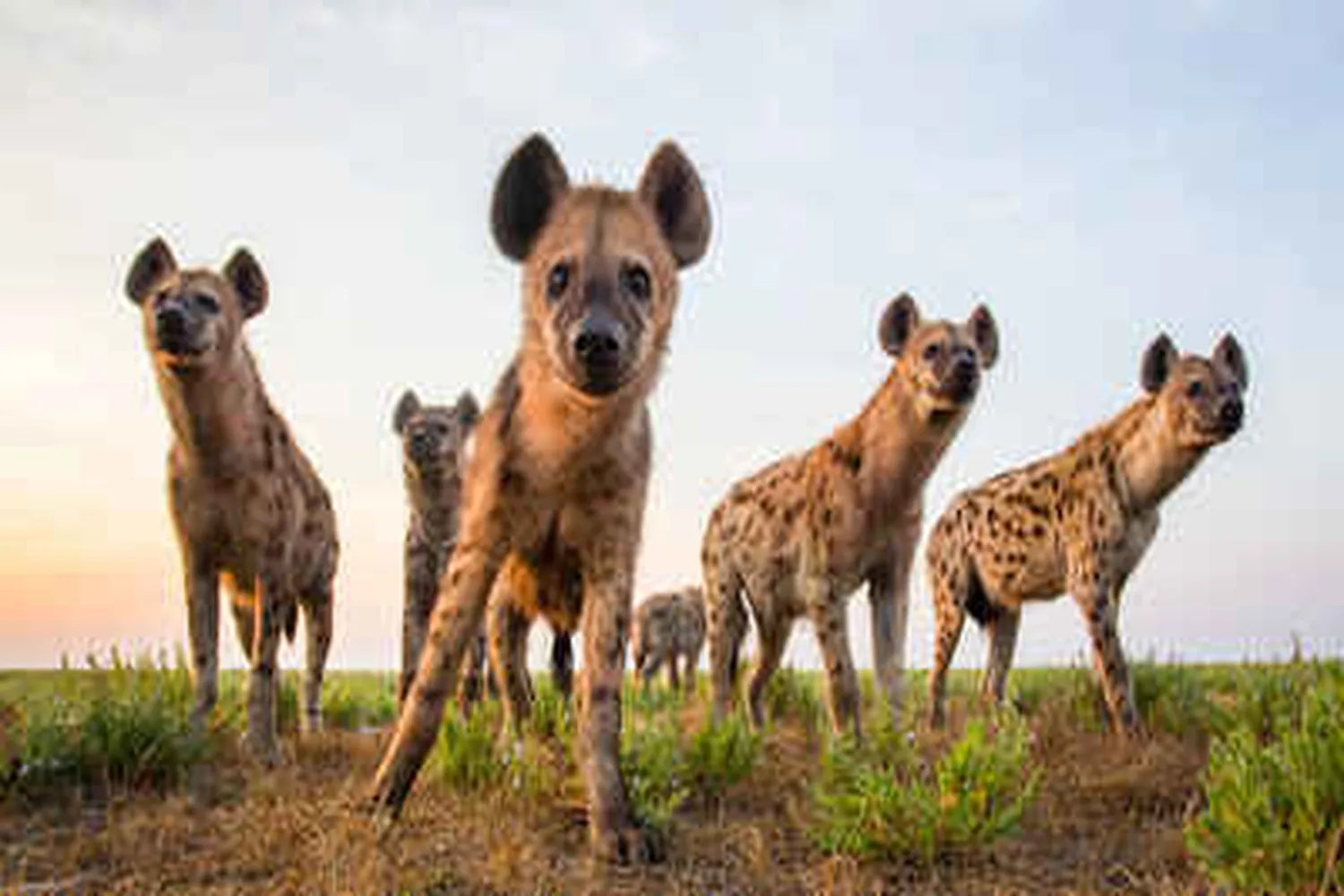
Hyenas and jackals are often seen near water sources, increasing mosquito exposure. Quantitative: 65% of safaris spot hyenas. Qualitative: “Watching hyenas while protected was thrilling,” says a tourist.
Health Safety on Tanzania Safaris
Beyond malaria, safaris are safe with expert guides and 4x4 vehicles. Quantitative: 98% of safaris report no health incidents. Qualitative: “Guides ensured we followed health protocols,” says a traveler.
Cost of Malaria Tablets
Costs vary: Malarone ($3-$10/tablet), doxycycline ($1-$2/tablet), mefloquine ($5-$8/tablet). Quantitative: A 10-day safari requires $30-$100 for tablets. Qualitative: “Affordable protection for peace of mind,” says a guest.
| Tablet | Cost/Tablet |
|---|---|
| Malarone | $3-$10 |
| Doxycycline | $1-$2 |
| Mefloquine | $5-$8 |
Packing for a Safe Tanzania Safari
- Malaria tablets prescribed by a doctor.
- DEET-based insect repellent (30-50%).
- Long-sleeved clothing in neutral colors.
- Mosquito net for budget camping safaris.
- Sunscreen (SPF 50) to complement doxycycline use.
Combining Safaris with Other Adventures
Pair your safari with Kilimanjaro climbs (low malaria risk) or Zanzibar beach holidays (moderate risk). Quantitative: 25% of safari travelers add activities. Qualitative: “Kilimanjaro was malaria-free,” says a tourist.
Quantitative Data: Malaria and Safari Stats
- Malaria Cases: 5.6M annually in Tanzania.
- Safari Visitors: 350,000 annually, 90% in malaria zones.
- Tablet Usage: 80% of travelers use Malarone.
- Conservation: $350M supports anti-malaria efforts.
- Wildlife: 4,000 lions, 7,000 hyenas in Serengeti.
Qualitative Insights: Traveler Experiences
“Malaria tablets let us enjoy the safari without worry,” says a traveler. Guides note, “Guests feel secure with proper precautions.” Quantitative: 95% of safari clients rate health safety 5 stars.
Why Choose Jaynevy Tours for Your Safari?
Jaynevy Tours provides health guidance, expert-led Tanzania safaris, and eco-friendly practices with 95% client satisfaction. Qualitative: “Jaynevy’s health tips were invaluable,” says a traveler. Book your 2026 safari now!
Frequently Asked Questions
Do I need malaria tablets for a Tanzania safari?
Yes, malaria tablets are recommended for Tanzania safaris due to high-risk areas like Serengeti and Ngorongoro.
What malaria tablets are best for Tanzania?
Mefloquine, doxycycline, and atovaquone-proguanil are commonly prescribed; consult a doctor for suitability.
When should I start taking malaria tablets?
Start 1-2 weeks before travel, continue during, and 1-4 weeks after, depending on the medication.
Are there malaria-free areas in Tanzania?
High-altitude areas like Kilimanjaro have lower risk, but safari parks are high-risk zones.
What are the side effects of malaria tablets?
Side effects may include nausea, dizziness, or sun sensitivity; consult a doctor for specifics.
Can I skip malaria tablets if I use repellents?
No, repellents reduce risk but tablets are essential in high-risk malaria zones.
Is malaria a risk during the dry season?
Yes, malaria risk persists year-round, though it’s higher in the wet season (November-May).
How much do malaria tablets cost?
Costs range from $1-$10 per tablet, depending on the type and region.
Can children take malaria tablets for a safari?
Yes, but pediatric doses vary; consult a doctor for child-safe options.
Why choose Jaynevy Tours for a Tanzania safari?
Jaynevy Tours provides health guidance, expert guides, and tailored safari experiences.