
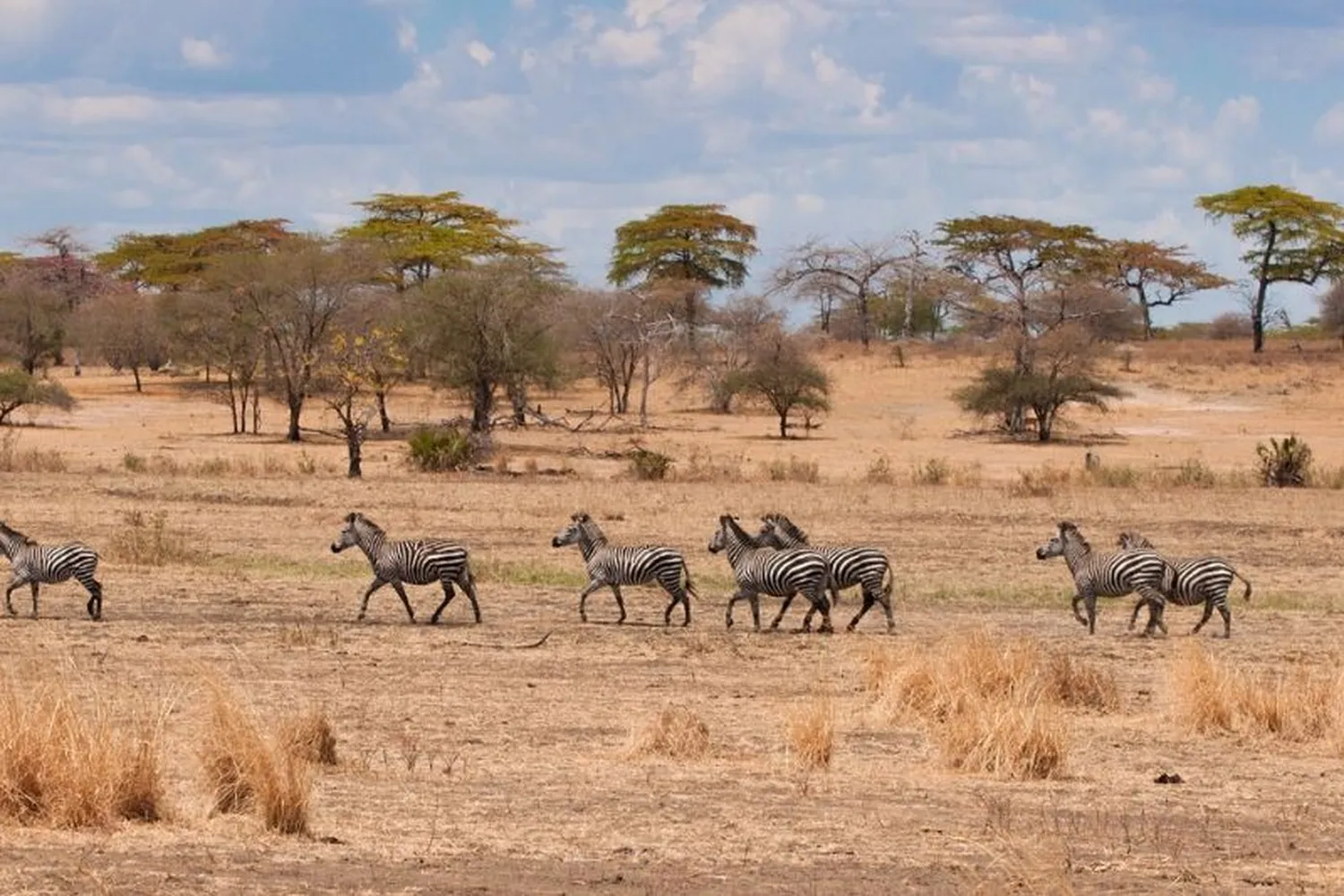
Why Choose a Dry Season Safari in Tanzania?
The dry season (July-September) is prime for Tanzania safaris due to concentrated wildlife at water sources and clear visibility. Quantitative: 60% of Tanzania’s 350,000 annual tourists visit during dry season, contributing $1.2B to tourism revenue. Qualitative: “The dry season made every animal sighting crystal clear,” says a traveler.
Top Destinations for Dry Season Safaris
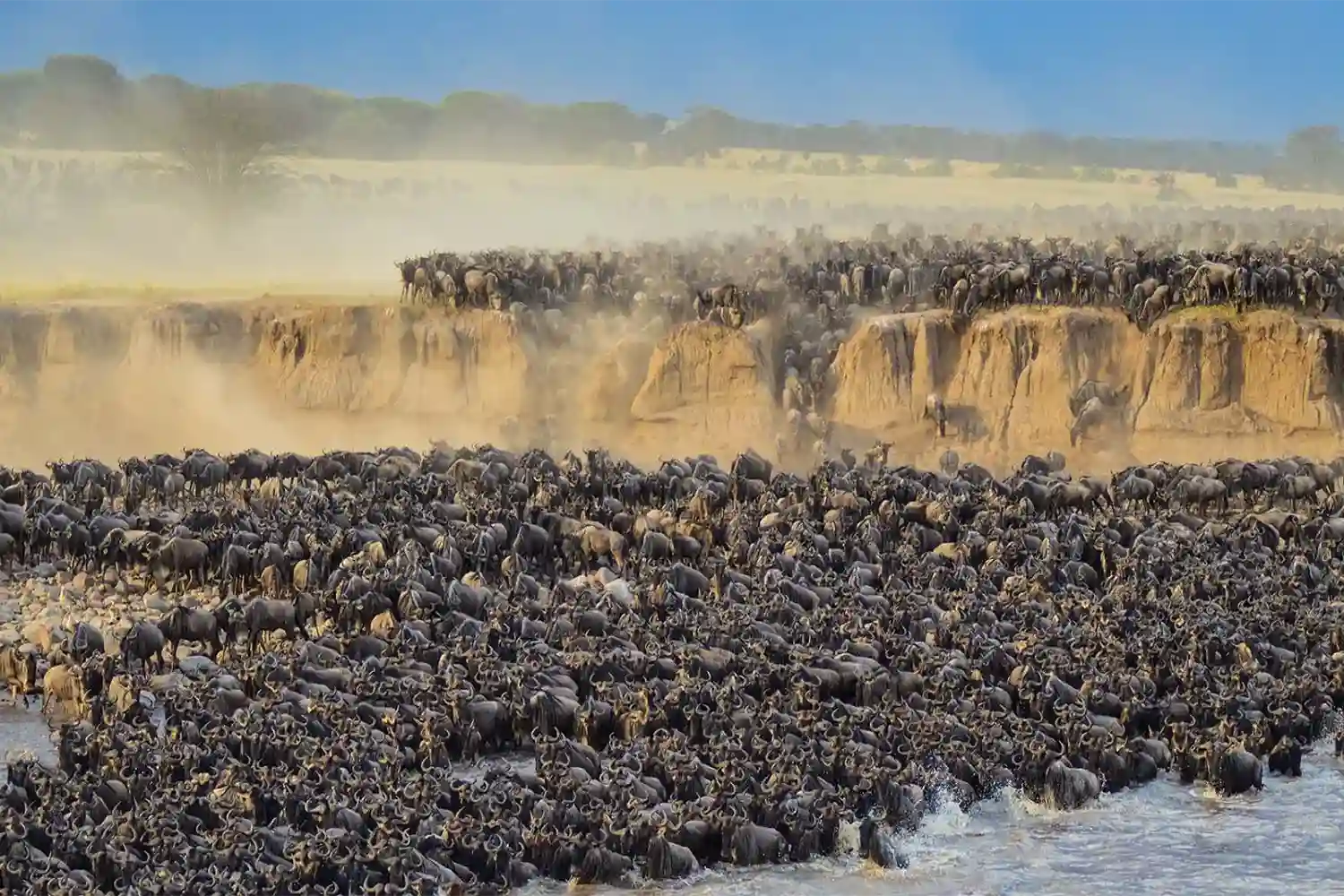
- Serengeti National Park: 14,750 km², hosts the Great Migration (1.5M wildebeest). Quantitative: 200,000 dry season visitors annually. Qualitative: “Serengeti’s waterholes were teeming with life,” says a guest.
- Ngorongoro Crater: 260 km², 25,000 animals including the Big Five. Quantitative: 300,000 dry season visitors. Qualitative: “The crater’s wildlife density was unreal,” notes a guide.
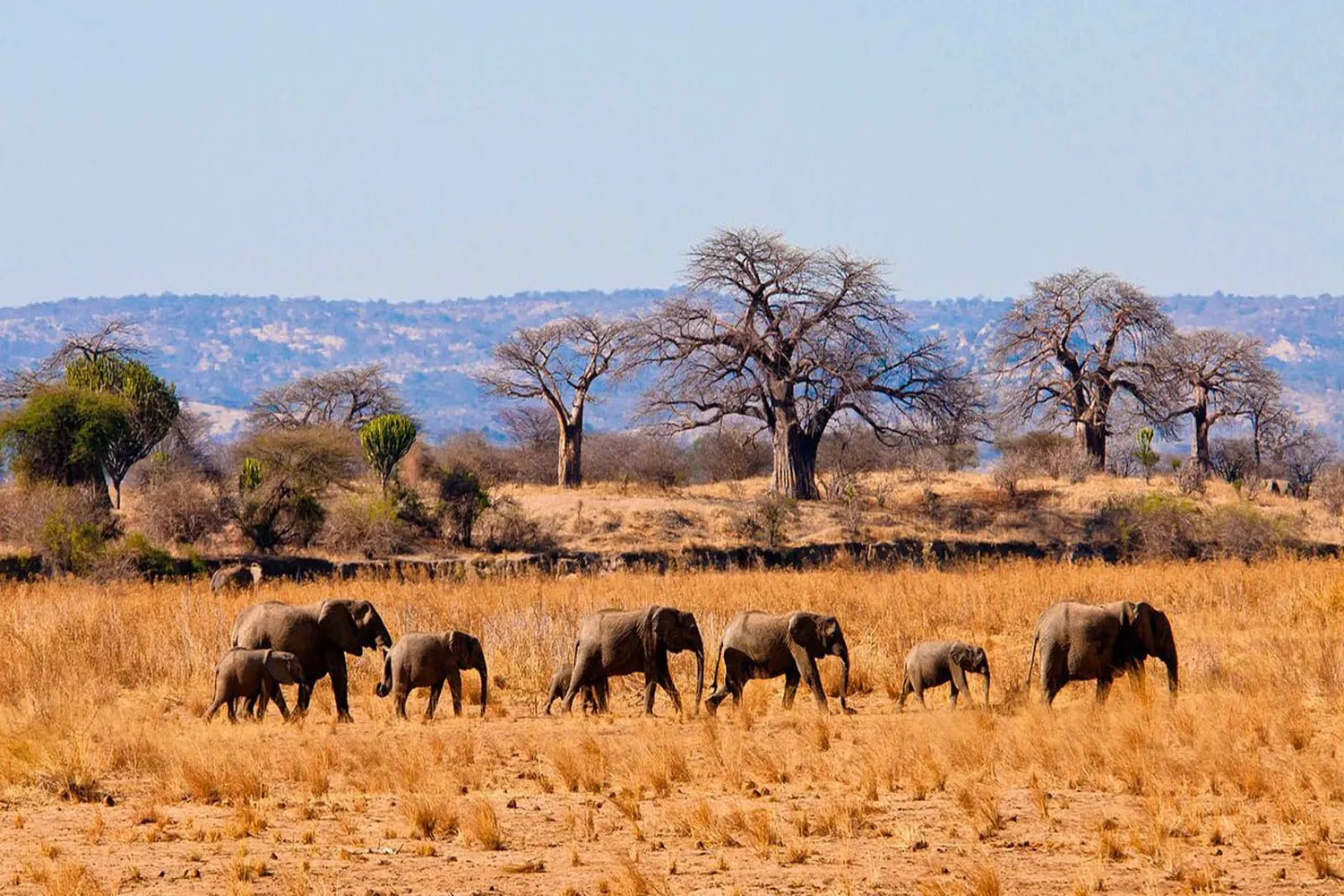
- Tarangire National Park: Known for 3,000+ elephants gathering at rivers. Quantitative: 80,000 dry season visitors. Qualitative: “Tarangire’s dry season elephant herds were stunning,” says a tourist.
- Lake Manyara National Park: Famous for flamingos and tree-climbing lions. Quantitative: 40,000 dry season visitors. Qualitative: “Flamingos at Manyara were a vibrant spectacle,” notes a visitor.
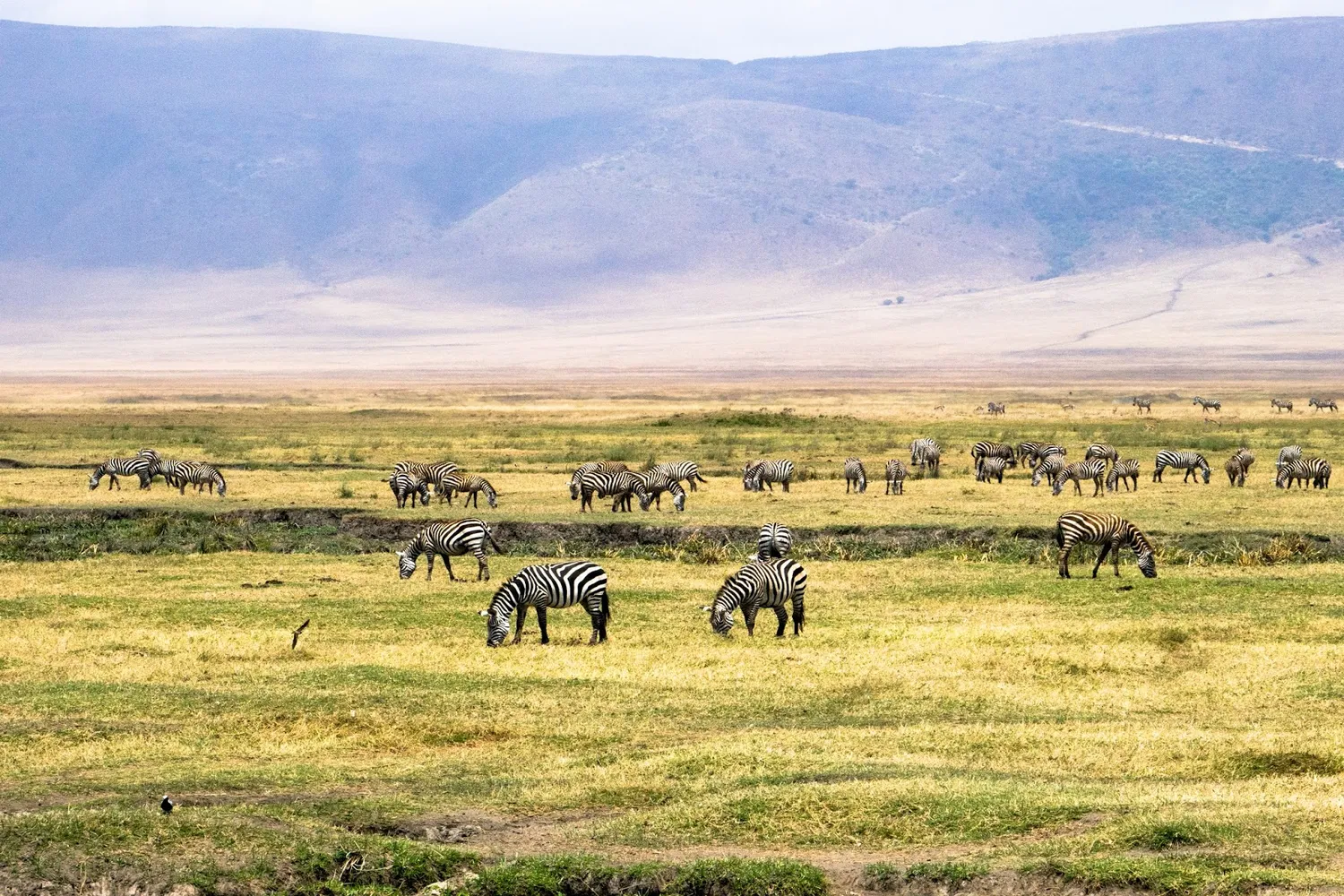
Sample 3-Day Dry Season Safari Itinerary
Day 1: Serengeti Migration Safari
- Arrive in Arusha, transfer to Serengeti for afternoon game drive to see wildebeest migration. Overnight at Serengeti Serena Lodge ($400-$600/night).
- Quantitative: 150 km drive, 4 hours of game drives. Qualitative: “The migration was a wildlife spectacle,” says a traveler.
Day 2: Ngorongoro Crater Exploration
- Morning transfer to Ngorongoro Crater, full-day game drive for Big Five sightings at waterholes. Overnight at Ngorongoro Serena Lodge ($500-$800/night).
- Quantitative: 200 km, 6 hours of game drives. Qualitative: “Lions at the crater’s waterholes were thrilling,” notes a guest.
Day 3: Tarangire and Return
- Morning transfer to Tarangire for game drive focusing on elephants and zebras, return to Arusha. Quantitative: 180 km, 3 hours of game drives. Qualitative: “Tarangire’s dry season herds were unforgettable,” says a visitor.
Cost: $1,200-$2,500 per person (mid-range), $2,800-$3,500 (luxury).
Cost Breakdown of Dry Season Safaris
Costs vary by accommodation, transport, and group size. Quantitative: Mid-range safaris cost $900-$2,500 per person; luxury safaris range from $2,800-$3,500. Park fees ($60-$100/day) and transport ($50-$150/day) are included. Qualitative: “The dry season value was incredible,” says a traveler.
| Package Type | Cost/Person |
|---|---|
| Mid-Range | $900-$2,500 |
| Luxury | $2,800-$3,500 |
Why the Dry Season is Ideal
- Wildlife Concentration: Animals gather at waterholes due to scarce water. Quantitative: 80% of wildlife sightings occur near water sources.
- Clear Visibility: Sparse vegetation improves viewing. Qualitative: “No foliage meant spotting animals was easy,” says a guest.
- Comfortable Weather: Sunny, warm (20-30°C), minimal rain. Quantitative: Less than 10 mm rainfall in July.
- Great Migration: 1.5M wildebeest cross Serengeti rivers. Quantitative: 100,000 visitors witness migration annually.
Wildlife Highlights in Dry Season
Expect to see the Big Five (lion, elephant, buffalo, leopard, rhino), wildebeest, zebras, giraffes, and flamingos. Quantitative: Serengeti has 4,000 lions; Ngorongoro hosts 25,000 animals. Qualitative: “Seeing a leopard near a waterhole was a thrill,” says a visitor.
Types of Dry Season Safari Experiences
- Group Safaris: Shared vehicles, budget-friendly. Quantitative: $900-$1,500 per person. Qualitative: “Group safaris were lively and affordable,” says a traveler.
- Private Safaris: Exclusive 4x4 vehicles with personal guides. Quantitative: $1,500-$3,500 per person. Qualitative: “Private drives felt tailored,” says a couple.
- Photography Safaris: Focus on capturing wildlife at waterholes. Quantitative: $2,000-$3,500 per person. Qualitative: “Got incredible lion shots,” says a photographer.
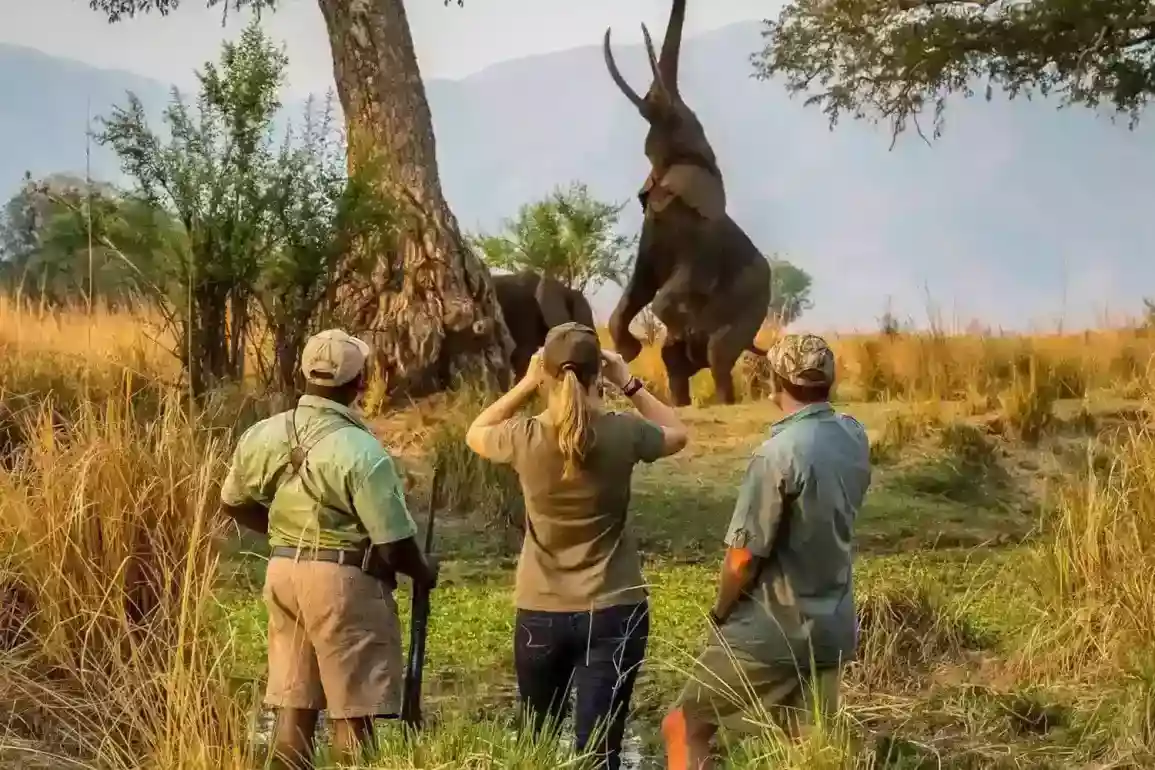
- Walking Safaris: Guided walks for close encounters. Quantitative: $200-$400 per walk. Qualitative: “Walking near zebras was exhilarating,” notes a guest.
Accommodation Options for Dry Season Safaris
- Serengeti Serena Lodge: Central Serengeti, pool, and dining. Quantitative: $400-$600/night, 90% occupancy. Qualitative: “Perfect for migration viewing,” says a guest.
- Ngorongoro Serena Lodge: Crater rim, stunning views. Quantitative: $500-$800/night, 95% occupancy. Qualitative: “The crater view was breathtaking,” notes a traveler.
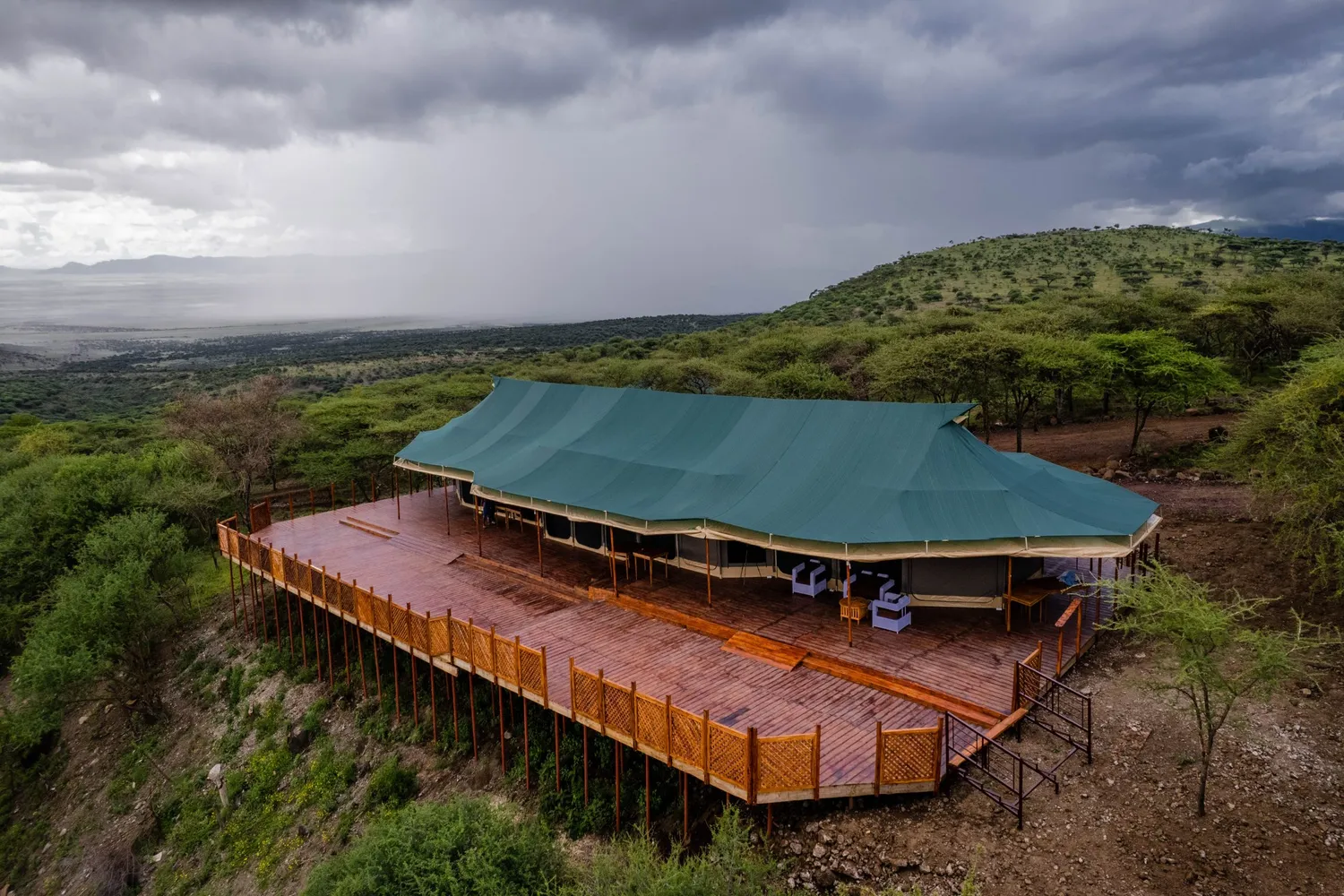
- Tarangire Safari Lodge: Overlooks elephant herds. Quantitative: $200-$400/night, 85% occupancy. Qualitative: “Loved the tented camp vibe,” says a visitor.
- &Beyond Ngorongoro Crater Lodge: Luxury suites, butler service. Quantitative: $1,500-$2,500/night, 95% occupancy. Qualitative: “Felt like royalty,” says a guest.
Packing for a Dry Season Safari
- Neutral-colored clothing (khaki, beige) for wildlife viewing.
- Binoculars (8x42) for spotting animals at waterholes.
- Camera with 200-400mm lens for photography.
- Sunscreen (SPF 50) and insect repellent for protection.
- Wide-brimmed hat and sunglasses for sun protection.
Weather in Tanzania’s Dry Season
Expect sunny, warm days (20-30°C) with cool nights (10-15°C) and minimal rainfall. Quantitative: Less than 10 mm rain in July-September. Qualitative: “The dry season weather was perfect for game drives,” says a tourist.
Safety and Conservation
Safaris are safe with expert guides and secure vehicles. Quantitative: 99% of guided tours report no safety incidents. Qualitative: “Our guide ensured we felt secure,” says a traveler. Jaynevy Tours supports $350M in annual conservation efforts, protecting wildlife habitats.
Combining Dry Season Safaris with Other Adventures
Extend your trip with Kilimanjaro climbs or Zanzibar beach holidays. Quantitative: 25% of safari-goers add activities. Qualitative: “Safari and Zanzibar was the ultimate combo,” says a tourist.

Quantitative Data: Dry Season Safari Stats
- Visitors: 210,000 annually during dry season.
- Revenue: $1.2B from dry season tourism.
- Wildlife: 1.5M wildebeest, 4,000 lions in Serengeti.
- Conservation: $350M for anti-poaching efforts.
- Average Cost: $1,500-$3,000 per person for 3 days.
Qualitative Insights: Traveler Experiences
“The dry season brought animals right to the waterholes, making every drive unforgettable,” says a traveler. Guides note, “Dry season safaris offer the best wildlife visibility.” Quantitative: 93% of dry season safari-goers rate their experience 5 stars.
Popular Payment Methods for Dry Season Safaris
| Method | Fees |
|---|---|
| Credit Card | 3-5% |
| Bank Transfer | $20-$50 |
| M-Pesa | 1-2% |
Why Choose Jaynevy Tours for Dry Season Safaris?
Jaynevy Tours offers customized dry season safari tours with expert guides, sustainable practices, and 96% client satisfaction. Qualitative: “Jaynevy’s dry season safari was a wildlife masterpiece,” says a traveler. Book your 2026 adventure now!
Frequently Asked Questions
Why choose a dry season safari in Tanzania?
Dry season (Jul-Sep) offers clear wildlife sightings due to concentrated animals at water sources.
Which parks are best for dry season safaris?
Serengeti, Ngorongoro Crater, Tarangire, and Lake Manyara are top choices.
How much do dry season safari tours cost?
Costs range from $900-$3,500 per person for a 3-day safari.
What wildlife can I see during the dry season?
Big Five, wildebeest, zebras, giraffes, and more gather at waterholes.
Are dry season safaris safe?
Yes, expert guides and secure vehicles ensure safety.
Can I customize a dry season safari itinerary?
Yes, Jaynevy Tours offers tailored private or group safaris.
What’s included in a dry season safari package?
Accommodation, meals, game drives, park fees, and guides.
What is the weather like during Tanzania’s dry season?
Sunny, warm (20-30°C), with minimal rain, ideal for safaris.
Can I combine a dry season safari with other activities?
Yes, pair with Kilimanjaro climbs or Zanzibar beach holidays.
Why choose Jaynevy Tours for dry season safaris?
Expert guides, sustainable practices, and personalized itineraries.