
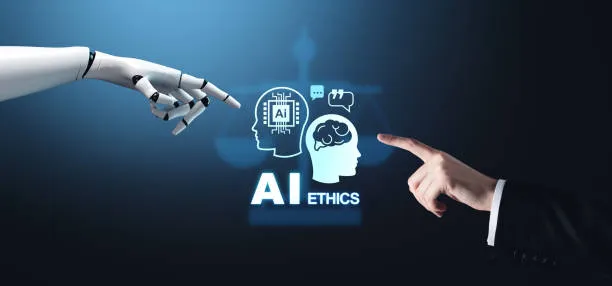
Ethics Of Artificial Intelligence – Complete Guide
The ethics of artificial intelligence is one of the most pressing and complex discussions of our time. As AI systems become increasingly integrated into daily life—from healthcare diagnostics to autonomous vehicles—the moral implications of their deployment demand rigorous scrutiny. The ethics of artificial intelligence encompasses fairness, accountability, transparency, and the broader societal impact of machine decision-making. Without careful regulation and ethical frameworks, AI risks perpetuating biases, eroding privacy, and even threatening human autonomy. This article explores the multifaceted dimensions of the ethics of artificial intelligence, examining its challenges, potential solutions, and real-world implications in depth.
The Foundations of the Ethics of Artificial Intelligence
Understanding the ethics of artificial intelligence requires a grasp of its foundational principles. At its core, AI ethics seeks to ensure that intelligent systems operate in ways that align with human values, legal standards, and societal expectations. Key pillars include:
Transparency and Explainability
One of the primary concerns in the ethics of artificial intelligence is the "black box" problem. Many AI models, particularly deep learning systems, produce decisions that even their creators cannot fully explain. This lack of transparency raises ethical questions, especially in high-stakes domains like criminal justice or medical diagnosis. Explainable AI (XAI) is an emerging field dedicated to making machine decisions interpretable to humans, ensuring accountability.
Bias and Fairness
AI systems learn from historical data, which often contains implicit biases. If unchecked, these biases can lead to discriminatory outcomes—such as biased hiring algorithms or racially skewed facial recognition. The ethics of artificial intelligence demands proactive measures, including diverse training datasets and algorithmic audits, to mitigate such risks.
Privacy and Data Security
AI’s reliance on vast datasets raises significant privacy concerns. From surveillance technologies to predictive policing, the ethics of artificial intelligence must address how data is collected, stored, and utilized. Strong encryption, anonymization techniques, and strict regulatory compliance (e.g., GDPR) are essential safeguards.
Ethical Challenges in AI Deployment
The rapid advancement of AI technologies has outpaced the development of ethical guidelines, leading to several critical challenges.
Autonomous Weapons and Military AI
The use of AI in warfare presents one of the most contentious ethical dilemmas. Lethal autonomous weapons systems (LAWS) can make life-and-death decisions without human intervention, raising moral and legal questions about accountability. The ethics of artificial intelligence must grapple with whether such technologies should be banned outright or heavily regulated.
Job Displacement and Economic Inequality
Automation threatens to displace millions of workers, particularly in manufacturing and service industries. While AI can boost productivity, the ethics of artificial intelligence requires policies that ensure equitable distribution of benefits, such as universal basic income or reskilling programs.
AI in Healthcare: Life-Saving vs. Ethical Boundaries
AI-driven diagnostics and robotic surgeries offer immense benefits but also pose ethical risks. Should an AI prioritize patients based on survival probability? Who is liable if an AI misdiagnoses a condition? The ethics of artificial intelligence in healthcare must balance innovation with patient rights and safety.
Global Perspectives on the Ethics of Artificial Intelligence
Different regions approach AI ethics with varying priorities, influenced by cultural, legal, and economic factors.
European Union: Regulatory Leadership
The EU has taken a proactive stance with the Artificial Intelligence Act, classifying AI systems by risk levels and imposing strict requirements on high-risk applications. This regulatory framework emphasizes human oversight and fundamental rights.
United States: Market-Driven Innovation
In contrast, the U.S. favors a more flexible approach, relying on industry self-regulation and sector-specific guidelines. While this fosters innovation, critics argue it lacks the rigor needed to address systemic ethical concerns.
China: State-Controlled AI Development
China integrates AI ethics within its broader governance model, emphasizing social stability and state oversight. However, this raises concerns about surveillance and individual freedoms.
Practical Solutions for Ethical AI
Addressing the ethics of artificial intelligence requires actionable strategies across multiple domains.
Ethical AI Frameworks and Guidelines
Organizations like the IEEE and OECD have developed ethical AI principles, including accountability, inclusivity, and sustainability. Companies should adopt these frameworks and conduct regular ethical impact assessments.
Public and Private Sector Collaboration
Governments, academia, and tech firms must collaborate to establish global standards. Initiatives like the Global Partnership on AI (GPAI) aim to foster cross-border cooperation.
Education and Awareness
Promoting AI literacy ensures that stakeholders—from policymakers to end-users—understand the ethical implications. Universities and training programs should integrate ethics into AI curricula.
Expert Tips for Navigating AI Ethics
- Audit AI Systems Regularly: Conduct bias and fairness assessments to identify and rectify ethical flaws.
- Engage Diverse Stakeholders: Include ethicists, sociologists, and marginalized communities in AI development.
- Prioritize Human-in-the-Loop Systems: Ensure critical decisions involve human oversight.
Pros and Cons of AI Ethics Regulations
| Pros | Cons |
|---|---|
| Prevents harmful biases and discrimination | May stifle innovation with excessive restrictions |
| Enhances public trust in AI technologies | Compliance costs could burden smaller firms |
| Encourages global standardization | Divergent international regulations create complexity |
FAQ: Ethics of Artificial Intelligence
1. Why is the ethics of artificial intelligence important?
AI systems influence critical aspects of society, from healthcare to criminal justice. Without ethical guidelines, they risk causing harm through bias, privacy violations, or unchecked autonomy.
2. Can AI ever be truly unbiased?
While perfect neutrality is unlikely, rigorous testing, diverse datasets, and algorithmic transparency can significantly reduce bias.
3. Who is responsible if an AI makes a harmful decision?
Liability depends on context—developers, operators, or regulatory bodies may share responsibility. Clear legal frameworks are needed to assign accountability.
4. How does the ethics of artificial intelligence affect businesses?
Companies using AI must comply with ethical standards to avoid legal penalties, reputational damage, and loss of consumer trust.
5. What role do governments play in AI ethics?
Governments must establish regulations, fund ethical research, and promote international cooperation to ensure responsible AI development.
6. How can individuals advocate for ethical AI?
Supporting organizations that promote AI ethics, staying informed, and demanding transparency from tech companies are effective steps.
7. Will ethical AI slow down technological progress?
Ethical considerations may impose constraints, but they also foster sustainable innovation by preventing costly mistakes and public backlash.
8. What are the biggest ethical risks of AI in the next decade?
Autonomous weapons, deepfake misinformation, and mass surveillance pose significant threats if left unregulated.
As AI continues to evolve, the ethics of artificial intelligence will remain a dynamic and critical field. By addressing these challenges proactively, society can harness AI’s potential while safeguarding human rights and values. For further insights into technology and its global impact, explore our articles on emerging trends or discover how innovation intersects with travel in our East Africa safari packages.