
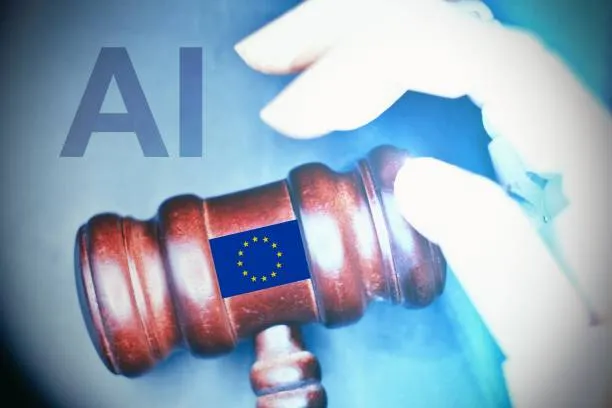
Eu Artificial Intelligence Act – Complete Guide
The European Union Artificial Intelligence Act (EU AI Act) represents a landmark legislative framework designed to regulate the development, deployment, and use of artificial intelligence (AI) technologies within the EU. As AI continues to transform industries and societies, the EU Artificial Intelligence Act aims to ensure that these advancements are aligned with ethical principles, human rights, and safety standards. This comprehensive regulation, proposed in 2021 and expected to be fully implemented by 2025, seeks to balance innovation with accountability, fostering trust in AI systems while mitigating potential risks.
Understanding the EU Artificial Intelligence Act
The EU Artificial Intelligence Act is the first of its kind globally, setting a precedent for AI governance. It categorizes AI systems based on their risk levels—unacceptable, high, limited, and minimal—and imposes corresponding regulatory requirements. High-risk AI systems, such as those used in critical infrastructure, healthcare, and law enforcement, are subject to stringent obligations, including transparency, data governance, and human oversight. The Act also prohibits certain AI practices deemed unacceptable, such as social scoring and manipulative AI applications that exploit vulnerabilities.
Key Objectives of the EU Artificial Intelligence Act
The primary goals of the EU Artificial Intelligence Act are threefold: to ensure the safe and ethical use of AI, to promote innovation and competitiveness, and to protect fundamental rights. By establishing clear rules and standards, the Act aims to create a harmonized regulatory environment across EU member states, reducing fragmentation and fostering cross-border collaboration. Additionally, it seeks to position the EU as a global leader in AI governance, setting benchmarks for other regions to follow.
Risk-Based Approach of the EU Artificial Intelligence Act
The EU Artificial Intelligence Act adopts a risk-based approach, classifying AI systems into four categories: unacceptable risk, high risk, limited risk, and minimal risk. Unacceptable risk AI systems, such as those that deploy subliminal techniques or exploit vulnerable groups, are outright banned. High-risk AI systems, including those used in critical sectors like healthcare and transportation, must comply with strict requirements, such as risk assessments, documentation, and conformity assessments. Limited risk AI systems, such as chatbots, are subject to transparency obligations, while minimal risk AI systems face no additional regulatory burden.
Impact of the EU Artificial Intelligence Act on Industries
The EU Artificial Intelligence Act will have far-reaching implications for various industries, including healthcare, finance, transportation, and public administration. For instance, in healthcare, AI systems used for diagnostics or treatment recommendations will need to undergo rigorous testing and validation to ensure accuracy and safety. In finance, AI-driven credit scoring systems must comply with transparency and fairness requirements to prevent discrimination. Similarly, in transportation, autonomous vehicles will need to meet stringent safety standards to gain approval for deployment.
Challenges and Opportunities Under the EU Artificial Intelligence Act
While the EU Artificial Intelligence Act presents significant opportunities for innovation and trust-building, it also poses challenges for businesses and developers. Compliance with the Act’s requirements may entail substantial costs and resources, particularly for small and medium-sized enterprises (SMEs). However, the Act also encourages the development of ethical AI solutions, fostering a competitive advantage for compliant organizations. Moreover, it provides clarity and predictability, reducing legal uncertainties and facilitating market entry.
Expert Tips for Navigating the EU Artificial Intelligence Act
To successfully navigate the EU Artificial Intelligence Act, businesses should adopt a proactive approach. This includes conducting thorough risk assessments, implementing robust data governance frameworks, and ensuring transparency in AI decision-making processes. Collaboration with regulatory authorities and industry peers can also provide valuable insights and best practices. Additionally, staying informed about updates and amendments to the Act is crucial for maintaining compliance and leveraging emerging opportunities.
Future Implications of the EU Artificial Intelligence Act
The EU Artificial Intelligence Act is expected to shape the future of AI development and deployment globally. By setting high standards for ethical AI, the Act may influence other jurisdictions to adopt similar regulations, fostering international harmonization. Furthermore, it encourages the development of AI technologies that prioritize human well-being and societal benefits, paving the way for sustainable innovation. As the Act evolves, ongoing dialogue among stakeholders will be essential to address emerging challenges and ensure its effectiveness.
Pros and Cons of the EU Artificial Intelligence Act
The EU Artificial Intelligence Act offers numerous benefits, including enhanced safety, ethical AI development, and protection of fundamental rights. However, it also presents challenges, such as compliance costs and potential barriers to innovation. Below is a detailed breakdown of the pros and cons:
- Pros:
- Ensures safe and ethical AI use
- Protects fundamental rights and privacy
- Promotes transparency and accountability
- Encourages innovation within ethical boundaries
- Creates a harmonized regulatory environment
- Cons:
- High compliance costs for businesses
- Potential barriers to innovation for SMEs
- Complexity in interpreting and implementing regulations
- Risk of stifling rapid AI advancements
FAQs About the EU Artificial Intelligence Act
Below are some frequently asked questions about the EU Artificial Intelligence Act, along with detailed answers:
- What is the EU Artificial Intelligence Act?
The EU Artificial Intelligence Act is a comprehensive regulatory framework designed to govern the development, deployment, and use of AI technologies within the European Union. It categorizes AI systems based on risk levels and imposes corresponding regulatory requirements.
- When will the EU Artificial Intelligence Act take effect?
The Act is expected to be fully implemented by 2025, following its proposal in 2021 and subsequent approval by EU institutions.
- Which AI systems are considered high-risk under the Act?
High-risk AI systems include those used in critical infrastructure, healthcare, transportation, law enforcement, and other sectors where AI decisions have significant societal impact.
- What are the penalties for non-compliance with the EU Artificial Intelligence Act?
Non-compliance can result in hefty fines, up to 6% of a company’s global annual turnover, depending on the severity of the violation.
- How does the EU Artificial Intelligence Act promote innovation?
By providing clear rules and standards, the Act reduces legal uncertainties and fosters a predictable environment for AI development, encouraging ethical innovation.
The EU Artificial Intelligence Act is a transformative piece of legislation that will shape the future of AI governance. By addressing ethical, legal, and societal challenges, it aims to create a safer and more trustworthy AI ecosystem. For more insights into global developments and their implications, explore our articles or discover how technology intersects with travel on our East Africa Safari Tour Packages. Whether you’re planning a trip or staying informed about global trends, Jaynevy Tours offers unparalleled expertise and resources.