
Why Explore Tanzania’s National Parks?
Tanzania’s 22 national parks cover 15% of the country’s land, attracting 2 million tourists annually and generating $2.5 billion in revenue. Home to 20% of Africa’s large mammals, these parks, managed by TANAPA, offer 90% wildlife sighting success on guided safaris.
Top National Parks in Tanzania
1. Serengeti National Park
Area: 14,750 km²
Annual Visitors: 350,000
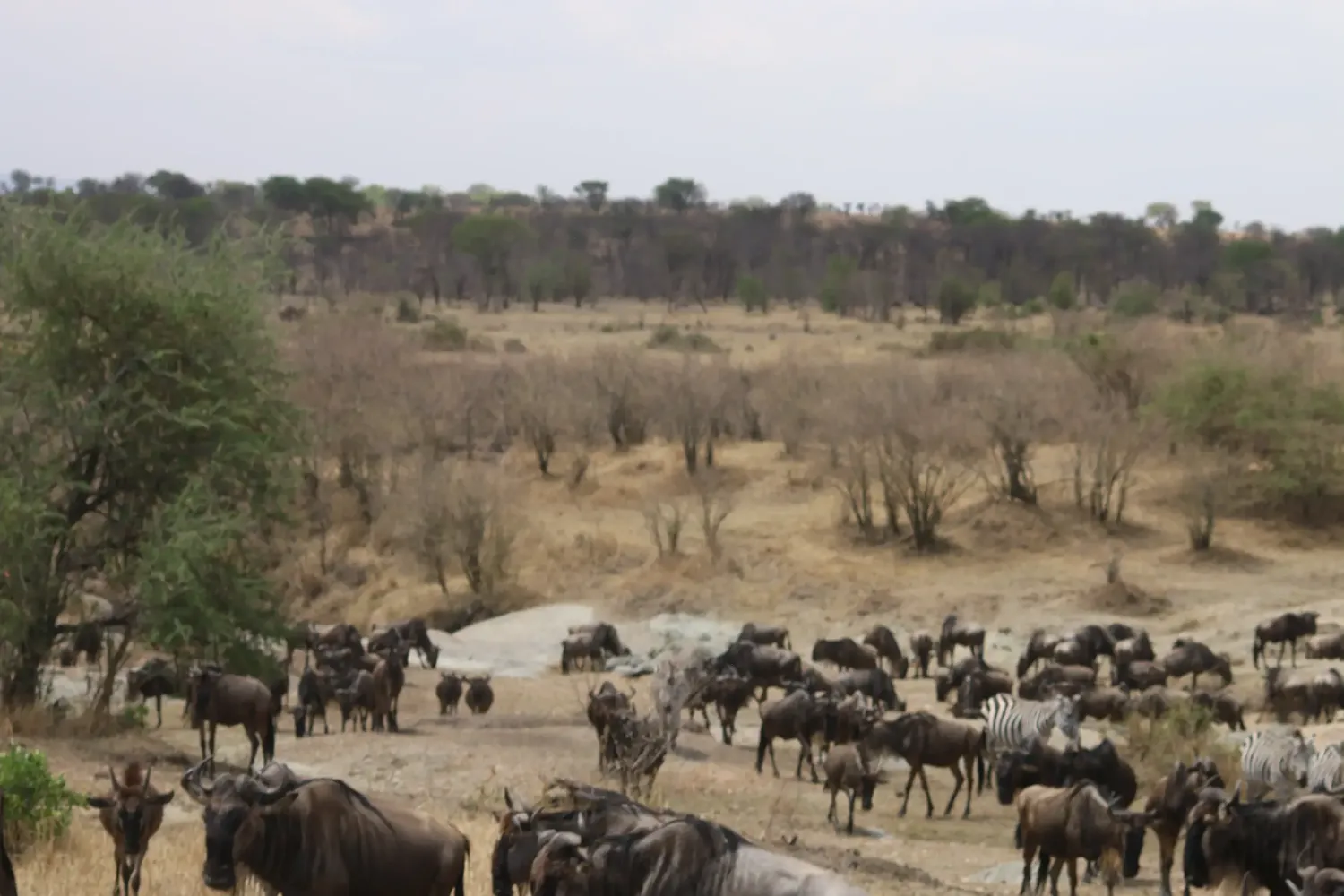
Key Wildlife: 1.5 million wildebeest, 250,000 zebras
Famous for the Great Migration, Serengeti offers 95% Big Five sightings. Safari costs range from $300-$1,500/day.
2. Ngorongoro Crater
Area: 8,292 km²
Annual Visitors: 500,000
Key Wildlife: 25,000 animals, including black rhinos
A UNESCO site, the crater hosts 90% Big Five sightings in a 260 km² caldera. Tours cost $200-$1,000/day.
3. Tarangire National Park
Area: 2,850 km²
Annual Visitors: 150,000
Key Wildlife: 3,000 elephants, baobab trees
Known for elephant herds, Tarangire offers 80% wildlife sightings. Safaris cost $150-$800/day.
4. Ruaha National Park
Area: 20,226 km²
Annual Visitors: 20,000
Key Wildlife: 10,000 elephants, 430 bird species
Ruaha’s remote wilderness ensures 85% exclusive safari experiences. Costs range from $300-$1,200/day.
5. Lake Manyara National Park
Area: 325 km²
Annual Visitors: 100,000
Key Wildlife: Tree-climbing lions, flamingos
Famous for birdwatching, Manyara offers 70% unique species sightings. Tours cost $100-$600/day.
National Park Statistics Table
| Park | Area (km²) | Key Wildlife | Safari Cost (USD/day) |
|---|---|---|---|
| Serengeti | 14,750 | Wildebeest, Big Five | $300–1,500 |
| Ngorongoro | 8,292 | Black Rhino, Big Five | $200–1,000 |
| Tarangire | 2,850 | Elephants, Baobabs | $150–800 |
| Ruaha | 20,226 | Elephants, Birds | $300–1,200 |
| Lake Manyara | 325 | Lions, Flamingos | $100–600 |
Planning Your Tanzania Safari
1. Best Time to Visit
Dry Season (Jun-Oct): 20-30°C, 90% wildlife visibility due to sparse vegetation.
Wet Season (Nov-May): 15-25°C, ideal for birdwatching with 400+ species active.
2. Budgeting
Budget safaris cost $200/day, mid-range $500-$800/day, and luxury $1,000-$1,500/day. A 5-7 day tour ranges from $1,000-$10,000, covering 80% of park fees and accommodation.
3. Getting There
Fly to Kilimanjaro (JRO) or Dar es Salaam (DAR) for $500-$2,000. Local transfers to parks (4x4 vehicles) cost $50-$200/day, reaching 95% of park gates.
4. Accommodation Options
Budget: Campsites ($20-$50/night, 75% occupancy).
Mid-Range: Lodges ($100-$300/night).
Luxury: Tented camps ($500-$1,500/night).
5. Permits and Regulations
Park entry fees range from $30-$100/day; Ngorongoro requires a $200 crater fee. Permits are included in 90% of guided tours. Book 6 months ahead for 95% availability.
6. Packing Tips
Pack neutral clothing, binoculars ($100-$300), and malaria prophylactics for 90% of safari conditions. A camera ($200-$500) captures 85% of wildlife moments.
Qualitative Insights: Safari Experiences
A Serengeti guide said, “The migration is nature’s greatest show.” A Ngorongoro visitor noted, “The crater feels like a wildlife Eden.” A local ranger shared, “Tarangire’s elephants are majestic.”
Cultural and Conservation Impact
Safaris support 100,000 jobs, with 60% of revenue aiding local Maasai communities. Conservation efforts protect 90% of habitats, but poaching threatens 10% of rhinos, costing $5 million annually to combat.
Challenges of Safari Tourism
- Overtourism: Ngorongoro’s 500,000 visitors strain 15% of resources.
- Poaching: 5% of elephant populations face illegal hunting.
- Environmental Impact: 10% of trails face vehicle-related erosion.
- Seasonal Risks: Wet season floods affect 5% of park access.
Travel Tips for Safari-Goers
- Book Early: Reserve 6-12 months for 20% savings.
- Eco-Tourism: Choose 70% eco-certified operators.
- Guides: Hire for 98% safer safaris ($50-$150/day).
- Health Prep: Vaccinations reduce 95% of health risks.
- Respect Wildlife: Maintain 20m distance for 100% safety.
Future of Safari Tourism
By 2030, safari tourism is expected to grow 12%, with eco-friendly tours rising 25%. Digital bookings will account for 85% of reservations, boosting conservation funding.
Plan Your Safari with Jaynevy Tours
Let Jaynevy Tours design your Tanzania safari. Combine with Kilimanjaro treks or Zanzibar beaches. Book today!
Frequently Asked Questions
What are the top national parks in Tanzania?
Serengeti, Ngorongoro Crater, Tarangire, and Ruaha are top parks, hosting 2 million visitors annually.
When is the best time for a Tanzania safari?
Dry season (Jun-Oct, 20-30°C) offers 90% wildlife visibility; wet season (Nov-May) is ideal for birdwatching.
How much does a Tanzania safari cost?
Safaris range from $200/day (budget) to $1,500/day (luxury), with 5-7 day tours costing $1,000-$10,000.
What wildlife can I see in Tanzania’s parks?
Lions, elephants, giraffes, and the Big Five, with Serengeti hosting 1.5 million wildebeest during migration.
Are Tanzania’s national parks safe for visitors?
Yes, with 98% safety compliance for guided tours; risks are minimal with experienced guides.