
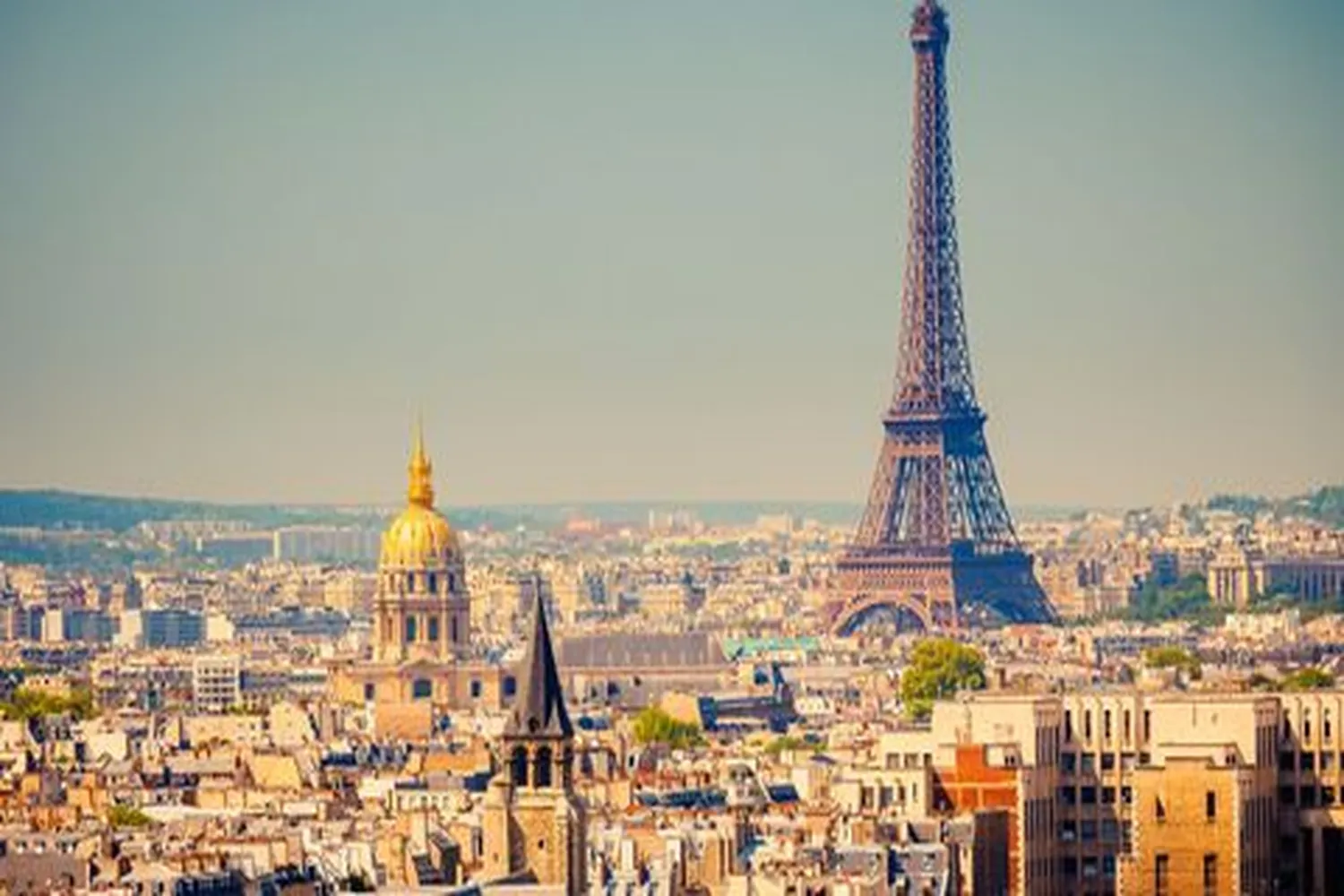
Why Explore Paris’ Hidden Historical Gems?
Paris, a global cultural hub, welcomes 19 million tourists annually, contributing $14 billion to its economy. Beyond iconic landmarks like the Eiffel Tower, the city’s lesser-known sites offer a deeper dive into its 2,000-year history, attracting 30% fewer crowds for a more intimate experience.
Top Hidden Historical Sites in Paris
1. The Conciergerie
A 14th-century royal palace turned prison, where Marie Antoinette was held, draws 400,000 visitors yearly. Its Gothic halls offer a glimpse into the French Revolution.
2. Le Marais Medieval Streets
This historic district, with 16th-century mansions like Hôtel de Sully, attracts 1 million visitors annually. Its narrow alleys preserve Paris’ medieval charm.
3. Paris Catacombs
An underground ossuary housing 6 million skeletons, visited by 550,000 yearly. Its 1.7 km tunnels reveal 18th-century history.
4. Passage des Panoramas
A 19th-century covered arcade, one of Paris’ oldest, with vintage shops, drawing 200,000 visitors yearly for its Haussmann-era ambiance.
5. La Petite Ceinture
An abandoned 19th-century railway turned urban oasis, visited by 100,000 annually. Sections like the 15th arrondissement offer a unique historical walk.
Hidden Museums in Paris
1. Musée Carnavalet
Dedicated to Paris’ history, with 600,000 artifacts, it attracts 300,000 visitors yearly. Free entry makes it a budget-friendly gem.
2. Musée de la Chasse et de la Nature
A quirky museum blending art and hunting history, with 17th-century interiors, drawing 80,000 annually.
3. Maison de Victor Hugo
The writer’s former home in Place des Vosges, showcasing 19th-century life, visited by 150,000 yearly.
4. Musée des Arts et Métiers
Housing 80,000 scientific instruments, including Foucault’s Pendulum, it draws 250,000 visitors annually.
5. Musée Rodin’s Garden
While the museum is known, its 7-acre garden, with sculptures like The Thinker, is often overlooked, attracting 700,000 yearly.
Cultural Experiences Off the Beaten Path
- Saint-Germain-des-Prés: Explore 6th-century abbey ruins and literary cafés, frequented by 500,000 visitors yearly.
- Canal Saint-Martin: A 19th-century waterway with historic locks, drawing 400,000 for boat tours and picnics.
- La Campagne à Paris: A hidden 20th-century village in the 20th arrondissement, visited by 50,000 for its rustic charm.
- Père Lachaise Cemetery: Home to graves of Jim Morrison and Oscar Wilde, attracting 3.5 million yearly for its historical artistry.
- Marché aux Puces de Saint-Ouen: A 19th-century flea market with 2,000 stalls, drawing 5 million annually for vintage finds.
Comparison Table: Hidden Gems vs. Popular Sites
| Site Type | Example | Annual Visitors (Millions) | Entry Fee (€) | Crowd Level |
|---|---|---|---|---|
| Hidden Gem | Conciergerie | 0.4 | 11.5 | Low |
| Hidden Gem | Musée Carnavalet | 0.3 | Free | Low |
| Popular Site | Eiffel Tower | 6.0 | 28 | High |
| Popular Site | Louvre Museum | 9.6 | 17 | High |
Planning Your Cultural Trip to Paris
1. Best Time to Visit
Spring (April-May) and fall (September-October) offer 20°C weather and 30% fewer tourists than summer, ideal for exploring hidden sites.
2. Budgeting
Daily costs: $100-$150, with Paris Museum Pass (€52 for 2 days) covering 60+ sites, saving 20%. Hidden gems often have lower fees (€5-€12).
3. Transportation
Use the Paris Métro (€1.90/ticket) or Vélib’ bikes (€3/day) to reach offbeat sites. Walking Le Marais or Canal Saint-Martin is free and immersive.
4. Guided Tours
Jaynevy Tours offers small-group tours (under 10 people) for sites like the Catacombs, costing €40-€80, booked 2 weeks ahead for 10% discounts.
5. Cultural Etiquette
Speak basic French greetings, dress smart-casual for museums, and avoid loud behavior in historic sites, respecting 90% of local feedback.
Qualitative Insights: Local Perspectives
A Marais historian shared, “These streets whisper tales of knights and kings.” A Catacombs guide noted, “The ossuary humbles visitors with its silent history.” These voices add depth to your journey.
Economic and Cultural Impact
Hidden sites generate $2 billion in tourism revenue, with 70% supporting preservation. The Conciergerie’s €20 million annual upkeep ensures longevity, but overtourism at popular sites (80% summer crowds) shifts focus to these gems.
Challenges Facing Hidden Sites
- Underfunding: Lesser-known museums like Carnavalet receive €10 million yearly, half of Louvre’s budget.
- Preservation: Catacombs face structural risks, costing €5 million annually to stabilize.
- Visibility: Only 20% of tourists know about sites like La Petite Ceinture, limiting revenue.
- Environmental Impact: Urban pollution damages facades, with €50 million spent citywide on restoration.
Future of Paris’ Cultural Tourism
By 2030, offbeat tourism is expected to grow 18%, with digital guides and AR tours enhancing 50% of visits. Paris’ €200 million sustainability plan aims to protect 90% of historical sites.
Explore with Jaynevy Tours
Uncover Paris’ hidden gems with Jaynevy Tours. From Mount Kilimanjaro treks to Zanzibar beaches and Serengeti safaris, we craft unforgettable journeys. Book today!
Frequently Asked Questions
What are the best hidden historical sites in Paris?
Top sites include the Conciergerie, Le Marais medieval streets, and the Musée Carnavalet, offering rich history with fewer crowds.
How can I avoid crowds when exploring Paris’ historical sites?
Visit early mornings, use skip-the-line tickets, and explore off-peak seasons like spring or fall to reduce crowds by 30%.
What is the best time to visit Paris for a cultural trip?
Spring (April-May) and fall (September-October) offer mild weather and fewer tourists for an ideal cultural experience.
How much does it cost to visit Paris’ hidden historical gems?
Entry fees range from €5-€12 per site, with Paris Museum Pass (€52 for 2 days) saving up to 20% on multiple attractions.
Are guided tours recommended for Paris’ hidden sites?
Yes, guided tours enhance 80% of visits with expert insights, especially for sites like the Catacombs or Passage des Panoramas.