
What Are the Future Moon Missions?
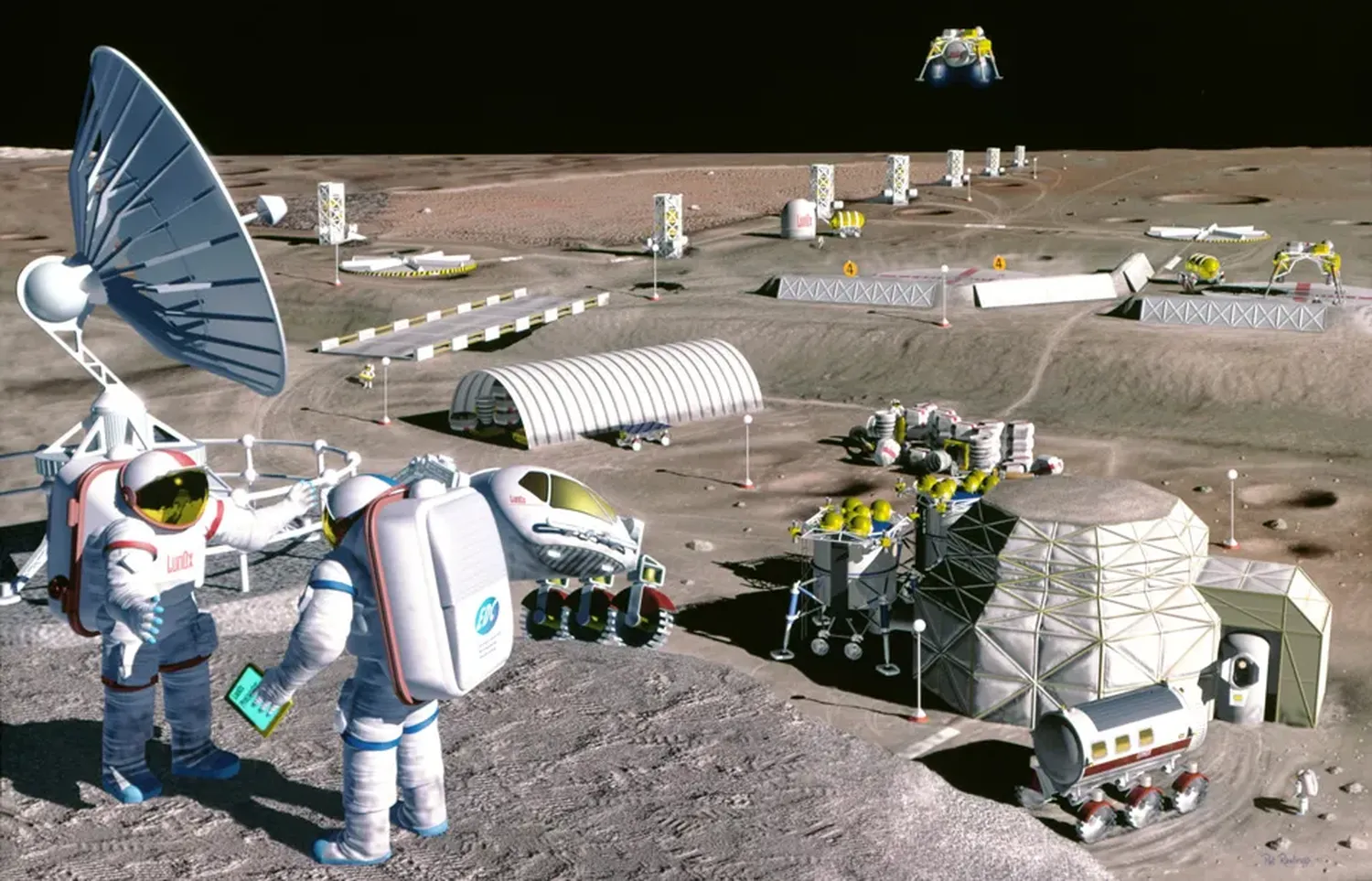
Future Moon missions under the Artemis program represent a bold shift from the short visits of the Apollo era to a sustained and expanding human presence on the lunar surface. Starting with Artemis III, which targets the first crewed landing near the south pole, the program will progressively build infrastructure, test new technologies, and conduct increasingly complex scientific work. Each mission builds upon the last, gradually creating a lunar outpost that serves as both a scientific laboratory and a proving ground for deeper space exploration. These future Moon missions are designed to be collaborative, commercially supported, and focused on long-term sustainability.
Key Lunar Exploration Goals for the Next Decade
The primary lunar exploration goals focus on learning to live and work on the Moon in a sustainable way. Scientists want to understand the lunar south pole’s water ice deposits, which could provide oxygen, drinking water, and hydrogen for rocket fuel. Another major goal is testing technologies for Mars, such as habitats, life support systems, and resource utilization methods. Future Moon missions will also expand scientific knowledge about the Moon’s geology, radiation environment, and potential for supporting a lunar economy. International partners and commercial companies will play key roles in achieving these ambitious objectives.
Artemis III: The First Crewed Lunar Landing
Artemis III marks the return of humans to the lunar surface for the first time since 1972. The mission will use the Orion spacecraft, SLS rocket, and a commercial human landing system to place two astronauts near the lunar south pole. The crew will spend about one week on the surface conducting scientific investigations, collecting samples, and testing equipment. This mission will demonstrate the capability to land safely in challenging terrain and begin the process of establishing a long-term presence on the Moon.
Artemis IV and Beyond: Building a Lunar Gateway and Sustainable Presence
Artemis IV will deliver the first elements of the Lunar Gateway — a small space station in lunar orbit — while testing upgraded landers and expanded crew capabilities. Subsequent missions will deliver habitats, power systems, rovers, and scientific instruments. The goal is to create a reusable transportation system and surface infrastructure that supports crews for weeks or months at a time. These future Moon missions will gradually increase the duration of surface stays and the complexity of scientific and exploration activities.
Timeline of Planned Future Moon Missions
| Mission | Target Year | Key Objectives | Focus Area |
|---|---|---|---|
| Artemis III | Late 2020s | First crewed south pole landing | Landing demonstration |
| Artemis IV | Early 2030s | Lunar Gateway delivery | Orbit + landing systems |
| Artemis V+ | 2030s onward | Longer surface stays, habitats | Sustainable operations |
Quantitative Goals and Capabilities
- Surface Stay Duration: Increasing from days in early missions to weeks and months in later ones.
- Payload Capacity: Future SLS Block upgrades will deliver significantly more mass to the lunar surface.
- International Partners: Over a dozen space agencies are contributing hardware and expertise.
- Commercial Involvement: Multiple companies developing landers, rovers, and power systems under CLPS contracts.
Resource Utilization and In-Situ Resource Utilization (ISRU)
One of the most important lunar exploration goals is learning to “live off the land.” Future Moon missions will test technologies to extract water ice, produce oxygen, and manufacture rocket propellant from lunar regolith. Success in this area would dramatically reduce the cost and risk of long-duration missions by decreasing the amount of supplies that must be launched from Earth. These capabilities are essential stepping stones for eventual human missions to Mars, where resupply from Earth will be far more difficult.
Scientific Objectives of Future Moon Missions
Future lunar exploration will answer fundamental questions about the Moon’s formation, volcanic history, and the potential for life in the solar system. Astronomers will use the Moon’s far side as a radio-quiet zone for sensitive observations. Biologists and geologists will study how the lunar environment affects living organisms and materials. These scientific efforts will expand our understanding of the solar system while providing practical knowledge for sustaining human presence on other worlds.
International and Commercial Collaboration
Unlike the Apollo program, future Moon missions emphasize broad international and commercial participation. The Artemis Accords have been signed by numerous countries, establishing principles for peaceful and sustainable lunar exploration. Commercial companies are developing landers, rovers, and services that will reduce costs and accelerate innovation. This collaborative model aims to create a vibrant lunar economy that benefits all participating nations and inspires the next generation of explorers.
Long-Term Vision: The Moon as a Stepping Stone to Mars
The ultimate goal of future Moon missions and lunar exploration goals is to prepare humanity for Mars. By mastering operations on the Moon — including radiation protection, life support, resource utilization, and long-duration surface activities — NASA and its partners will gain the experience needed for the much longer and more challenging journey to the Red Planet. The Moon serves as an ideal testing ground that is close enough for relatively quick resupply while still presenting many of the same environmental challenges as Mars.
Challenges and Solutions for Future Lunar Exploration
Future Moon missions face significant challenges including extreme temperatures, radiation, dust, and communication delays. Engineers are developing advanced habitats, robotic assistants, and improved spacesuits to address these issues. International cooperation helps share costs and expertise, while commercial innovation brings new ideas and faster development cycles. Continuous testing and learning from each mission will help overcome these obstacles and move closer to a permanent human presence on the Moon.
Explore the Spirit of Discovery on Earth with Jaynevy Tours
The same curiosity that fuels future Moon missions and lunar exploration goals also inspires amazing adventures right here on our planet. Plan your next trip with Jaynevy Tours and experience Tanzania’s incredible landscapes — from thrilling Serengeti safaris and challenging Mount Kilimanjaro climbs to peaceful Zanzibar beach holidays. Turn your sense of wonder into real-world memories!
Frequently Asked Questions
What are the main future Moon missions in the Artemis program?
Artemis III will attempt the first crewed lunar landing near the south pole. Artemis IV will deliver the Lunar Gateway station and test new landers. Subsequent missions will expand habitats, test resource utilization, and conduct longer surface stays as stepping stones toward Mars.
When will humans return to the lunar surface?
NASA targets Artemis III for the first crewed lunar landing in the late 2020s, with regular missions following in the 2030s to build a sustainable presence at the lunar south pole.
What are the key lunar exploration goals for the coming decade?
Major goals include establishing a permanent human presence near the lunar south pole, learning to use local resources like water ice for fuel and oxygen, conducting long-duration science, testing technologies for Mars, and fostering commercial and international partnerships.
How will future Moon missions differ from Apollo?
Unlike Apollo’s short “flags and footprints” visits, future Moon missions focus on sustainability, reusable systems, lunar resource utilization, international collaboration, and preparation for Mars by building infrastructure and gaining long-term operational experience.
What role will commercial companies play in future lunar exploration?
Commercial partners will provide lunar landers, rovers, power systems, and cargo delivery under the Commercial Lunar Payload Services (CLPS) program, helping reduce costs and accelerate development of a lunar economy.