
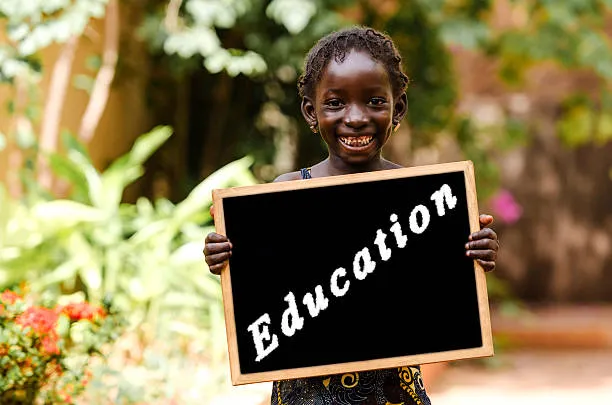
How is kenya Education – Complete Guide
Understanding how is kenya education helps parents, students, and policymakers make informed decisions about learning opportunities in the country. Kenya’s education system has evolved over the years, offering free primary education, secondary schooling, and access to higher education. This guide provides an overview of the education structure, quality, challenges, and reforms.
1. Overview of Kenya’s Education System
Kenya has a structured education system guided by the 8-4-4 and newer Competency-Based Curriculum (CBC) system:
- Primary Education: Free and compulsory, lasting 8 years (Standard 1 to 8).
- Secondary Education: Four years, preparing students for the Kenya Certificate of Secondary Education (KCSE).
- Tertiary Education: Includes universities, technical and vocational colleges offering certificates, diplomas, and degree programs.
- Education is regulated by the Ministry of Education to maintain standards and promote access.
2. Quality of Education in Kenya
Kenya’s education quality varies across regions and institutions:
- Urban areas generally have better-equipped schools and access to qualified teachers.
- Rural regions may face shortages of facilities and trained personnel.
- Efforts are ongoing to improve learning outcomes and literacy rates nationwide.
- Access to technology and e-learning platforms is expanding, enhancing educational quality.
3. Key Achievements in Kenya’s Education
- High enrollment rates in primary education due to free schooling policies.
- Introduction of the Competency-Based Curriculum (CBC) to focus on practical skills.
- Expansion of higher education institutions and technical colleges.
- Increased use of digital tools and online learning platforms.
4. Challenges Facing Kenya’s Education
- Overcrowded classrooms in public schools.
- Limited resources in rural areas, including textbooks and learning materials.
- Teacher shortages affecting quality of instruction.
- High cost of higher education for many families.
- Regional disparities in access and performance outcomes.
5. Reforms and Opportunities
- Government initiatives to improve infrastructure in schools nationwide.
- Scholarship programs and bursaries to support students from low-income families.
- Increased focus on science, technology, engineering, and mathematics (STEM) education.
- Adoption of digital learning and online courses to reach more learners.
- Partnerships with NGOs and private sector to enhance education access and quality.
6. Tips for Students and Parents
- Stay updated on curriculum changes and national exams schedules.
- Encourage extracurricular activities to develop holistic skills.
- Use online learning resources to supplement classroom education.
- Explore scholarships and financial aid for higher education.
- Engage with teachers and school administrators to monitor student progress.
7. Summary – How is kenya Education
Kenya’s education system is growing with a focus on accessibility, quality, and skills development. While challenges like overcrowding, regional disparities, and resource limitations exist, reforms such as the Competency-Based Curriculum, digital learning, and higher education expansion provide opportunities for improved learning outcomes. Understanding the system helps students, parents, and educators make informed decisions about education in Kenya.
For more guides on education, learning resources, and development in Kenya, visit www.jaynevytours.com.