
How is Tanzania Weather – Complete 2026 Guide
If you are planning a trip to Tanzania, knowing how is Tanzania weather throughout the year is essential for travel planning. Tanzania has a diverse climate, from tropical beaches on Zanzibar to cooler highlands near Mount Kilimanjaro, and understanding the seasons can help you choose the best time for your visit.
1. Overview – Tanzania Climate
Tanzania’s climate is mainly tropical along the coast and arid to semi-arid inland, with variations depending on altitude. The country experiences two main rainy seasons, and temperatures vary between regions.
2. Seasons in Tanzania
Tanzania generally has four climatic periods:
- Cool dry season (June – October): Ideal for safaris and trekking. Temperatures range from 20°C to 25°C in highlands, hotter in coastal regions.
- Short rainy season (November – December): Light to moderate showers. Some roads may be slippery but parks are less crowded.
- Hot dry season (January – February): Warm temperatures, especially in lowland areas and coastal cities.
- Long rainy season (March – May): Heavy rains, particularly in southern and central regions. Travel can be challenging during this period.
3. Temperature by Region
Tanzania’s weather varies significantly by region:
- Dar es Salaam & Coastal Areas: Tropical, hot, and humid. Average temperatures 25°C–32°C year-round.
- Arusha & Northern Highlands: Cooler, 15°C–28°C. Ideal for safaris to Serengeti and Ngorongoro.
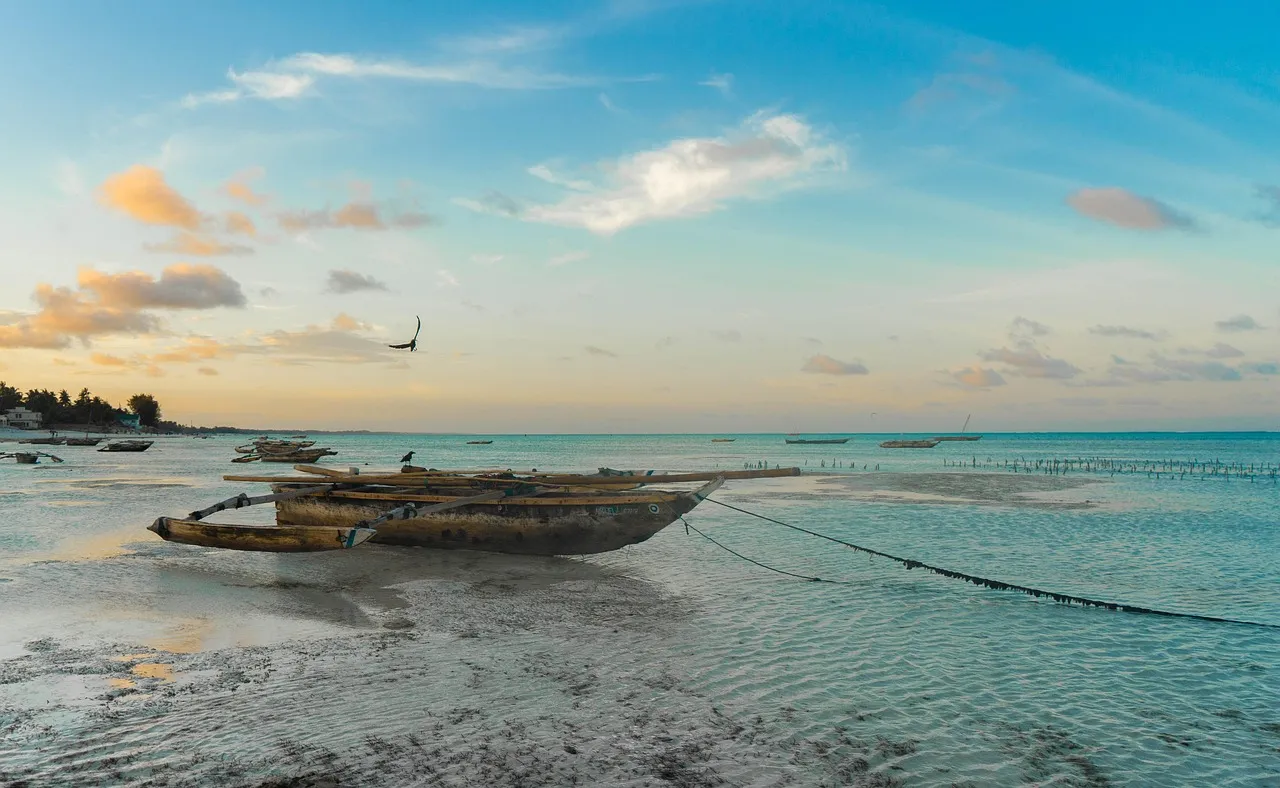
- Zanzibar: Warm and humid with occasional rain showers. Best visited during dry seasons (June–October, December–February).
- Kilimanjaro Region: Cold at high altitudes. Temperatures can drop below freezing near the summit.
4. Rainfall in Tanzania
Rainfall is important to know for planning safaris or trekking. - The long rains (March – May) can cause flooding and make some roads impassable. - The short rains (November – December) are lighter and less disruptive. - The dry seasons (June – October, January – February) are preferred for travel.
5. Best Time to Visit Tanzania
Depending on your activities, the best time to travel varies:
- Safari: June to October (dry season) – easier wildlife viewing as animals gather near water sources.
- Climbing Kilimanjaro: January–March and June–October – dry conditions and clear skies.
- Zanzibar beaches: June–October and December–February – sunny and ideal for swimming and snorkeling.
- Bird watching: November–April – migratory birds are present.
6. Tips for Travelers Regarding Tanzania Weather
- Carry light clothing for coastal areas and warm clothes for highlands or evenings.
- Bring a raincoat or umbrella if traveling during rainy seasons.
- Use sunscreen and hats in sunny, dry seasons.
- Check regional forecasts before traveling to remote safari parks or islands.
- Altitude can affect temperatures, so pack layered clothing if visiting mountains.
7. Weather and Health Considerations
Tanzania’s tropical climate may affect health, especially during rainy seasons:
- Carry insect repellent to protect against mosquitoes in humid areas.
- Stay hydrated in hot and dry regions.
- Rainy season may increase malaria risk; consult a travel doctor for preventive medication.
8. Summary – How is Tanzania Weather
In summary, Tanzania weather varies by season and region: - Dry season (June–October) is best for safaris. - Short rains (November–December) and long rains (March–May) may disrupt travel. - Coastal areas are warm year-round, while highlands and mountains are cooler. Planning your trip according to the weather ensures a more comfortable and enjoyable experience.
For more Tanzania travel guides, weather tips, and safari planning advice, visit www.jaynevytours.com.