
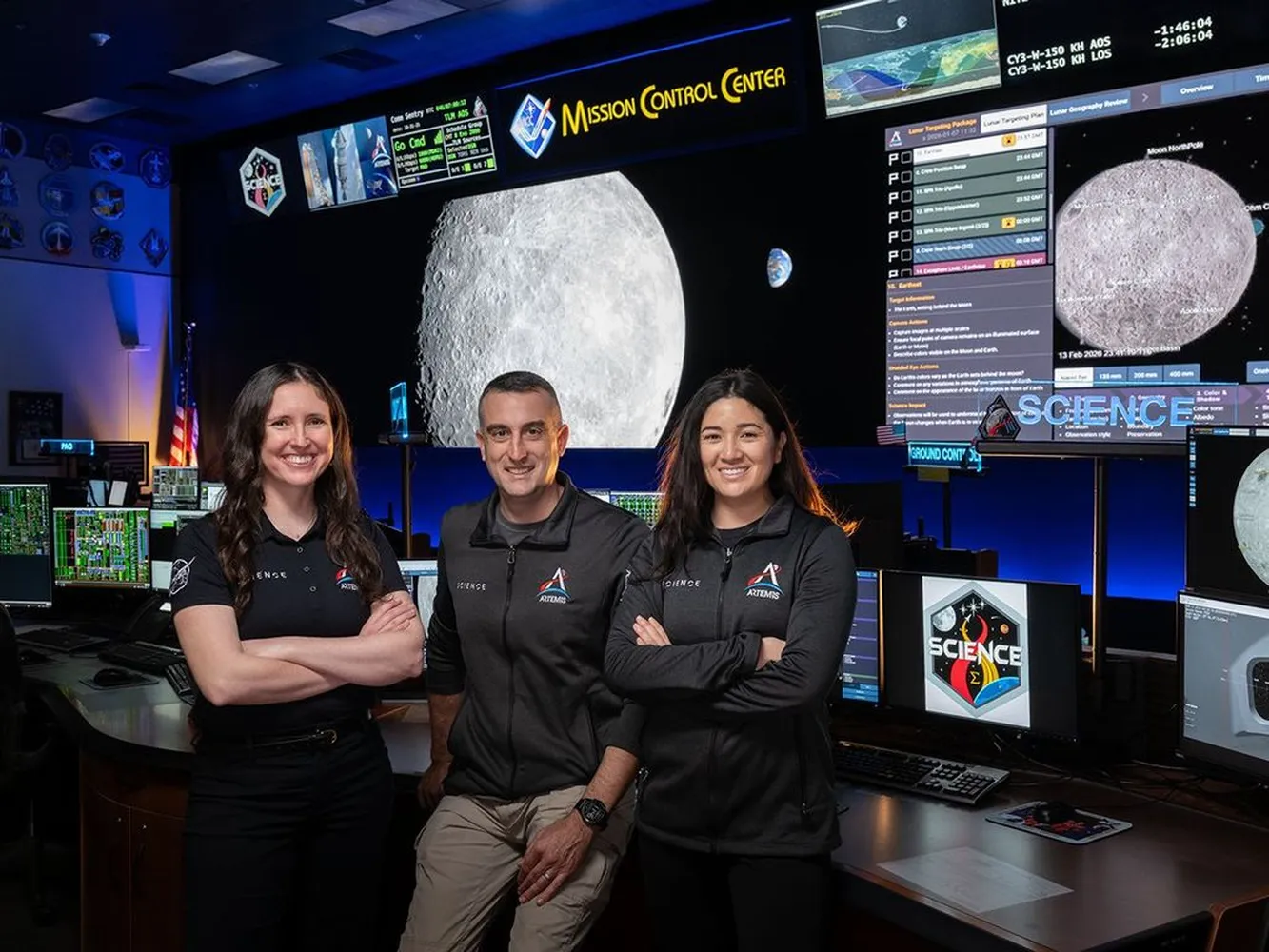
The Power of Visual Storytelling in NASA Multimedia
NASA multimedia inspires education worldwide by turning complex scientific ideas into compelling visual stories that students can see, feel, and understand. A single high-resolution image of Earth from space can spark discussions about climate change, geography, and our shared home planet. A short video of an astronaut conducting an experiment on the International Space Station makes microgravity and physics concepts come alive. These materials go far beyond textbooks, creating emotional connections that make learning memorable and motivating students to pursue careers in science, technology, engineering, and mathematics (STEM).
How Teachers Use NASA Multimedia in Classrooms Globally
Educators around the world integrate NASA multimedia into daily lessons in creative ways. Elementary teachers use colorful images of planets to teach basic astronomy, while high school physics instructors show rocket launch videos to demonstrate Newton’s laws of motion. University professors incorporate James Webb telescope data into astronomy courses, and informal educators at science museums create interactive exhibits using NASA videos. The accessibility of these resources — available in multiple languages and formats — allows teachers in both well-funded urban schools and remote rural communities to bring authentic space science into their classrooms.
Real-World Impact and Success Stories
The influence of NASA multimedia on education is visible in classrooms every day. Students who watch live Artemis launch coverage often become more engaged in science lessons for weeks afterward. Teachers report higher test scores and increased participation when lessons include real NASA images and videos. One middle school in rural Kenya used Hubble images to teach light and color, resulting in significantly improved student understanding. A school in Brazil created a student-led Mars rover project inspired by Perseverance mission videos. These stories demonstrate how NASA multimedia inspires education worldwide by making science relevant and exciting for learners of all backgrounds.
Key Types of NASA Multimedia Resources for Education
- High-resolution still images from telescopes, spacecraft, and astronauts
- 4K mission videos and time-lapse sequences of launches and operations
- Live event streams and press conferences from ongoing missions
- Interactive 3D models and data visualizations of planets and galaxies
- Podcasts, audio clips, and educational animations explaining complex topics
Quantitative Reach of NASA Multimedia in Education
| Metric | Scale | Impact |
|---|---|---|
| Annual Users | Millions worldwide | Students & educators |
| Countries Reached | 100+ | Global classroom access |
| Library Size | 140,000+ items | Images, videos & audio |
| Download Frequency | Hundreds of thousands monthly | Free educational use |
Why NASA Multimedia Is So Effective for Learning
NASA multimedia inspires education worldwide because it combines authenticity with wonder. Students see real data collected by actual spacecraft rather than simplified drawings. The emotional impact of seeing Earth as a tiny blue marble or watching astronauts float in space creates lasting memories that motivate deeper learning. These resources also promote inquiry-based education — students naturally ask questions about what they see, leading to research, discussions, and hands-on projects. The free availability removes financial barriers, ensuring that students in every corner of the world can benefit from the same high-quality materials.
Global Examples of NASA Multimedia in Action
In India, teachers use Mars rover videos to teach robotics and engineering design. In Australia, students analyze satellite images of the Great Barrier Reef to study environmental science. European classrooms incorporate International Space Station live streams into language lessons about international cooperation. These examples show how NASA multimedia adapts to different curricula and cultural contexts while maintaining its power to inspire curiosity and critical thinking across borders.
Challenges and Future Opportunities
While NASA multimedia has tremendous reach, challenges remain in ensuring equitable access in regions with limited internet or technology. NASA and partners continue to develop offline resources, translated materials, and simplified explanations to address these gaps. Looking ahead, new missions like Artemis will generate even more compelling content, further expanding how NASA multimedia inspires education worldwide and preparing the next generation for humanity’s future in space.
Practical Tips for Educators Using NASA Multimedia
- Start with short, high-impact videos to capture attention before diving into complex topics.
- Encourage students to ask “What do you notice? What do you wonder?” when viewing images.
- Combine visuals with hands-on activities, such as building simple rockets or modeling craters.
- Always credit NASA and include mission context to teach about real scientific processes.
Bring the Spirit of Exploration to Earth with Jaynevy Tours
The same sense of wonder that NASA multimedia brings to classrooms worldwide also awaits you on our beautiful planet. Let Jaynevy Tours help you experience Tanzania’s natural wonders — from the endless plains of the Serengeti and the majestic heights of Mount Kilimanjaro to the pristine beaches of Zanzibar. Turn inspiration into unforgettable real-world adventures!
Frequently Asked Questions
How does NASA multimedia inspire education worldwide?
NASA’s free images, videos, and interactive resources bring real space science into classrooms globally, making abstract concepts visual and exciting. Teachers use them to boost student engagement, improve STEM understanding, and inspire the next generation of scientists and engineers.
What types of NASA multimedia are used in education?
Educators worldwide use high-resolution images from Hubble and James Webb, mission videos from Artemis and Mars rovers, time-lapse sequences, 3D models, podcasts, and live event streams from the International Space Station.
Which subjects benefit most from NASA multimedia in classrooms?
NASA content enhances STEM subjects — astronomy, physics, biology, engineering, and Earth science — while also supporting language arts (writing about space), art (creating space-inspired projects), and social studies (international cooperation in space).
How many students and teachers use NASA multimedia resources globally?
NASA’s multimedia resources reach millions of students and educators each year across more than 100 countries through the NASA Image and Video Library, Educator Resources portal, and live mission broadcasts.
Are NASA images and videos free for teachers to use in classrooms?
Yes, the vast majority of NASA multimedia is in the public domain and can be freely downloaded and used for educational, non-commercial purposes without licensing fees.