
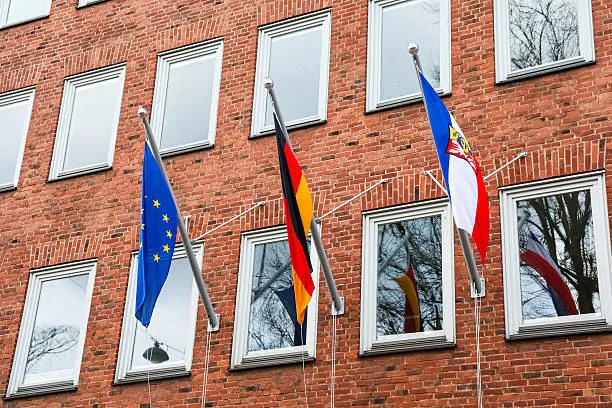
How To Address German Embassy – Complete Guide
Understanding how to address the German Embassy is essential for travelers, expatriates, and business professionals who require visas, consular services, or legal assistance in Germany. Whether you're applying for a Schengen visa, seeking notarial services, or need emergency support, knowing the correct procedures ensures a smooth and efficient experience. This comprehensive guide covers every aspect of how to address the German Embassy, including appointment scheduling, document preparation, and communication protocols.
How to Address the German Embassy: A Step-by-Step Guide
When learning how to address the German Embassy, the first step is identifying the correct consulate or embassy location based on your jurisdiction. Germany has embassies in most capital cities and consulates in major urban centers. Each office serves specific regions, so verifying your assigned consular district is crucial before proceeding.
Locating the Correct German Embassy or Consulate
Germany operates a network of diplomatic missions worldwide. The embassy, typically located in a country’s capital, handles high-level diplomatic affairs, while consulates manage citizen services. For example, travelers from Tanzania would process visa applications at the German Embassy in Dar es Salaam rather than neighboring Kenya or Uganda. Always confirm jurisdiction on the official German Federal Foreign Office website.
Services Offered by the German Embassy
Key services include:
- Visa Processing: Schengen visas for tourism, business, or family visits.
- Passport Renewals: Issuance of biometric passports for German citizens.
- Notarial Services: Document certifications, affidavits, and legal attestations.
- Emergency Assistance: Support for Germans in distress abroad.
How to Schedule an Appointment at the German Embassy
Most consular services require advance appointments. Walk-ins are rarely accommodated due to high demand. Here’s how to book:
- Visit the embassy’s official website and navigate to the consular services section.
- Select the service type (e.g., “Schengen Visa Application”).
- Complete the online form and choose an available slot.
- Print the confirmation and bring it to your appointment.
Note: Appointment wait times vary. During peak travel seasons, slots may fill weeks in advance. For urgent requests, contact the embassy directly via email or phone.
Preparing Documents for Your German Embassy Visit
When addressing the German Embassy, meticulous document preparation prevents delays. Requirements differ by service but generally include:
Visa Application Documents
Schengen visa applicants must submit:
- A completed application form (signed and dated).
- Two recent biometric photos (35x45mm, white background).
- Valid passport (with at least three months’ validity post-departure).
- Travel medical insurance (minimum €30,000 coverage).
- Proof of accommodation and financial means (bank statements, sponsorship letters).
Business visas require additional invitations from German companies. Tourists may need detailed itineraries, such as those provided in East Africa safari packages.
Notarial and Legalization Services
For document legalization, ensure:
- Original documents are notarized by local authorities first.
- Translations into German or English are certified.
- Fees are paid in the required method (often cash or bank transfer).
Expert Tips for Addressing the German Embassy
To optimize your embassy visit, consider these professional recommendations:
Timing and Efficiency
- Apply Early: Visa processing takes 15–30 days; submit applications at least six weeks before travel.
- Peak Seasons: Avoid summer (June–August) and December, when appointment backlogs are longest.
Communication Protocols
German embassies prioritize formal communication. When emailing or calling:
- Use clear subject lines (e.g., “Urgent: Passport Renewal Inquiry”).
- Include your full name, application reference number, and contact details.
- Write in German or English for faster responses.
Frequently Asked Questions (FAQs)
Below are common queries about how to address the German Embassy:
1. How long does a German visa take to process?
Standard processing is 15 days, but complex cases may require 30–60 days. Expedited processing is unavailable, so plan accordingly.
2. Can I submit documents without an appointment?
No. Most embassies reject walk-ins. Schedule appointments online or via designated call centers.
3. What if I need emergency travel documents?
Contact the embassy immediately. Germans abroad can obtain temporary passports within 24–48 hours in emergencies.
4. Are there photo requirements for visa applications?
Yes. Photos must be 35x45mm, with a neutral expression and no accessories (except religious headwear).
5. How do I track my visa application status?
Use the tracking number provided during submission. Some embassies offer online portals; others require email inquiries.
Pros and Cons of German Embassy Services
Evaluating the strengths and limitations helps manage expectations:
Advantages
- Efficiency: German embassies adhere to strict timelines for visa processing.
- Transparency: Clear guidelines and checklists are available online.
Challenges
- Rigidity: Minor document errors can lead to rejections.
- High Demand: Appointment slots fill quickly, especially in populous regions.
Additional Resources
For travelers exploring Germany after securing visas, consider pairing your trip with Kilimanjaro climbing tours or Tanzanian safaris for a multi-country itinerary. Further consular insights are available in our travel articles.