
How To Count In German – Complete Guide
Understanding how to count in German is an essential skill for anyone traveling to German-speaking countries, studying the language, or engaging with German culture. Whether you're navigating prices at a market, telling time, or simply ordering food, mastering German numbers can significantly enhance your experience. This guide provides a comprehensive breakdown of how to count in German, from basic numbers to advanced numerical concepts, ensuring you gain confidence and fluency in this fundamental aspect of the language.
How to Count in German: The Basics
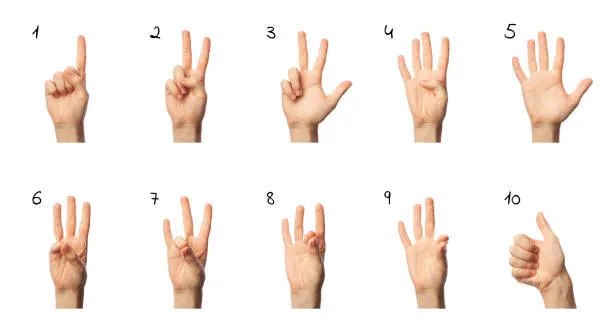
Learning how to count in German starts with mastering the numbers from zero to ten. These form the foundation for all other numbers in the language. Here’s a quick list:
- 0 - null
- 1 - eins
- 2 - zwei
- 3 - drei
- 4 - vier
- 5 - fünf
- 6 - sechs
- 7 - sieben
- 8 - acht
- 9 - neun
- 10 - zehn
Once you’ve memorized these, you can easily progress to higher numbers. For example, numbers 11 to 19 follow a pattern where the suffix "-zehn" (meaning "teen") is added to the base number. For instance, 11 is "elf," 12 is "zwölf," and 13 is "dreizehn."
Counting from 20 to 100
Understanding how to count in German from 20 to 100 involves learning the tens multiples. Here’s a breakdown:
- 20 - zwanzig
- 30 - dreißig
- 40 - vierzig
- 50 - fünfzig
- 60 - sechzig
- 70 - siebzig
- 80 - achtzig
- 90 - neunzig
- 100 - hundert
Numbers between these multiples are formed by stating the unit digit first, followed by "und" (meaning "and"), and then the tens multiple. For example, 21 is "einundzwanzig," and 35 is "fünfunddreißig."
Counting Beyond 100
When counting beyond 100 in German, the pattern remains consistent. Here are some examples:
- 200 - zweihundert
- 300 - dreihundert
- 1,000 - tausend
- 10,000 - zehntausend
- 100,000 - hunderttausend
- 1,000,000 - eine Million
For compound numbers, such as 1,234, you would say "eintausendzweihundertvierunddreißig."
Practical Applications of How to Count in German
Knowing how to count in German is not just about memorizing numbers; it’s about applying them in real-life situations. Here are some practical scenarios where this skill is invaluable:
Telling Time in German
In German, time is typically told using the 24-hour clock. For example, 3:15 PM is "fünfzehn Uhr fünfzehn." Here’s a quick guide:
- 1:00 AM - ein Uhr
- 12:00 PM - zwölf Uhr
- 6:30 PM - achtzehn Uhr dreißig
For more details on navigating German-speaking regions, check out our East Africa Safari Tour Packages.
Shopping and Prices
When shopping in Germany, Austria, or Switzerland, understanding prices is crucial. For example, €12.50 is read as "zwölf Euro fünfzig." Practice counting to ensure you can handle transactions confidently.
Dates and Calendars
Dates in German follow the format day-month-year. For example, December 25, 2023, is "der fünfundzwanzigste Dezember zweitausenddreiundzwanzig."
Advanced Numerical Concepts in German
Once you’ve mastered the basics of how to count in German, you can explore more advanced numerical concepts, such as ordinal numbers, fractions, and decimals.
Ordinal Numbers
Ordinal numbers indicate position or order. In German, they are formed by adding "-te" or "-ste" to the cardinal number. For example:
- 1st - erste
- 2nd - zweite
- 3rd - dritte
- 10th - zehnte
Fractions and Decimals
Fractions in German are straightforward. For example, ½ is "ein halb," and ¼ is "ein viertel." Decimals are read as "Komma," so 3.14 is "drei Komma vierzehn."
Expert Tips for Mastering How to Count in German
Here are some expert tips to help you master how to count in German effectively:
- Practice daily by counting objects around you in German.
- Use flashcards to memorize numbers and their pronunciations.
- Listen to German podcasts or watch videos to hear numbers used in context.
- Engage in conversations with native speakers to build confidence.
For more language-related travel tips, explore our Articles section.
FAQs About How to Count in German
Here are answers to some frequently asked questions about how to count in German:
How do you say zero in German?
Zero in German is "null."
What is the pattern for numbers between 21 and 99?
Numbers between 21 and 99 are formed by stating the unit digit first, followed by "und" and the tens multiple. For example, 34 is "vierunddreißig."
How do you count money in German?
Money in German is counted using the Euro system. For example, €5.20 is "fünf Euro zwanzig."
How do you tell time in German?
Time in German is typically told using the 24-hour clock. For example, 7:45 PM is "neunzehn Uhr fünfundvierzig."
What are ordinal numbers in German?
Ordinal numbers indicate order or position. For example, "first" is "erste," and "second" is "zweite."
How do you say fractions in German?
Fractions in German are straightforward. For example, ½ is "ein halb," and ¾ is "drei viertel."
How do you count beyond 100 in German?
Counting beyond 100 follows the same pattern as counting up to 100. For example, 200 is "zweihundert," and 1,000 is "tausend."
What is the best way to practice counting in German?
The best way to practice is through daily repetition, using flashcards, and engaging in conversations with native speakers.