
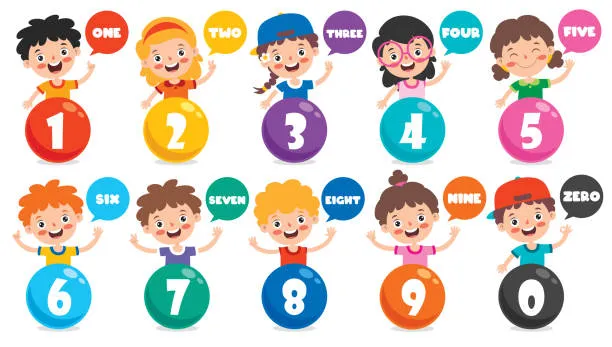
How To Count To 10 In German – Complete Guide
Learning how to count to 10 in German is an essential skill for anyone planning to visit Germany or any German-speaking country. Whether you're navigating local markets, ordering food, or simply engaging in casual conversation, knowing how to count to 10 in German will significantly enhance your travel experience. This guide will provide a comprehensive breakdown of the numbers, their pronunciation, and practical tips to master them effortlessly. By the end of this article, you’ll not only know how to count to 10 in German but also understand the cultural significance of numbers in German-speaking regions.
Why Learn How to Count to 10 in German?
Understanding how to count to 10 in German is more than just a linguistic exercise; it’s a gateway to immersing yourself in the culture. Numbers are used daily in various contexts, from shopping and dining to transportation and sightseeing. For travelers exploring destinations like Tanzania or planning an East Africa safari tour, knowing basic German phrases can also be beneficial, as German is widely spoken among tourists and locals alike. Additionally, learning how to count to 10 in German can boost your confidence and make interactions smoother and more enjoyable.
The Basics of Counting in German
Before diving into the specifics of how to count to 10 in German, it’s important to familiarize yourself with the pronunciation and structure of German numbers. German numbers are straightforward and follow a logical pattern, making them relatively easy to learn. Below is a detailed list of numbers from one to ten, along with their correct pronunciation and usage tips.
How to Count to 10 in German: A Step-by-Step Guide
Here’s a breakdown of how to count to 10 in German:
- Eins (One) – Pronounced “eye-ns.” This is the starting point for learning how to count to 10 in German.
- Zwei (Two) – Pronounced “ts-vai.” It’s essential to emphasize the “ts” sound at the beginning.
- Drei (Three) – Pronounced “dry.” The “r” is rolled slightly, similar to the Spanish pronunciation.
- Vier (Four) – Pronounced “feer.” The “v” sounds like an “f” in German.
- Fünf (Five) – Pronounced “foonf.” The “ü” sound is unique to German and requires practice.
- Sechs (Six) – Pronounced “zeks.” The “s” sounds like a “z” in this context.
- Sieben (Seven) – Pronounced “zee-ben.” The “ie” combination creates a long “ee” sound.
- Acht (Eight) – Pronounced “ahkt.” The “ch” is pronounced softly, like in “Bach.”
- Neun (Nine) – Pronounced “noyn.” The “eu” sound is similar to the English “oy.”
- Zehn (Ten) – Pronounced “tsayn.” The “z” is pronounced like “ts.”
By practicing these numbers regularly, you’ll quickly master how to count to 10 in German.
Practical Applications of Counting in German
Knowing how to count to 10 in German is incredibly useful in various real-life scenarios. For instance, when shopping in local markets, you can confidently ask for quantities or prices. Similarly, when ordering food at a restaurant, you can specify the number of items you’d like. Travelers visiting Tanzania destinations or embarking on Kilimanjaro climbing tours may also encounter German-speaking guides or fellow tourists, making this skill even more valuable.
Cultural Significance of Numbers in Germany
Numbers hold cultural significance in Germany, often appearing in idioms, superstitions, and traditions. For example, the number “sieben” (seven) is considered lucky, while “dreizehn” (thirteen) is often associated with bad luck. Understanding these nuances adds depth to your knowledge of how to count to 10 in German and enriches your cultural experience.
Expert Tips for Mastering German Numbers
Here are some expert tips to help you learn how to count to 10 in German effectively:
- Practice Daily: Repetition is key to mastering any new skill. Set aside a few minutes each day to practice counting.
- Use Flashcards: Create flashcards with the German numbers on one side and their English equivalents on the other.
- Listen to Native Speakers: Watch German videos or listen to podcasts to hear how native speakers pronounce numbers.
- Engage in Conversations: Practice counting with a language partner or tutor to improve your fluency.
Best Time to Practice German Numbers
The best time to practice how to count to 10 in German is during your daily routine. Whether you’re commuting, exercising, or relaxing, incorporate German numbers into your activities. Consistency is crucial for retention and mastery.
FAQs About How to Count to 10 in German
Here are some frequently asked questions about how to count to 10 in German:
1. Is it difficult to learn how to count to 10 in German?
Not at all! German numbers follow a logical pattern, making them easy to learn with regular practice.
2. How can I improve my pronunciation of German numbers?
Listening to native speakers and practicing regularly are the best ways to improve your pronunciation.
3. Are there any tricks to remember German numbers?
Using mnemonics or associating numbers with familiar objects can help you remember them more easily.
4. Why is learning how to count to 10 in German important for travelers?
It enhances communication, boosts confidence, and enriches your cultural experience during your travels.
5. Can I use German numbers in other German-speaking countries?
Yes, German numbers are universally understood in countries like Austria, Switzerland, and Liechtenstein.
6. How long does it take to learn how to count to 10 in German?
With consistent practice, most people can learn how to count to 10 in German within a few days.
7. Are there any resources to help me learn German numbers?
Yes, language apps, online courses, and tutorials are excellent resources for learning German numbers.
8. Can I practice counting in German during my travels?
Absolutely! Practicing in real-life situations, such as shopping or dining, is an effective way to reinforce your learning.
Conclusion
Mastering how to count to 10 in German is a simple yet impactful skill that can enhance your travel experience and deepen your cultural understanding. By following this guide, practicing regularly, and applying the expert tips provided, you’ll be able to count confidently in German in no time. Whether you’re exploring Tanzania destinations, planning an East Africa safari tour, or climbing Kilimanjaro, this skill will prove invaluable. For more travel tips and guides, visit our articles section.