
How To Draw German Shepherd – Complete Guide
Learning how to draw a German Shepherd can be an incredibly rewarding experience, whether you’re an aspiring artist or simply looking to hone your skills. This majestic breed, known for its intelligence, loyalty, and striking appearance, offers a fascinating subject for artistic exploration. In this comprehensive guide, we’ll delve deep into the process of drawing a German Shepherd, covering everything from basic anatomy to advanced techniques. By the end, you’ll have the knowledge and confidence to create a lifelike representation of this beloved canine.
Understanding the Anatomy of a German Shepherd
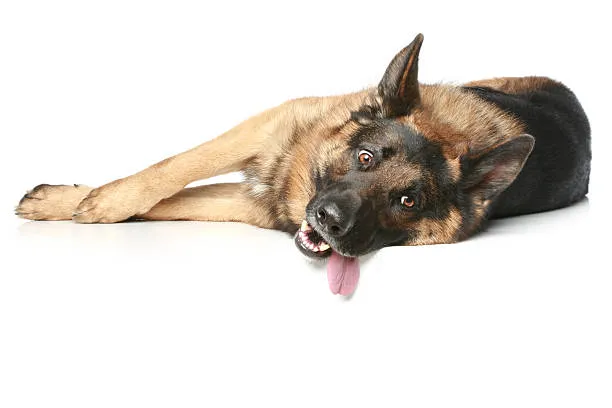
Before you begin drawing a German Shepherd, it’s essential to understand its anatomy. This breed is characterized by a strong, muscular build, a pointed snout, and erect ears. Their coat is dense and often features a mix of black, tan, and sable colors. Observing these details will help you create a more accurate and realistic drawing.
Key Features to Focus On
- Head: The German Shepherd’s head is wedge-shaped with a defined stop (the area where the forehead meets the snout).
- Ears: Their ears are large, pointed, and stand erect.
- Body: They have a strong, athletic body with a sloping back and a deep chest.
- Coat: The coat is thick and often has a double layer, with longer guard hairs and a softer undercoat.
- Tail: The tail is bushy and curves slightly upward.
Step-by-Step Guide on How to Draw a German Shepherd
Now that you’re familiar with the anatomy, let’s dive into the step-by-step process of how to draw a German Shepherd. This guide will walk you through each stage, from sketching the basic outline to adding intricate details.
Step 1: Sketch the Basic Outline
Start by lightly sketching the basic shapes that make up the German Shepherd’s body. Use simple geometric shapes like circles and ovals to represent the head, body, and limbs. This initial sketch will serve as the foundation for your drawing.
Step 2: Define the Head and Facial Features
Next, focus on the head. Draw the wedge-shaped outline and add the snout. Pay close attention to the placement of the eyes, nose, and mouth. German Shepherds have expressive eyes, so take your time to capture their essence.
Step 3: Add the Ears and Neck
Draw the large, pointed ears on top of the head. Then, sketch the neck, ensuring it’s muscular and proportionate to the body. The neck should flow smoothly into the shoulders.
Step 4: Outline the Body and Limbs
Now, move on to the body. Draw the chest, back, and hindquarters, keeping in mind the breed’s athletic build. Add the limbs, ensuring they’re strong and well-defined. Don’t forget to include the paws.
Step 5: Detail the Coat and Tail
Once the basic outline is complete, start adding details to the coat. Use short, curved lines to represent the fur texture. Pay attention to the direction of the fur growth. Finally, draw the bushy tail, ensuring it curves slightly upward.
Step 6: Refine and Shade
Refine your drawing by erasing any unnecessary lines and adding more details. Use shading to create depth and dimension. Focus on areas like the eyes, nose, and fur to bring your German Shepherd to life.
Advanced Techniques for Drawing a German Shepherd
For those looking to take their drawing skills to the next level, here are some advanced techniques to consider when learning how to draw a German Shepherd.
Using References
Using reference photos or observing a real German Shepherd can greatly enhance your drawing. Pay attention to the subtle details like the shine on the coat, the texture of the nose, and the way the ears stand.
Experimenting with Mediums
Different mediums can produce unique effects. Experiment with pencils, charcoal, pastels, or digital tools to see which one best suits your style. Each medium offers its own set of challenges and rewards.
Practicing Proportions
Proportions are crucial in creating a realistic drawing. Practice sketching different poses and angles to improve your understanding of the German Shepherd’s anatomy. This will help you create more dynamic and lifelike drawings.
Adding Background Elements
To make your drawing more complete, consider adding background elements. Whether it’s a grassy field, a cozy living room, or a mountain landscape, the background can enhance the overall composition and tell a story.
Expert Tips for Drawing a German Shepherd
Here are some expert tips to keep in mind as you continue to practice and refine your skills in drawing a German Shepherd.
- Start with Light Lines: Begin with light, loose lines to outline the basic shapes. This allows for easier adjustments as you progress.
- Focus on Details: Pay attention to small details like the texture of the fur, the shine in the eyes, and the folds of the skin. These details can make a big difference in the realism of your drawing.
- Practice Regularly: Like any skill, drawing improves with practice. Set aside time each day to sketch and refine your techniques.
- Be Patient: Drawing a German Shepherd can be challenging, especially when it comes to capturing the intricate details. Be patient and take your time.
- Seek Feedback: Share your drawings with friends, family, or online communities to get constructive feedback. This can help you identify areas for improvement.
Common Mistakes to Avoid When Drawing a German Shepherd
Even experienced artists can make mistakes. Here are some common pitfalls to avoid when learning how to draw a German Shepherd.
- Overlooking Proportions: Incorrect proportions can make your drawing look unnatural. Always double-check the size and placement of each body part.
- Rushing the Process: Drawing requires patience and attention to detail. Rushing can lead to mistakes and a less polished final product.
- Ignoring Light Sources: Proper shading relies on understanding light sources. Ignoring this can result in a flat, two-dimensional drawing.
- Neglecting Backgrounds: While the focus is on the German Shepherd, neglecting the background can make the drawing feel incomplete.
- Not Using References: References are invaluable for capturing the nuances of the breed. Avoid relying solely on memory or imagination.
FAQs About How to Draw a German Shepherd
Here are some frequently asked questions about drawing a German Shepherd, along with detailed answers to help you on your artistic journey.
What is the best way to start drawing a German Shepherd?
The best way to start is by sketching the basic shapes that make up the German Shepherd’s body. Use simple geometric shapes like circles and ovals to outline the head, body, and limbs. This initial sketch will serve as the foundation for your drawing.
How can I make my German Shepherd drawing more realistic?
To make your drawing more realistic, focus on capturing the details. Pay attention to the texture of the fur, the shine in the eyes, and the folds of the skin. Using references and practicing shading techniques can also enhance the realism of your drawing.
What medium is best for drawing a German Shepherd?
The best medium depends on your personal preference and skill level. Pencils are great for beginners, while charcoal and pastels can add depth and texture. Digital tools offer flexibility and the ability to easily make adjustments.
How long does it take to learn how to draw a German Shepherd?
The time it takes to learn varies depending on your dedication and practice. Regular practice and seeking feedback can accelerate your progress. With consistent effort, you can see significant improvement in a few months.
Can I draw a German Shepherd without any prior experience?
Yes, anyone can learn how to draw a German Shepherd with practice and patience. Start with basic shapes and gradually add details. Don’t be discouraged by initial mistakes; they are part of the learning process.
What are some common mistakes to avoid when drawing a German Shepherd?
Common mistakes include overlooking proportions, rushing the process, ignoring light sources, neglecting backgrounds, and not using references. Being aware of these pitfalls can help you create a more polished and realistic drawing.
Are there any resources or tutorials available for learning how to draw a German Shepherd?
Yes, there are numerous resources available, including online tutorials, books, and art classes. Websites like Jaynevy Tours Articles offer valuable insights and tips for aspiring artists.
Conclusion
Learning how to draw a German Shepherd is a fulfilling endeavor that combines observation, practice, and creativity. By understanding the breed’s anatomy, following a step-by-step process, and utilizing advanced techniques, you can create a lifelike representation of this majestic canine. Remember to be patient, seek feedback, and continually refine your skills. Whether you’re a beginner or an experienced artist, the journey of drawing a German Shepherd offers endless opportunities for growth and artistic expression.
For more inspiration and resources, explore our East Africa Safari Tour Packages and discover the beauty of wildlife through art. Happy drawing!