
How To Dress German – Complete Guide
Understanding how to dress German is not just about fashion; it’s about embracing a cultural ethos that values practicality, minimalism, and timeless style. Germany, a country known for its precision and efficiency, reflects these traits in its fashion choices. Whether you’re visiting Berlin’s bustling streets, Munich’s historic landmarks, or the serene landscapes of Bavaria, knowing how to dress German will help you blend in seamlessly while staying comfortable and stylish. This guide delves deep into every aspect of German fashion, offering practical tips, seasonal advice, and cultural insights to help you master the art of dressing like a local.
The Foundations of German Fashion
When learning how to dress German, it’s essential to understand the core principles that define German fashion. Germans prioritize functionality and quality over fleeting trends. Their wardrobe staples are often versatile, durable, and designed to withstand the country’s diverse weather conditions. Neutral colors like black, gray, navy, and beige dominate German fashion, creating a cohesive and understated look. Layering is also a key technique, allowing individuals to adapt to changing temperatures throughout the day.
Essential Wardrobe Pieces for How to Dress German
To master how to dress German, start by investing in these essential wardrobe pieces:
- Tailored Blazers: A well-fitted blazer is a staple in German fashion. It can be dressed up for business meetings or paired with jeans for a casual yet polished look.
- Dark Denim Jeans: Germans favor dark wash jeans for their versatility and timeless appeal. Opt for straight or slim-fit styles.
- Quality Footwear: Comfortable and durable shoes are a must. Think leather boots, loafers, or sneakers from reputable brands.
- Neutral Tops: Plain t-shirts, button-down shirts, and sweaters in neutral tones are perfect for layering.
- Functional Outerwear: A waterproof jacket or coat is essential, especially during the colder months.
Seasonal Guide to How to Dress German
Germany experiences distinct seasons, each requiring a tailored approach to dressing. Here’s a breakdown of how to dress German throughout the year:
Spring
Spring in Germany is mild but unpredictable. Layering is crucial. Opt for lightweight jackets, scarves, and comfortable shoes. Pastel colors and floral patterns can add a touch of freshness to your wardrobe.
Summer
Summers are warm but not excessively hot. Germans favor breathable fabrics like cotton and linen. Shorts, sundresses, and sandals are common, but avoid overly casual attire in urban areas.
Autumn
Autumn brings cooler temperatures and vibrant foliage. This is the perfect time to embrace earthy tones and cozy layers. A trench coat, knit sweaters, and ankle boots are ideal.
Winter
German winters can be harsh, with snow and freezing temperatures. Invest in a high-quality winter coat, thermal layers, and insulated boots. Accessories like gloves, scarves, and hats are essential.
Cultural Nuances in How to Dress German
German fashion is deeply influenced by cultural values such as practicality, sustainability, and modesty. Germans tend to avoid flashy or overly extravagant clothing, preferring subtle elegance instead. When learning how to dress German, it’s important to respect these cultural norms. For example, avoid wearing revealing clothing in conservative areas or formal settings. Additionally, Germans place a strong emphasis on sustainability, so consider choosing eco-friendly brands and materials.
Dressing for Specific Occasions
Knowing how to dress German also involves understanding the appropriate attire for different occasions:
Business Attire
German business culture is formal and professional. Men should wear tailored suits, while women can opt for pantsuits, skirts, or dresses paired with blazers. Neutral colors and minimal accessories are key.
Casual Outings
For casual outings, Germans prefer clean and polished looks. Dark jeans, a simple top, and comfortable shoes are perfect for exploring cities or visiting cafes.
Festivals and Events
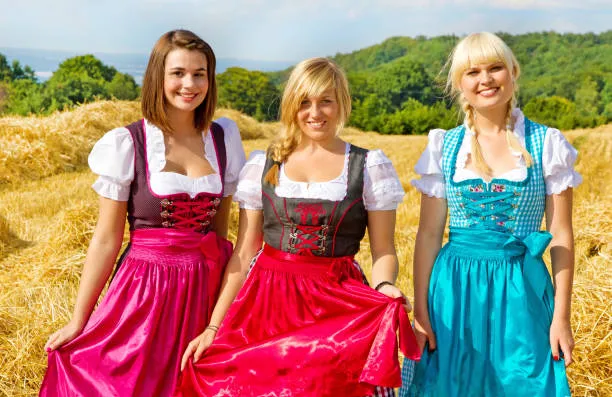
Germany hosts numerous festivals and events throughout the year. For Oktoberfest, traditional Bavarian attire like lederhosen and dirndls are appropriate. For other events, smart casual attire is usually sufficient.
Expert Tips for How to Dress German
Here are some expert tips to help you perfect your German style:
- Invest in Quality: Germans value durability and craftsmanship. Choose high-quality pieces that will last for years.
- Keep It Simple: Avoid overly complicated outfits. Stick to clean lines and minimal patterns.
- Adapt to the Weather: Always check the forecast and dress accordingly. Layering is your best friend.
- Respect Local Customs: When in doubt, observe what locals are wearing and follow their lead.
- Embrace Sustainability: Support eco-friendly brands and practices to align with German values.
FAQ Section
What is the most important aspect of how to dress German?
The most important aspect is prioritizing functionality and quality. German fashion emphasizes practicality and timeless style over fleeting trends.
Can I wear bright colors when learning how to dress German?
While neutrals dominate German fashion, you can incorporate subtle pops of color. However, avoid overly bright or flashy outfits.
Is it necessary to wear traditional Bavarian attire in Germany?
Traditional Bavarian attire is mainly reserved for festivals like Oktoberfest. In everyday settings, it’s not necessary.
How do Germans dress for formal events?
For formal events, Germans opt for tailored suits, elegant dresses, and minimal accessories. Neutral colors are preferred.
What should I pack for a winter trip to Germany?
Pack a high-quality winter coat, thermal layers, insulated boots, and accessories like gloves, scarves, and hats.
Are there any fashion faux pas to avoid when learning how to dress German?
Avoid overly casual or revealing clothing in formal settings. Also, steer clear of flashy accessories or patterns.
How can I incorporate sustainability into my German wardrobe?
Choose eco-friendly brands, opt for natural fabrics, and prioritize quality over quantity to align with German values.
What footwear is best for exploring German cities?
Comfortable and durable shoes like leather boots or sneakers are ideal for navigating German cities.
Mastering how to dress German is about embracing a style that is practical, timeless, and culturally respectful. By focusing on quality, simplicity, and adaptability, you can effortlessly blend in with locals while staying comfortable and stylish. Whether you’re exploring the historic streets of Heidelberg or hiking in the Black Forest, these tips will ensure you’re well-prepared for any occasion. For more travel inspiration, check out our articles or explore our East Africa safari tour packages for your next adventure.