
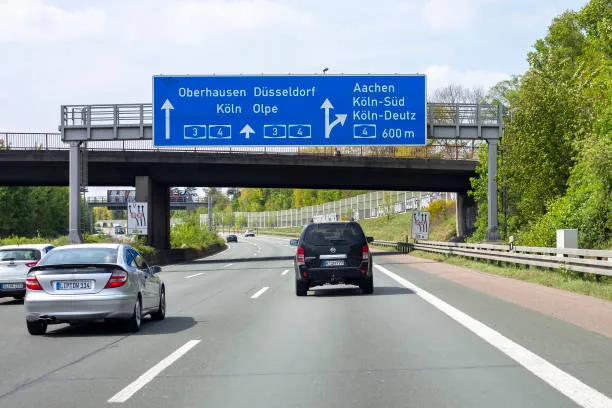
How To Drive German – Complete Guide
Germany is a country with some of the most efficient and well-maintained road networks in the world, making it an excellent destination for a road trip. Whether you're planning to explore the scenic Black Forest, cruise along the Romantic Road, or navigate the bustling streets of Berlin, knowing how to drive German roads is essential. This guide covers everything from road rules and vehicle requirements to cultural nuances and must-see routes, ensuring you have a smooth and enjoyable experience behind the wheel.
Understanding German Driving Laws and Regulations
Before you hit the road, it's crucial to familiarize yourself with Germany's driving laws. Unlike many countries, Germany has strict regulations that must be followed to avoid fines or legal issues. Here’s what you need to know about how to drive German roads legally and safely.
Speed Limits and Autobahn Rules
Germany is famous for its Autobahn, where certain sections have no speed limits. However, this doesn’t mean you can drive recklessly. Speed restrictions still apply in urban areas, construction zones, and sections marked with signs. Here’s a breakdown:
- Urban Areas: 50 km/h (31 mph) unless otherwise posted.
- Rural Roads: 100 km/h (62 mph).
- Autobahn (Unrestricted Sections): Recommended speed of 130 km/h (81 mph), though no legal limit exists.
Additionally, tailgating (driving too closely behind another vehicle) is heavily penalized. Always maintain a safe distance, especially at high speeds.
Driving License and Documentation
If you're visiting from outside the EU, an International Driving Permit (IDP) is recommended alongside your national license. Police may request it during checks. EU license holders can drive in Germany without additional permits. Always carry:
- Valid driver’s license
- Vehicle registration documents
- Proof of insurance (Green Card if coming from non-EU countries)
Best Routes for Driving in Germany
Germany offers some of the most picturesque driving routes in Europe. Whether you prefer coastal roads, mountain passes, or historic trails, there’s a perfect journey waiting. Below are the top routes to consider when planning how to drive German roads.
The Romantic Road (Romantische Straße)
Stretching from Würzburg to Füssen, this 350 km route takes you through medieval towns, fairy-tale castles (including Neuschwanstein), and rolling vineyards. Best time to visit: May to October.
Day-by-Day Itinerary
- Day 1: Start in Würzburg, explore the Residenz Palace.
- Day 2: Drive to Rothenburg ob der Tauber, a well-preserved medieval town.
- Day 3: Continue to Augsburg, stopping at Harburg Castle.
- Day 4: End in Füssen, visiting Neuschwanstein Castle.
Black Forest High Road (Schwarzwaldhochstraße)
This scenic route winds through dense forests, spa towns, and panoramic viewpoints. Ideal for nature lovers, the best months are June to September.
Expert Tips for Driving in Germany
To ensure a hassle-free experience, follow these expert recommendations on how to drive German roads efficiently.
- Fuel Costs: Diesel is cheaper than petrol, but electric charging stations are widely available.
- Toll Roads: Most German highways are toll-free for cars, but heavy vehicles require a vignette.
- Winter Driving: Snow tires are mandatory from October to April in some regions.
Pros and Cons of Driving in Germany
| Pros | Cons |
|---|---|
| Well-maintained roads | Strict speeding fines |
| No speed limits on some Autobahn sections | High fuel costs |
| Scenic routes with excellent infrastructure | Parking can be expensive in cities |
FAQs About How to Drive German Roads
1. Is it difficult to drive in Germany as a foreigner?
Not if you follow the rules. Germans are disciplined drivers, and roads are well-marked. Just be cautious on the Autobahn.
2. Do I need winter tires?
Yes, if traveling between October and April. Fines apply for non-compliance.
3. Can I rent a car with a US license?
Yes, but an IDP is recommended for smoother transactions.
4. Are there toll roads in Germany?
Most highways are free, but trucks must pay. Austria and Switzerland nearby require vignettes.
5. What’s the best time for a road trip?
Spring to early autumn (April-October) offers the best weather and road conditions.
For more travel inspiration, check out our Tanzania Destinations or explore East Africa Safari Packages for another unforgettable journey.