
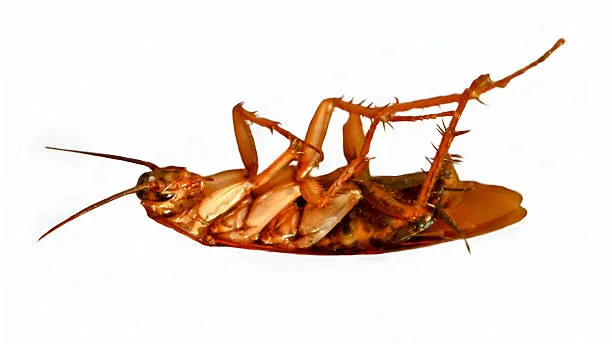
How To German Cockroach – Complete Guide
German cockroaches are one of the most persistent and troublesome pests, infesting homes, restaurants, and commercial spaces worldwide. Learning how to German cockroach effectively involves understanding their biology, behavior, and the most efficient extermination methods. This comprehensive guide explores everything from identification to prevention and eradication, ensuring you can tackle an infestation with confidence. Whether you're dealing with a minor problem or a full-blown invasion, mastering how to German cockroach will help you reclaim your space.
Understanding German Cockroaches: Biology and Behavior
Before diving into how to German cockroach, it's essential to understand what makes these pests unique. German cockroaches (Blattella germanica) are small, light brown insects with two dark stripes on their pronotum. They thrive in warm, humid environments and reproduce rapidly, making them a formidable pest.
Life Cycle and Reproduction
German cockroaches have a rapid reproductive cycle, with females producing up to 40 eggs per ootheca (egg case). These eggs hatch in about a month, and nymphs mature in as little as two months under optimal conditions. Understanding their life cycle is crucial when learning how to German cockroach, as interrupting reproduction is key to long-term control.
Preferred Habitats
These pests favor kitchens, bathrooms, and other areas with access to food, water, and warmth. They hide in cracks, behind appliances, and inside cabinets, making detection challenging. Knowing their hiding spots is a critical step in how to German cockroach effectively.
How to German Cockroach: Step-by-Step Extermination Guide
Successfully eliminating German cockroaches requires a strategic approach. Below is a detailed breakdown of the most effective methods.
Step 1: Inspection and Identification
Before treatment, confirm that you're dealing with German cockroaches. Look for live insects, droppings (resembling coffee grounds), and egg cases. A thorough inspection helps in targeting treatment areas accurately.
Step 2: Sanitation and Prevention
Reducing food and water sources is fundamental in how to German cockroach. Follow these steps:
- Store food in sealed containers.
- Fix leaky pipes and eliminate standing water.
- Regularly clean kitchen surfaces and appliances.
- Dispose of garbage frequently.
Step 3: Chemical and Non-Chemical Treatments
Combining different treatments increases effectiveness:
- Baits: Gel baits attract and poison roaches, which then spread the toxin to others.
- Insect Growth Regulators (IGRs): Disrupt the development of nymphs, preventing reproduction.
- Diatomaceous Earth: A non-toxic powder that dehydrates and kills roaches.
- Professional Pest Control: For severe infestations, consider hiring experts.
Step 4: Monitoring and Follow-Up
German cockroaches can rebound quickly. Regular monitoring ensures that any resurgence is caught early. Place sticky traps in high-activity areas to track remaining populations.
Preventing Future Infestations
Knowing how to German cockroach isn't just about elimination—it's also about prevention. Implement these long-term strategies:
Sealing Entry Points
Roaches enter through tiny cracks and gaps. Seal openings around pipes, windows, and doors with caulk or weather stripping.
Regular Cleaning and Maintenance
Consistent hygiene reduces attractants. Vacuum frequently, wipe down surfaces, and avoid leaving dirty dishes overnight.
Using Natural Deterrents
Certain scents repel roaches, including peppermint oil, bay leaves, and citrus. While not a standalone solution, they can supplement other methods.
Expert Tips for How to German Cockroach Successfully
Pest control professionals recommend these advanced strategies:
- Rotate Bait Types: Roaches can develop resistance, so switch products periodically.
- Target Nests Directly: Locate and treat harborage areas for maximum impact.
- Combine Methods: Use baits, traps, and IGRs simultaneously for better results.
Common Mistakes When Learning How to German Cockroach
Avoid these pitfalls to ensure successful eradication:
- Overusing Sprays: Sprays can scatter roaches, making infestations worse.
- Ignoring Hidden Areas: Treating only visible areas misses key hiding spots.
- Neglecting Follow-Up: One-time treatments rarely eliminate all roaches.
FAQ: How to German Cockroach – Your Questions Answered
Here are the most frequently asked questions about how to German cockroach, with detailed answers.
1. How do I know if I have a German cockroach infestation?
Signs include live roaches (especially at night), egg cases, droppings, and a musty odor. Inspect kitchens and bathrooms thoroughly.
2. Are German cockroaches dangerous?
Yes, they carry bacteria, trigger allergies, and contaminate food. Prompt action is necessary.
3. Can I eliminate German cockroaches without professional help?
Small infestations can be managed with baits and sanitation, but severe cases often require professional treatment.
4. How long does it take to get rid of German cockroaches?
Depending on the infestation size, it can take weeks to months. Consistency is key.
5. What’s the most effective bait for German cockroaches?
Gel baits containing fipronil or hydramethylnon are highly effective. Place them near harborage areas.
6. Do German cockroaches fly?
They have wings but rarely fly. Instead, they prefer running.
7. Can German cockroaches survive cold temperatures?
No, they thrive in warmth. Cold weather slows reproduction but won’t eliminate them.
8. Why do German cockroaches keep coming back?
Incomplete treatment, poor sanitation, or reintroduction via infested items can cause reinfestation.
Final Thoughts on How to German Cockroach
Successfully managing a German cockroach infestation requires knowledge, persistence, and the right techniques. By following this guide, you can effectively eliminate these pests and prevent future problems. For more expert advice on pest control and travel-related tips, explore our articles or discover our East Africa safari packages for an unforgettable adventure.