
How To German Currency – Complete Guide
Understanding how to German currency works is essential for anyone planning to visit Germany, whether for leisure, business, or study. The official currency of Germany is the Euro (€), which is used across 19 European Union countries. Since its introduction in 2002, the Euro has become a cornerstone of financial transactions in Germany, replacing the Deutsche Mark. This guide will explore everything you need to know about how to German currency, including its history, practical usage, exchange tips, and financial advice for travelers.
How to German Currency: A Comprehensive Overview
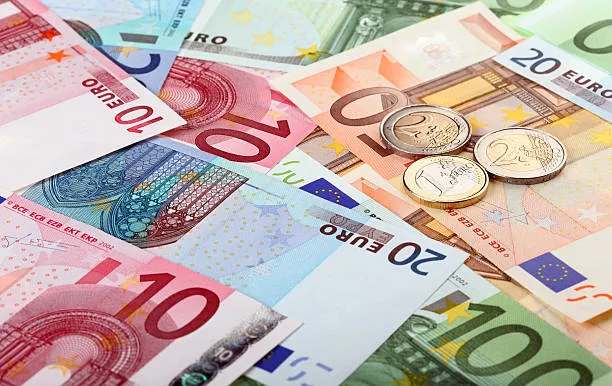
Germany, as a member of the European Union, adopted the Euro as its official currency in 2002. The Euro is divided into 100 cents, with coins available in denominations of 1, 2, 5, 10, 20, and 50 cents, as well as €1 and €2. Banknotes come in €5, €10, €20, €50, €100, €200, and €500 denominations. Understanding how to German currency operates involves familiarizing yourself with these denominations and their usage in everyday transactions.
Germany’s transition to the Euro was a significant milestone in its economic history. The Deutsche Mark, which had been in circulation since 1948, was replaced to foster economic unity within the European Union. Today, the Euro is widely accepted across Germany, making it convenient for travelers from other Eurozone countries. For those coming from non-Eurozone regions, understanding how to German currency works ensures a smooth financial experience during your stay.
How to German Currency: Practical Usage Tips
When traveling to Germany, knowing how to German currency is used in daily life is crucial. Cash remains a preferred payment method in many German establishments, especially smaller shops, cafes, and rural areas. While credit and debit cards are accepted in larger cities and tourist hotspots, carrying cash ensures you’re prepared for all situations.
ATMs (Geldautomaten) are widely available across Germany and offer a convenient way to withdraw Euros. Most ATMs accept international cards, but it’s advisable to inform your bank of your travel plans to avoid any issues. Additionally, currency exchange offices are available at airports, train stations, and major tourist areas, though they may charge higher fees compared to banks.
How to German Currency: Exchange Rates and Fees
Understanding how to German currency exchange rates work is vital for budgeting your trip. Exchange rates fluctuate daily based on global economic conditions, so it’s wise to monitor rates before your trip. Online currency converters and banking apps can help you stay updated.
When exchanging currency, compare rates and fees across different providers. Banks typically offer competitive rates, while airport exchange offices may charge higher commissions. For travelers planning multi-country trips, such as combining Germany with an East Africa safari tour, managing currency exchanges efficiently can save you money.
How to German Currency: Budgeting and Financial Planning
Budgeting is a critical aspect of understanding how to German currency works. Germany is known for its high standard of living, and costs can vary significantly depending on your travel style and destination. Cities like Berlin, Munich, and Frankfurt tend to be more expensive than smaller towns and rural areas.
Accommodation, dining, transportation, and attractions are the primary expenses to consider. Budget travelers can opt for hostels, public transportation, and free attractions, while luxury travelers may prefer high-end hotels, private tours, and fine dining. Planning your budget in advance ensures you make the most of your trip without overspending.
How to German Currency: Payment Methods
Germany offers a variety of payment methods, each with its advantages. Cash is widely accepted, but credit and debit cards are increasingly common, especially in urban areas. Popular card networks include Visa, MasterCard, and American Express, though it’s advisable to carry a card with a chip and PIN for added security.
Contactless payments and mobile wallets like Apple Pay and Google Pay are gaining popularity in Germany. However, in smaller towns and rural areas, cash remains the primary payment method. Understanding how to German currency is used in different regions ensures you’re prepared for any situation.
How to German Currency: Tipping Etiquette
Tipping is an important aspect of how to German currency is used in daily life. While service charges are often included in restaurant bills, it’s customary to round up the total or leave a 5-10% tip for good service. In cafes and bars, rounding up to the nearest Euro is common practice.
For taxi rides, rounding up to the nearest Euro or adding a small tip is appreciated. In hotels, tipping porters and housekeeping staff is customary, though not mandatory. Understanding tipping etiquette ensures you navigate social norms confidently during your trip.
How to German Currency: Expert Tips for Travelers
To master how to German currency works, consider these expert tips:
- Always carry cash, especially in rural areas and smaller establishments.
- Use ATMs affiliated with major banks to avoid excessive fees.
- Monitor exchange rates and exchange currency at banks or reputable providers.
- Inform your bank of your travel plans to prevent card issues.
- Keep small denominations for tipping and small purchases.
For travelers combining Germany with other destinations, such as a Kilimanjaro climbing tour, managing multiple currencies efficiently is essential. Research exchange rates and fees in advance to optimize your budget.
How to German Currency: Best Time to Visit
The best time to visit Germany depends on your interests and budget. Spring (April to June) and autumn (September to October) offer mild weather, fewer crowds, and lower prices. Summer (July to August) is peak tourist season, with warm weather and numerous festivals.
Winter (December to February) is ideal for Christmas markets and winter sports, though prices can be higher in popular destinations. Understanding how to German currency is used during different seasons helps you plan your trip effectively.
How to German Currency: Safety and Security
Germany is a safe destination for travelers, but it’s essential to take precautions when handling currency. Avoid carrying large amounts of cash and use hotel safes for valuables. Be cautious when using ATMs and ensure your transactions are secure.
In crowded areas, keep an eye on your belongings to prevent theft. Understanding how to German currency is managed safely ensures a stress-free travel experience.
How to German Currency: Frequently Asked Questions
1. What is the official currency of Germany?
The official currency of Germany is the Euro (€), which is used across 19 European Union countries.
2. Can I use credit cards in Germany?
Yes, credit cards are widely accepted in urban areas, though cash is preferred in smaller towns and rural areas.
3. Where can I exchange currency in Germany?
Currency can be exchanged at banks, ATMs, and exchange offices in airports, train stations, and tourist areas.
4. What is the tipping etiquette in Germany?
Tipping is customary in restaurants, cafes, taxis, and hotels. Rounding up the bill or leaving a 5-10% tip is common practice.
5. Is it better to carry cash or cards in Germany?
It’s advisable to carry both cash and cards, as cash is preferred in many establishments, especially in rural areas.
6. What are the denominations of Euro coins and banknotes?
Euro coins come in 1, 2, 5, 10, 20, and 50 cents, as well as €1 and €2. Banknotes are available in €5, €10, €20, €50, €100, €200, and €500 denominations.
7. How can I monitor exchange rates before my trip?
Online currency converters and banking apps provide real-time exchange rate updates.
8. Are there ATMs in Germany?
Yes, ATMs (Geldautomaten) are widely available across Germany and accept international cards.
Understanding how to German currency works is essential for a seamless travel experience in Germany. From exchanging money to budgeting and tipping, this guide covers everything you need to know. Whether you’re exploring Germany’s historic cities or combining your trip with an East Africa safari, mastering how to German currency ensures you’re financially prepared for your journey.