
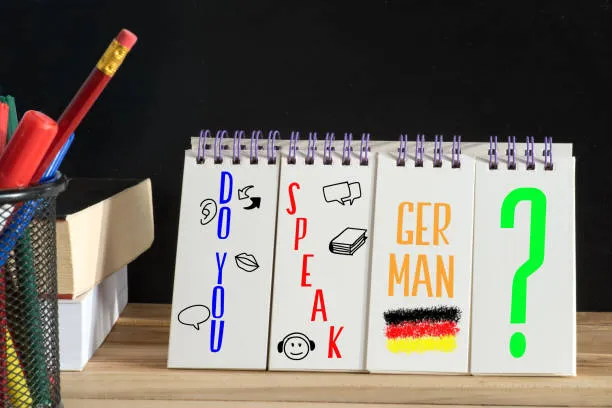
How To How Are You In German – Complete Guide
Learning how to say "how are you in German" is one of the first and most essential phrases for anyone visiting Germany or engaging with German speakers. Whether you're planning a trip to Berlin, exploring the Bavarian Alps, or simply want to connect with German-speaking friends, mastering this simple yet powerful greeting can open doors to meaningful conversations. In this comprehensive guide, we’ll break down every aspect of "how to how are you in German," including pronunciation, cultural nuances, formal and informal variations, and practical usage in real-life situations. By the end, you’ll not only know the phrase but also understand the deeper context behind it.
Understanding the Basics: How to Say "How Are You in German"
The most common way to say "how are you in German" is "Wie geht es dir?" (informal) or "Wie geht es Ihnen?" (formal). These phrases are direct translations, but German, like any language, has subtle variations depending on the situation, relationship, and regional dialects. Below, we explore the different ways to express this question and when to use each one.
Formal vs. Informal: Choosing the Right Version
German, unlike English, has a clear distinction between formal and informal speech. Knowing when to use each form is crucial:
- Informal ("Wie geht es dir?") – Used with friends, family, or people you know well.
- Formal ("Wie geht es Ihnen?") – Used in professional settings, with strangers, or when addressing elders.
Misusing these can come across as rude or overly familiar, so always consider the context. If you're unsure, it's safer to default to the formal version until the other person suggests switching to informal speech.
Pronunciation Guide: Saying It Right
Correct pronunciation is key to being understood. Here’s a breakdown:
- "Wie geht es dir?" – Pronounced as "Vee gate ess deer?"
- "Wie geht es Ihnen?" – Pronounced as "Vee gate ess EE-nen?"
German pronunciation can be tricky, especially with the guttural "ch" sound in some dialects. Listening to native speakers or using language apps can help refine your accent.
Beyond the Basics: Other Ways to Ask "How Are You in German"
While "Wie geht es dir/Ihnen?" is the standard, German offers several alternatives that add variety to your conversations:
Casual and Colloquial Variations
In everyday speech, Germans often shorten phrases:
- "Wie geht’s?" – A relaxed, shortened version of "Wie geht es dir?"
- "Alles klar?" – Literally "Everything clear?" but used like "You good?"
- "Was geht?" – Borrowed from English ("What’s up?"), common among younger people.
These are best used in informal settings where a more laid-back tone is appropriate.
Regional Dialects and Their Influence
Germany’s regional dialects can change how "how are you in German" is expressed:
- Bavarian: "Wie geht’s da?" (Informal) or "Wie geht’s Eana?" (Formal)
- Swabian: "Wie gangt’s?"
- Northern Germany: "Alles fit?" (Very casual)
If you're traveling to specific regions, like Bavaria or Saxony, learning local variations can make interactions smoother.
Responding to "How Are You in German"
Knowing how to ask is only half the battle—you should also be prepared to respond. Common replies include:
Positive Responses
- "Gut, danke!" – "Good, thanks!"
- "Sehr gut!" – "Very good!"
- "Alles bestens!" – "Everything’s great!"
Neutral or Negative Responses
- "Es geht." – "It’s okay." (Implies things could be better)
- "Nicht so gut." – "Not so good."
- "Müde." – "Tired."
In German culture, people tend to be more direct than in English-speaking countries. It’s not uncommon for someone to honestly say they’re feeling "nicht so gut" rather than defaulting to "fine."
Cultural Context: When and How to Use "How Are You in German"
Understanding the cultural norms around greetings in Germany will help you avoid awkward moments:
When to Ask
- In greetings: Often used after "Hallo" or "Guten Tag."
- In small talk: Common in casual conversations, but Germans may skip it in formal settings unless there’s a personal connection.
When Not to Ask
- In very formal transactions: A cashier might not expect or engage in this exchange.
- With strangers in passing: Unlike in the U.S., Germans don’t always greet strangers with "how are you?"
Practical Usage: Example Conversations
To help you visualize how "how are you in German" fits into real dialogue, here are two scenarios:
Informal Conversation Between Friends
Person A: "Hallo! Wie geht’s?"
Person B: "Gut, danke! Und dir?"
Person A: "Auch gut!"
Formal Conversation with a Colleague
Person A: "Guten Morgen, Herr Schmidt. Wie geht es Ihnen?"
Person B: "Danke, sehr gut. Und Ihnen?"
Person A: "Mir geht es auch gut."
Common Mistakes to Avoid
Even with the basics down, learners often make these errors:
- Mixing up "dir" and "Ihnen": Using "dir" with a superior at work can seem disrespectful.
- Overusing the phrase: Germans don’t say "how are you" as frequently as Americans.
- Mispronouncing "Ihnen": Saying "EE-hen" instead of "EE-nen" can confuse listeners.
Expert Tips for Mastering "How Are You in German"
To sound more natural, follow these advanced tips:
- Listen to native speakers: Watch German films or YouTube channels to hear how the phrase is used naturally.
- Practice with language partners: Apps like Tandem or HelloTalk connect you with native speakers.
- Use it in context: Try greeting German-speaking friends or colleagues with "Wie geht’s?" to build confidence.
FAQ: Answering Common Questions About "How Are You in German"
Here are some frequently asked questions to deepen your understanding:
1. Is "Wie geht’s?" considered rude?
No, but it’s informal. Use it only with people you know well.
2. Can I respond with just "Danke"?
Yes, but it’s better to say "Gut, danke" for clarity.
3. How do I ask "how are you" in Austrian German?
Austrians often say "Wie geht’s Ihnen?" (formal) or "Wie geht’s da?" (informal).
4. Why do Germans sometimes not respond to "how are you"?
In formal settings, it may be seen as a rhetorical greeting rather than a real question.
5. What’s the best way to practice pronunciation?
Repeat after native speakers using language apps or German podcasts.
Final Thoughts: Why Learning "How Are You in German" Matters
Mastering this simple phrase is more than just memorizing words—it’s about connecting with German culture. Whether you're planning a trip to Tanzania (where German is sometimes spoken) or exploring East Africa, knowing how to greet people properly enhances your travel experience. For more language and travel tips, check out our articles or explore our Kilimanjaro climbing packages for an adventure that blends culture and nature.