
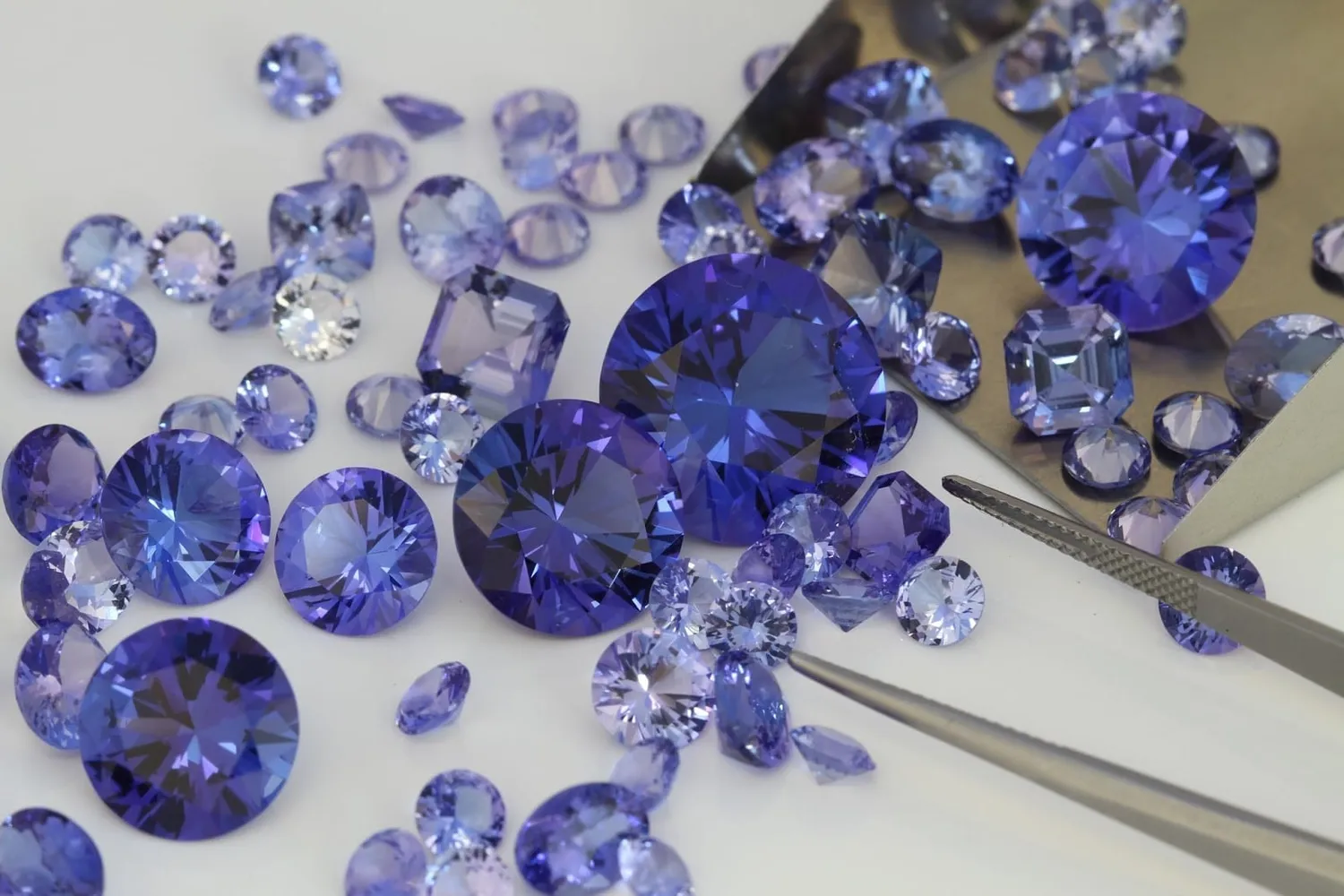
How to Invest in Tanzanite: A Complete Guide to Tanzanite as an Investment – If you're seeking a tangible asset that combines beauty, rarity, and strong appreciation potential, Tanzanite stands out. This comprehensive resource on how to invest in Tanzanite covers everything from its geological origins to strategic buying, risk management, and resale tactics. Whether you're a novice or seasoned investor, this guide to Tanzanite as an investment will equip you with the knowledge to make informed decisions in the dynamic gemstone market.
Why Tanzanite Is Considered a Valuable Investment
In the world of alternative investments, how to invest in Tanzanite offers a unique blend of aesthetic appeal and financial upside. Discovered in 1967 near Mount Kilimanjaro, Tanzanite's value stems from its unparalleled scarcity and burgeoning demand. Unlike stocks or bonds, Tanzanite is a wearable asset that can be enjoyed while appreciating. This guide to Tanzanite as an investment reveals why savvy collectors view it as a "blue-chip" gem for the 21st century.
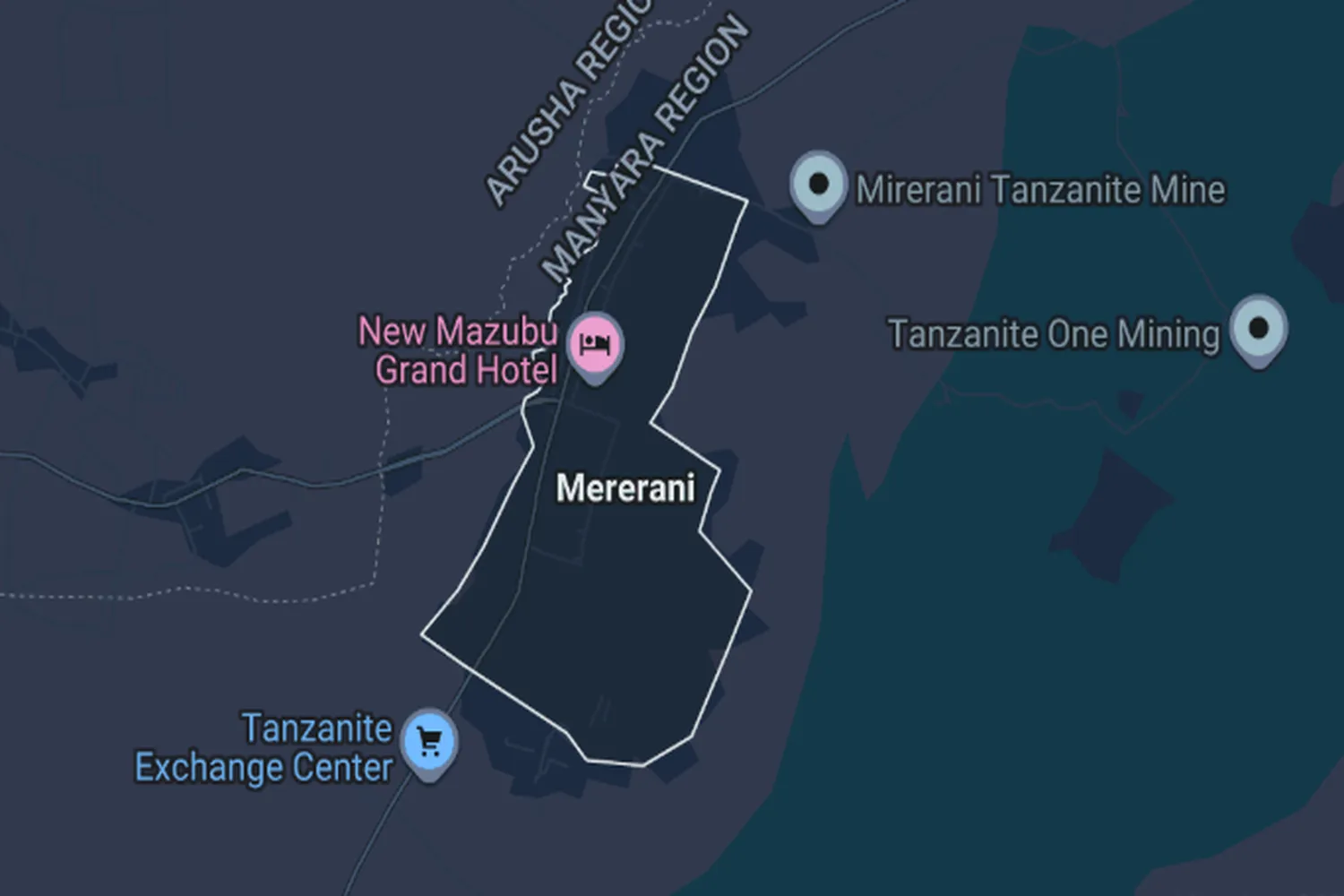
Quantitative data underscores its potential: Since 1995, top-quality Tanzanite prices have risen over 300%, outpacing many traditional investments. Qualitative factors, like its pleochroic display of blue, violet, and burgundy hues, add emotional value that drives collector interest. As supplies dwindle from the 7 km² Merelani deposit, experts predict exponential growth, making how to invest in Tanzanite a timely strategy.
Why Tanzanite Is 1,000 Times Rarer Than Diamonds
Tanzanite's rarity is staggering: While diamonds are mined across continents, Tanzanite exists solely in Tanzania's Merelani Hills. Known reserves equate to just 1/1,000th of diamond volumes, with annual production under 2 million carats versus diamonds' 120 million. This scarcity fuels a supply-demand imbalance, positioning Tanzanite as a superior hedge against inflation in how to invest in Tanzanite.
- Global diamond mines: Over 30 major sites worldwide
- Tanzanite mines: One 7 km² zone, divided into four blocks
- Production ratio: Tanzanite yields 1,000x less viable gem material
- Future outlook: Mines may deplete in 20-30 years, per geological surveys
Understanding Tanzanite Rarity and Global Demand
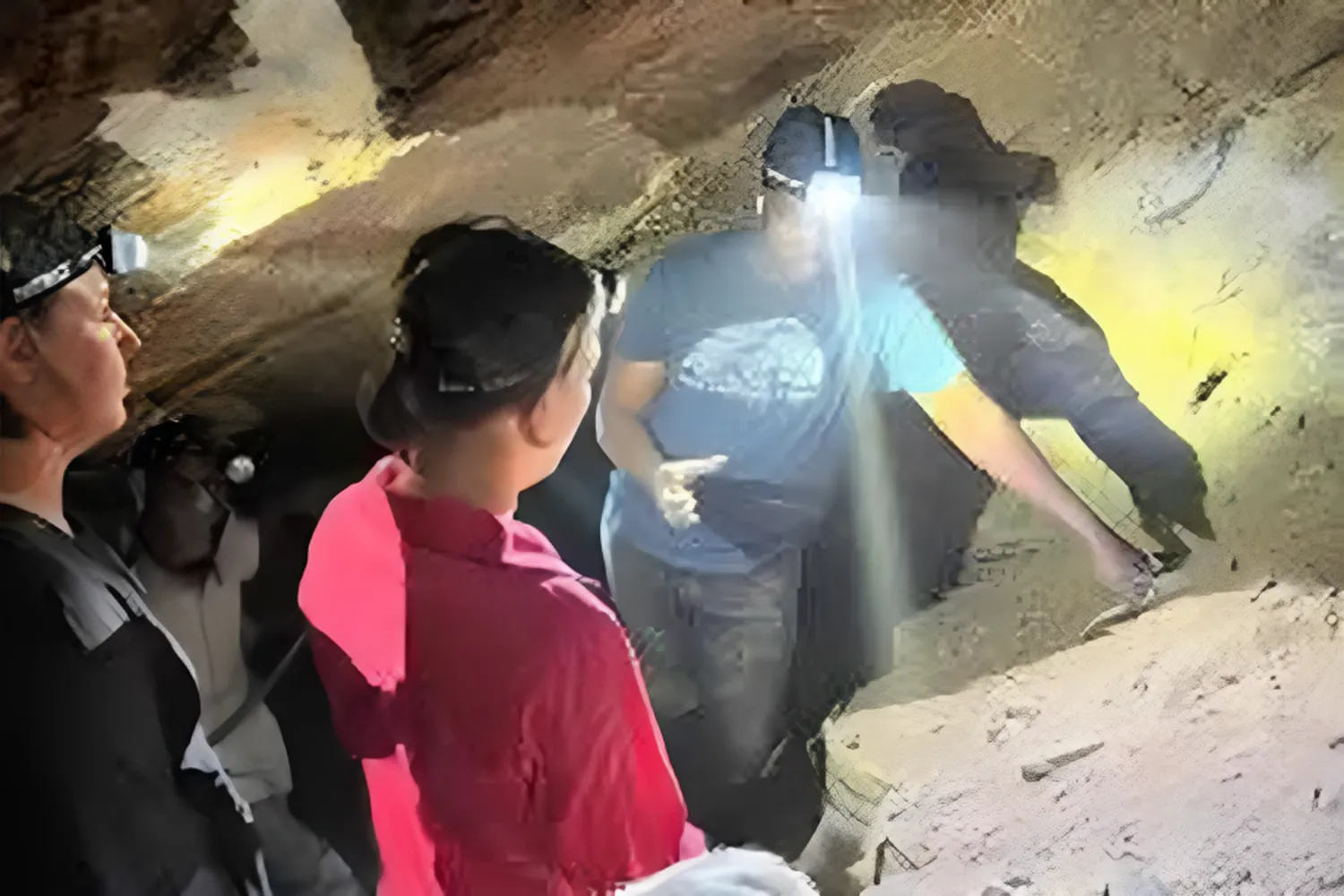
Delving deeper into how to invest in Tanzanite, rarity isn't just hype—it's backed by geology. Formed 585 million years ago under extreme metamorphic conditions involving vanadium, Tanzanite's blue-violet color emerges only after heat treatment. Global demand has surged 150% since 2010, driven by U.S. (50% market share) and Asian markets, where it's prized for chakra-healing properties.
In this complete guide to Tanzanite as an investment, note that Tiffany & Co.'s marketing has cemented its status, similar to diamonds. With exports valued at $150 million in 2024, demand outstrips supply by 20%, per industry reports.
The Impact of Merelani Mining Blocks on Tanzanite Prices
The four Merelani blocks (A-D) dictate supply: Block C, the largest, produces 60% of output but faces depletion risks. Price volatility ties to block-specific yields—e.g., Block A's artisanal digs yield rarer large crystals, boosting values by 25% for sourced stones.
| Mining Block | % Production | Price Impact |
|---|---|---|
| A | 15% | High (rare crystals) |
| B | 20% | Medium |
| C | 60% | Stable |
| D | 5% | Variable |
Types of Tanzanite Investors Should Know
As you learn how to invest in Tanzanite, familiarize yourself with varieties. Natural vs. treated (99% heated for color), rough vs. cut, and specimen vs. faceted all play roles. For investment, focus on heat-treated faceted stones with vivid saturation.
How Heat Treatment Affects Value
Standard heat treatment (500-600°C) enhances color without devaluing; it's disclosed and stable. Untreated brown Tanzanite is rarer but less marketable. In this guide to Tanzanite as an investment, treated stones retain 95% of post-treatment value appreciation.
- Pre-treatment: Brown/red rough
- Post-treatment: Blue-violet gem
- Value add: 200-300% color enhancement
- Investor tip: Always verify treatment disclosure
How to Buy Tanzanite Safely as an Investment
Safety is paramount in how to invest in Tanzanite. Start with certified dealers, inspect in natural light, and use loupes for clarity. Budget $1,000-$10,000 per carat for quality pieces. This complete guide emphasizes due diligence to avoid pitfalls.
How to Identify Fake or Lab-Created Tanzanite
Fakes include glass imitations or cobalt-coated quartz. Check pleochroism (multi-color shift) and refractive index (1.69-1.70). Lab-created versions lack natural inclusions. Use UV light tests: Genuine fluoresces red-orange.
- Real: Strong pleochroism, natural inclusions
- Fake: Uniform color, bubbles in glass
- Test: Tilt for color change; genuine shifts dramatically
- Pro tip: Buy with return policy
Checklist Before Buying Tanzanite
- Certificate from GIA/TGC?
- Origin: Merelani, Tanzania?
- Color saturation: Vivid blue-violet?
- Price aligns with 4Cs?
- Seller reputation verified?
Factors That Determine Tanzanite Value
Value in how to invest in Tanzanite hinges on the 4Cs plus origin and treatment. Deep color commands premiums; e.g., AAA grade fetches 5x more than AA. Market data shows 10ct vivid stones at $5,000/ct vs. $800/ct for pale.
Tanzanite Price Guide by Color Grade
| Color Grade | Price/CT (USD) | Description |
|---|---|---|
| AAA | $3,000+ | Deep vivid blue-violet |
| AA | $1,500-$3,000 | Rich saturation |
| A | $500-$1,500 | Medium tone |
| B | <$500 | Pale lilac |
Tanzanite Grading System: Color, Clarity, Cut, and Carat
The grading system for how to invest in Tanzanite mirrors diamonds but emphasizes pleochroism. Color: AAA for deepest hues. Clarity: VVS (eye-clean). Cut: Excellent for light return. Carat: Larger rarer, but quality trumps size.
Trusted Labs for Tanzanite Testing (GIA, AGS, TGC)
GIA provides global standards; TGC (Tanzanite Grading Certificate) focuses on origin. AGS assesses cut precision. In this guide to Tanzanite as an investment, insist on these for 20-30% value retention boost.
Best Tanzanite Sizes for Investment Purposes
5-15ct strikes liquidity-rarity balance; >20ct for portfolios. Data: 10ct AAA stones appreciated 400% since 2000.
- Small (1-5ct): Entry-level, liquid
- Medium (5-15ct): Optimal investment
- Large (>20ct): High-end, illiquid
Where to Buy Authentic Tanzanite (Local & International Sources)
For how to invest in Tanzanite, local Arusha markets offer deals but risks; international via GIA dealers ensures safety. Top sources: Tanzania Gem Exchange, U.S. jewelers like Tiffany.
Investing in Tanzanite Jewelry vs Loose Stones
Loose stones yield higher returns (20% markup potential); jewelry adds craftsmanship premium but limits resale. Guide recommendation: Start with loose for pure investment.
Online Tanzanite Buying Safety Tips
- Verify SSL and reviews
- Demand video inspections
- Use escrow for high-value buys
- Avoid unverified auctions
Tanzanite Investment Risks and How to Avoid Them
Every investment has risks; in how to invest in Tanzanite, these include fakes (10% market) and volatility (15% annual swings). Mitigate with diversification and expertise.
Tanzanite Investment Myths Debunked
Myth: "Mines closed already"—false, production ongoing but declining. Myth: "Unwearable"—Mohs 6.5 suits daily use.
How to Negotiate with Dealers
- Research comps via Rapaport
- Bundle purchases for discounts
- Walk away tactic
- Highlight bulk potential
Tanzanite vs Other Precious Stones: Which Is Better for Investment?
Compared to sapphires (stable but abundant) or emeralds (inclusion-prone), Tanzanite's geo-exclusivity wins. 5-year returns: Tanzanite 180%, ruby 120%, per Gemological Institute data.
Most Valuable Tanzanite Colors to Look For
Trichroic blue-dominant > violet; avoid grey-tinged.
| Gemstone | 5-Yr Return | Rarity Factor |
|---|---|---|
| Tanzanite | 180% | Extreme (1 site) |
| Sapphire | 100% | High |
| Emerald | 140% | Medium |
| Ruby | 120% | High |
Long-Term Market Trends for Tanzanite Prices
Historical trends show 12% CAGR since 1980; future projections: 25% annual post-2030 depletion. In how to invest in Tanzanite, long-term holds (10+ years) historically double value every 5 years.
Market Predictions for the Next 10 Years
With demand from China/India rising 30% yearly, prices could hit $10,000/ct for AAA by 2035. Factors: Birthstone status, celebrity endorsements.
- 2026-2030: 15% annual growth
- 2030+: 25%+ as supplies tighten
- Global demand: +200% in Asia
How to Store and Protect Your Tanzanite Investment
Proper storage preserves value in how to invest in Tanzanite. Use anti-tarnish cloths, avoid ultrasounds. Insurance covers 1-2% annual premium.
Safe Storage Options (Vaults, Bank Boxes, Home Safes)
Bank boxes: Secure, low-cost. Home safes: Convenient with fireproofing. Vaults: For ultra-high value.
Tanzanite’s Future: Will the Mines Run Out?
Yes—estimates 20-30 years left, mirroring Paraiba tourmaline's post-depletion surge to $20,000/ct.
Selling Your Tanzanite: Local Markets, Auctions & Global Dealers
Resale channels for how to invest in Tanzanite: Arusha bazaars (quick cash, 70% value), Sotheby's auctions (premiums up to 150%), online via eBay (broad reach).
Understanding Tanzanite Auctions in Tanzania
Tanzania's Borsas ensure fair pricing; expect 10-20% fees but certified transparency.
- Local: Fast, lower margins
- Auctions: High visibility
- Dealers: Network-based
Investing Through Tanzanite Mining Partnerships
Advanced strategy: PML partnerships yield raw access but high risk (operational costs 40%). Returns: 200-500% on successful claims.
The Role of PML (Primary Mining License) Partnerships
PMLs allow small-scale investment; vet via Tanzania Mining Commission for legitimacy.
Tanzanite Certifications Every Investor Must Know
Key certs: GIA for grading, TGC for origin. Boost resale by 25%.
How Export Regulations Influence Market Value
2018 ban on raw exports raised cut-stone prices 50%; ongoing controls stabilize supply.
How Government Regulations Affect Tanzanite Prices
Tanzania's 2010 reforms curbed smuggling, lifting prices 100%. Future: Potential nationalization could spike values further.
How Export Regulations Influence Market Value
Repeated: Bans favor processed gems, enhancing investment appeal.
Should You Buy Rough or Cut Tanzanite?
Rough: Higher upside (300% post-cut) but expertise needed. Cut: Immediate value, lower risk. Guide favors cut for beginners in how to invest in Tanzanite.
Should You Buy Rough or Cut Tanzanite?
Detailed comparison: Rough risks yield loss (30%); cut ensures quality.
Tips for First-Time Tanzanite Investors
Start small, educate via GIA courses, diversify 10% portfolio. Track via Gemval app.
Tips for First-Time Tanzanite Investors
Build knowledge: Visit Merelani tours. Network: Join ICA.
Tanzanite Investment Myths Debunked
Expanded: "Too fragile"—no, suitable for rings. "Overhyped"—data proves otherwise.
Frequently Asked Questions About How to Invest in Tanzanite
Why is Tanzanite a good investment?
Tanzanite's extreme rarity—found only in a 7 km² area in Tanzania—and growing global demand make it a strong investment, with prices appreciating due to depleting supplies.
How rare is Tanzanite compared to diamonds?
Tanzanite is approximately 1,000 times rarer than diamonds based on known reserves and mining area.
What certifications are needed for Tanzanite investment?
Look for GIA, TGC, or AGS certificates confirming origin, treatment, and quality grades for authenticity and value assurance.
Should I buy rough or cut Tanzanite for investment?
Cut Tanzanite is generally better for most investors due to immediate usability and verified quality, though rough can offer higher potential returns if processed properly.
How long will Tanzanite mines last?
Experts predict commercial viability ending in 20-30 years, driving significant price increases as supplies dwindle.
What are the risks of investing in Tanzanite?
Risks include market volatility, fakes, and regulatory changes; mitigate with certifications, reputable dealers, and diversification.
How to store Tanzanite safely?
Use padded jewelry boxes, avoid direct sunlight and chemicals; for high-value pieces, consider bank vaults or insured home safes.
Is Tanzanite better than other gem investments?
Tanzanite offers unique rarity and wearability compared to diamonds or sapphires, with faster appreciation potential due to limited supply.
What sizes of Tanzanite are best for investment?
Stones between 5-15 carats balance rarity and liquidity; larger pieces (>20ct) for long-term holds.
How do government regulations impact Tanzanite prices?
Tanzania's export bans and mining controls have historically increased prices by curbing smuggling and formalizing trade.